


.png?x-oss-process=image/resize,h_100,m_lfit/format,webp)
.png?x-oss-process=image/resize,h_100,m_lfit/format,webp)
.png?x-oss-process=image/resize,h_100,m_lfit/format,webp)
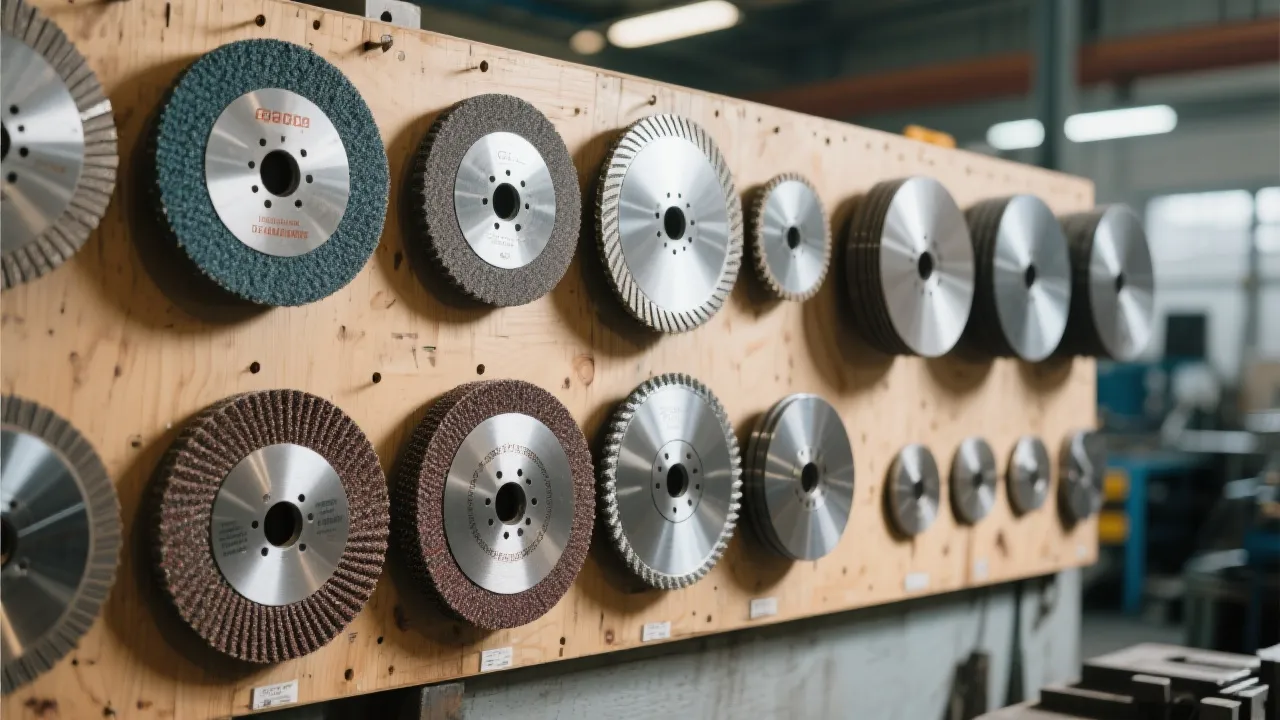
In today’s competitive global manufacturing landscape, simply investing in high-end grinding machines isn’t enough. Real efficiency gains come from optimizing the entire grinding system — especially when it comes to diamond wheel selection, coolant management, and operator practices. Based on over 7 years of field data from more than 40 industrial clients across Europe, North America, and Southeast Asia, UHD has distilled five actionable strategies that consistently improve both energy consumption and product quality.
A common mistake is using a one-size-fits-all approach to grain size. For example, in precision steel machining (like AISI 4140), a 60–80 mesh grain provides optimal balance between sharpness and wear resistance. In contrast, aluminum or composites benefit from coarser grains (30–40 mesh) to reduce clogging and heat buildup. Data from our European client in Germany shows a 12% reduction in power draw after switching from 100 mesh to 60 mesh for hardened tool steel applications.
High-pressure cooling (above 4 bar) can reduce grinding temperatures by up to 35°C compared to traditional flood methods — particularly effective in titanium alloy processing. However, many factories still rely on generic water-based coolants. Our case study with a French aerospace supplier revealed a 22% increase in wheel life after implementing MQL with synthetic oil-based lubricants at 50 mL/min flow rate.
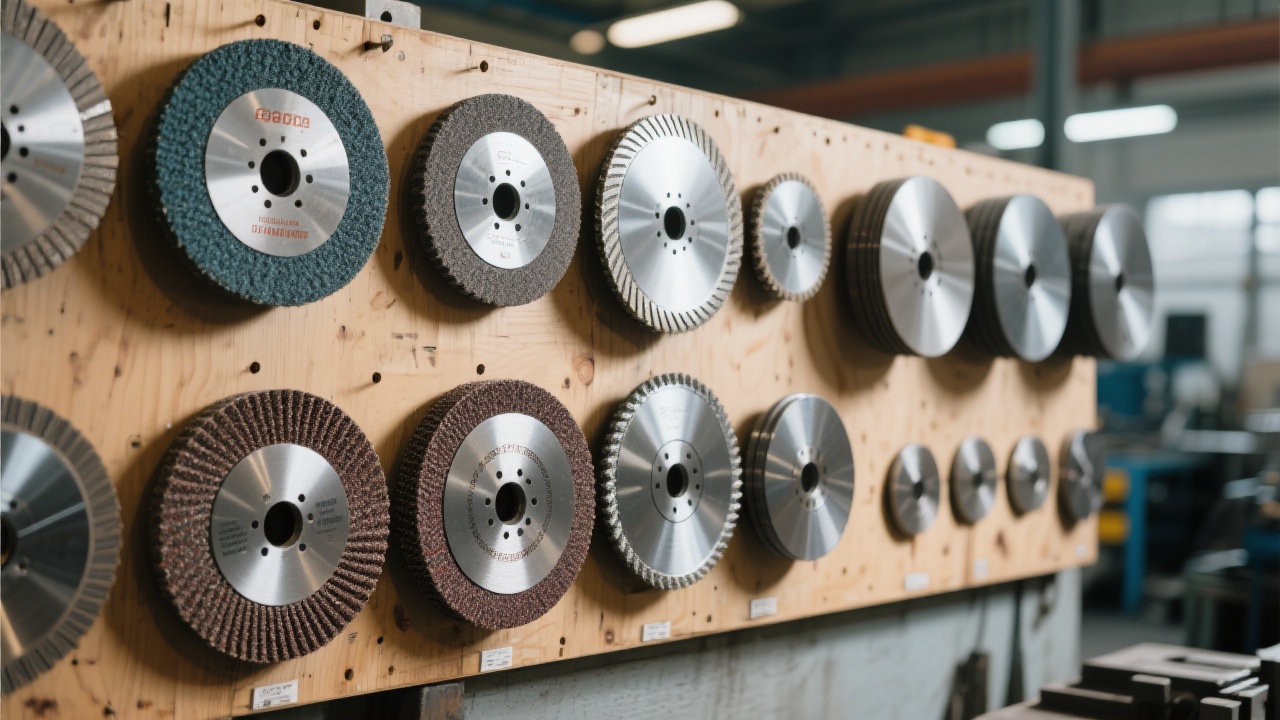
Neglecting wheel dressing leads to dull cutting edges and inconsistent surface finishes. A monthly dressing routine with a fixed-diamond dresser reduces wheel glazing by up to 60%, according to our analysis of 12 factories in Italy and Spain. This directly translates into fewer rework cycles and less material waste.
Too fast = burn marks. Too slow = inefficient cycle time. The sweet spot for most ferrous materials lies between 0.05 mm/rev and 0.1 mm/rev. One Japanese machine shop saw a 28% drop in rejected parts after adjusting feed rates based on real-time thermal imaging feedback — a practice now standard in their process manuals.
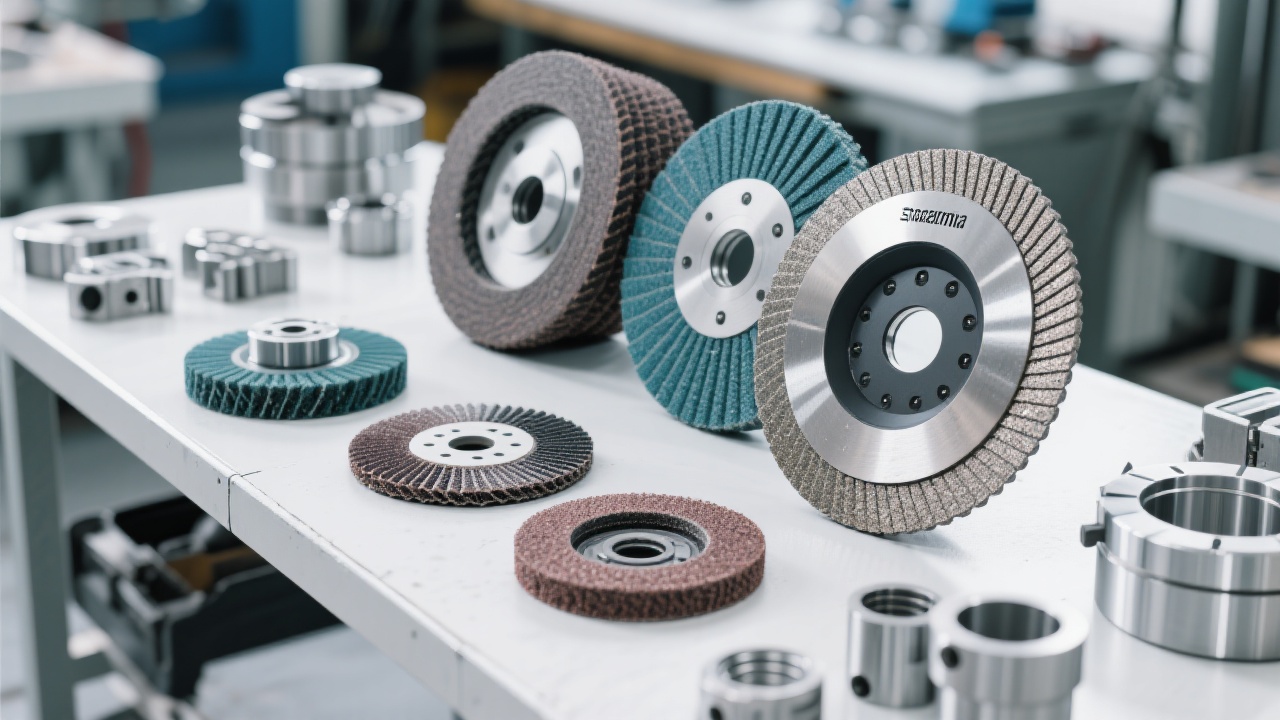
Real-time vibration and acoustic monitoring allows early detection of micro-cracks or imbalance. A Spanish automotive component manufacturer reduced unplanned downtime by 40% after installing a simple sensor kit on their UHD wheels — no complex IoT setup required. These insights are not just technical—they’re strategic.
What do you currently struggle with in your grinding operations? Share your biggest challenge in the comments below — we’ll respond with tailored tips from our global team!
Download our free guide: “5 Proven Techniques to Reduce Grinding Costs by Up to 20%” — used by engineers in over 30 countries.
Télécharger le guide technique gratuit

.png?x-oss-process=image/resize,h_800,m_lfit/format,webp)
 disque abrasif diamanté soudé
outil de meulage industriel
technologie super-dure
performance de meulage
application industrielle du diamant
Disques de scie diamantés pour automatisation
Technologie de brasage sous vide
Outils de coupe métallique
Amélioration de l'efficacité de production
Durabilité des équipements de coupe
Meule diamantée brasée
Meule à haute résistance à l'usure
Gestion de la durée de vie des meules diamantées
Technologie de meulage industrielle
Optimisation du procédé de brasage
disque diamanté soudé
usinage des alliages durs
outils industriels sur mesure
traitement des matériaux composites
solutions pour usinage de moules
disque diamanté soudé
résistance aux chocs disque diamanté
usinage efficace carbure
performance disque diamanté
outils industriels personnalisés
disque abrasif diamanté soudé
outil de meulage industriel
technologie super-dure
performance de meulage
application industrielle du diamant
Disques de scie diamantés pour automatisation
Technologie de brasage sous vide
Outils de coupe métallique
Amélioration de l'efficacité de production
Durabilité des équipements de coupe
Meule diamantée brasée
Meule à haute résistance à l'usure
Gestion de la durée de vie des meules diamantées
Technologie de meulage industrielle
Optimisation du procédé de brasage
disque diamanté soudé
usinage des alliages durs
outils industriels sur mesure
traitement des matériaux composites
solutions pour usinage de moules
disque diamanté soudé
résistance aux chocs disque diamanté
usinage efficace carbure
performance disque diamanté
outils industriels personnalisés



