
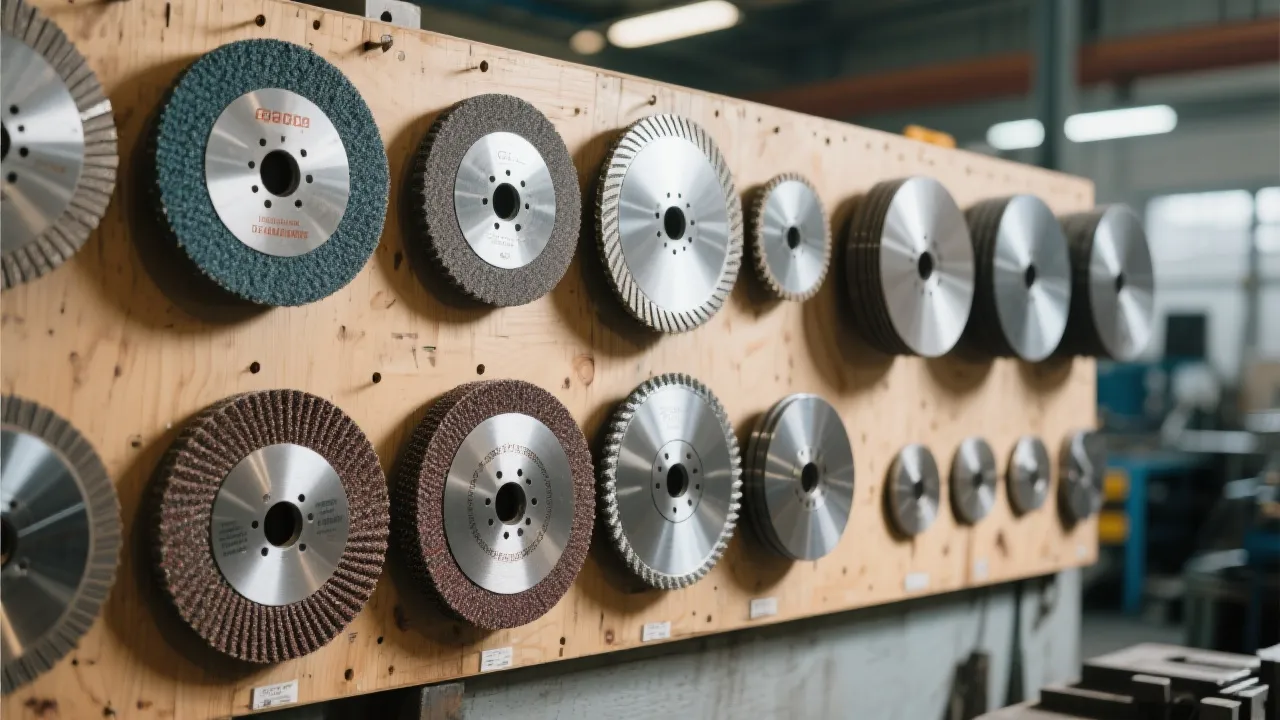
In aerospace and high-end mold manufacturing, curve precision grinding often sits at the edge of what process windows allow: changing contact conditions, thermal sensitivity, and demanding surface integrity requirements. When cycle time must drop without sacrificing quality, the bottleneck frequently appears in one place—how well the diamond grinding wheel matches the curvature, and how consistently the process maintains stable forces and heat flow as the contact geometry evolves.
This article breaks down the key engineering levers—wheel design differences, dynamic contact arc length, cutting angle shifts, and cooling-path optimization—supported by reference data and practical parameter adjustment examples used on materials such as gray cast iron and stainless steel.
Unlike planar grinding, curved surfaces continuously change the local wheel-workpiece engagement. That affects three fundamentals at once: normal force distribution, chip thickness, and heat partition. As curvature tightens, the effective contact zone tends to concentrate, raising peak pressure and accelerating bond wear—especially when the wheel profile is not optimized for the part geometry.
In curved grinding, “one stable parameter set” is less reliable. The process should be designed around controlled variability: predictable force, predictable heat, and predictable wheel self-sharpening behavior across the full curvature range.
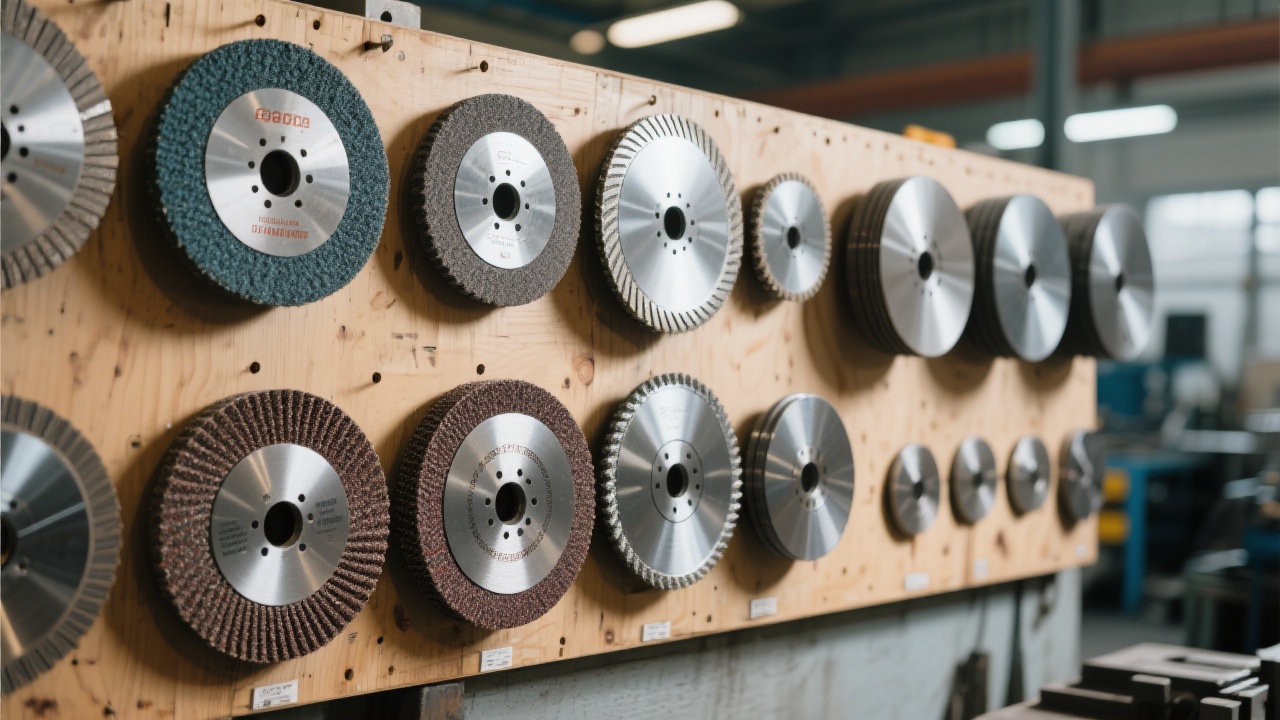
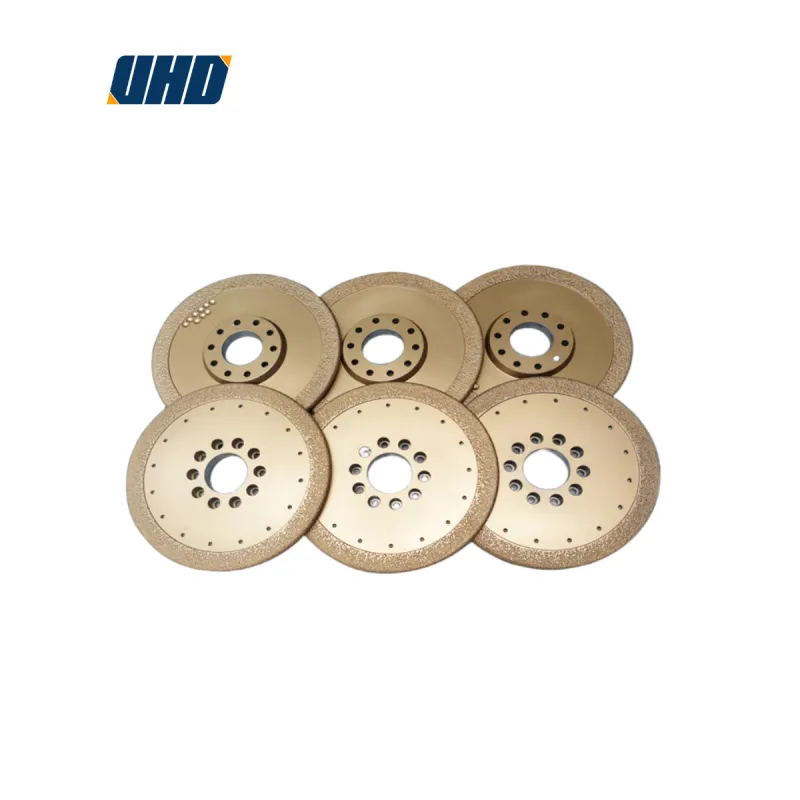
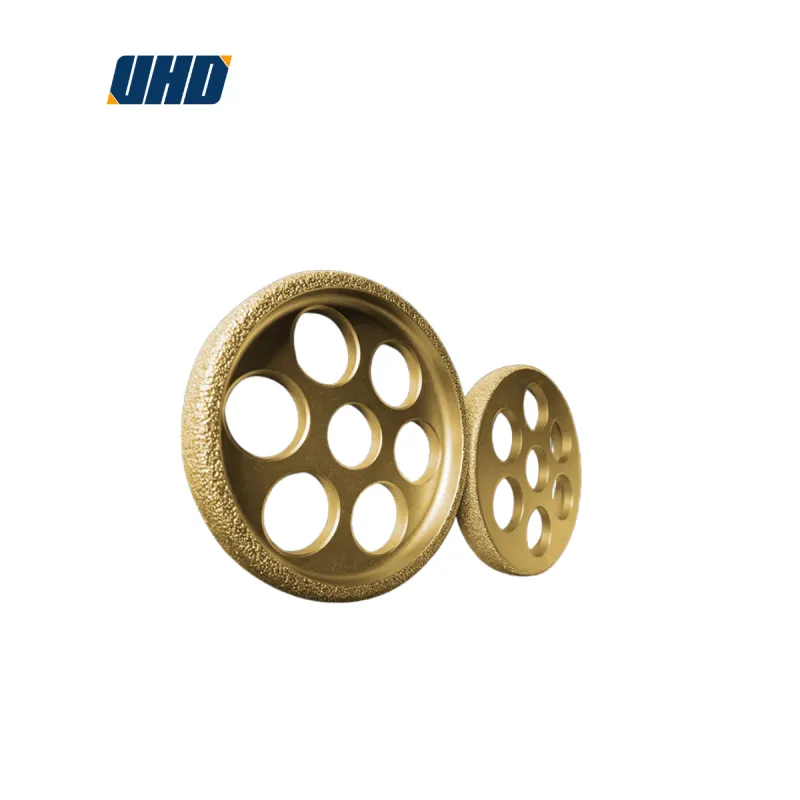
Diamond wheels for curved precision grinding are not “flat wheels used on a curve.” The profile determines how the wheel loads, how abrasive grits fracture, and how efficiently heat leaves the interface. For aerospace-grade finishing, the most relevant design differences typically include:
In many shops, the hidden productivity gain comes from wear shape stability. If the wheel wears unevenly across the curved contact patch, the process must compensate with more passes, more spark-out time, and more inspection. A wheel designed for curvature can reduce those “invisible” minutes.
As the wheel traverses a curved surface, the contact arc length and the instantaneous cutting angle change. Practically, this means the same nominal infeed can produce different chip thickness from one region to another—leading to variations in Ra and form error.
Note: Ranges are representative for precision grinding with diamond wheels and should be validated per machine rigidity, wheel bond, part geometry, and coolant delivery.
A practical method used by many process engineers is to tune parameters based on curvature zones—slightly reducing downfeed and increasing coolant effectiveness at the tightest radii where the effective contact is most concentrated.
In curved grinding, the biggest mismatch between theory and shop-floor reality is often coolant delivery. Coolant that looks “plenty” on a flat grind can become insufficient at the actual interface once curvature changes the wheel wrap and airflow patterns. The result is higher specific grinding energy, faster wheel glazing, and inconsistent finish.
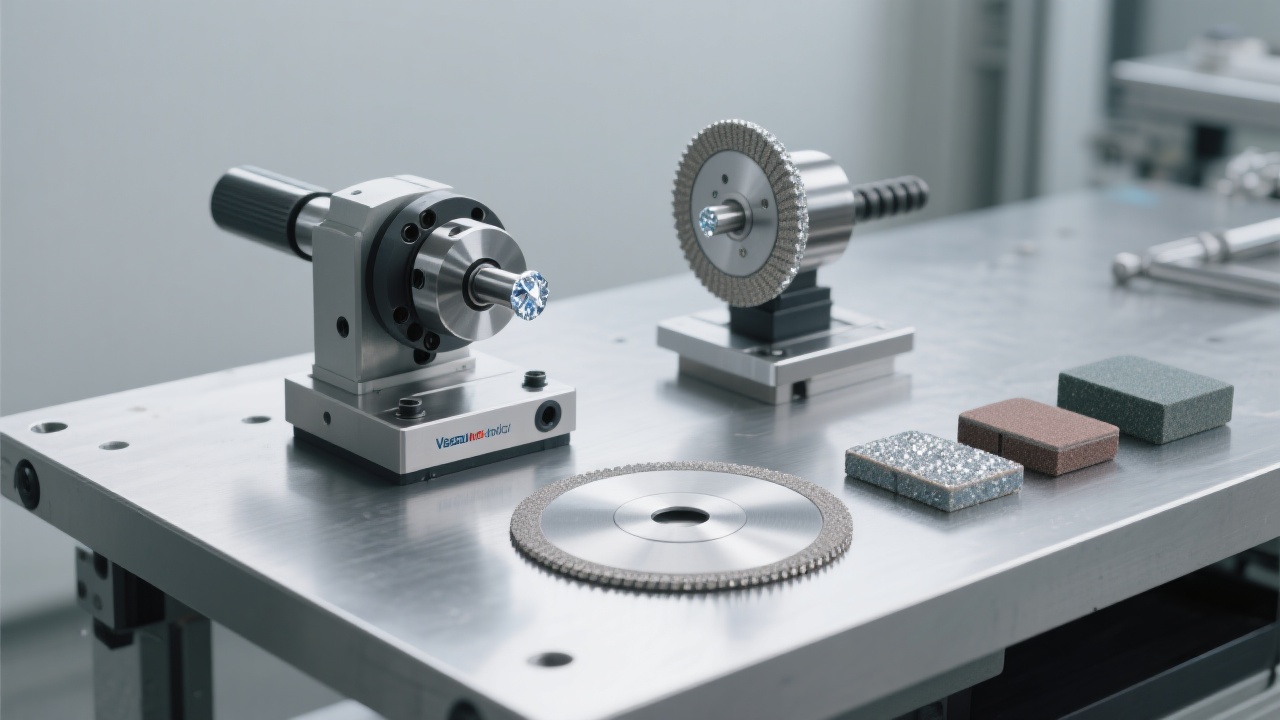
On heat-sensitive alloys, improving coolant targeting often achieves the same surface integrity improvement as lowering downfeed—without sacrificing throughput. In other words, cooling path optimization can be a productivity lever, not just a quality safeguard.
Below is a reference comparison that illustrates how a small shift in parameters—paired with a curvature-matched diamond wheel—can affect both surface finish and wheel wear. The values are representative outcomes reported in industrial practice for stable machines and correct coolant targeting.
These results depend on wheel bond/grade, grit size, machine stiffness, and coolant targeting. Validation trials should follow a controlled DOE approach.
The pattern is consistent: curve-adapted wheel geometry helps stabilize contact pressure, while parameter tuning focuses on managing thermal load and preventing loading/glazing. Together, they reduce the need for “extra passes to be safe,” which is often where efficiency disappears.
Buyers and process engineers typically don’t ask for “better grinding theory.” They ask why a part fails inspection today when it passed last week. Below is a practical mapping from symptom to likely cause—especially common on curved aerospace surfaces.
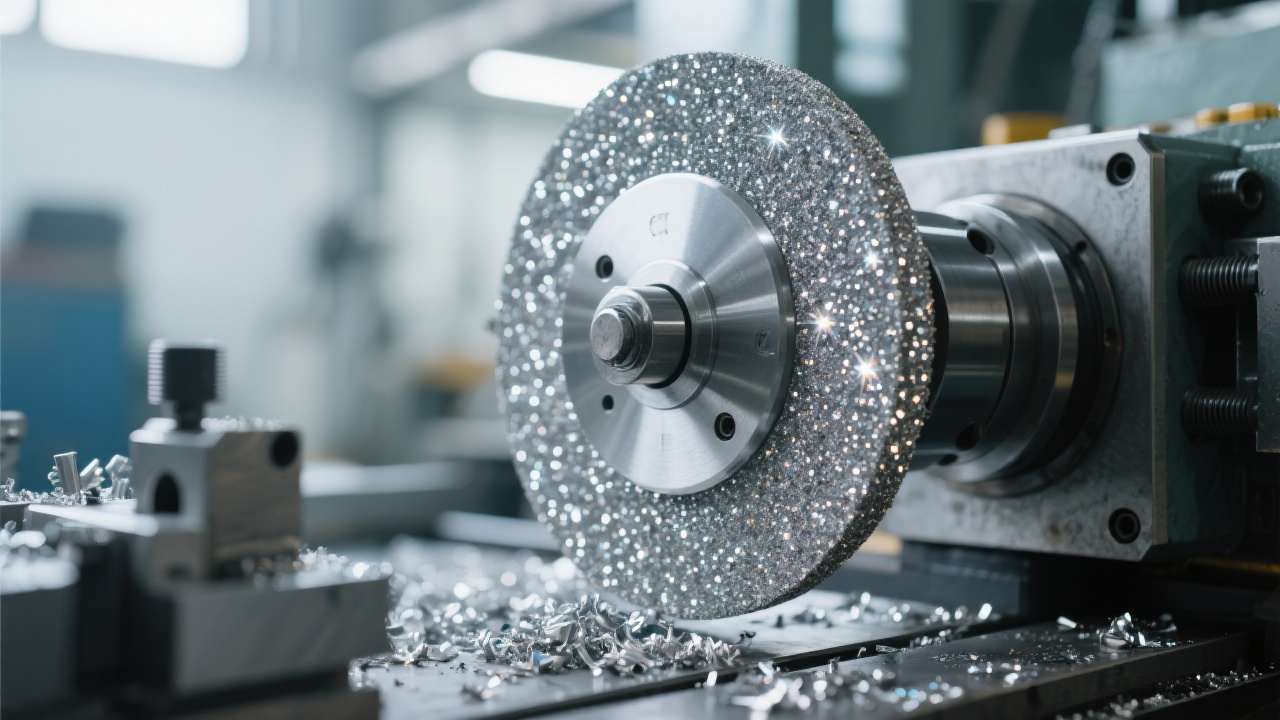
For aerospace surface integrity and measurement consistency, teams typically align internal specs with recognized norms. The following are frequently cited in grinding and surface characterization workflows:
Process stability on curved aerospace surfaces is rarely about a single “best” parameter. It’s about pairing the right diamond wheel design with your material, curvature, coolant constraints, and finish target—then locking in a repeatable window. For engineers building a reliable process, the fastest next step is reviewing wheel structure options and material compatibility guidelines.
Click to learn material matching & grinding wheel designIncludes practical parameter ranges, dressing recommendations, and curvature-specific contact considerations for aerospace and mold grinding applications.
.png?x-oss-process=image/resize,h_800,m_lfit/format,webp)

 Grinding equipment maintenance
Grinding wheel balance adjustment
Grinding fluid management techniques
Industrial grinding safety operation
Grinding wheel lifespan extension
contour grinding
diamond grinding wheel selection
industrial grinding optimization
large diameter grinding wheel
custom grinding solutions
contour grinding
custom diamond grinding wheels
high-performance grinding solutions
grinding wheel selection guide
precision machining enhancement
Brazed diamond grinding disk customization
High-efficiency wear-resistant grinding disks
Cemented carbide fine grinding solutions
Diamond grinding disk selection guide
Industrial grinding tool services
stainless steel grinding cracks
diamond grinding wheel selection
grinding parameter optimization
gray cast iron vs stainless steel grinding
industrial grinding solutions
Grinding equipment maintenance
Grinding wheel balance adjustment
Grinding fluid management techniques
Industrial grinding safety operation
Grinding wheel lifespan extension
contour grinding
diamond grinding wheel selection
industrial grinding optimization
large diameter grinding wheel
custom grinding solutions
contour grinding
custom diamond grinding wheels
high-performance grinding solutions
grinding wheel selection guide
precision machining enhancement
Brazed diamond grinding disk customization
High-efficiency wear-resistant grinding disks
Cemented carbide fine grinding solutions
Diamond grinding disk selection guide
Industrial grinding tool services
stainless steel grinding cracks
diamond grinding wheel selection
grinding parameter optimization
gray cast iron vs stainless steel grinding
industrial grinding solutions



.png?x-oss-process=image/resize,h_100,m_lfit/format,webp)
.png?x-oss-process=image/resize,h_100,m_lfit/format,webp)
.png?x-oss-process=image/resize,h_100,m_lfit/format,webp)
.png?x-oss-process=image/resize,h_800,m_lfit/format,webp)
.png?x-oss-process=image/resize,m_fill,h_800,w_800/format,webp)