In high-intensity industrial grinding, the impact resistance of grinding wheels directly determines machining efficiency and equipment safety. This article delves deep into three core indicators: fracture toughness, thermal stability, and brazed interface strength. By combining impact tests and thermal cycle tests, it reveals the influence mechanisms on the risk of grinding wheel chipping. Through practical cases of processing brittle materials such as stone and ceramics, it illustrates the practical application value of structural optimization and material matching, helping process engineers and equipment maintenance personnel to select products scientifically and debug accurately, thereby enhancing production stability and tool life.
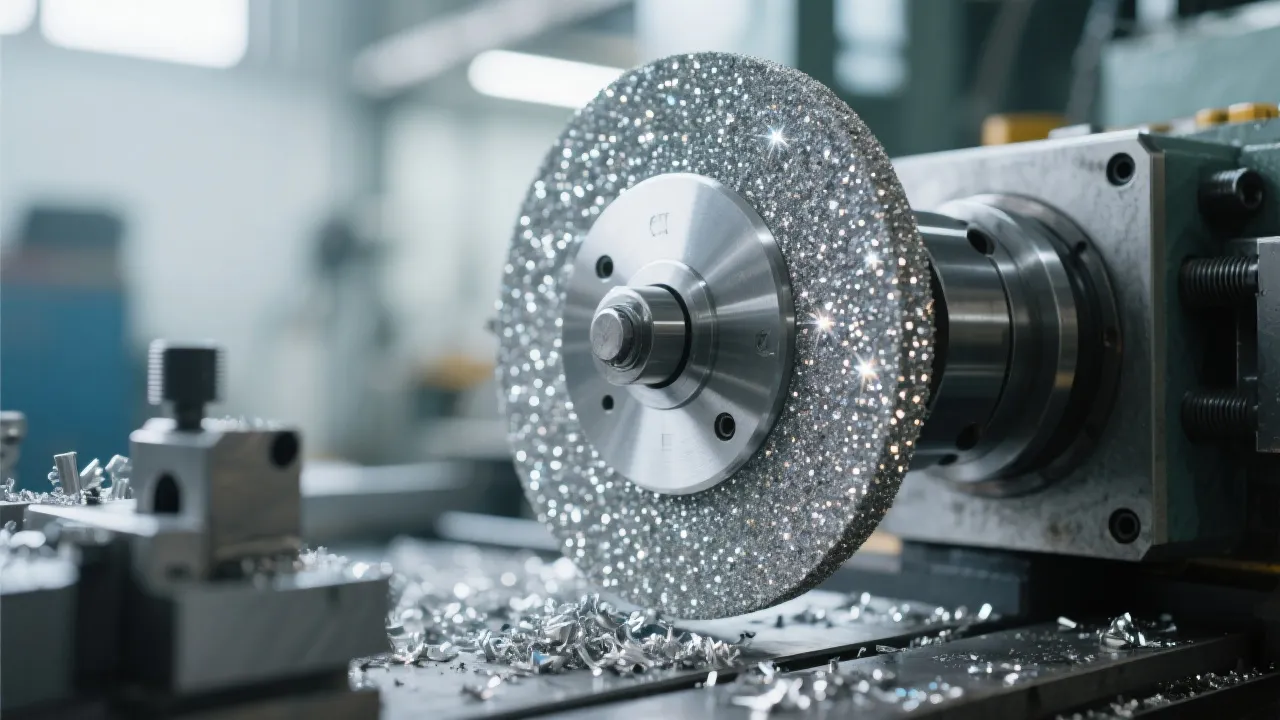
In industrial grinding scenarios, insufficient impact resistance often leads to common failure problems, such as chipping and detachment of the grinding wheel. These problems not only reduce machining efficiency but also pose potential risks to equipment safety. For instance, in the process of grinding hard materials, the grinding wheel may experience chipping under high impact forces, resulting in uneven surface quality of the workpiece and even causing damage to the machine tool.
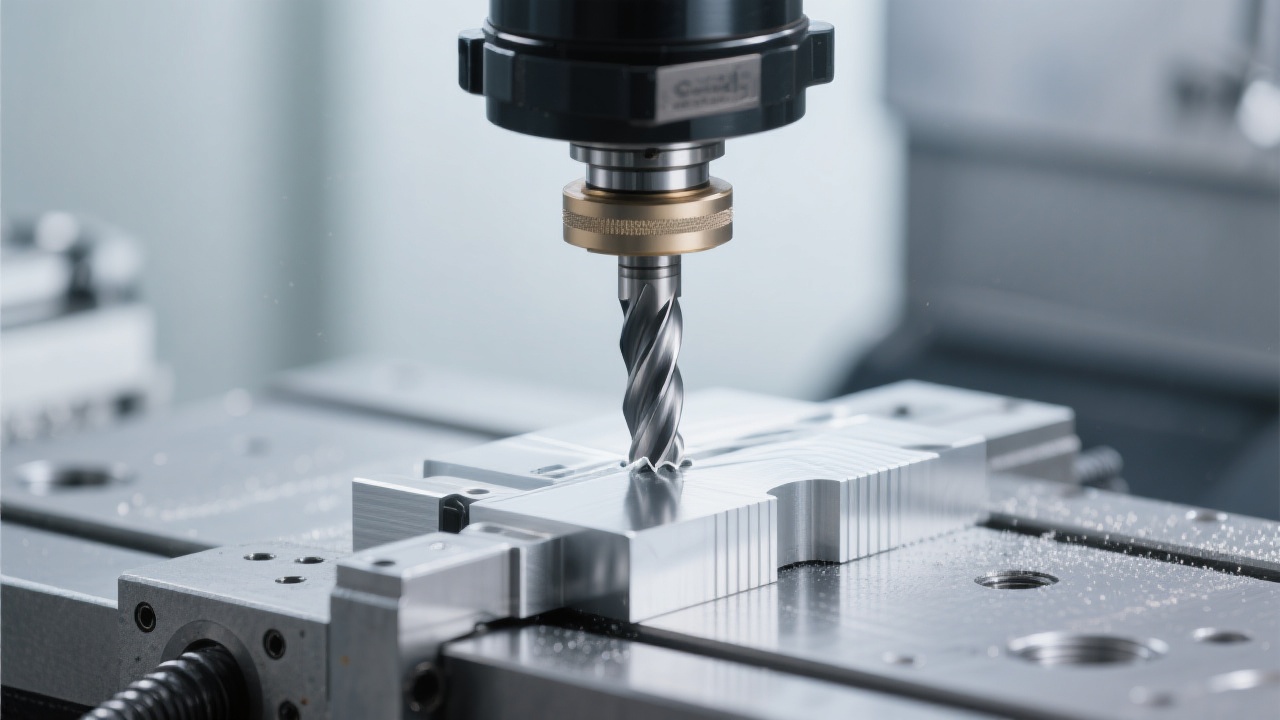
Fracture Toughness: It refers to the ability of a material to resist crack propagation under stress. A grinding wheel with high fracture toughness can better withstand impact forces without cracking easily. For example, UHD brazed diamond grinding wheels are designed with high fracture toughness materials, which can significantly reduce the probability of chipping during grinding.
Thermal Stability: In the grinding process, a large amount of heat is generated. Thermal stability is the ability of a grinding wheel to maintain its performance under high - temperature conditions. A grinding wheel with good thermal stability can prevent thermal deformation and cracking, ensuring consistent machining quality.
Brazed Interface Strength: For brazed diamond grinding wheels, the strength of the brazed interface between the diamond and the substrate is crucial. A strong brazed interface can ensure that the diamond particles are firmly attached to the substrate, preventing them from falling off during grinding.
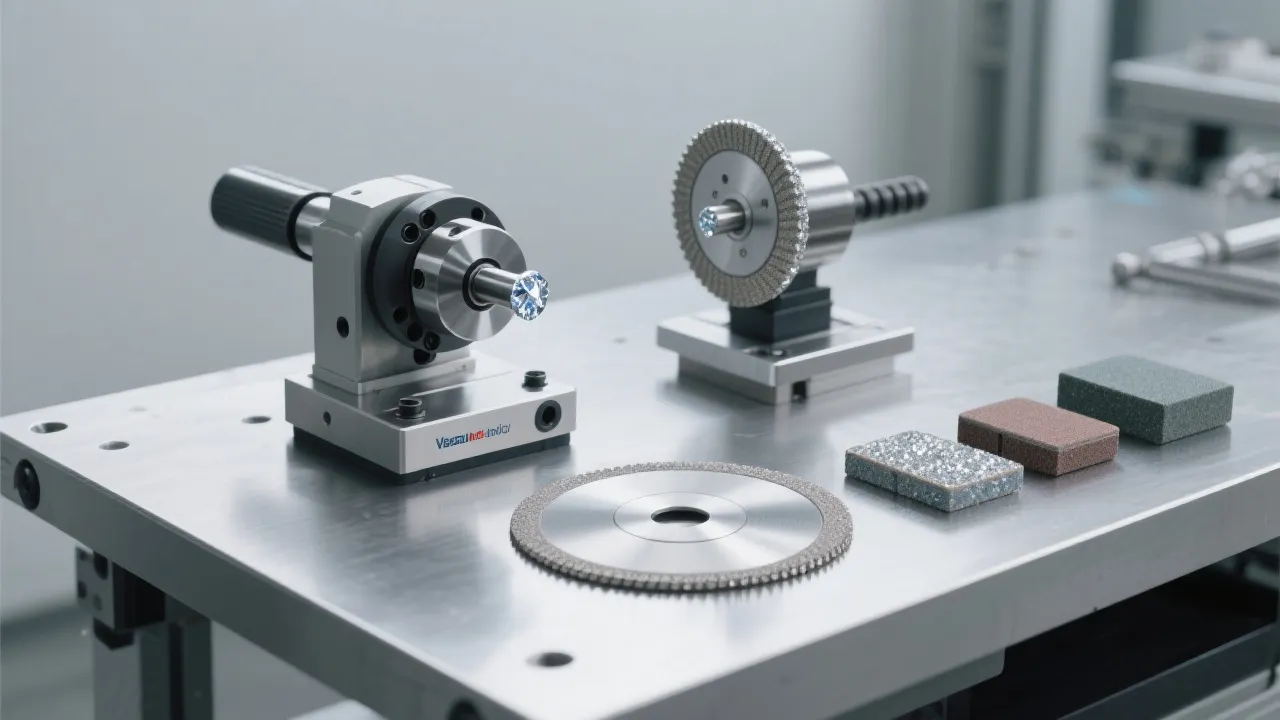
Impact Test: This test is used to measure the impact resistance of grinding wheels. By applying a certain impact force to the grinding wheel, the test can evaluate its ability to withstand impact. For example, a standard impact test may use a pendulum impact tester to strike the grinding wheel, and the data of the impact force and the degree of damage to the grinding wheel are recorded.
Thermal Cycle Test: This test simulates the actual working conditions of the grinding wheel under high - temperature and low - temperature cycles. By repeatedly heating and cooling the grinding wheel, the test can assess its thermal stability. The data obtained from the test can be used to analyze the performance changes of the grinding wheel under different temperature conditions.
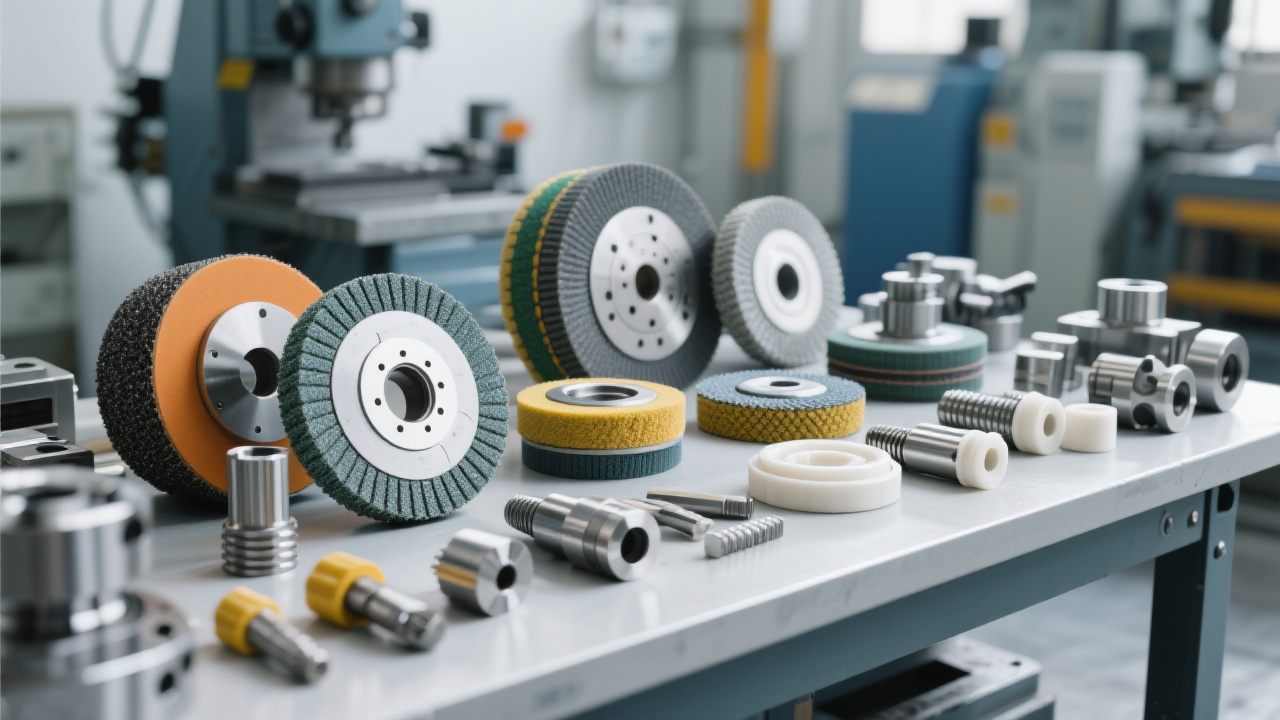
In the processing of stone and ceramic materials, different material properties have a significant impact on the failure modes of grinding wheels. For example, stone materials are usually hard and brittle, and the grinding wheel may experience more chipping problems during the grinding process. Ceramics, on the other hand, have higher hardness and lower thermal conductivity, which may cause the grinding wheel to overheat and lead to thermal cracking. By analyzing these case studies, we can better understand the relationship between material properties and grinding wheel failure modes, and take corresponding measures to improve the performance of grinding wheels.
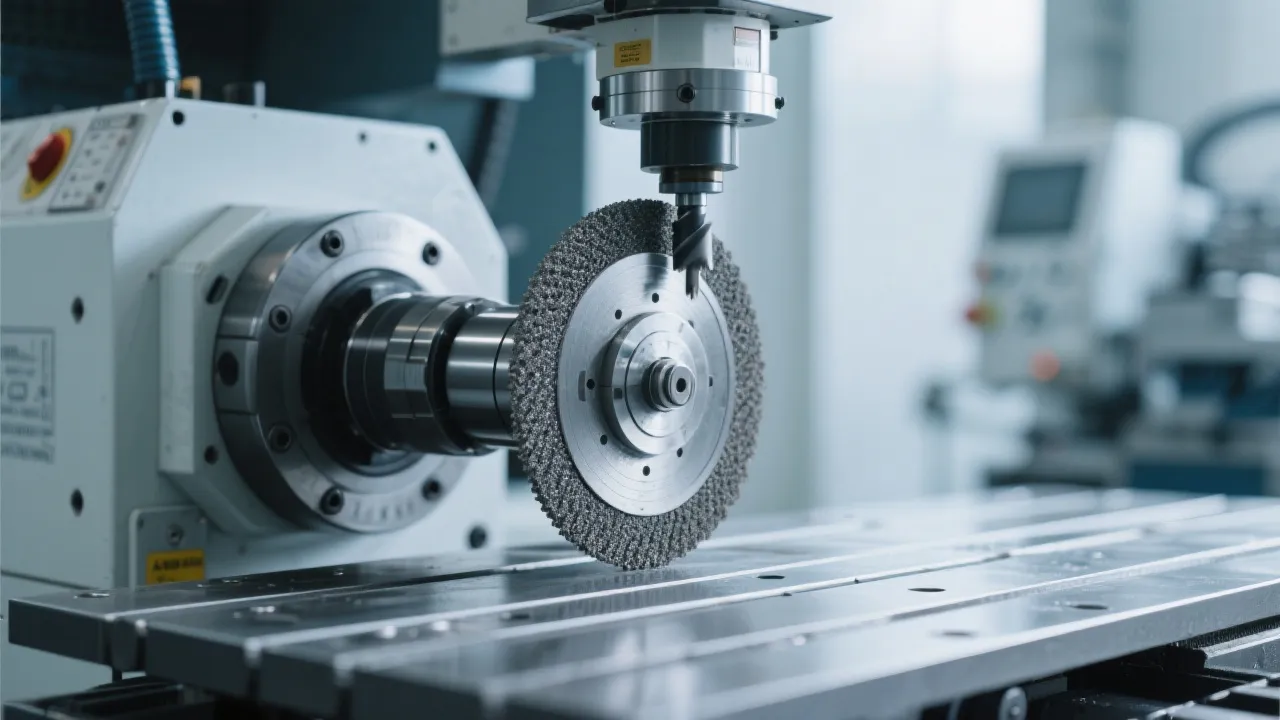
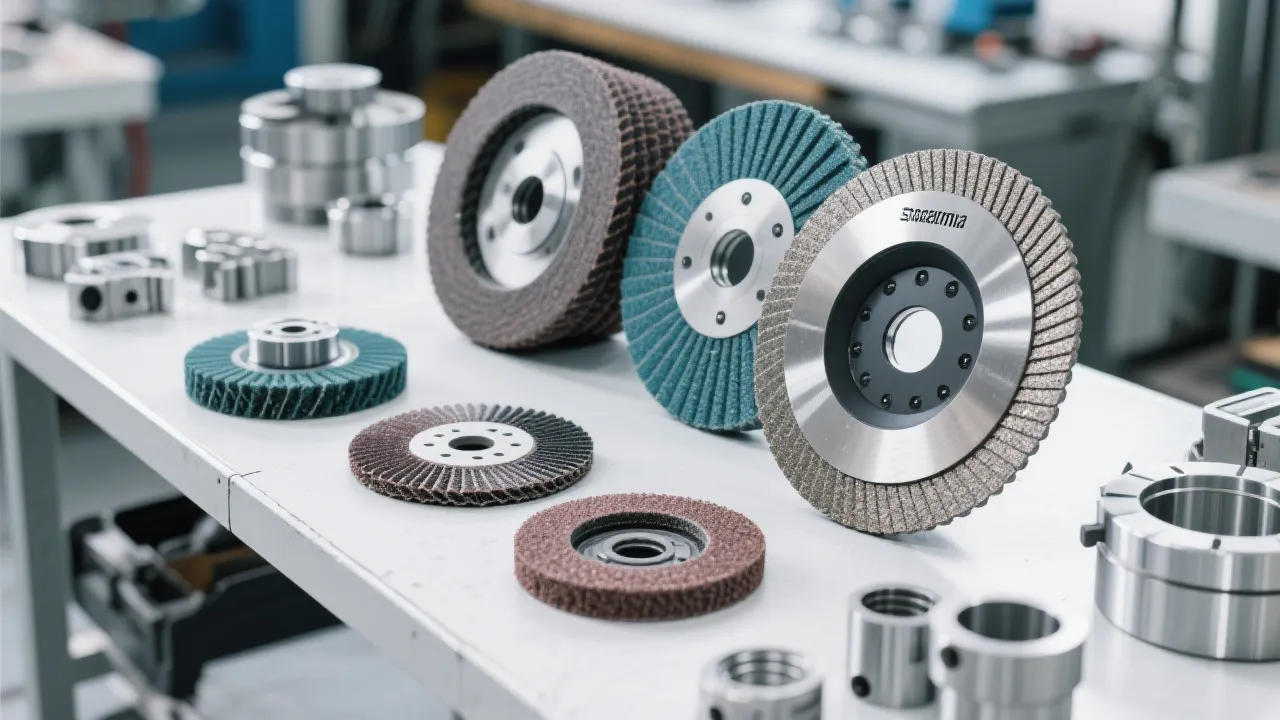
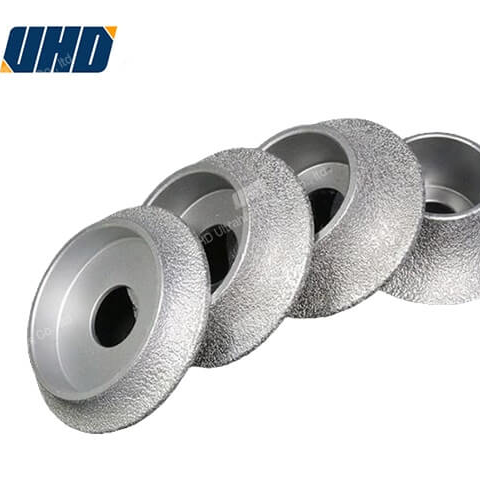
Structural design optimization and material matching are important strategies to improve the impact resistance of grinding wheels. For example, by optimizing the shape of the grinding wheel, the stress distribution can be more uniform, reducing the risk of chipping. In addition, selecting the right materials and matching them properly can also enhance the overall performance of the grinding wheel. UHD brazed diamond grinding wheels use advanced structural design and material matching technologies to ensure high impact resistance and long service life.
To ensure the long - term stable operation of grinding equipment and improve the performance of grinding wheels, proper equipment maintenance and process adjustment are essential. For example, regularly checking the sharpening of the grinding wheel, adjusting the feed rate and grinding pressure according to the material properties can effectively reduce the failure rate of the grinding wheel and improve machining efficiency.
In conclusion, understanding the key indicators of grinding wheel impact resistance, such as fracture toughness, thermal stability, and brazed interface strength, is crucial for improving industrial grinding efficiency and equipment safety. By using advanced testing methods, analyzing practical cases, and implementing structural design optimization and material matching strategies, we can select the most suitable grinding wheels and enhance production stability. 立即了解UHD钎焊金刚石磨轮如何通过先进工艺保障您的高效安全磨削
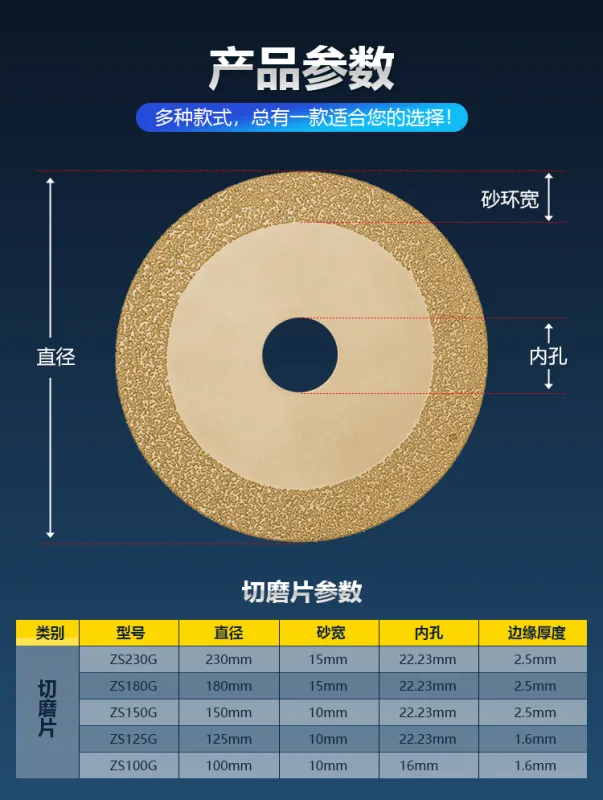
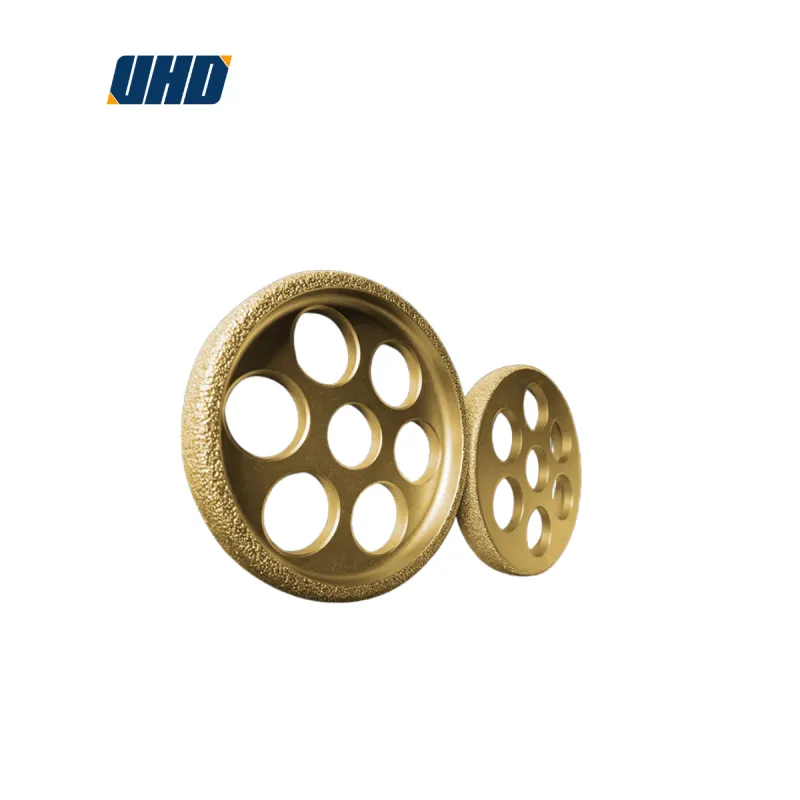
.png?x-oss-process=image/resize,h_800,m_lfit/format,webp)
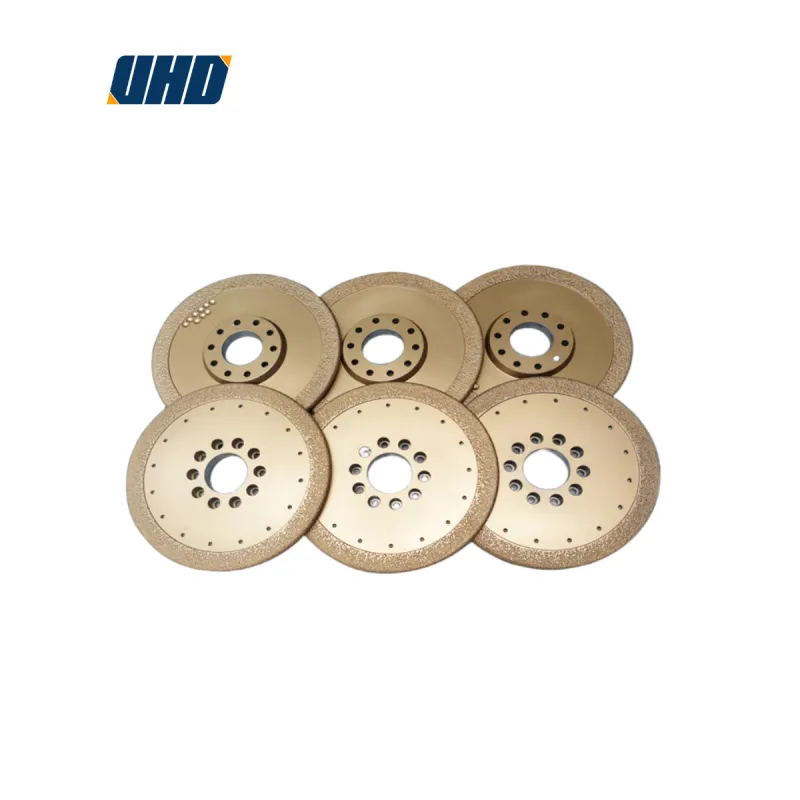
 Brazed diamond grinding disks
High-impact grinding disks
Industrial precision grinding
Multi-specification customized grinding disks
Metal processing solutions
grinding wheel impact resistance
brazed diamond grinding wheel
fracture toughness testing
thermal stability test
structural optimization for grinding tools
High - wear - resistant brazed diamond grinding disk
Diamond grinding disk aperture selection guide
Curved grinding customization solution
Stainless steel grinding disk customization
Industrial brazed grinding disk technology
diamond grinding wheel
impact resistance testing
three-point bending test
impact energy absorption test
high-speed heavy-duty grinding
curved surface grinding
diamond grinding wheel selection
grinding wheel diameter optimization
brazed diamond wheels
industrial grinding efficiency
Brazed diamond grinding disks
High-impact grinding disks
Industrial precision grinding
Multi-specification customized grinding disks
Metal processing solutions
grinding wheel impact resistance
brazed diamond grinding wheel
fracture toughness testing
thermal stability test
structural optimization for grinding tools
High - wear - resistant brazed diamond grinding disk
Diamond grinding disk aperture selection guide
Curved grinding customization solution
Stainless steel grinding disk customization
Industrial brazed grinding disk technology
diamond grinding wheel
impact resistance testing
three-point bending test
impact energy absorption test
high-speed heavy-duty grinding
curved surface grinding
diamond grinding wheel selection
grinding wheel diameter optimization
brazed diamond wheels
industrial grinding efficiency


.png?x-oss-process=image/resize,h_100,m_lfit/format,webp)
.png?x-oss-process=image/resize,h_100,m_lfit/format,webp)
.png?x-oss-process=image/resize,h_100,m_lfit/format,webp)
.png?x-oss-process=image/resize,h_800,m_lfit/format,webp)