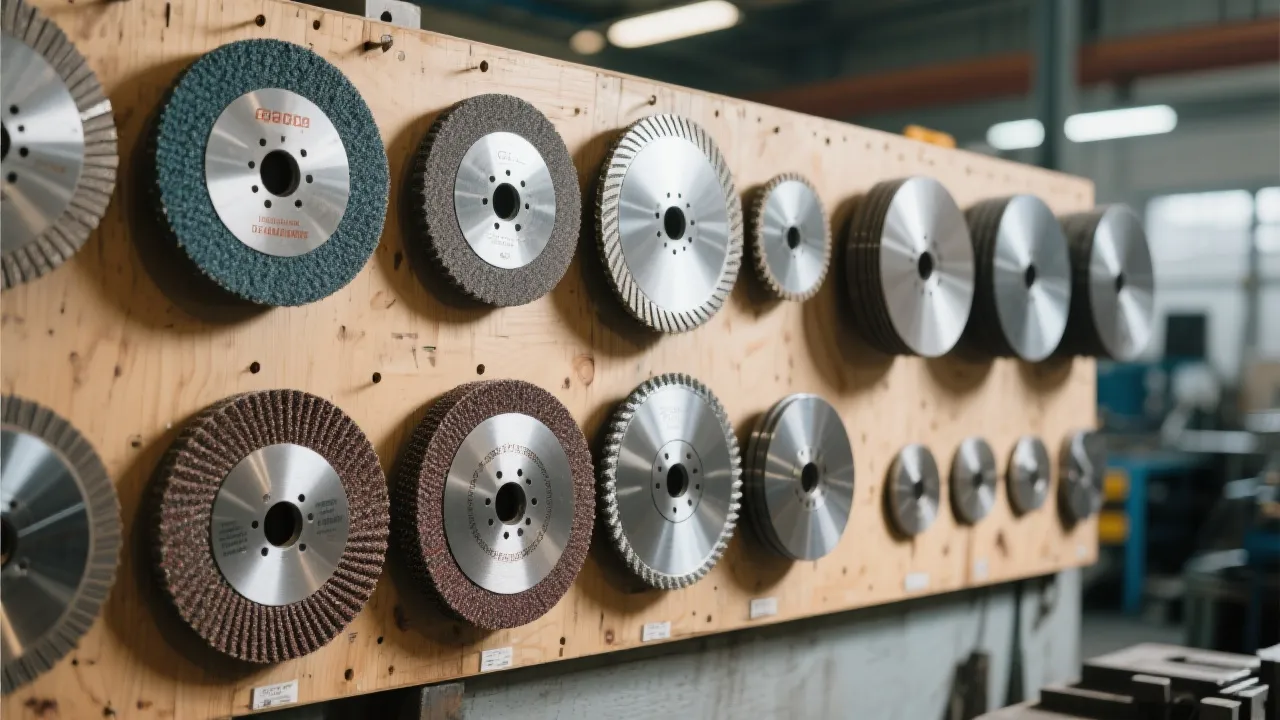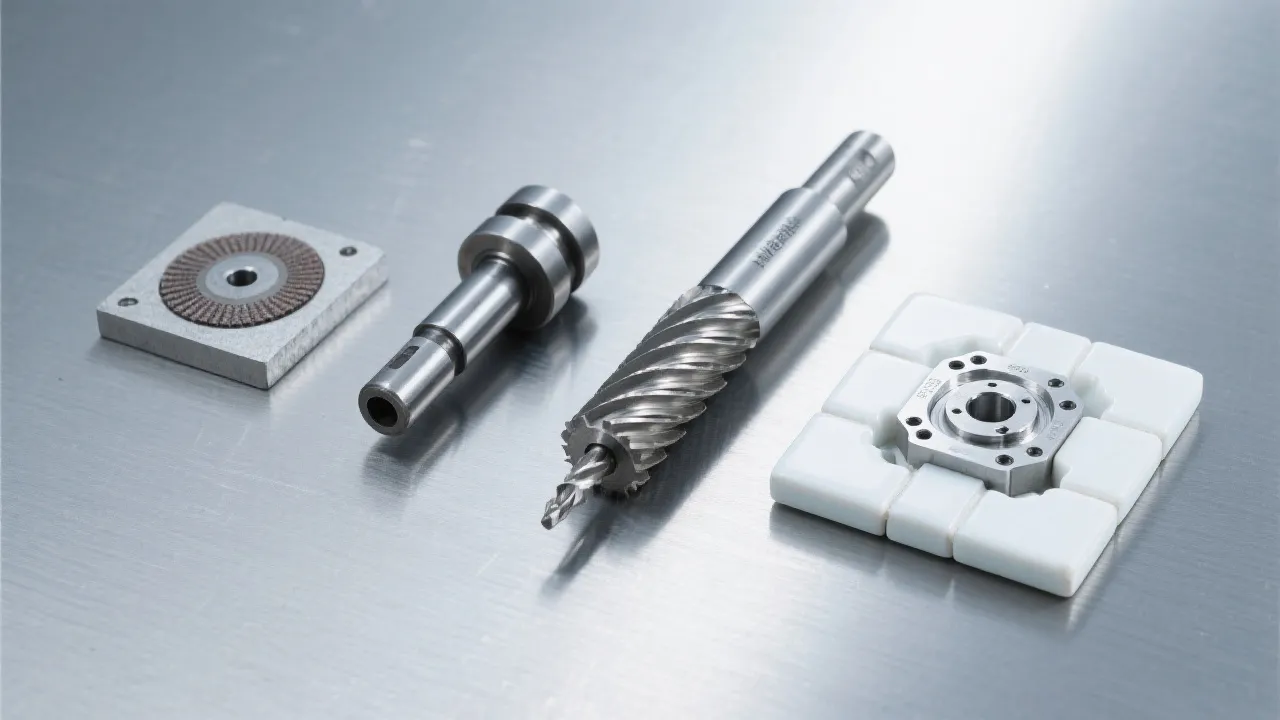
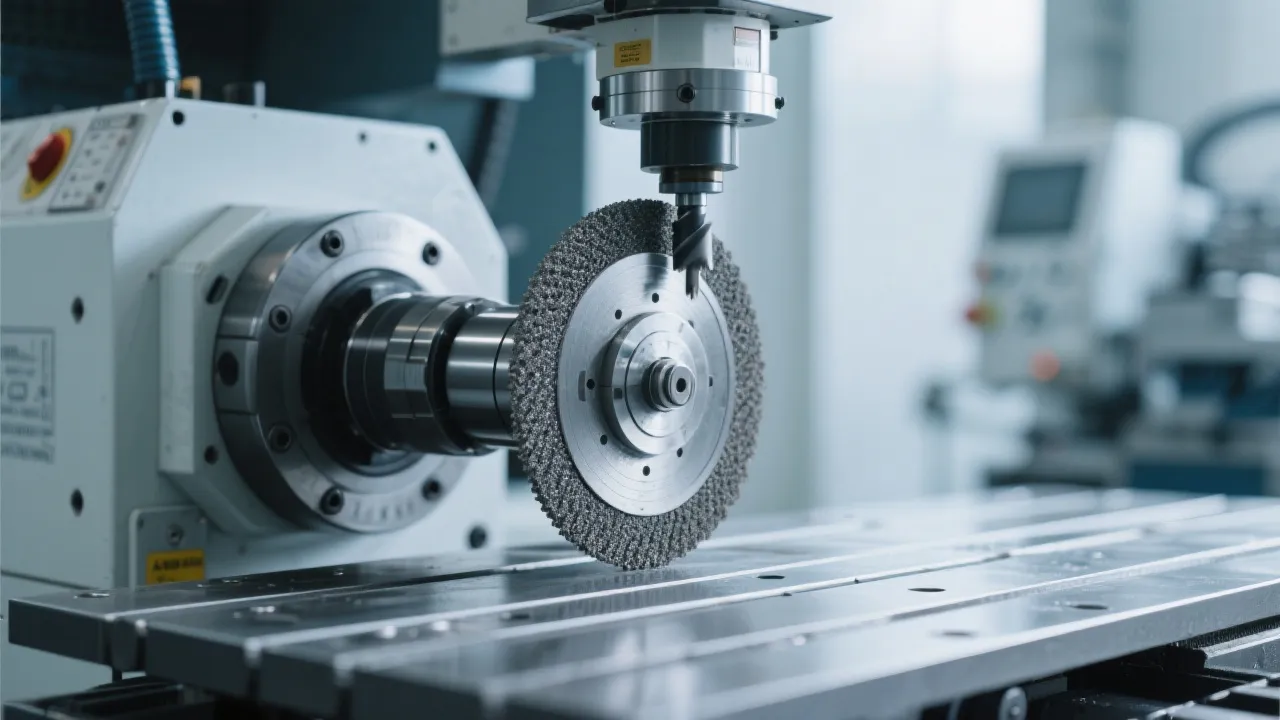
In the field of high - precision grinding, the impact resistance of diamond grinding wheels is a critical factor that directly affects the stability of equipment and the precision of workpieces. UHD, a well - known brand in the industry, is committed to providing high - quality diamond grinding wheels with excellent impact resistance.
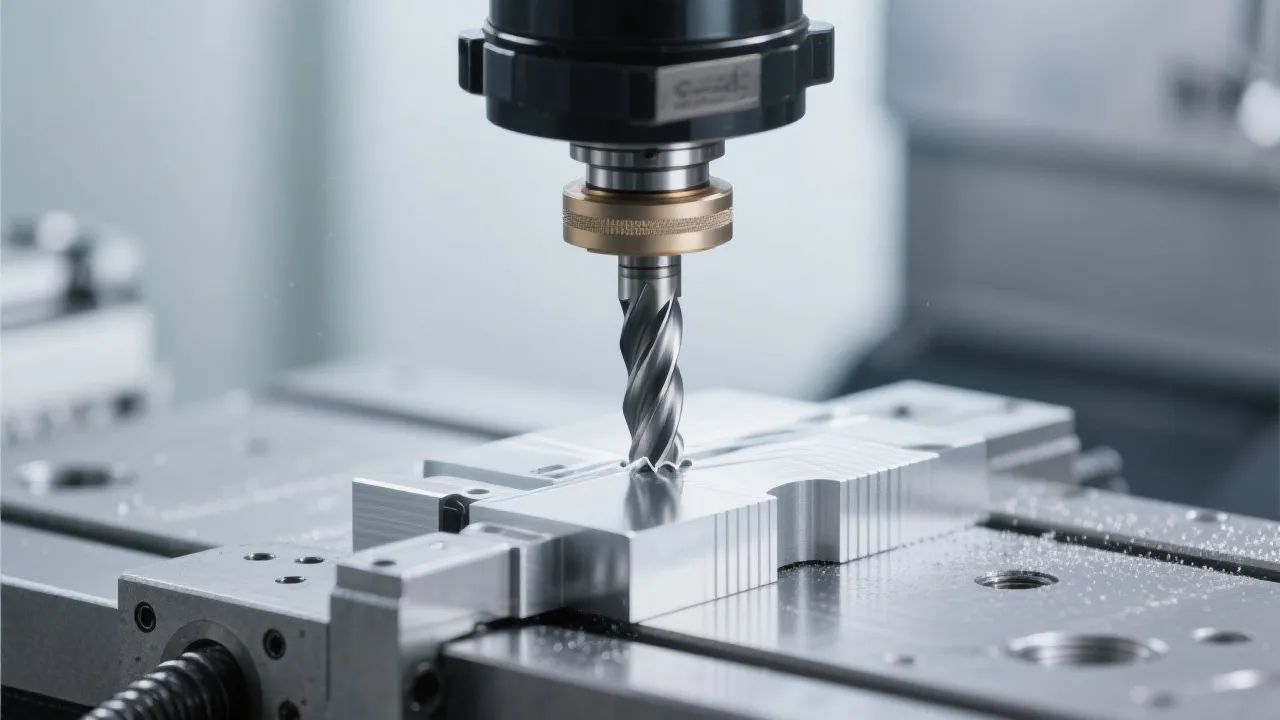
High - precision grinding often occurs in scenarios where extreme precision and surface quality are required, such as aerospace component manufacturing and precision mold processing. In these scenarios, grinding wheels are subjected to high - speed rotation, high pressure, and sudden impacts. For example, in the processing of aerospace engine components, the grinding wheel may encounter sudden changes in material hardness during the grinding process, which puts forward extremely high requirements for its impact resistance.
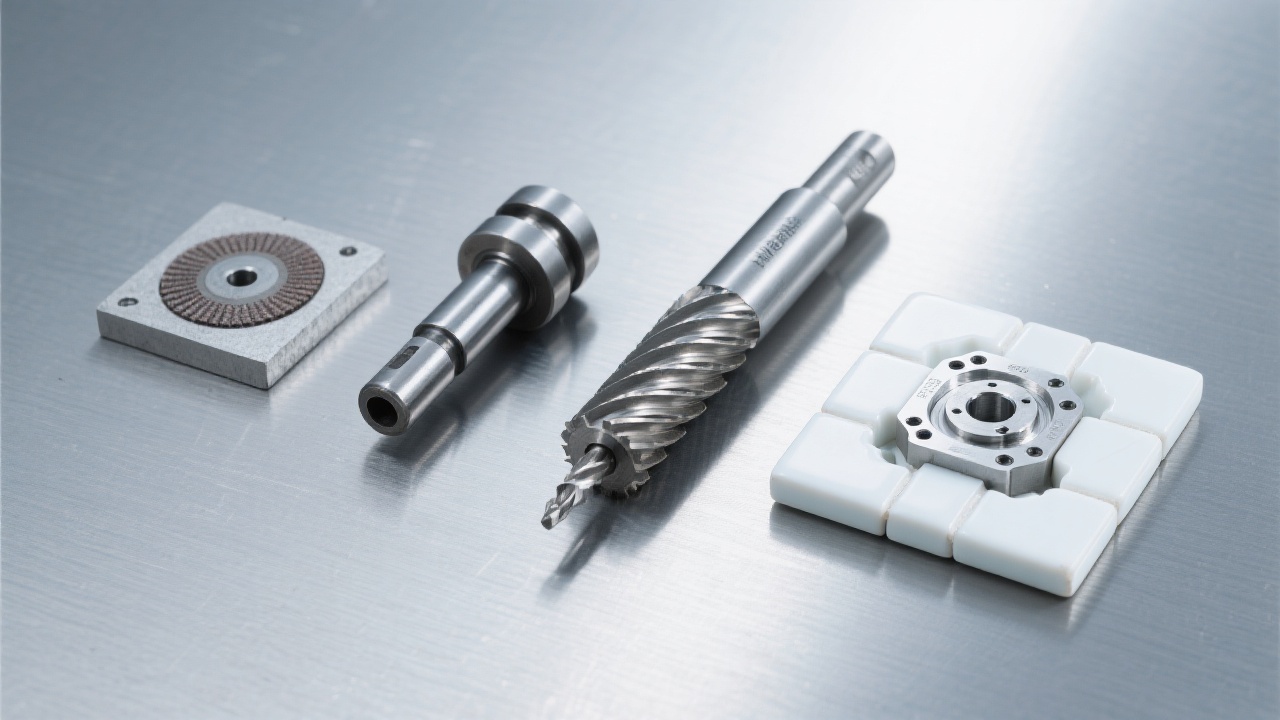
The impact resistance of diamond grinding wheels has a profound impact on processing stability and safety. A grinding wheel with good impact resistance can maintain its shape and cutting performance during the grinding process, ensuring the accuracy of the workpiece. On the contrary, if the impact resistance is insufficient, it may lead to chipping of the grinding wheel, surface defects of the workpiece, and even potential safety hazards. According to relevant industry statistics, about 30% of grinding - related equipment failures are caused by the poor impact resistance of grinding wheels.
Bending strength and fracture toughness are two core indicators to measure the impact resistance of diamond grinding wheels. Bending strength refers to the maximum stress that a grinding wheel can withstand before breaking under bending load. Fracture toughness reflects the ability of the grinding wheel to resist crack propagation. For example, a grinding wheel with high bending strength can better withstand the pressure during grinding, while a grinding wheel with high fracture toughness can prevent cracks from expanding rapidly when impacted.
There are three mainstream testing methods for evaluating the impact resistance of diamond grinding wheels: three - point bending test, impact energy absorption test, and microscopic structure observation. The three - point bending test can accurately measure the bending strength of the grinding wheel. The impact energy absorption test can evaluate the ability of the grinding wheel to absorb impact energy. Microscopic structure observation can help understand the internal structure and defect distribution of the grinding wheel. Each method has its own advantages and application scenarios.
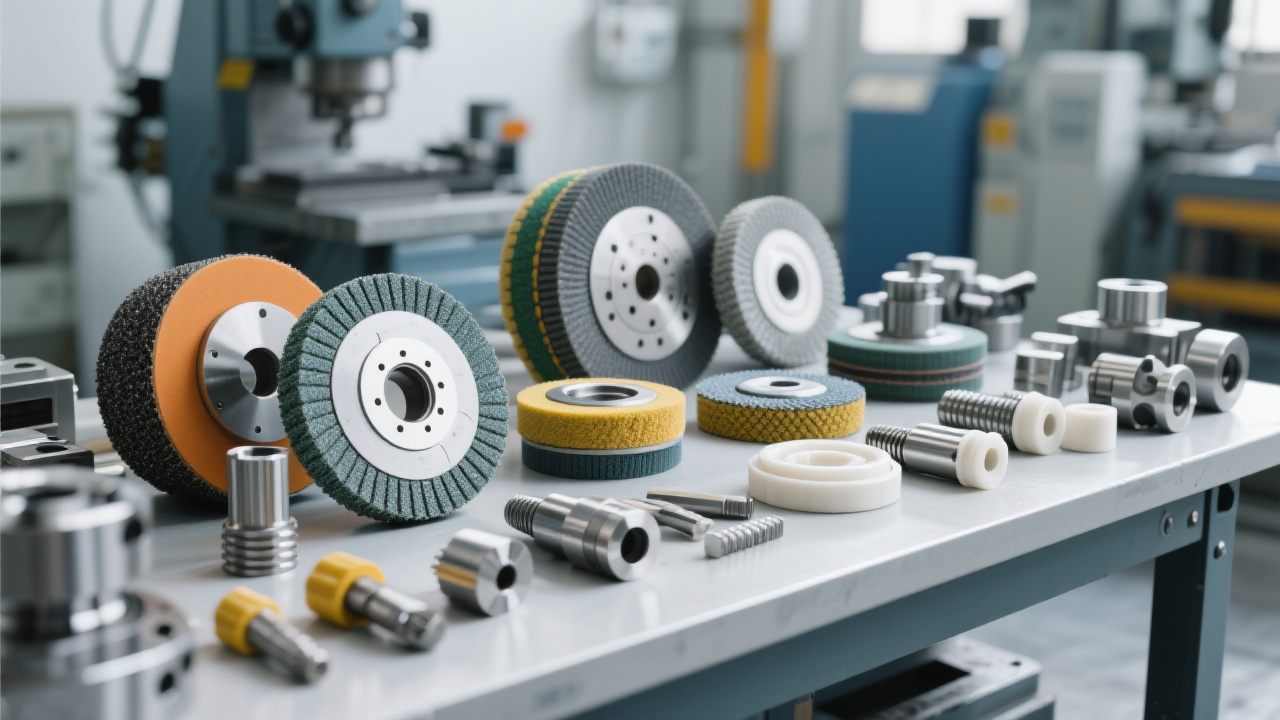
There are many typical failure cases caused by insufficient impact resistance. In some precision mold processing plants, due to the use of grinding wheels with poor impact resistance, the grinding wheels often chip during the grinding process, resulting in the scrapping of workpieces and even damage to the grinding equipment. These cases highlight the importance of selecting grinding wheels with good impact resistance.
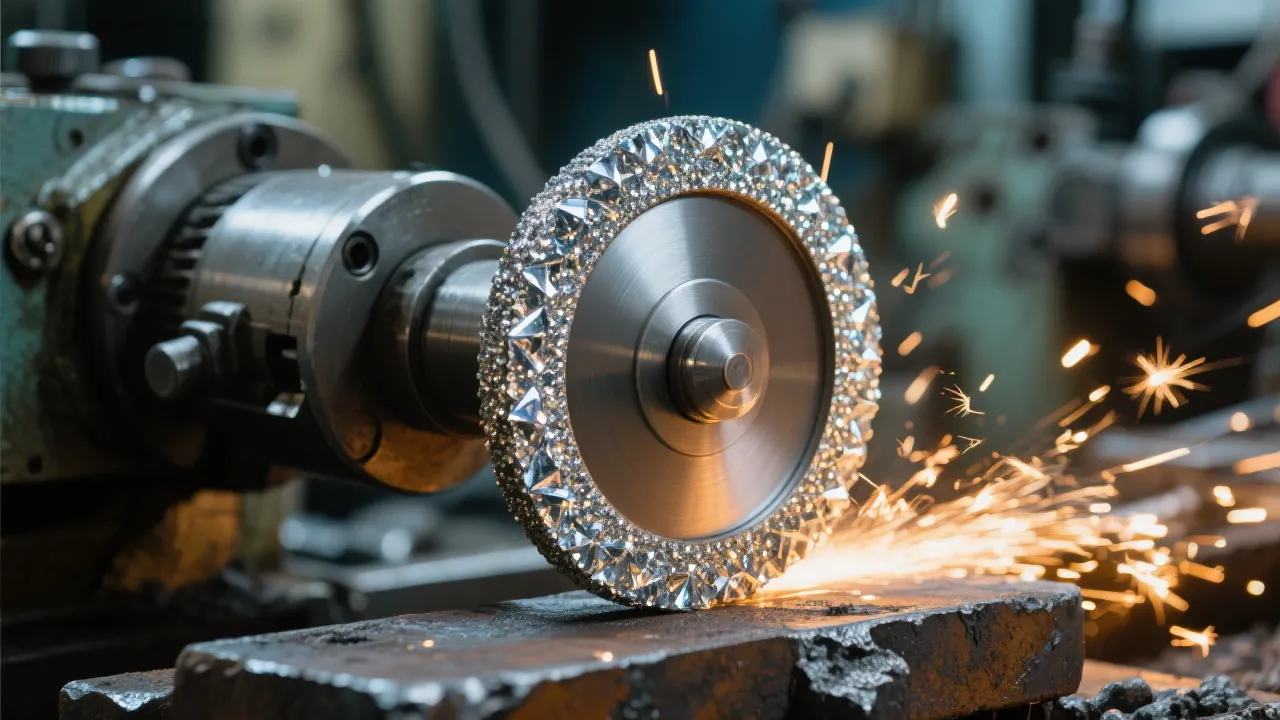
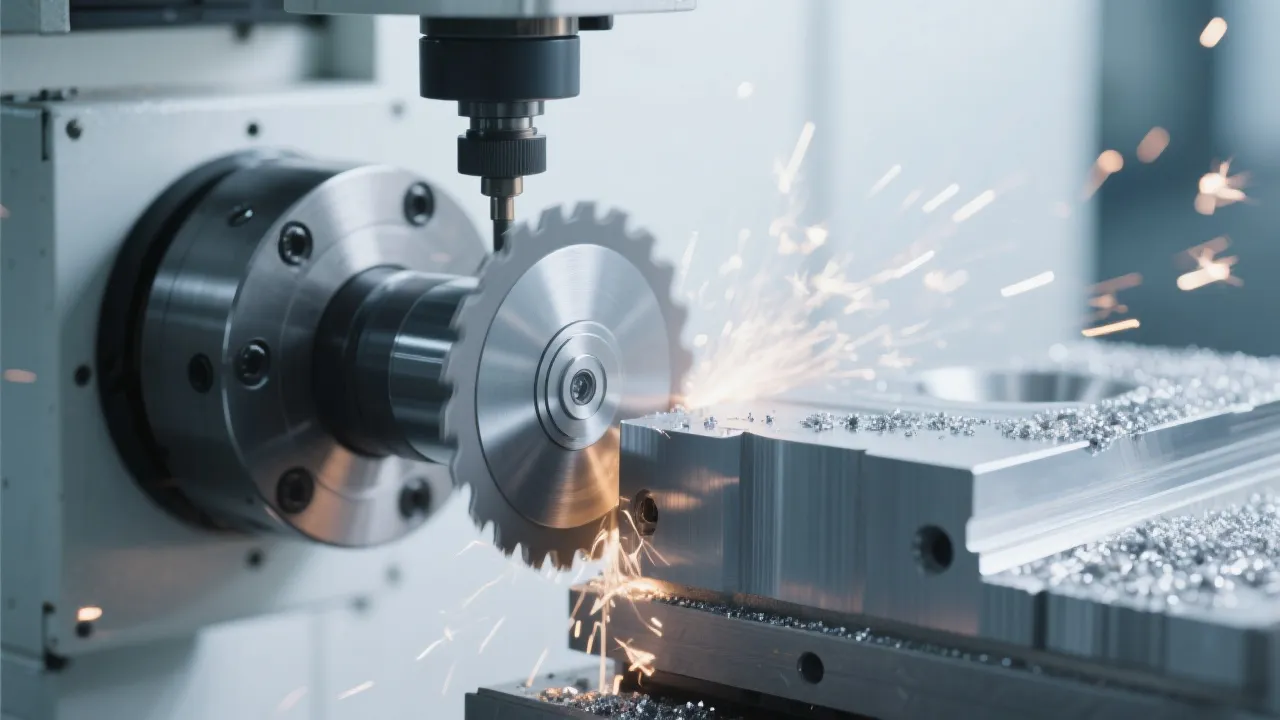
Engineers can use some simple on - site judgment skills to quickly identify high - quality grinding wheels. For example, by listening to the sound and observing the vibration during grinding, they can judge the impact resistance of the grinding wheel. A grinding wheel with good impact resistance will produce a stable and clear sound, and the vibration will be relatively small. In addition, observing the sparks during grinding can also provide some clues. If the sparks are uniform and fine, it indicates that the grinding wheel has good cutting performance and impact resistance.

To learn more about the impact resistance of diamond grinding wheels and get the latest technical information, click here to download our exclusive white paper or consult our experts online.
.png?x-oss-process=image/resize,h_800,m_lfit/format,webp)




.png?x-oss-process=image/resize,h_100,m_lfit/format,webp)
.png?x-oss-process=image/resize,h_100,m_lfit/format,webp)
.png?x-oss-process=image/resize,h_100,m_lfit/format,webp)
.png?x-oss-process=image/resize,h_800,m_lfit/format,webp)



.png?x-oss-process=image/resize,h_800,m_lfit/format,webp)