
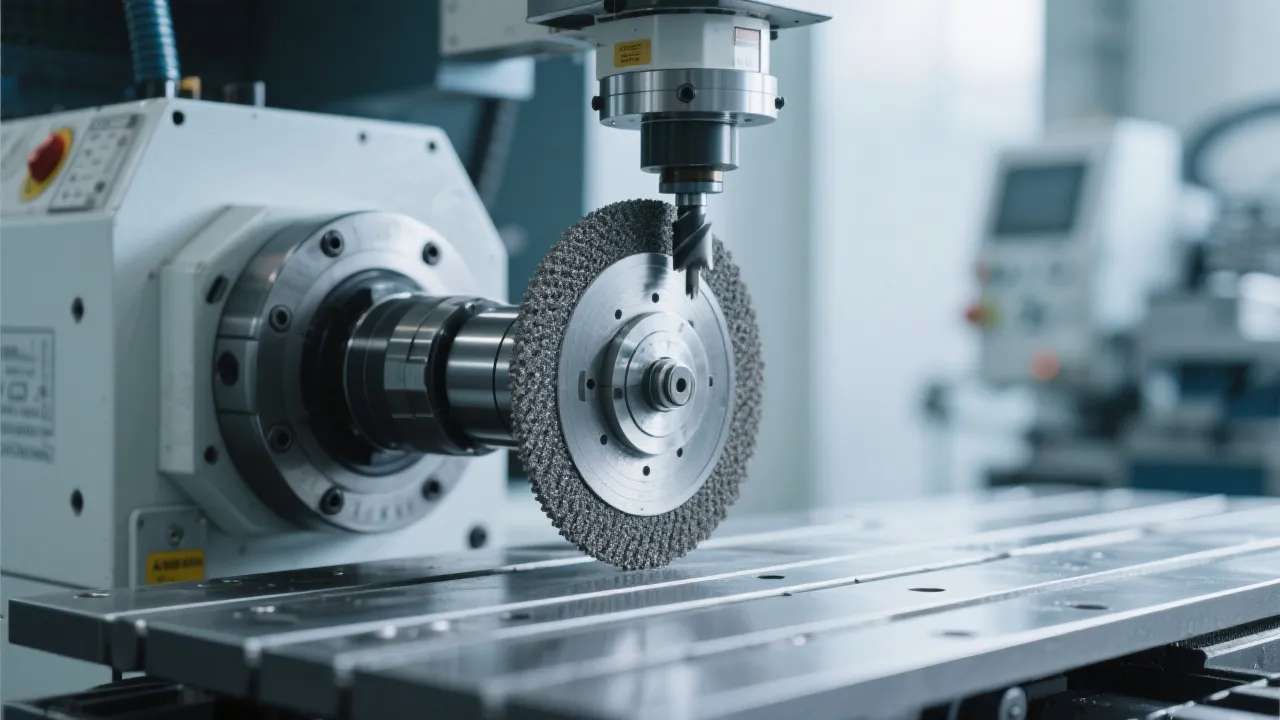
In high-speed and heavy-duty grinding operations, the impact resistance of diamond grinding wheels directly influences machining accuracy and equipment safety. This article delves deep into the core indicators such as flexural strength and fracture toughness, elaborates on the three-point bending test and impact energy absorption test methods, and uses real - world cases to illustrate the risks of chipping and workpiece damage caused by insufficient impact resistance.
High-speed and heavy-duty grinding places extreme demands on diamond grinding wheels. The high rotational speed and large cutting force can subject the grinding wheels to significant impact loads. For example, in some industrial grinding applications with a rotational speed of over 80 m/s and a cutting force of more than 500 N, the grinding wheels need to maintain stable performance under such harsh conditions. However, many traditional grinding wheels may experience problems such as chipping or even breakage, which not only affects the machining quality but also poses a threat to the safety of the operators and the equipment.
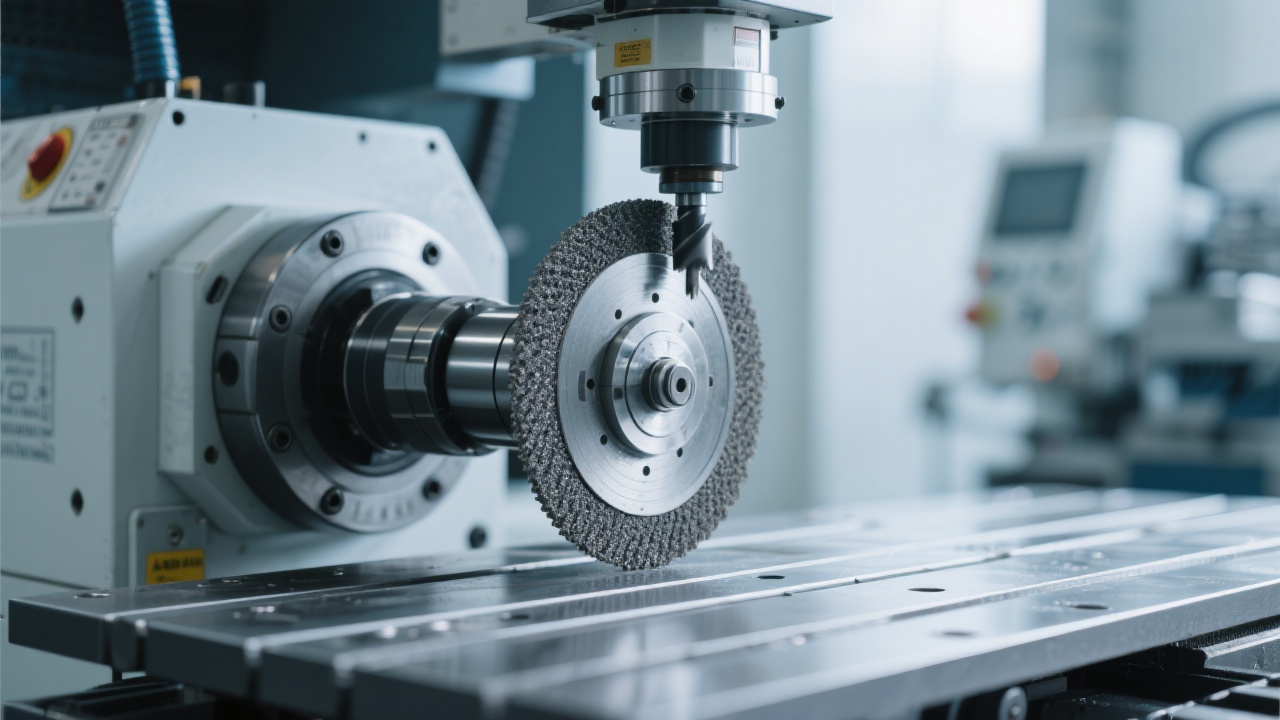
Flexural strength and fracture toughness are two key indicators of the impact resistance of diamond grinding wheels. Flexural strength reflects the ability of the grinding wheel to resist bending under load. A higher flexural strength means that the grinding wheel can withstand greater bending forces without breaking. Fracture toughness, on the other hand, measures the ability of the material to resist crack propagation. In high - speed and heavy - duty grinding, if the fracture toughness of the grinding wheel is insufficient, cracks may easily expand under impact, leading to chipping and affecting the machining accuracy. Research shows that a grinding wheel with a flexural strength of more than 300 MPa and a fracture toughness of over 5 MPa·m1/2 can generally ensure stable performance in most high - speed and heavy - duty grinding operations.
The three - point bending test and the impact energy absorption test are two commonly used methods for testing the impact resistance of diamond grinding wheels. The three - point bending test is suitable for measuring the flexural strength of grinding wheels. It applies a load at the center of a supported grinding wheel specimen and measures the maximum load it can withstand before breaking. The impact energy absorption test, on the other hand, is used to measure the energy absorbed by the grinding wheel during an impact. This test can more directly reflect the impact resistance of the grinding wheel. Generally, for small - scale grinding wheel manufacturers, the three - point bending test is more cost - effective, while large - scale industrial applications may prefer the impact energy absorption test for more accurate results.
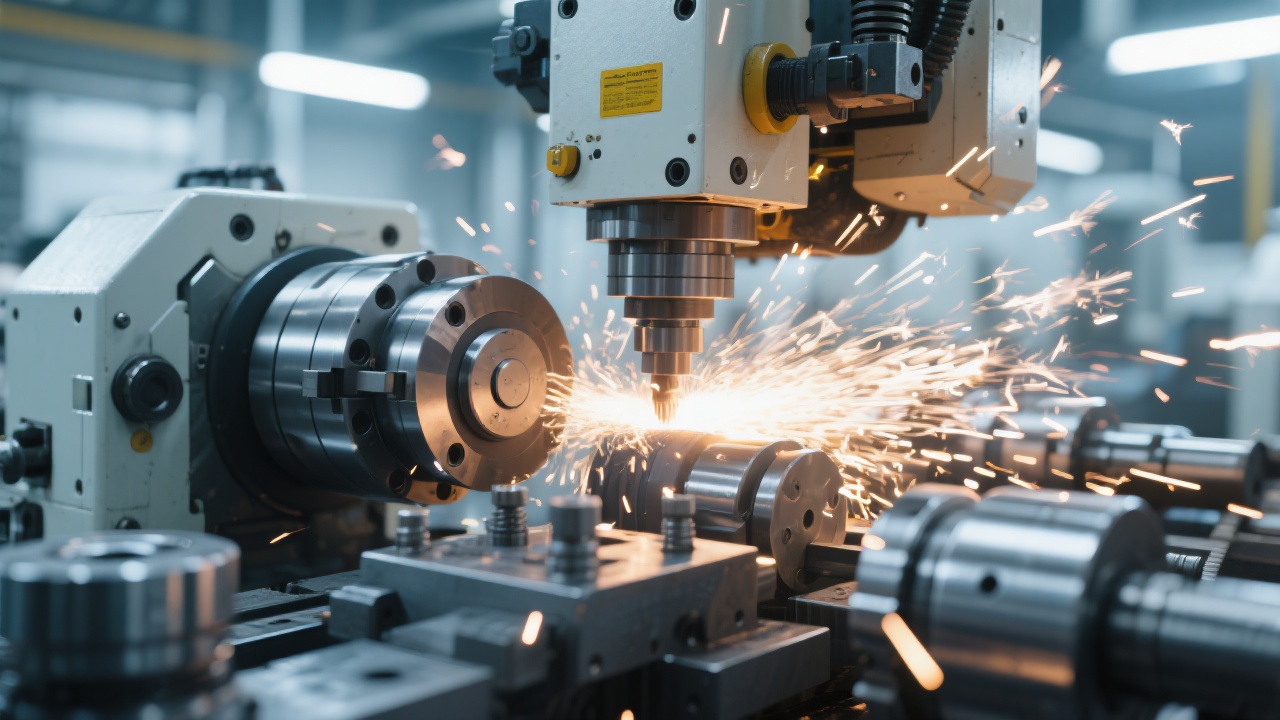
There have been many cases where insufficient impact resistance of diamond grinding wheels has caused economic losses and safety hazards. For instance, in an automotive parts manufacturing plant, a diamond grinding wheel with low impact resistance chipped during high - speed grinding, damaging the workpiece and resulting in a production halt for several hours. The cost of workpiece scrap and production downtime was estimated to be over $10,000. In another case, a broken grinding wheel fragment flew out during operation, causing minor injuries to an operator. These cases highlight the importance of ensuring the impact resistance of diamond grinding wheels.
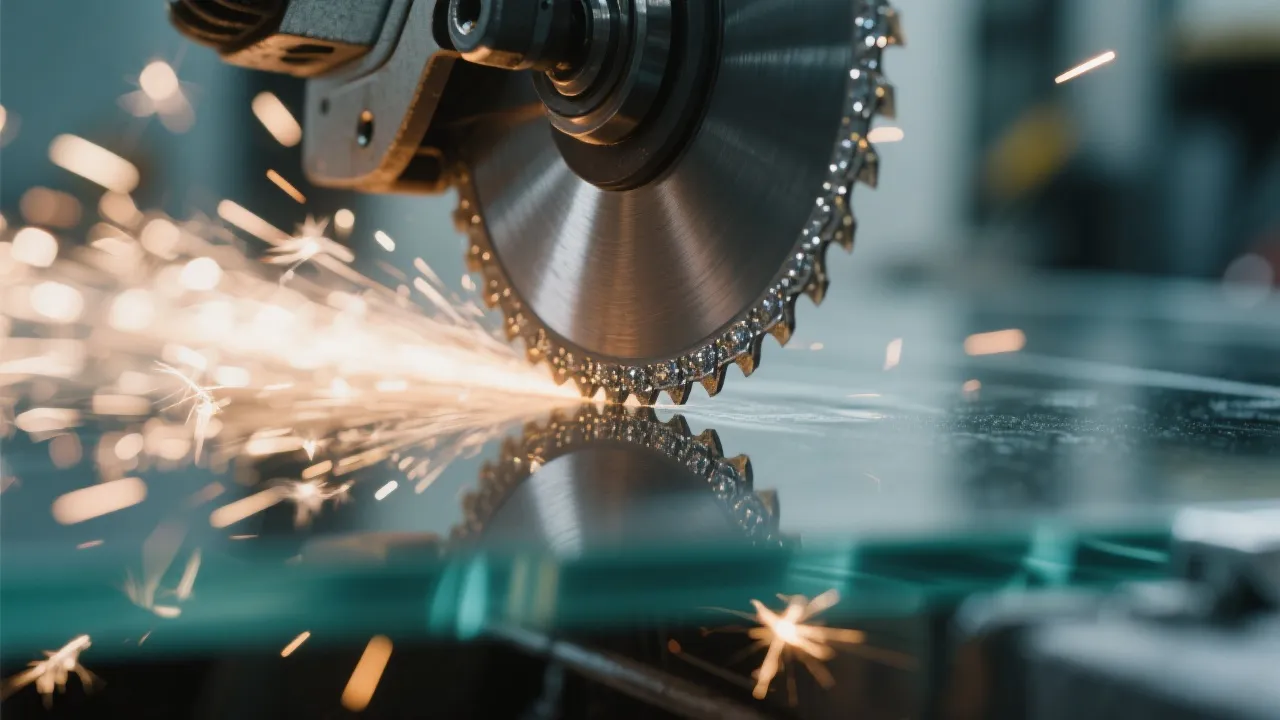
Engineers can use some simple methods to quickly assess the quality of diamond grinding wheels. By listening to the sound during grinding, a smooth and consistent sound usually indicates a good - quality grinding wheel, while abnormal noises may suggest problems. Observing the sparks can also provide clues. Uniform and bright sparks often mean stable grinding performance. Additionally, measuring the vibration of the grinding equipment can help detect any irregularities. Excessive vibration may be a sign of a low - quality or worn - out grinding wheel.
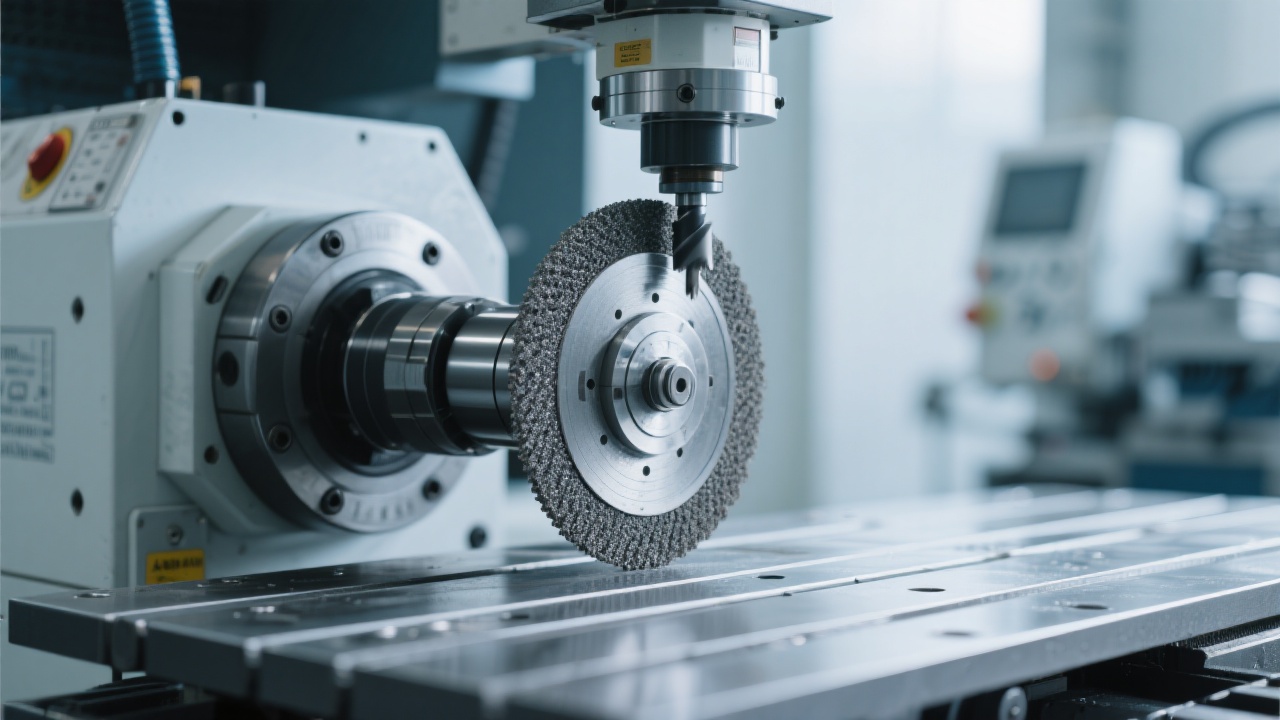
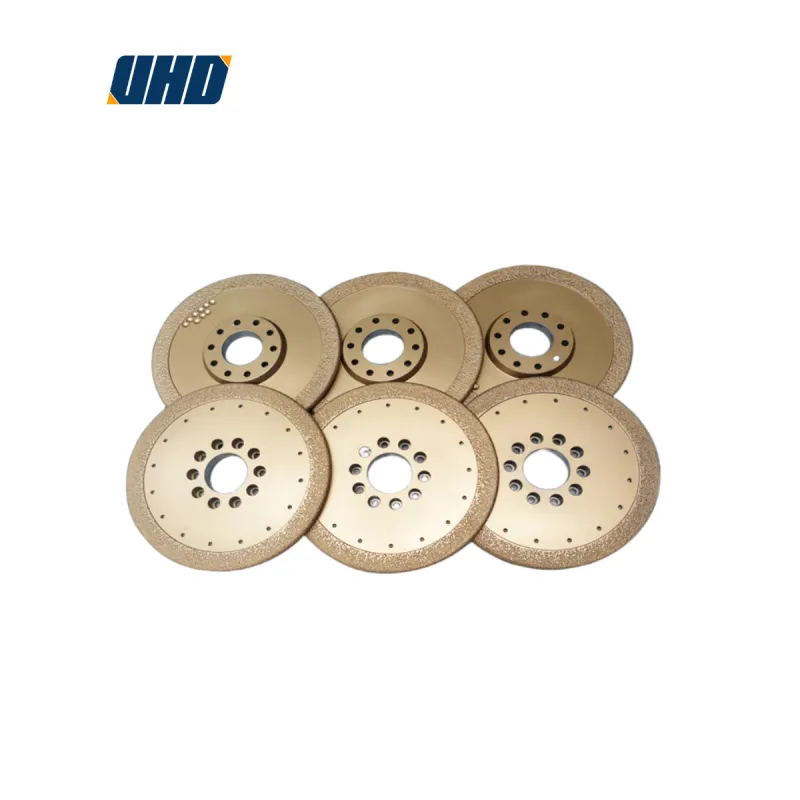
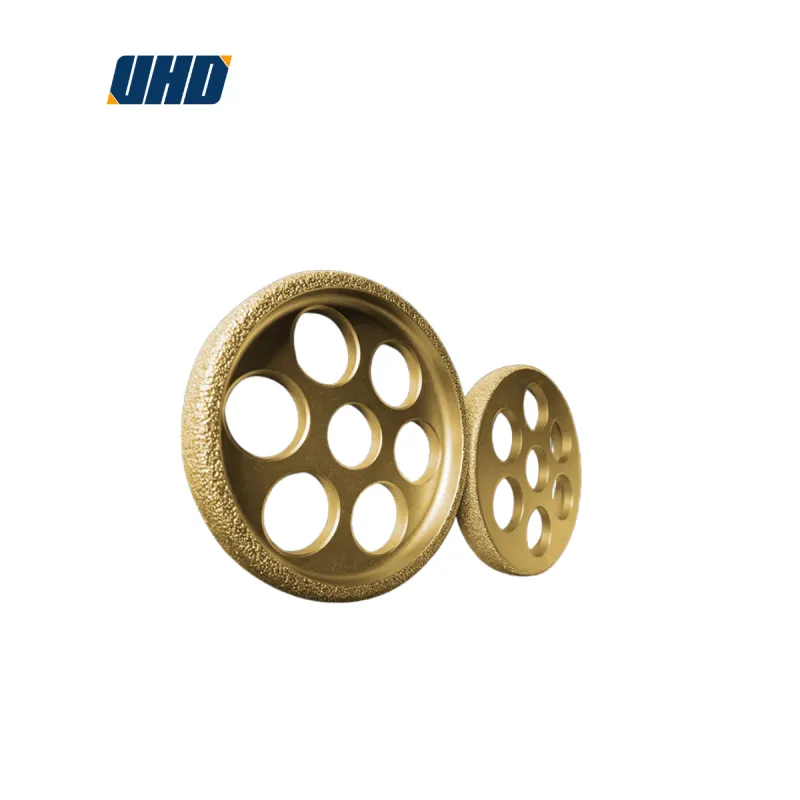
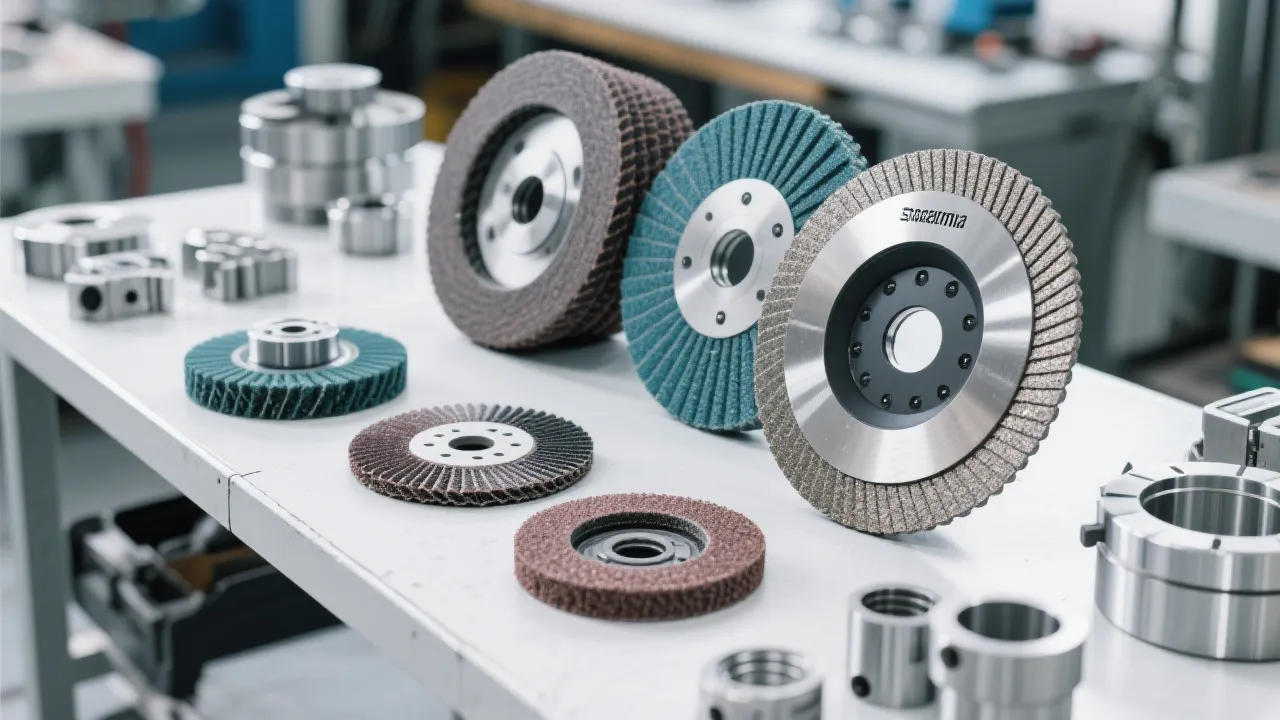
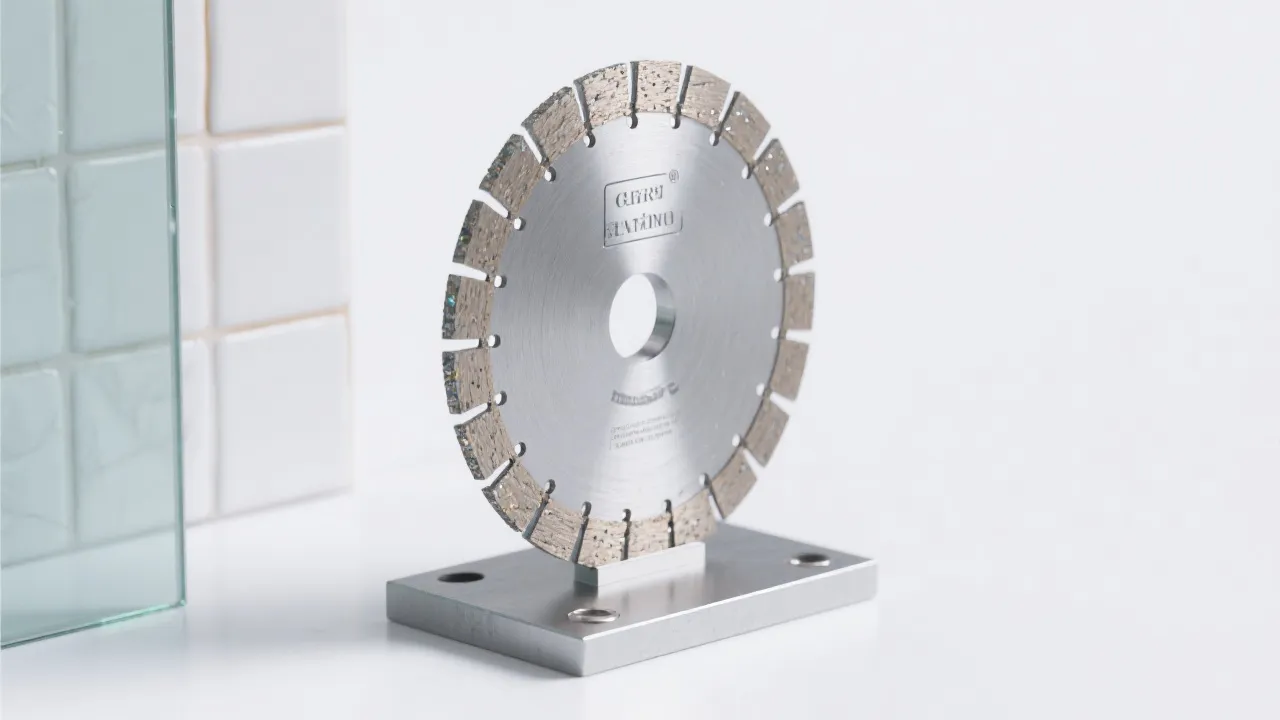
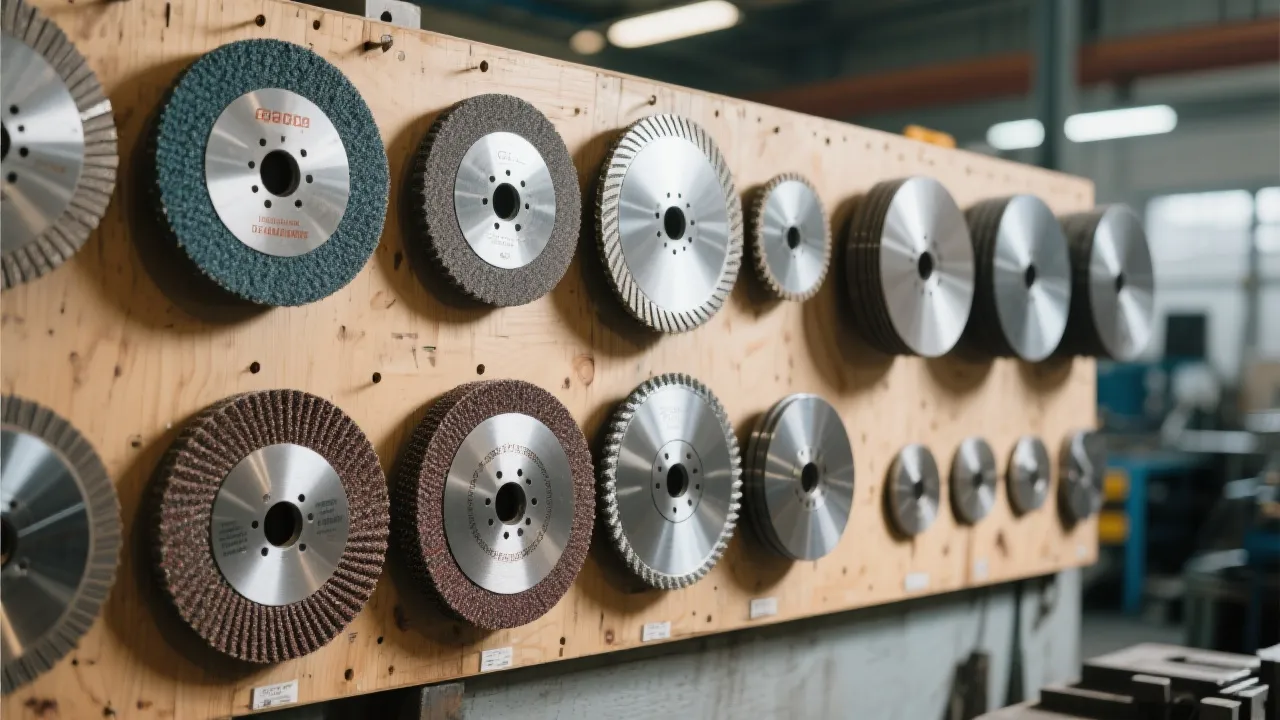
UHD brazed diamond grinding wheels have shown excellent reliability in extreme conditions. Their unique brazing technology enhances the bonding strength between the diamond and the substrate, improving the overall impact resistance and wear resistance. In some high - precision and high - load grinding applications, UHD brazed diamond grinding wheels can maintain stable performance for a longer time, reducing the frequency of wheel replacement and improving production efficiency.
Are you interested in learning more about the selection of diamond grinding wheels? Do you have any questions about the impact resistance testing methods? Share your thoughts and questions in the comments below!
If you're looking to optimize your diamond tool selection for high - speed and heavy - duty grinding, get your free tool selection reference manual now!

.png?x-oss-process=image/resize,h_800,m_lfit/format,webp)
 high impact resistant diamond grinding wheels
diamond grinding wheel impact testing
grinding wheel fracture toughness
industrial grinding tool selection
diamond wheel bending strength
High - wear - resistant brazed diamond grinding disk
Diamond grinding disk aperture selection guide
Curved grinding customization solution
Stainless steel grinding disk customization
Industrial brazed grinding disk technology
brazed diamond grinding wheel
glass ceramic machining
precision grinding tools
industrial diamond tools
diamond grinding wheel selection
Brazed diamond grinding discs
Heavy-duty grinding efficiency
Wear-resistant diamond tools
Stainless steel high-efficiency grinding solutions
Industrial-grade grinding disc lifespan improvement
Brazed diamond grinding disks
Curved custom grinding disks
Precision grinding solutions
Industrial grinding tools
Multi - specification diamond grinding disks
high impact resistant diamond grinding wheels
diamond grinding wheel impact testing
grinding wheel fracture toughness
industrial grinding tool selection
diamond wheel bending strength
High - wear - resistant brazed diamond grinding disk
Diamond grinding disk aperture selection guide
Curved grinding customization solution
Stainless steel grinding disk customization
Industrial brazed grinding disk technology
brazed diamond grinding wheel
glass ceramic machining
precision grinding tools
industrial diamond tools
diamond grinding wheel selection
Brazed diamond grinding discs
Heavy-duty grinding efficiency
Wear-resistant diamond tools
Stainless steel high-efficiency grinding solutions
Industrial-grade grinding disc lifespan improvement
Brazed diamond grinding disks
Curved custom grinding disks
Precision grinding solutions
Industrial grinding tools
Multi - specification diamond grinding disks




.png?x-oss-process=image/resize,h_100,m_lfit/format,webp)
.png?x-oss-process=image/resize,h_100,m_lfit/format,webp)
.png?x-oss-process=image/resize,h_100,m_lfit/format,webp)
.png?x-oss-process=image/resize,h_800,m_lfit/format,webp)
