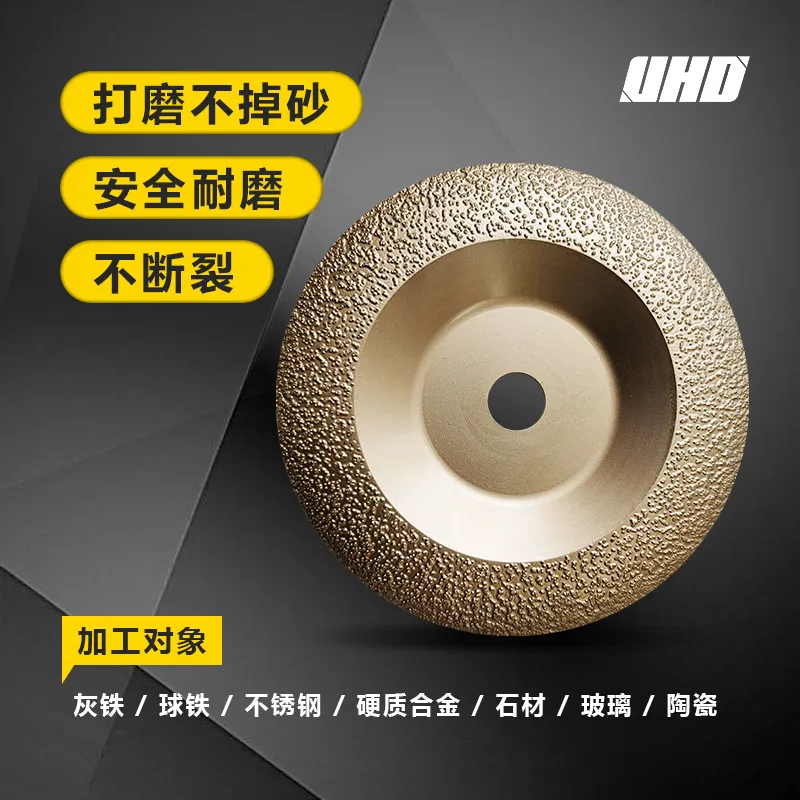
In high-load grinding applications—such as machining stainless steel, cast iron, or ceramic components—tool failure isn’t just costly—it’s disruptive. A single misaligned or improperly maintained diamond wheel can lead to inconsistent finishes, increased downtime, and premature wear. But with the right approach, these issues are not inevitable.
“We saw a 15% increase in production output per shift after switching to properly installed braze-bonded wheels,” says Mark Thompson, Senior Process Engineer at a German automotive parts manufacturer. “It wasn’t just about the tool—it was how we treated it.”
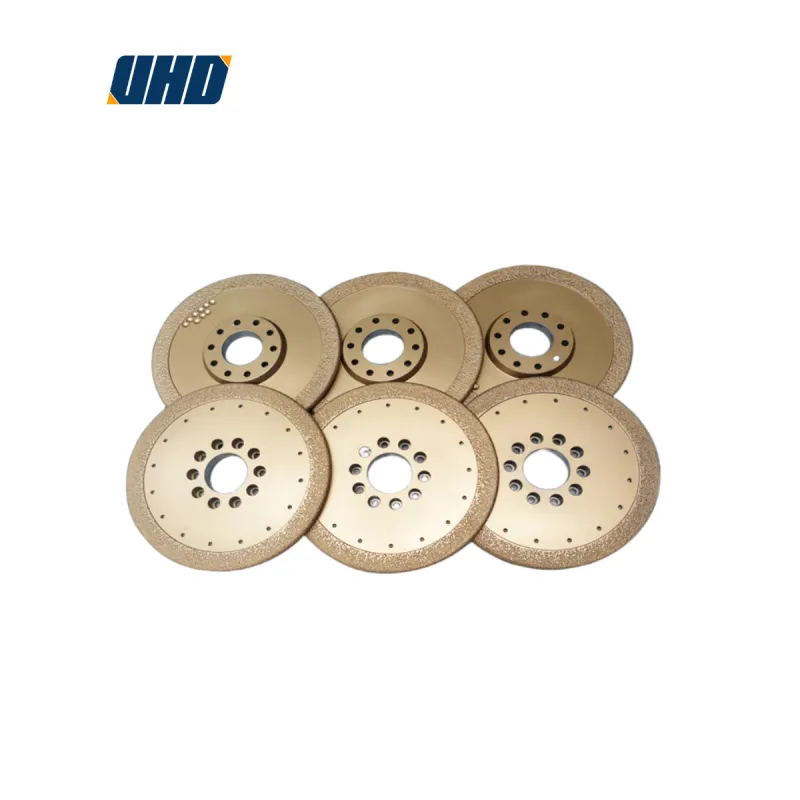
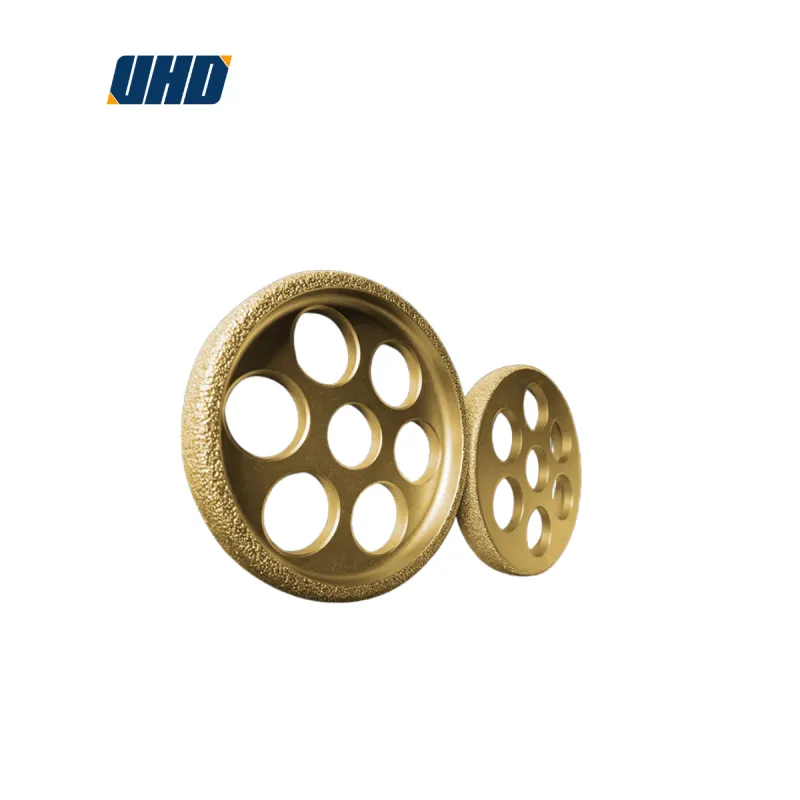
Traditional sintered or electroplated diamond wheels often suffer from uneven grain distribution and weak interfacial strength under thermal stress. In contrast, UHD’s advanced brazing process ensures diamond particles are uniformly distributed at densities up to 120 carats per square inch, with bond strengths exceeding 400 MPa. This translates directly into:
Field tests conducted across 12 industrial sites show consistent performance improvements when using braze-bonded wheels:
| Material | Avg. Wheel Life (hrs) | Surface Finish (Ra, µm) |
|---|---|---|
| Gray Cast Iron | 18.7 hrs | 0.8 |
| AISI 304 Stainless Steel | 14.2 hrs | 1.1 |
| Ceramic Matrix Composites | 10.5 hrs | 0.6 |
To maximize both safety and performance:
Whether you're managing a CNC grinding cell or an automated polishing line, understanding how to install and maintain your braze-bonded diamond wheels is key to reducing waste, boosting throughput, and minimizing unplanned downtime.
Explore UHD's Global Technical Support Network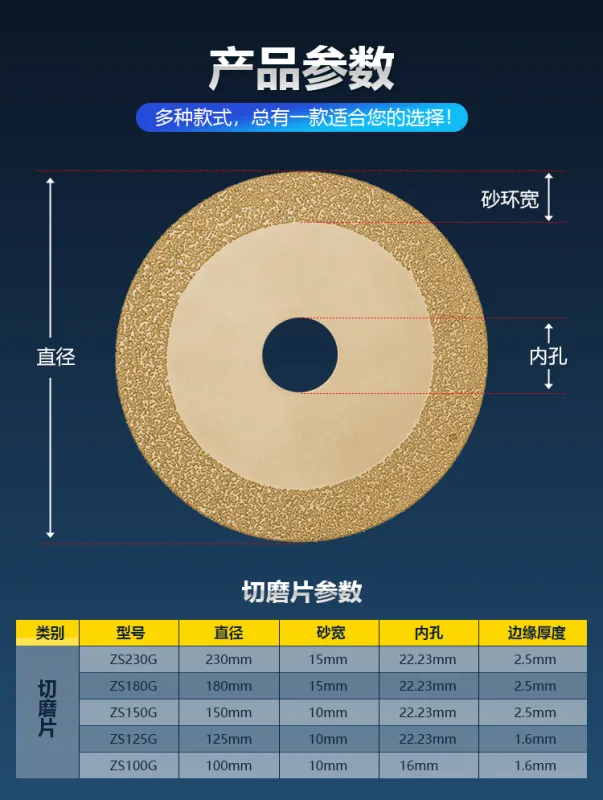

 custom diamond grinding wheels
brazed diamond wheel solutions
complex surface grinding
high-strength material grinding
industrial grinding optimization
brazed diamond grinding wheel failure
diamond grinding wheel lifespan extension
efficient abrasive tools for hard materials
grinding wheel troubleshooting guide
customized diamond wheel design
brazed diamond wheel
diamond grinding wheel durability
impact-resistant grinding tools
high-speed grinding solutions
custom industrial grinding tools
brazed diamond grinding wheel
impact resistance testing
grinding stability optimization
industrial diamond tools
125mm grinding disc
diamond grinding disc design
material-specific grinding solutions
precision grinding for aerospace
diamond tool selection guide
thermal management in grinding
custom diamond grinding wheels
brazed diamond wheel solutions
complex surface grinding
high-strength material grinding
industrial grinding optimization
brazed diamond grinding wheel failure
diamond grinding wheel lifespan extension
efficient abrasive tools for hard materials
grinding wheel troubleshooting guide
customized diamond wheel design
brazed diamond wheel
diamond grinding wheel durability
impact-resistant grinding tools
high-speed grinding solutions
custom industrial grinding tools
brazed diamond grinding wheel
impact resistance testing
grinding stability optimization
industrial diamond tools
125mm grinding disc
diamond grinding disc design
material-specific grinding solutions
precision grinding for aerospace
diamond tool selection guide
thermal management in grinding



.png?x-oss-process=image/resize,h_100,m_lfit/format,webp)
.png?x-oss-process=image/resize,h_100,m_lfit/format,webp)
.png?x-oss-process=image/resize,h_100,m_lfit/format,webp)
.png?x-oss-process=image/resize,h_800,m_lfit/format,webp)