
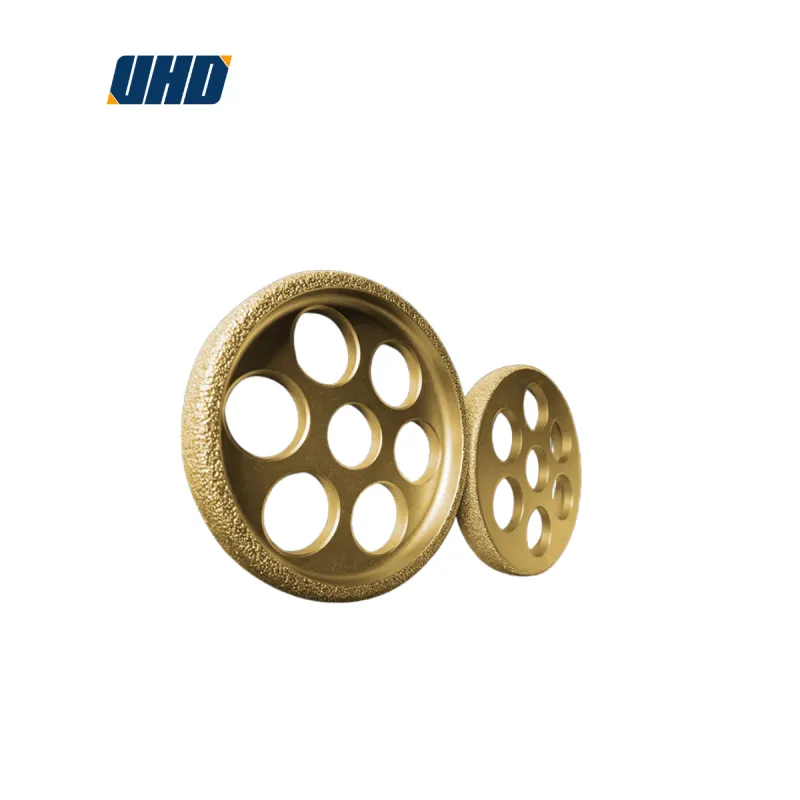
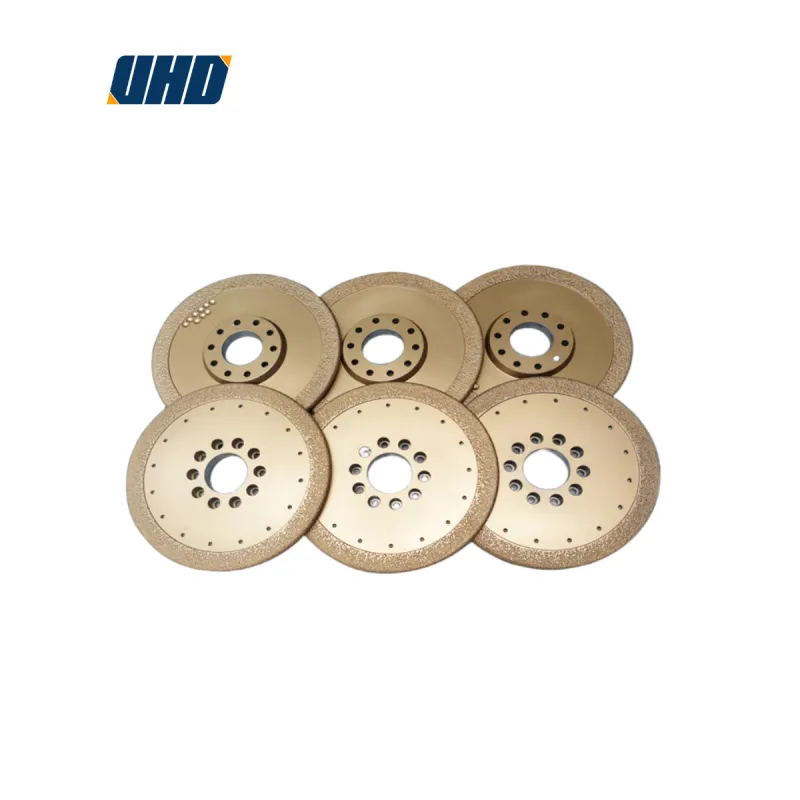
As an industrial user, you know that every minute of downtime in your grinding process directly impacts productivity and profit margins. If your brazed diamond grinding discs are showing signs of premature wear—like chipping, reduced cutting efficiency, or uneven surface finish—you’re not alone.
| Issue | Typical Cause | Impact on Productivity |
|---|---|---|
| Diamond Segments Falling Off | Improper clamping force or incorrect brazing alloy selection | Up to 30% increase in unplanned stops per shift |
| Rapid Wear Rate | Wrong grit size for material hardness (e.g., using 40-60 mesh on hardened steel) | 20–40% shorter disc life vs. optimal setup |
| Edge Chipping / Cracking | Insufficient coolant flow or excessive feed rate | ~25% higher risk of part rejection due to edge defects |
“After switching to a custom-grit brazed disc based on our workpiece material, we saw a 37% reduction in tool change frequency over three months.”
— Maria Lopez, Production Manager at Precision Metalworks Inc., USA
You might be asking: "Is this really fixable?" Yes—it starts with identifying the root cause before it becomes a systemic issue. A simple daily check list can prevent up to 60% of common failures, according to a 2023 study from the International Association of Abrasive Technology.
These steps may seem basic—but they’re often overlooked. In fact, 72% of users who reported consistent performance had implemented a structured maintenance routine within six weeks of starting use (source: 2024 Global Grinding Survey).
And remember: even the best tools fail if the environment isn’t right. That’s why smart manufacturers now integrate predictive analytics into their maintenance workflows—not just reactive fixes.
Want to see how your current setup stacks up? Download Our Free Grinding Disc Health Check PDF — includes a printable checklist and real-world case studies from similar industries.
.png?x-oss-process=image/resize,h_800,m_lfit/format,webp)


.png?x-oss-process=image/resize,h_100,m_lfit/format,webp)
.png?x-oss-process=image/resize,h_100,m_lfit/format,webp)
.png?x-oss-process=image/resize,h_100,m_lfit/format,webp)
.png?x-oss-process=image/resize,m_fill,h_800,w_800/format,webp)