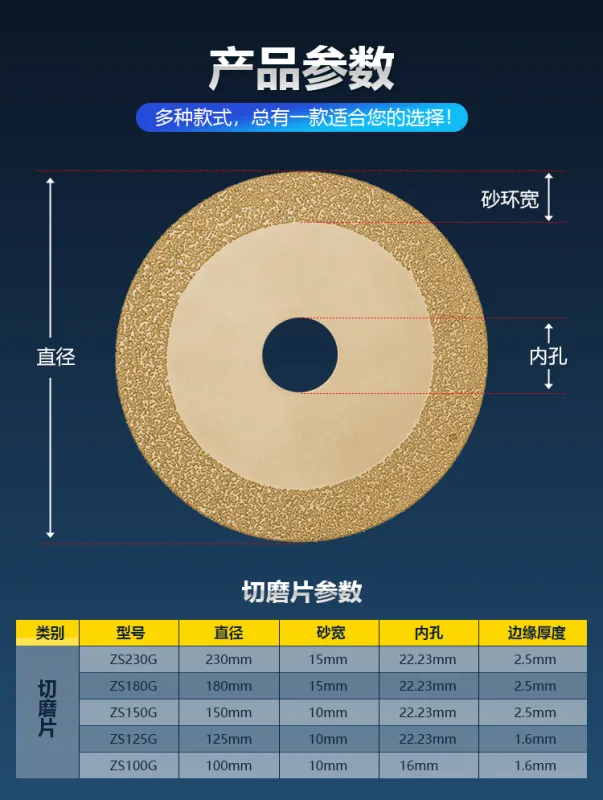
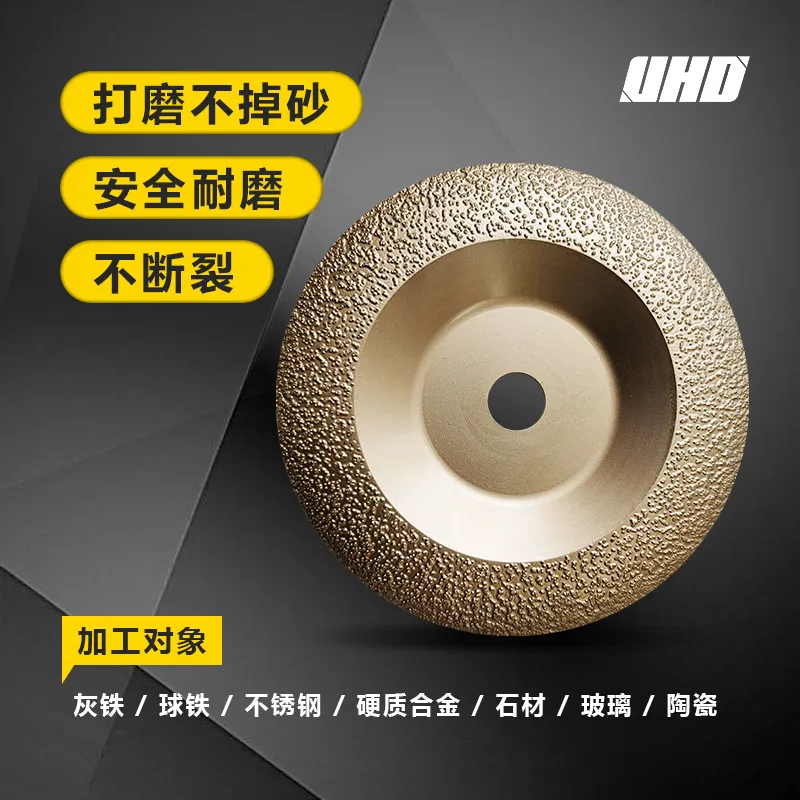
The utilization of 125mm brazed diamond grinding wheels in industrial machining has revolutionized manufacturing efficiency across diverse materials such as gray cast iron, stainless steel, tungsten carbide, and advanced ceramics. This guide unpacks how scientific maintenance and accurately following usage protocols can dramatically extend the service life of these wheels, ensuring consistent processing quality while reducing operational costs.
Traditional grinding tools often exhibit premature wear and failure due to uneven abrasive grain distribution, suboptimal bonding, and inadequate structural integrity. These issues result in downtime, increased replacement frequency, and diminished production throughput.
By contrast, brazed diamond grinding wheels leverage advanced brazing technology which fuses diamond grains directly onto the metal core, ensuring superior abrasive adhesion. This construction imparts enhanced shock resistance and maintains sharpness under high load conditions, translating into performance gains of up to 30% increased production speed and a reduction in single-piece processing cost by approximately $0.15 to $0.25 per item, based on documented industrial case studies.
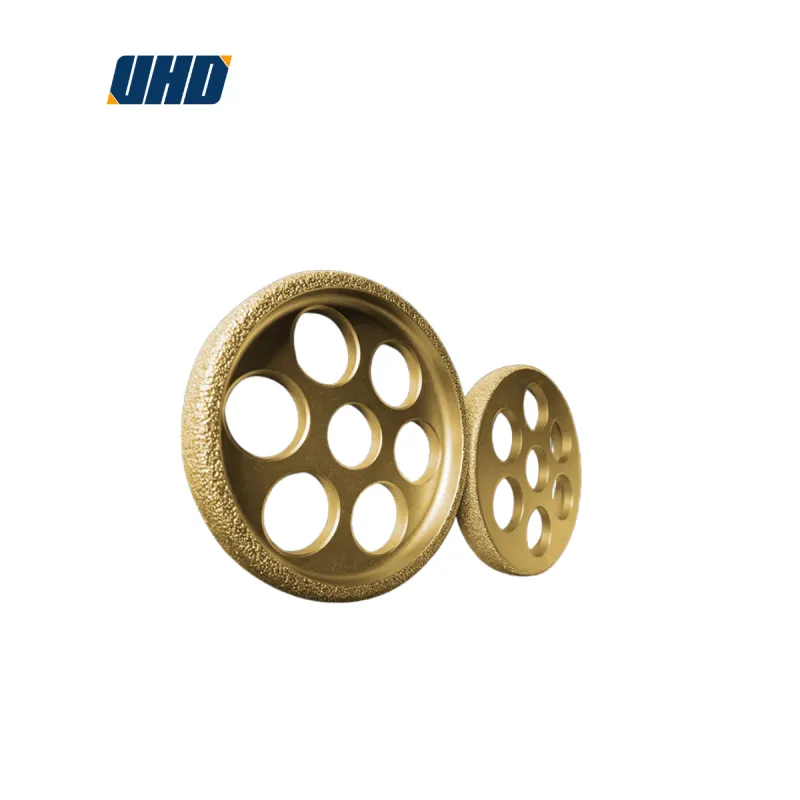
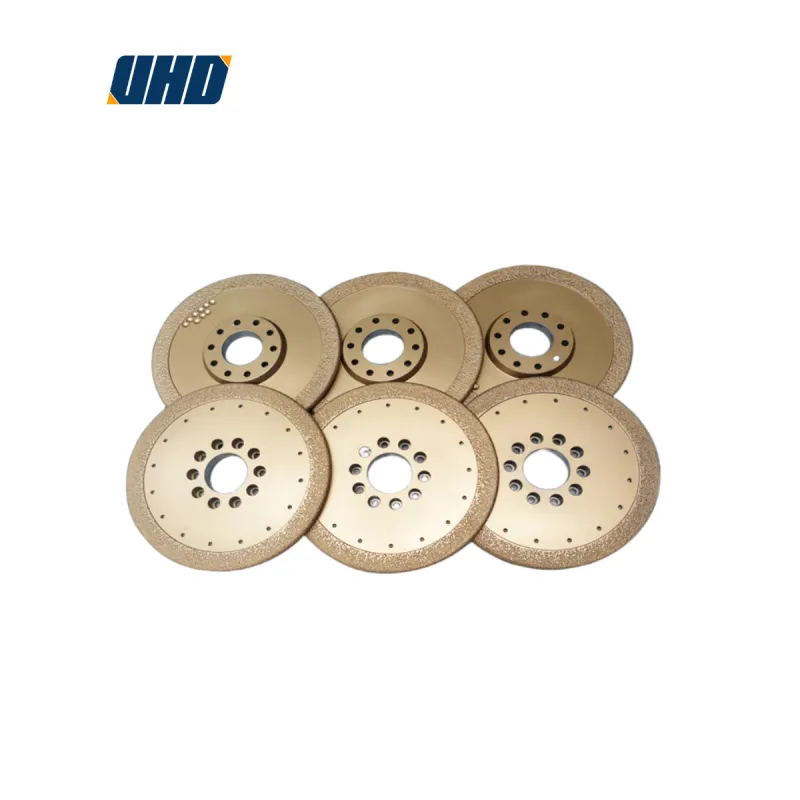
UHD (Ultra High-Density) grinding wheels exemplify the latest in diamond distribution and bonding methodologies. Their microstructure features a uniform, technologically optimized diamond grain arrangement embedded via state-of-the-art brazing, creating a robust abrasive matrix. This design delivers stable cutting forces, minimal vibration, and superior durability, particularly when machining challenging materials:
“After switching to brazed diamond grinding wheels with UHD technology, our plant experienced a 27% rise in grinding throughput and a 22% decrease in wheel-related maintenance downtime.” – Industrial Test Report, Q1 2024
These enhancements are complemented by adherence to ISO 9001 quality management standards, which ensure each grinding wheel batch undergoes rigorous testing for concentricity, bond strength, and diamond grain integrity. This standardization builds buyer confidence and aligns product performance with global industrial benchmarks.
To fully harness the advantages, operators and maintenance teams should integrate the following best practices:
Efficiency gains are tightly correlated with correct wheel selection. For example:
| Material | Optimal Wheel Characteristics | Typical Benefits |
|---|---|---|
| Gray Cast Iron | Coarse diamond grit with moderate bond strength | Minimized wheel loading; superior surface finish |
| Stainless Steel | Fine grit with thermally stable bond | Extended wheel life; cool cutting reduces heat damage |
| Tungsten Carbide | Ultra-fine grit with maximum bond hardness | Sustained sharpness; optimal efficiency* |
| Ceramics | Robust bond with shock resistant grain layout | Prevents wheel fractures during brittle material cutting |
*Benefits may vary depending on operation specifics and machine configuration.
A manufacturing plant specializing in automotive parts reported transitioning to UHD brazed diamond grinding wheels for their stainless steel components resulted in:
This translates to significant savings in tooling costs and reduced unplanned downtime, directly impacting the plant’s bottom line.
Ready to unlock optimized throughput and lower costs? Get Your Customized Brazed Diamond Wheel Selection Guide
.png?x-oss-process=image/resize,h_800,m_lfit/format,webp)



.png?x-oss-process=image/resize,h_100,m_lfit/format,webp)
.png?x-oss-process=image/resize,h_100,m_lfit/format,webp)
.png?x-oss-process=image/resize,h_100,m_lfit/format,webp)