
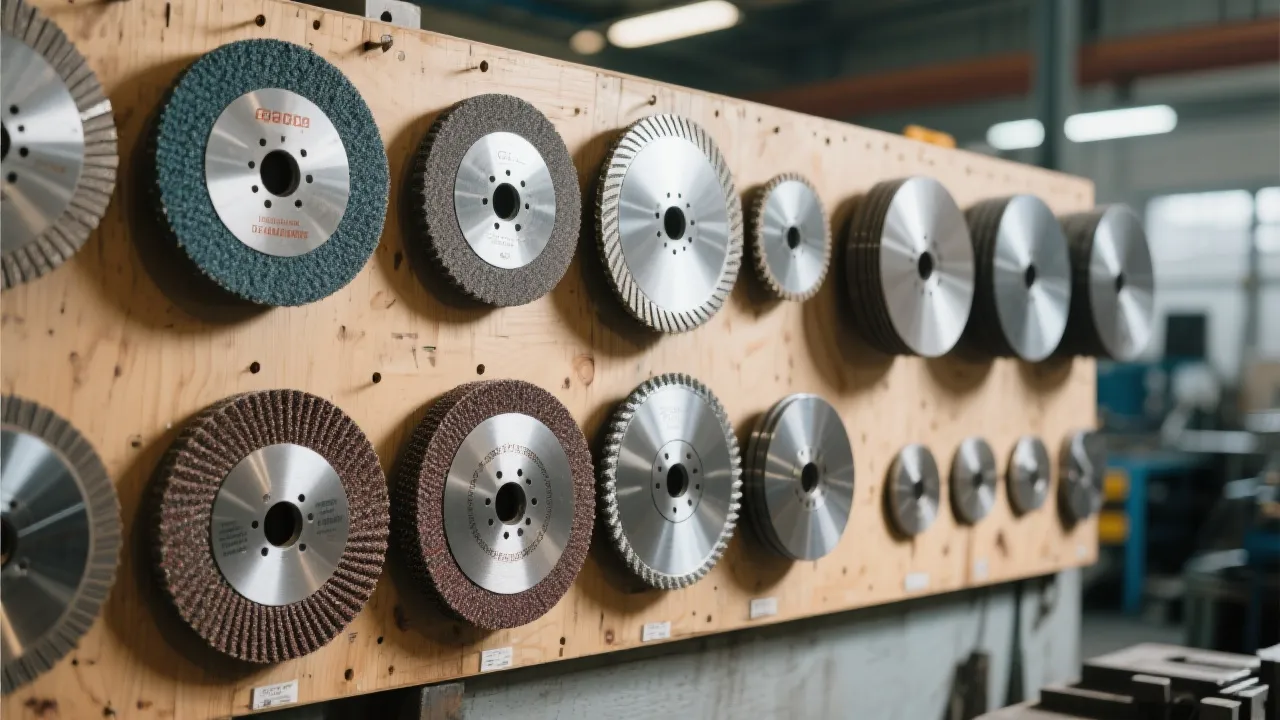
High-Performance Grinding for Hard Materials
If your carbide grinding line keeps getting slowed down by short wheel life, unstable edge quality, or frequent dressing, the issue is rarely “operator skill.” In most cases, it’s wheel structure, bond strength, and heat management. This guide walks you through how brazed diamond grinding wheels achieve a practical performance leap over conventional sintered wheels—and how you can choose the right specification for ceramics, stainless steel, stone, and other high-strength materials without guessing.
You’ll get: a clear explanation of the brazing advantage, a material-based selection checklist, a quick self-test, and real-world customization outcomes (yield, changeover frequency, and consistency).
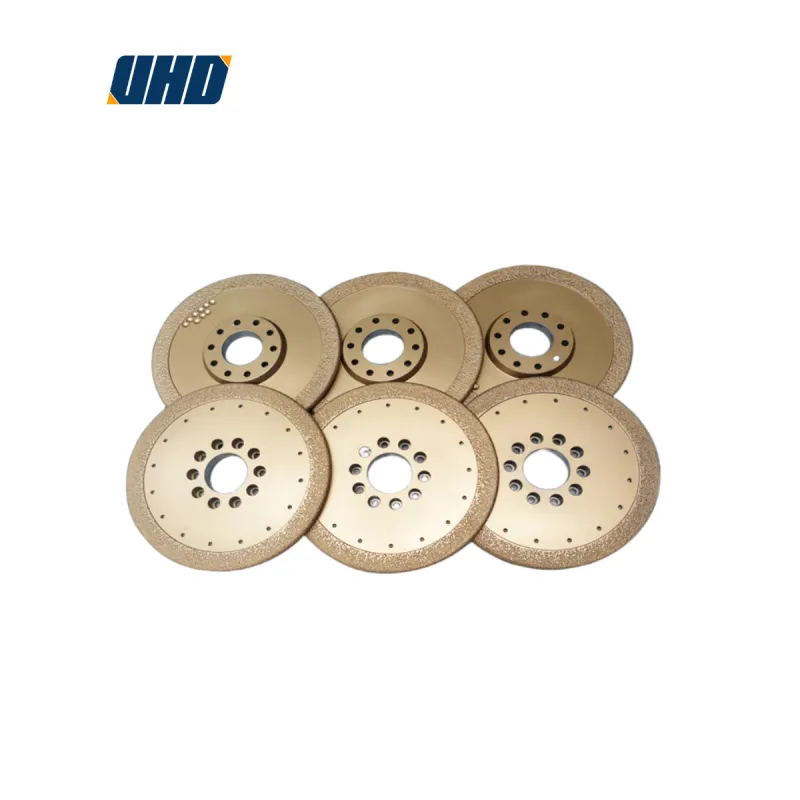
In plain terms, the difference is how firmly each diamond grain is anchored and how well it can keep cutting under load. A brazed diamond wheel uses a metallurgical bond to “lock” diamond particles onto the wheel body. A sintered wheel relies more on a matrix that gradually wears to expose new abrasives. That exposure mechanism works—until you hit demanding conditions like carbide edges, interrupted cuts, thin walls, or aggressive feed rates.
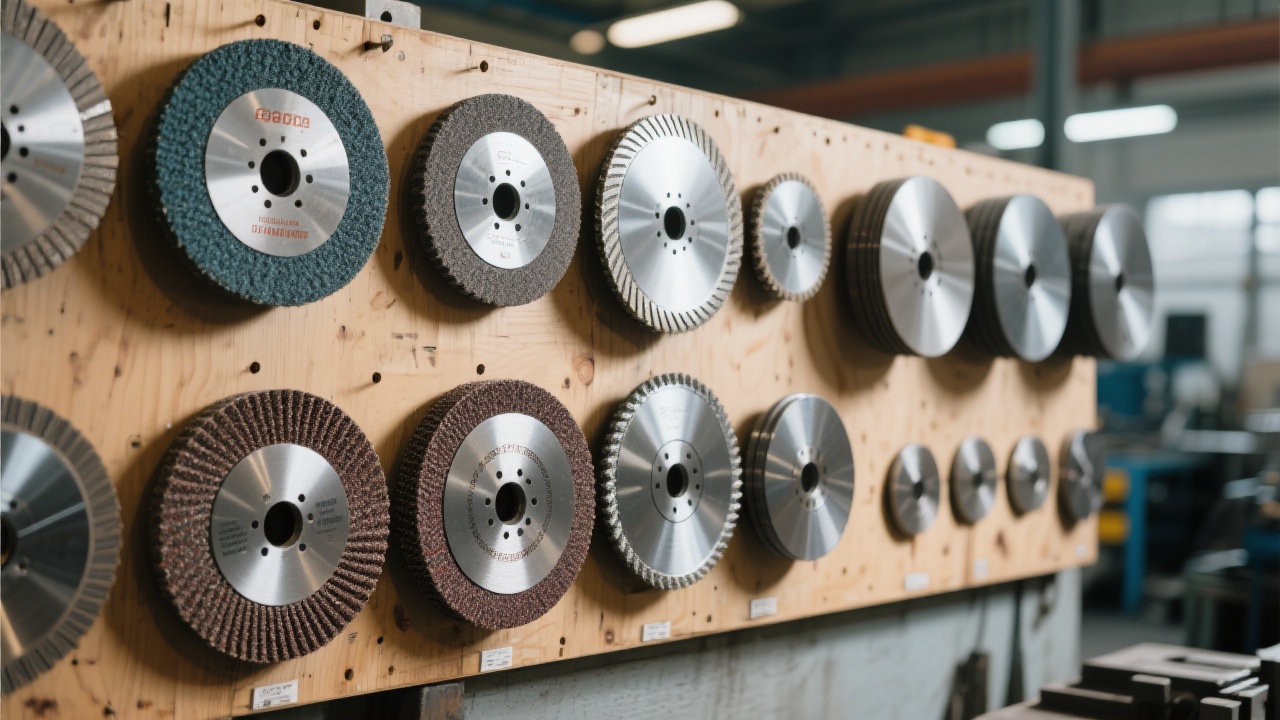
Actual results depend on material grade, coolant, machine rigidity, and parameters. But in many high-load applications, brazed wheels can deliver a meaningful improvement in usable life and consistency compared with general-purpose sintered wheels. Below is a reference comparison from typical industrial use cases (carbide and hard ceramics, wet grinding, moderate-to-aggressive feeds).
Wear-Life Index (Higher is Better)
Edge Stability Index (Less Chipping / Less Drift)
Reference note: indices reflect typical observations such as reduced dressing frequency and more stable surface finish (e.g., maintaining Ra targets longer) under comparable conditions.
When buyers say “We need a diamond grinding wheel,” what they really mean is: “We need a wheel that controls fracture, heat, and chip evacuation for our specific workpiece.” Use the selection logic below to match the wheel to how your material fails during grinding.
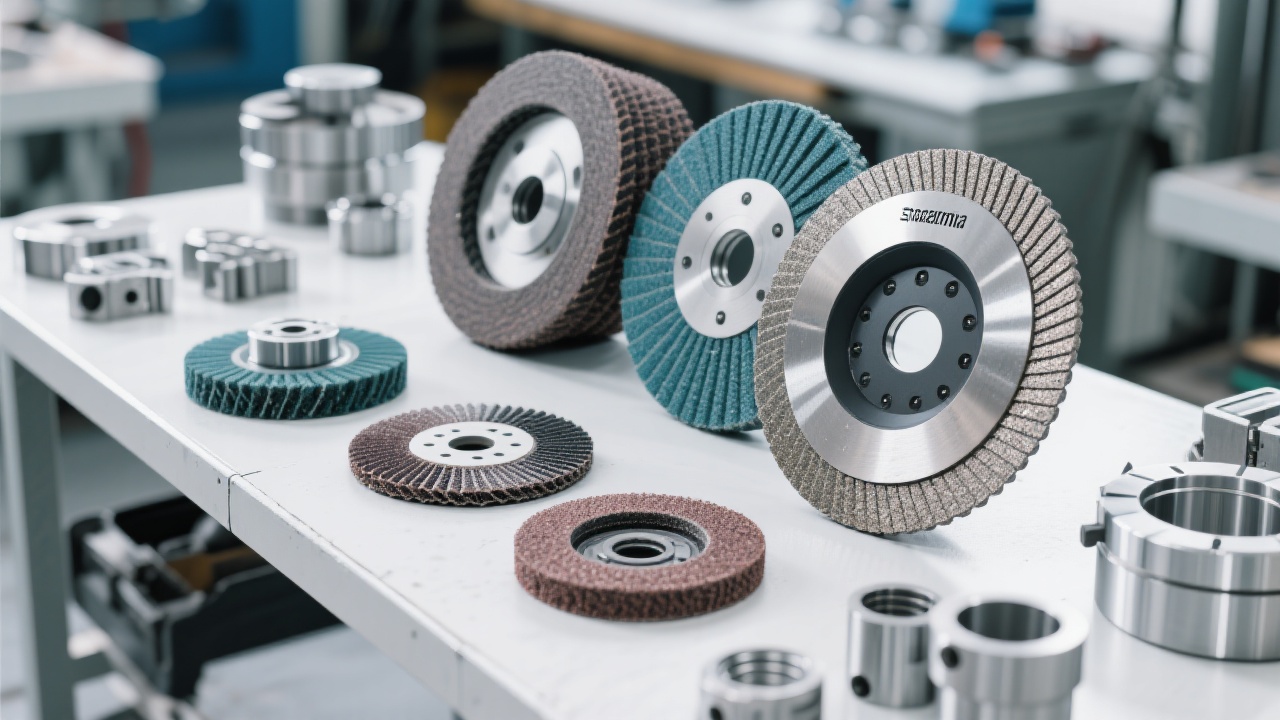
Ceramics punish unstable wheels. Your main enemies are brittle fracture and thermal shock. If you see edge breakout or random chipping, the wheel may be cutting too aggressively—or rubbing and heating too much after dulling.
Stainless steel isn’t the hardest material in your plant, but it can be one of the most frustrating. It tends to smear, generate heat, and load the wheel surface—especially when chip evacuation is poor.
Stone processing often looks “simple,” but it’s a long-duration stability test: dust, vibration, and occasional impacts all add up. The wrong wheel profile can cause uneven wear and visible waviness on finished surfaces.
Carbide is where high-performance brazed diamond wheels often show the clearest return: you’re typically chasing tight tolerances and repeatable finish while fighting edge chipping and wheel dulling. If your wheel life is unpredictable, you’re paying for it twice—scrap plus downtime.
Practical selection shortcut for carbide: optimize for stable cutting over time (grain retention + heat control). The wheel that “feels fastest” in the first 10 minutes may not be the most productive after 3 hours.
Answer these questions based on your last two weeks of production. Count which option you pick most often.
Q1: What’s your main pain point right now?
A) Wheel wears fast / frequent changeovers
B) Surface finish fluctuates after a short run
C) Edge chipping or micro-cracks on brittle parts
D) Wheel loads up (especially stainless) and starts burning
Q2: What does your process look like?
A) Long continuous runs
B) Interrupted cuts / complex profiles / grooves
C) Thin walls or sharp edges where chipping is costly
D) High removal with limited coolant access
Q3: What do you measure (or wish you measured)?
A) Parts per wheel / cost per 1,000 parts
B) Dressing frequency / power draw trend
C) Scrap rate due to edge damage
D) Burn marks / thermal defects
How to read your result: If you mostly picked A/B, focus on grain retention and long-run stability (often where brazed wheels stand out). If you mostly picked C, prioritize edge integrity: stable cutting and controlled aggressiveness. If you mostly picked D, investigate loading/heat: coolant delivery, filtration, and wheel topography become critical.
In B2B grinding, customization isn’t about fancy options—it’s about matching the wheel to your part geometry, machine behavior, and acceptance criteria. Two plants can grind the “same” material and still need different wheel solutions because their constraints are different: spindle power, rigidity, coolant path, fixture stability, and whether the priority is MRR or surface integrity.
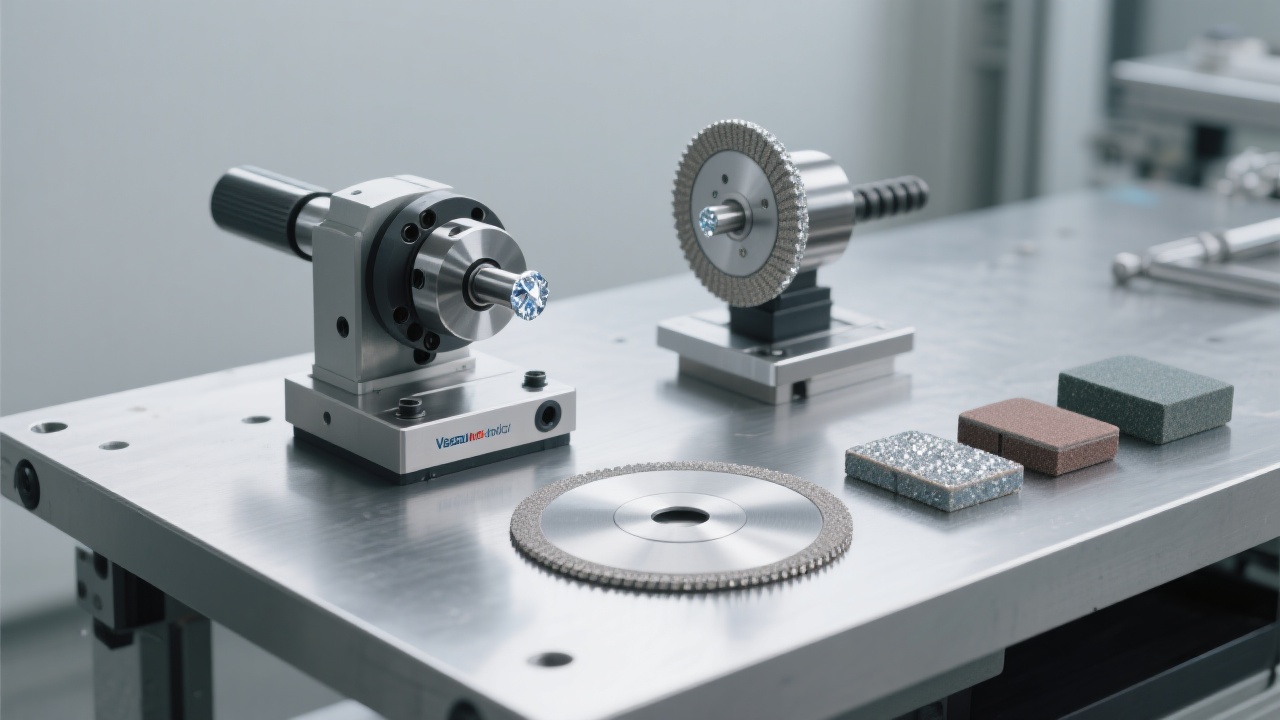
Your situation might look like this: dimensional targets are tight, and the “hidden cost” is not the wheel itself—it’s rework and inspection holds. A mold shop grinding carbide inserts switched from a general-purpose wheel to a custom brazed diamond wheel tuned for their groove geometry and run profile. Over a typical month, they reported:
If you run stone edges all day, your biggest loss is often unplanned stoppage—wheels replaced earlier than expected because wear becomes uneven, vibration increases, or the finish stops meeting customer expectations. A stone processor adopted a customized wheel profile and bond configuration for their spindle and feed rhythm. Their internal tracking showed:
If you’re sourcing grinding tools internationally, consistency is what protects your production schedule. UHD’s production management emphasizes repeatability under recognized quality frameworks (commonly aligned with ISO 9001 practices): controlled incoming inspection, traceable batches, and stable process parameters to reduce lot-to-lot variation.
Just as important, a professional after-sales team should support what you actually need on-site: parameter suggestions, troubleshooting for loading/burn, and feedback loops that turn your next wheel order into a measurable upgrade—not a repeat purchase with the same headaches.
.png?x-oss-process=image/resize,h_800,m_lfit/format,webp)
 high pressure coolant
minimum quantity lubrication
MQL grinding
diamond grinding disc
metal processing cooling solutions
Brazed diamond grinding disks
High-impact grinding disks
Industrial precision grinding
Multi-specification customized grinding disks
Metal processing solutions
grinding wheel impact resistance
brazed diamond grinding wheel
fracture toughness testing
thermal stability test
structural optimization for grinding tools
Stainless steel mold grinding roughness Ra value improvement
Diamond grinding disc surface processing parameter optimization
Brazed diamond grinding disc application cases
Precision grinding process improvement
Surface grinding tool selection guide
Grinding efficiency improvement
Diamond grinding disc lifespan extension
Brazed diamond grinding disc usage tips
Industrial grinding parameter optimization
Grinding disc condition monitoring methods
high pressure coolant
minimum quantity lubrication
MQL grinding
diamond grinding disc
metal processing cooling solutions
Brazed diamond grinding disks
High-impact grinding disks
Industrial precision grinding
Multi-specification customized grinding disks
Metal processing solutions
grinding wheel impact resistance
brazed diamond grinding wheel
fracture toughness testing
thermal stability test
structural optimization for grinding tools
Stainless steel mold grinding roughness Ra value improvement
Diamond grinding disc surface processing parameter optimization
Brazed diamond grinding disc application cases
Precision grinding process improvement
Surface grinding tool selection guide
Grinding efficiency improvement
Diamond grinding disc lifespan extension
Brazed diamond grinding disc usage tips
Industrial grinding parameter optimization
Grinding disc condition monitoring methods



.png?x-oss-process=image/resize,h_100,m_lfit/format,webp)
.png?x-oss-process=image/resize,h_100,m_lfit/format,webp)
.png?x-oss-process=image/resize,h_100,m_lfit/format,webp)
.png?x-oss-process=image/resize,h_800,m_lfit/format,webp)
.png?x-oss-process=image/resize,m_fill,h_800,w_800/format,webp)