
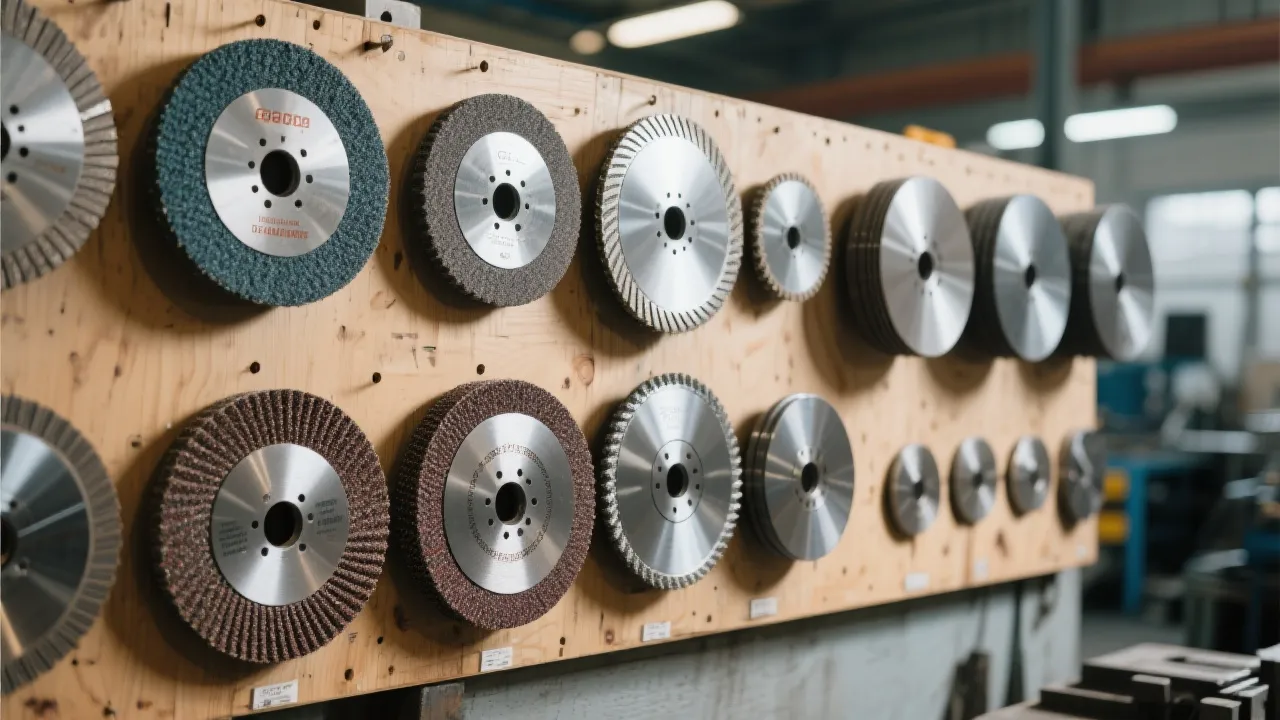
INDUSTRIAL GUIDE / MACHINING SOLUTIONS
Are you struggling with frequent tool breakage, poor surface finish, and rising costs when machining hard materials like carbide, ceramics, or stainless steel? This comprehensive guide reveals how custom brazed diamond grinding discs can transform your production efficiency while reducing operational expenses.
Manufacturing facilities worldwide lose an estimated 15-20% of productive time due to suboptimal grinding tools when working with high-strength materials. Common issues include:
"We were changing standard grinding discs every 2-3 days when working with hardened steel components. The downtime was killing our production targets," recalls Michael Chen, Production Manager at Precision Tools Co., a leading mold manufacturer in Michigan.
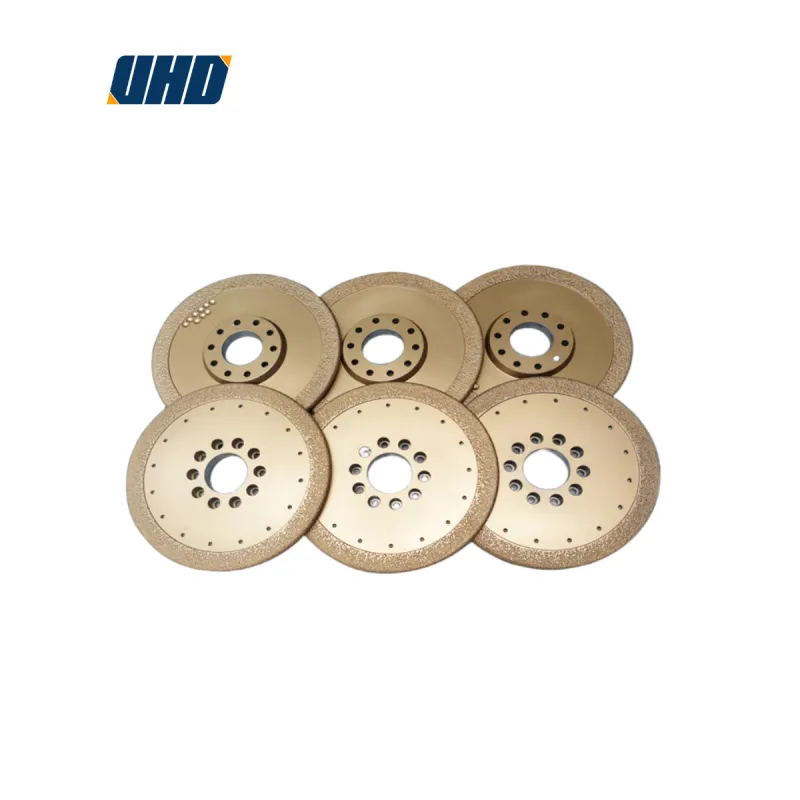
Unlike conventional resin or electroplated discs, brazed diamond grinding discs offer a transformative combination of benefits specifically engineered for challenging materials:
Advanced brazing technology creates a chemical bond between diamond particles and the substrate, preventing premature diamond loss even under heavy loads.
Specialized alloy matrix absorbs vibration and shock, reducing breakage by up to 70% compared to standard discs when machining irregular surfaces.
Precision-controlled diamond distribution achieves Ra values as low as 0.2μm on hardened steel, eliminating secondary finishing operations.
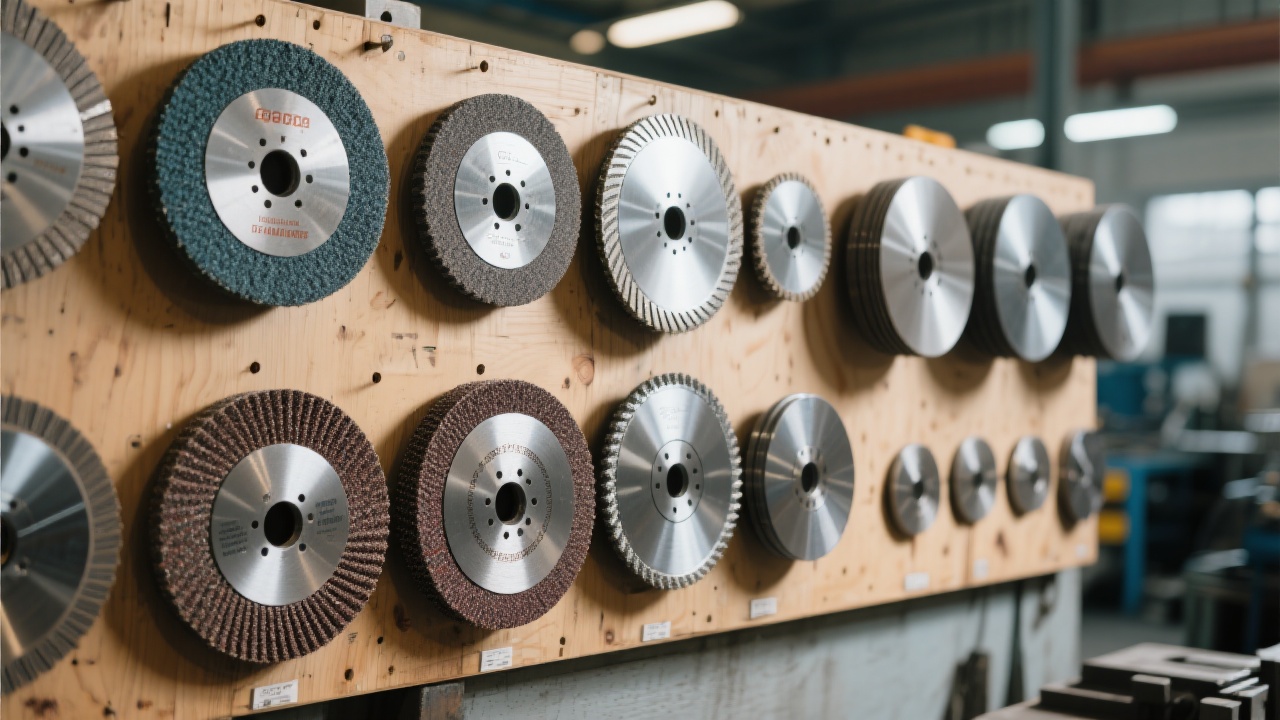
Selecting the optimal brazed diamond grinding disc requires careful consideration of your specific application parameters. Here's how to configure your ideal solution:
Rule of Thumb: Smaller diameters (100-125mm) provide greater precision for intricate work, while larger diameters (150-180mm) deliver higher material removal rates for heavy stock removal.
Example: A 125mm disc is typically recommended for mold cavity finishing, while a 180mm disc excels at deburring large stainless steel components.
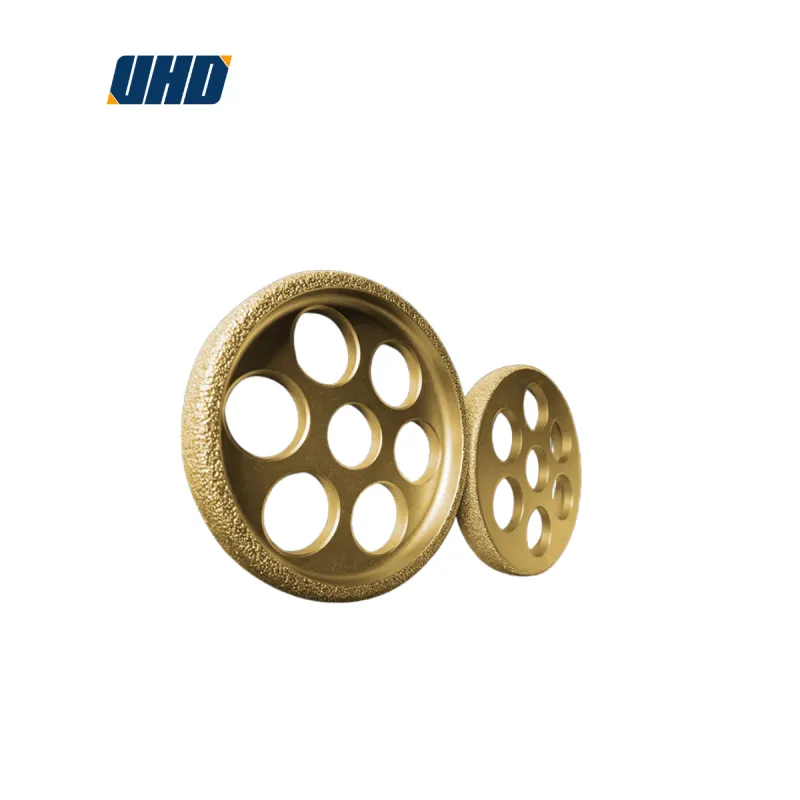
The choice between flat and contoured discs depends entirely on your workpiece geometry:
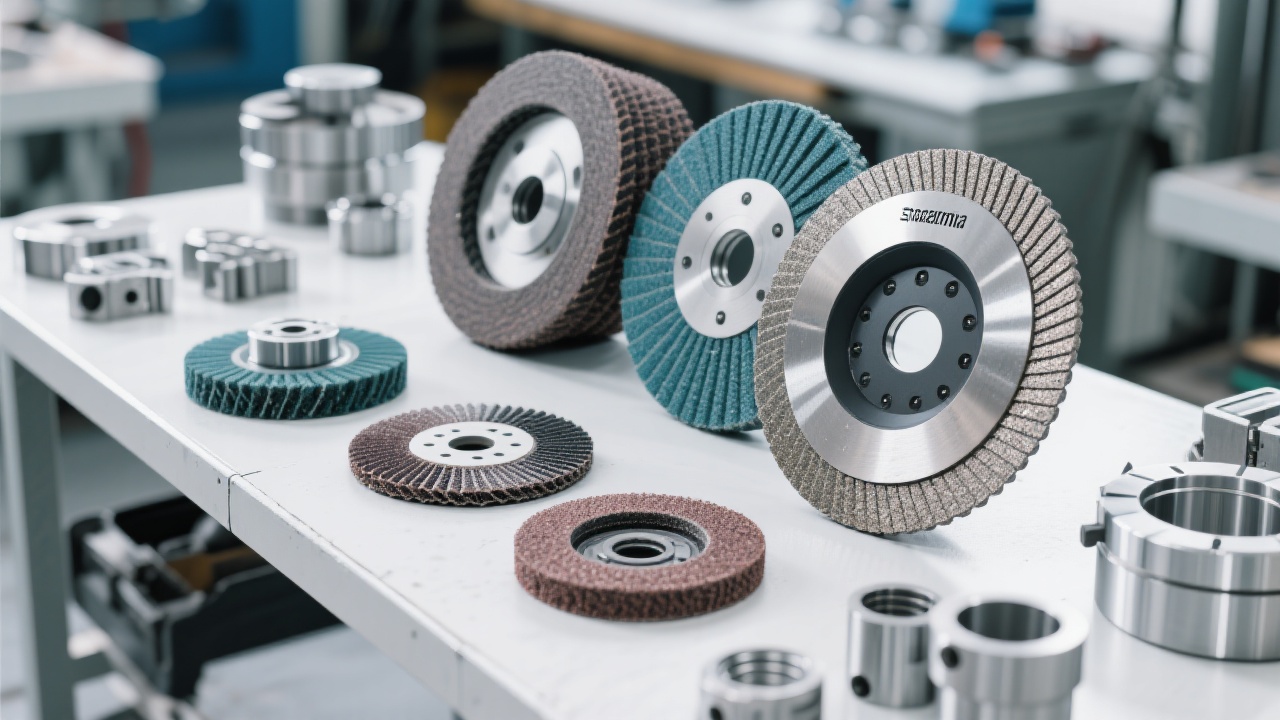
Diamond grit selection directly impacts both material removal rate and surface finish quality:
| Grit Size | Primary Application | Typical Surface Finish |
|---|---|---|
| 30/40 - 60/80 | Heavy stock removal, rough grinding | Ra 3.2 - 1.6 μm |
| 100/120 - 180/220 | General purpose grinding | Ra 1.6 - 0.8 μm |
| 240/320 - 400/500 | Fine finishing, precision grinding | Ra 0.8 - 0.2 μm |
The brazing process and alloy matrix significantly impact disc performance:
After switching to custom brazed diamond discs, Midwest Mold & Tool reduced their grinding disc更换频率 from 3 times weekly to once every 3-4 weeks – a 70% reduction in tooling costs. Additionally, they achieved:
"The customized solution paid for itself within the first two months. We've since standardized on brazed diamond discs for all our hardened steel applications," reports David Wilson, Operations Director.
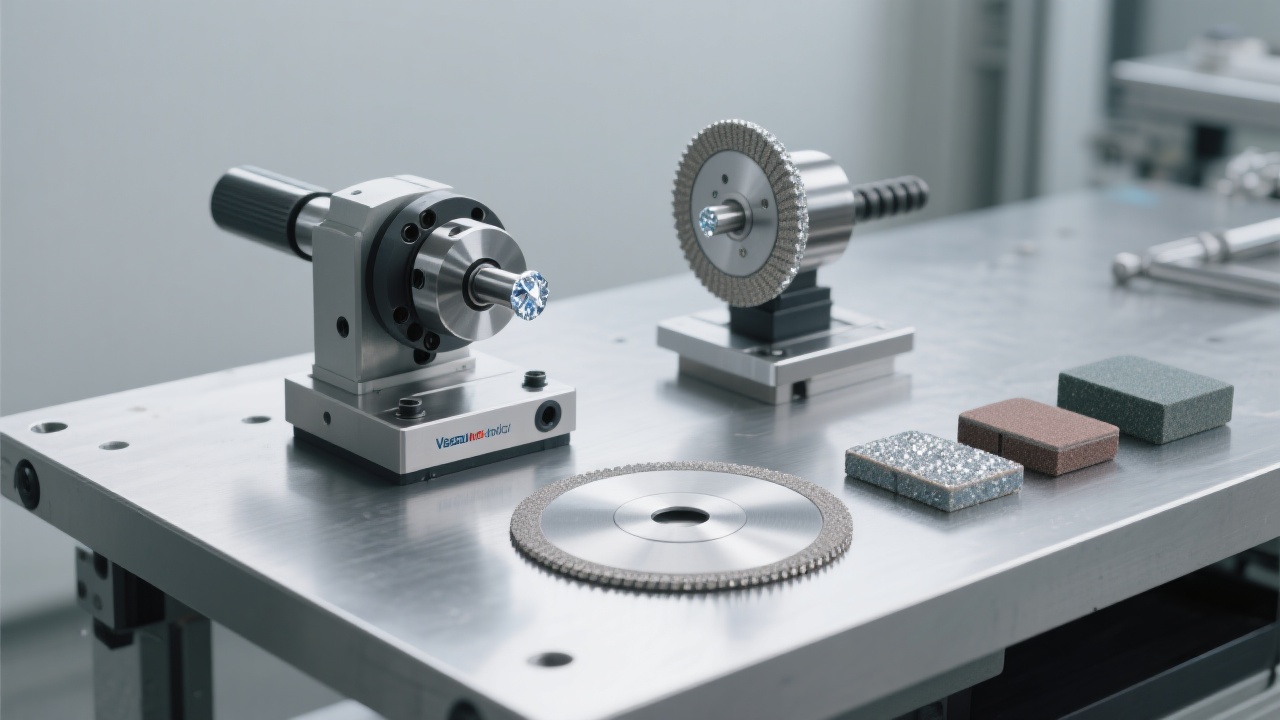
Optimal performance requires more than just a high-quality grinding disc. Look for suppliers that offer comprehensive support:
Take the first step toward reducing costs and improving quality with a customized brazed diamond grinding solution.
Get Your Free Application AssessmentOur technical team will analyze your specific requirements and recommend the optimal grinding solution
Remember: The right grinding disc isn't just a tool—it's an investment in your production efficiency, product quality, and bottom line. By selecting a customized brazed diamond solution tailored to your specific materials and processes, you'll join the growing number of manufacturers achieving measurable improvements in both performance and profitability.
.png?x-oss-process=image/resize,h_800,m_lfit/format,webp)

 brazed diamond grinding wheels
high-strength grinding
customized grinding wheels
production efficiency improvement
diamond abrasive tools
brazed diamond grinding wheels
high - wear - resistant grinding wheels
diamond grinding wheel life management
industrial grinding technology
brazing process optimization
curved surface grinding
custom diamond grinding wheels
wheel diameter selection
precision grinding
industrial grinding tools
Brazed diamond grinding disks
Curved custom grinding disks
Precision grinding solutions
Industrial grinding tools
Multi - specification diamond grinding disks
brazed diamond grinding wheel
125mm grinding disc
diamond abrasive tools
high wear resistance
multi-profile grinding design
brazed diamond grinding wheels
high-strength grinding
customized grinding wheels
production efficiency improvement
diamond abrasive tools
brazed diamond grinding wheels
high - wear - resistant grinding wheels
diamond grinding wheel life management
industrial grinding technology
brazing process optimization
curved surface grinding
custom diamond grinding wheels
wheel diameter selection
precision grinding
industrial grinding tools
Brazed diamond grinding disks
Curved custom grinding disks
Precision grinding solutions
Industrial grinding tools
Multi - specification diamond grinding disks
brazed diamond grinding wheel
125mm grinding disc
diamond abrasive tools
high wear resistance
multi-profile grinding design



.png?x-oss-process=image/resize,h_100,m_lfit/format,webp)
.png?x-oss-process=image/resize,h_100,m_lfit/format,webp)
.png?x-oss-process=image/resize,h_100,m_lfit/format,webp)
.png?x-oss-process=image/resize,h_800,m_lfit/format,webp)
.png?x-oss-process=image/resize,m_fill,h_800,w_800/format,webp)