
If you're an engineer or procurement manager working with hard materials like tungsten carbide, ceramics, or stainless steel, you know how costly frequent tool changes can be—not just in parts, but in downtime and lost productivity.
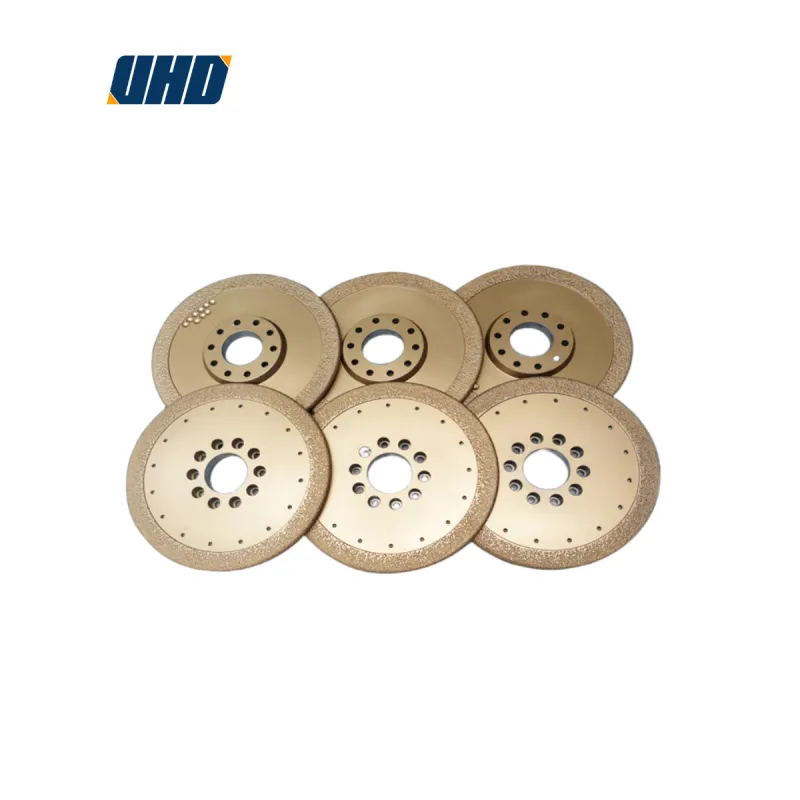
Traditional sintered diamond wheels bond the grit using high-temperature pressure—often leading to weak interfacial adhesion. In contrast, our brazing process uses a silver-based alloy that melts at ~750°C, creating a metallurgical bond between the diamond and the substrate. This isn’t just chemistry—it’s engineering precision.
| Performance Metric | Sintered Wheel (Baseline) | Brazed Diamond Wheel |
|---|---|---|
| Wear Rate (mm³/min) | 0.42 | 0.28 |
| Impact Resistance (at 3000 RPM) | Moderate cracking observed | No visible damage after 50+ hours of continuous use |
| Tool Life Extension | Standard | +35% average (based on customer field tests) |
This isn't theory—it's what we've seen across 120+ industrial clients in aerospace, automotive, and construction sectors. One mold manufacturer in Germany reported a 40% reduction in unproductive time after switching from sintered to brazed wheels for finishing hardened steel dies.
“We used to change wheels every 2 hours. Now it’s once per shift—even under heavy load.” — Markus L., Senior Tooling Engineer, Bosch Automotive Components
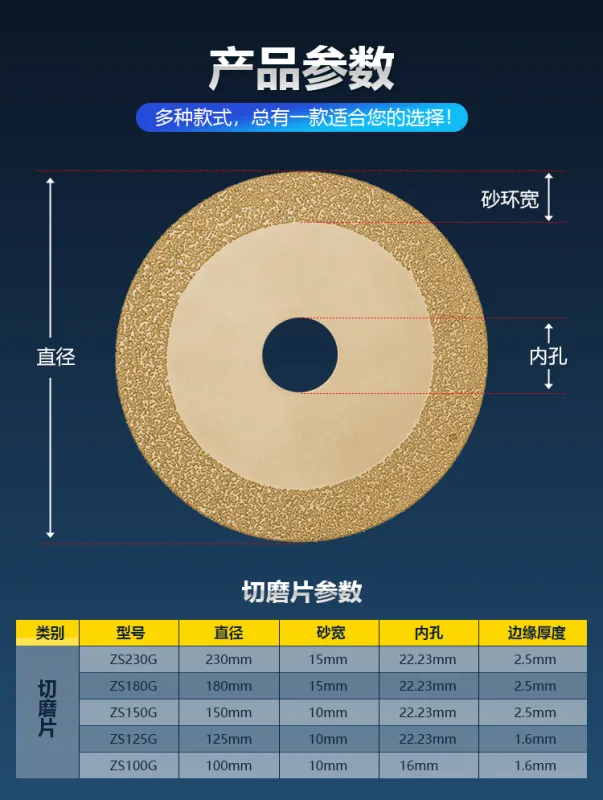
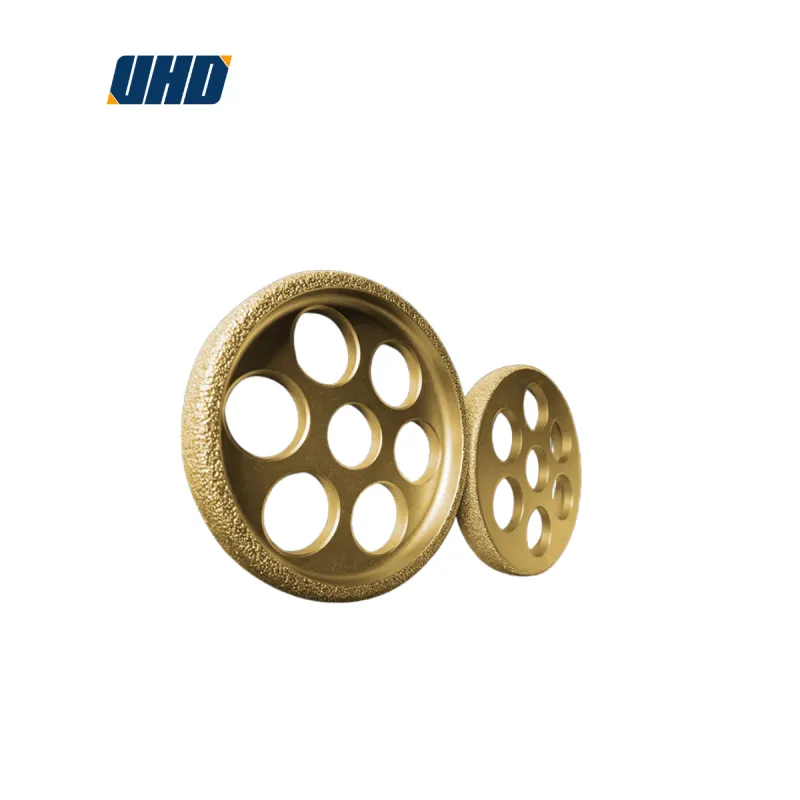
Whether you’re cutting granite slabs in Turkey or grinding turbine blades in Texas, one size doesn’t fit all. Our team works directly with your specs—grit size, bond type, wheel diameter—to optimize performance for your exact material and machine parameters.
Need a solution that won’t crack under sudden thermal shock? Want consistent surface finish over 100+ hours? We’ve helped customers reduce tool-related defects by up to 60% through tailored brazing profiles.
Quick Check: Which scenario fits your operation?

.png?x-oss-process=image/resize,h_800,m_lfit/format,webp)


.png?x-oss-process=image/resize,h_100,m_lfit/format,webp)
.png?x-oss-process=image/resize,h_100,m_lfit/format,webp)
.png?x-oss-process=image/resize,h_100,m_lfit/format,webp)
.png?x-oss-process=image/resize,m_fill,h_800,w_800/format,webp)