
When it comes to high-load grinding applications—especially in stone and ceramic processing—the performance and safety of diamond grinding wheels hinge on one crucial factor: brazed interface strength. Poor bonding between the diamond layer and the metal matrix can lead to premature failure, reduced efficiency, and even workplace hazards.
In industrial environments where temperatures exceed 400°C and mechanical stresses reach up to 150 MPa, a weak brazed joint becomes the weakest link. According to a 2023 study by the International Association of Abrasives (IAA), over 67% of unexpected wheel failures in abrasive machining were traced back to inadequate interfacial adhesion—not poor diamond quality or improper use.
“The brazing process is not just about melting filler metal—it’s about creating a metallurgical bond that withstands thermal cycling, impact, and wear under real-world conditions.”
To ensure reliability, engineers must evaluate three core parameters:
In a case from a Turkish granite quarry, a batch of brazed diamond wheels experienced sudden edge chipping after only 4 hours of continuous operation. Post-failure analysis revealed inconsistent filler metal distribution and insufficient surface activation before brazing—a common oversight when cost-cutting compromises proper pre-treatment steps.
Similarly, in a ceramic tile factory in Italy, wheels failed due to thermal shock caused by rapid cooling after high-speed grinding. The root cause? A mismatch between the coefficient of thermal expansion (CTE) of the base material and the brazing alloy. This led to micro-cracks forming at the interface within 20 hours of use.
Based on field data from over 120 successful implementations across Europe and Asia, here are actionable strategies:
These adjustments have been shown to extend wheel life by an average of 35–50%, depending on application intensity and operator training levels.
Instead of relying solely on post-failure diagnostics, integrate predictive monitoring into your maintenance routine. Sensors measuring vibration, temperature, and acoustic emissions can flag early signs of interface degradation—saving time, money, and potential accidents.
If you're looking to upgrade your grinding operations with reliable, long-lasting diamond wheels designed for harsh environments, we’ve got the expertise and materials to help.
Get Your Customized Diamond Wheel Solution Today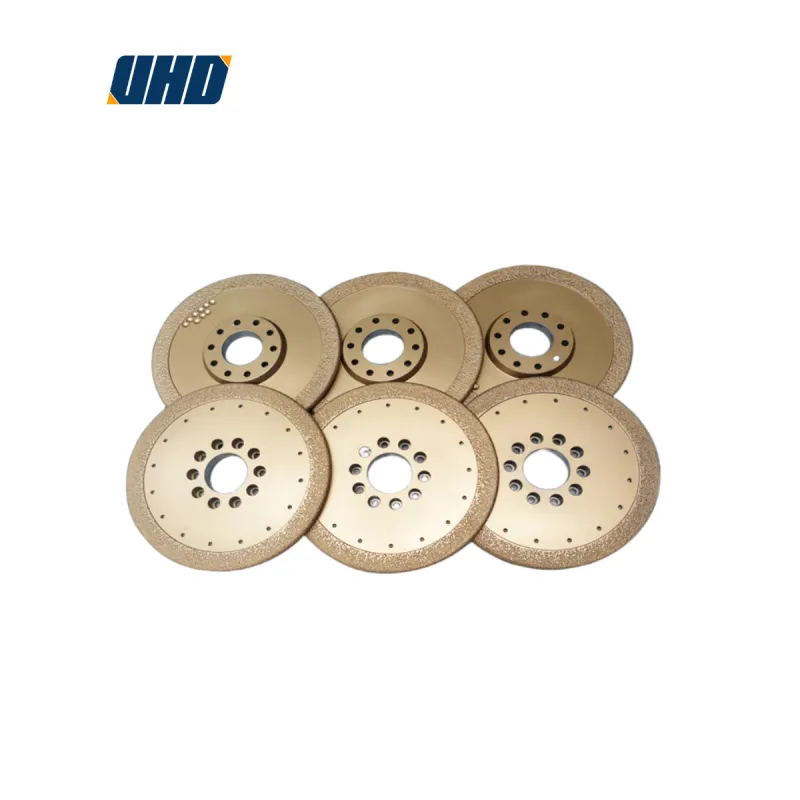
.png?x-oss-process=image/resize,h_800,m_lfit/format,webp)
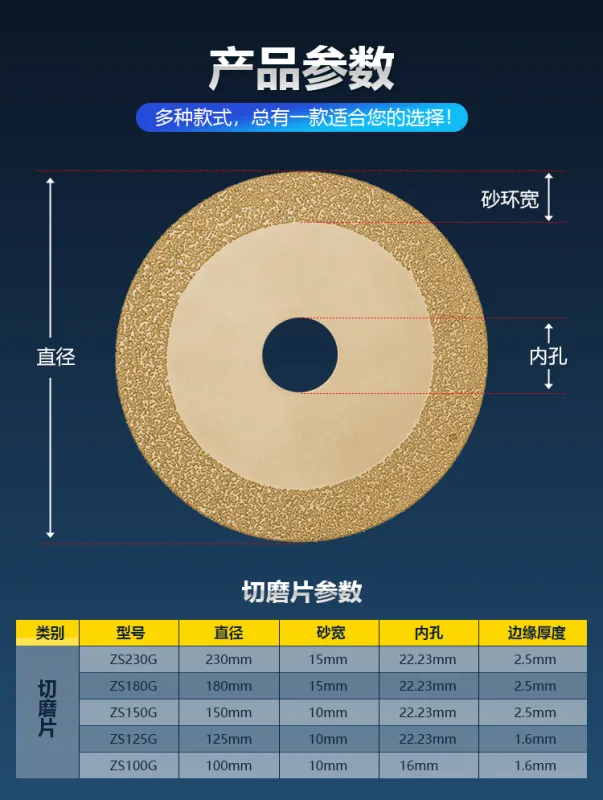
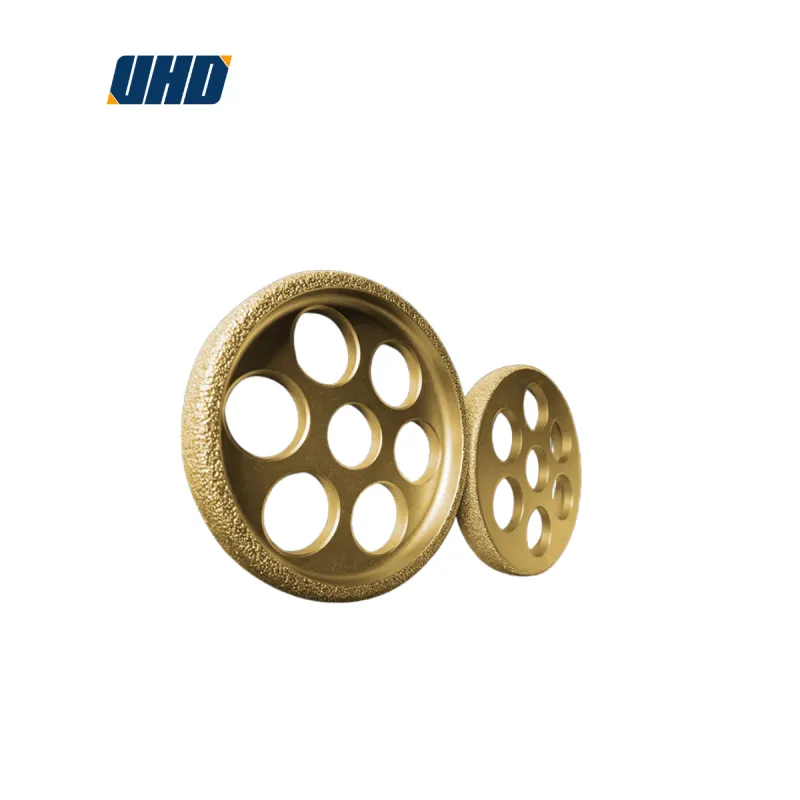
 brazed diamond grinding disc
diamond grinding disc hole diameter
edge thickness customization
high wear resistance grinding tools
customized grinding solutions
grey cast iron grinding
impact-resistant grinding wheel
diamond grinding wheel
precision machining solutions
grinding parameter optimization
Diamond grinding disk aperture selection guide
Curved surface grinding custom solution
High-wear-resistant brazed diamond grinding disk
Stainless steel processing grinding disk customization
Cemented carbide grinding solution
Diamond cutting and grinding wheels
Superhard tools
Industrial cutting solutions
Brazed diamond tools
High - manganese steel substrate wheels
heavy-duty grinding wheel selection
brazed diamond grinding wheel
stainless steel grinding wheel
high wear resistance grinding wheel
grinding wheel impact resistance
brazed diamond grinding disc
diamond grinding disc hole diameter
edge thickness customization
high wear resistance grinding tools
customized grinding solutions
grey cast iron grinding
impact-resistant grinding wheel
diamond grinding wheel
precision machining solutions
grinding parameter optimization
Diamond grinding disk aperture selection guide
Curved surface grinding custom solution
High-wear-resistant brazed diamond grinding disk
Stainless steel processing grinding disk customization
Cemented carbide grinding solution
Diamond cutting and grinding wheels
Superhard tools
Industrial cutting solutions
Brazed diamond tools
High - manganese steel substrate wheels
heavy-duty grinding wheel selection
brazed diamond grinding wheel
stainless steel grinding wheel
high wear resistance grinding wheel
grinding wheel impact resistance



.png?x-oss-process=image/resize,h_100,m_lfit/format,webp)
.png?x-oss-process=image/resize,h_100,m_lfit/format,webp)
.png?x-oss-process=image/resize,h_100,m_lfit/format,webp)
.png?x-oss-process=image/resize,h_800,m_lfit/format,webp)
