
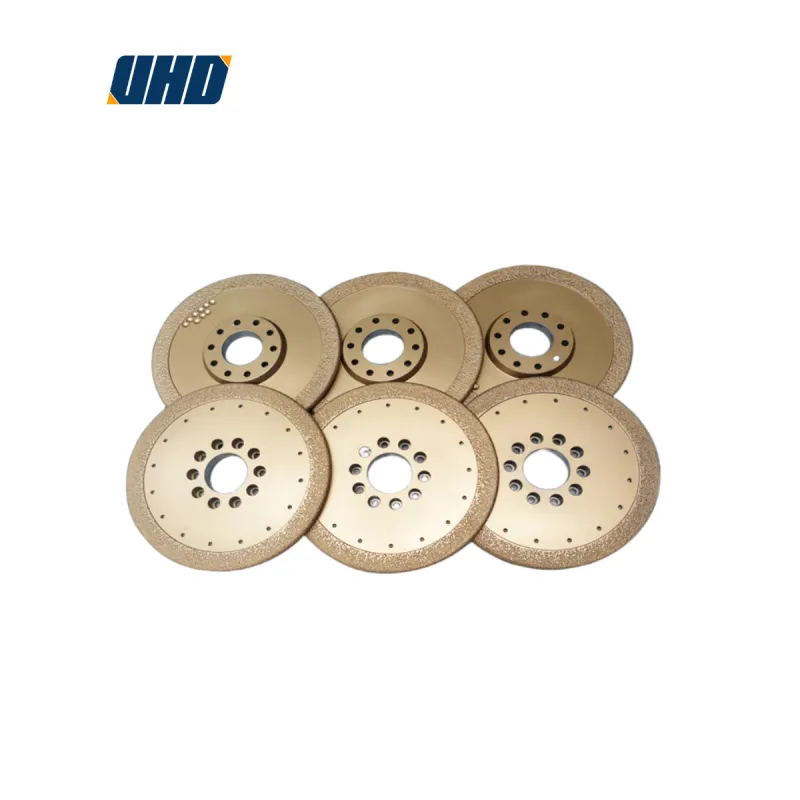
In the realm of ceramic precision machining, the customized design of grinding discs is a critical factor that directly impacts processing efficiency and accuracy. This article delves into the technical essentials of customizing grinding discs, from diameter selection to curved surface design, to help you precisely meet the grinding requirements of high - strength materials such as cemented carbide and stainless steel, thereby enhancing wear resistance and impact resistance.
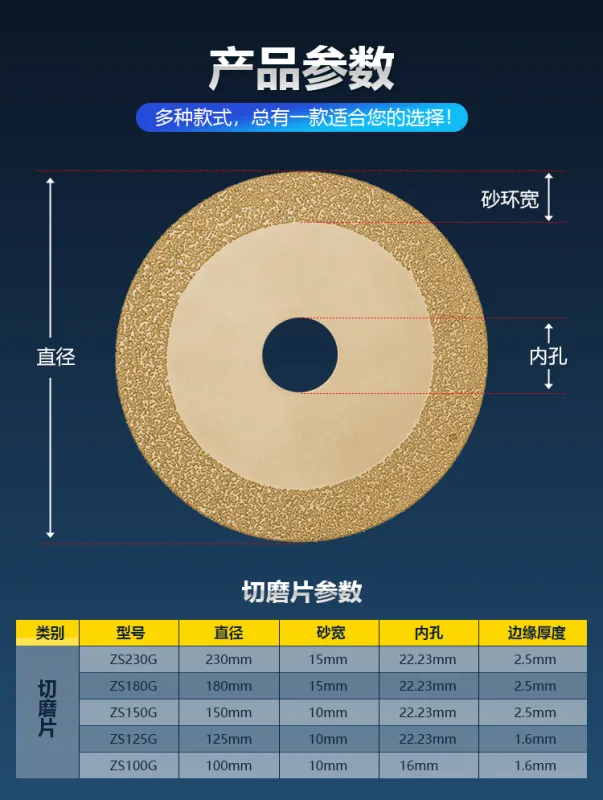
The diameter of the grinding disc plays a vital role in the ceramic machining process. A larger diameter can cover a wider area, increasing the processing speed, but it may also require more power. On the contrary, a smaller diameter offers higher precision but lower efficiency. For example, in small - scale ceramic parts processing, a grinding disc with a diameter of 50 - 100mm might be more suitable, while for large - area ceramic processing, a diameter of 200 - 300mm could be a better choice. By accurately matching the diameter to your specific processing needs, you can optimize the processing efficiency and reduce unnecessary energy consumption.
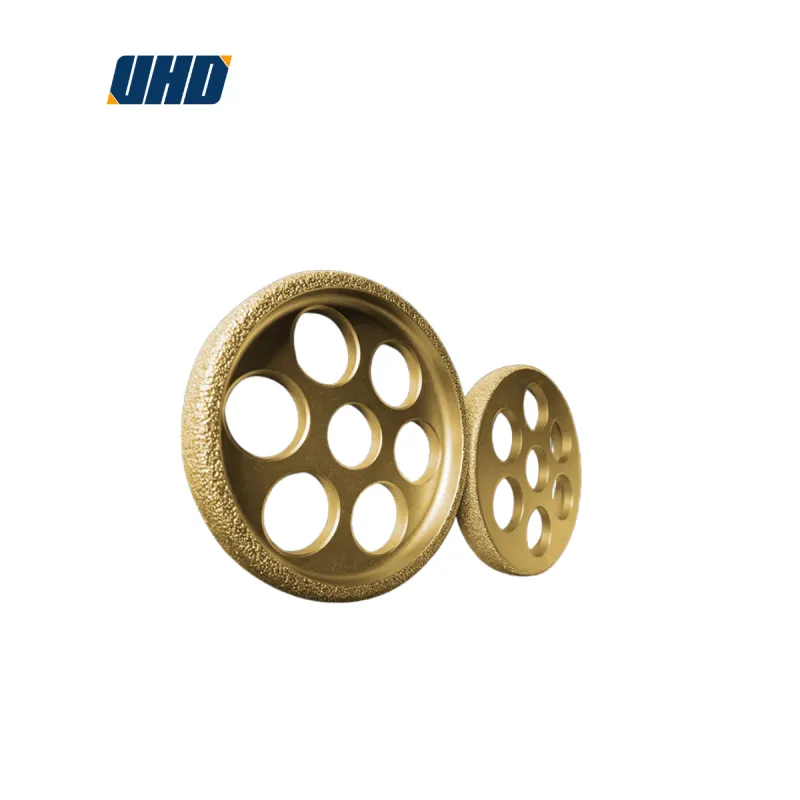
Plane grinding discs are commonly used for flat surface processing, providing stable and uniform grinding results. However, in some complex ceramic parts with curved surfaces, curved surface grinding discs are required. The design of curved surface grinding discs needs to consider the curvature of the workpiece and the distribution of grinding forces. Different curved surface designs can significantly affect the grinding force distribution. For instance, a well - designed curved surface grinding disc can evenly distribute the grinding force, reducing local stress concentration and improving the processing accuracy. An information chart below shows the impact of different curved surface designs on grinding force distribution.
The size of diamond particles in the grinding disc is another key factor. Larger diamond particles can provide higher grinding efficiency but may result in a rougher surface finish. Smaller diamond particles, on the other hand, can achieve a smoother surface but with a relatively lower grinding speed. For high - precision ceramic processing, a diamond particle size of 30 - 50μm might be appropriate, while for rough grinding, a size of 80 - 100μm could be used.
The substrate material of the grinding disc should be matched with the diamond particles and the workpiece material. For example, when grinding high - strength materials like cemented carbide, a substrate material with high strength and good heat - resistance, such as stainless steel, is recommended. This can ensure the stability of the grinding disc during the grinding process and improve its wear resistance and impact resistance.
Let's take a real - world case as an example. A ceramic processing factory was facing the problem of low processing efficiency and high defect rate when grinding cemented carbide parts. After adopting our customized grinding disc solution, which included a proper diameter selection, a well - designed curved surface structure, and the right diamond particle size and substrate material, the processing efficiency increased by 30%, and the defect rate decreased from 10% to 3%. This clearly shows the value of customized grinding discs in improving production efficiency and product quality.
Our comprehensive after - sales service system is designed to reduce the risks associated with using grinding discs. We provide technical support, regular maintenance, and replacement services. This not only ensures the long - term stable operation of the grinding discs but also gives you more confidence in your purchasing decision. As one of our customers said in an interview (quoted in the reference box below), "The after - sales service of UHD products is very reliable. They helped us solve many problems during the use of grinding discs, which greatly reduced our production risks."
In conclusion, the customized design of grinding discs in ceramic precision machining is a complex but rewarding process. By carefully considering the technical details, you can achieve better cost control, higher product yield, and more stable processing results. UHD products have demonstrated their stability advantages in complex working conditions. If you are interested in our customized grinding disc solutions, click here to get the customization requirement form.

.png?x-oss-process=image/resize,h_800,m_lfit/format,webp)


.png?x-oss-process=image/resize,h_100,m_lfit/format,webp)
.png?x-oss-process=image/resize,h_100,m_lfit/format,webp)
.png?x-oss-process=image/resize,h_100,m_lfit/format,webp)
.png?x-oss-process=image/resize,m_fill,h_800,w_800/format,webp)