
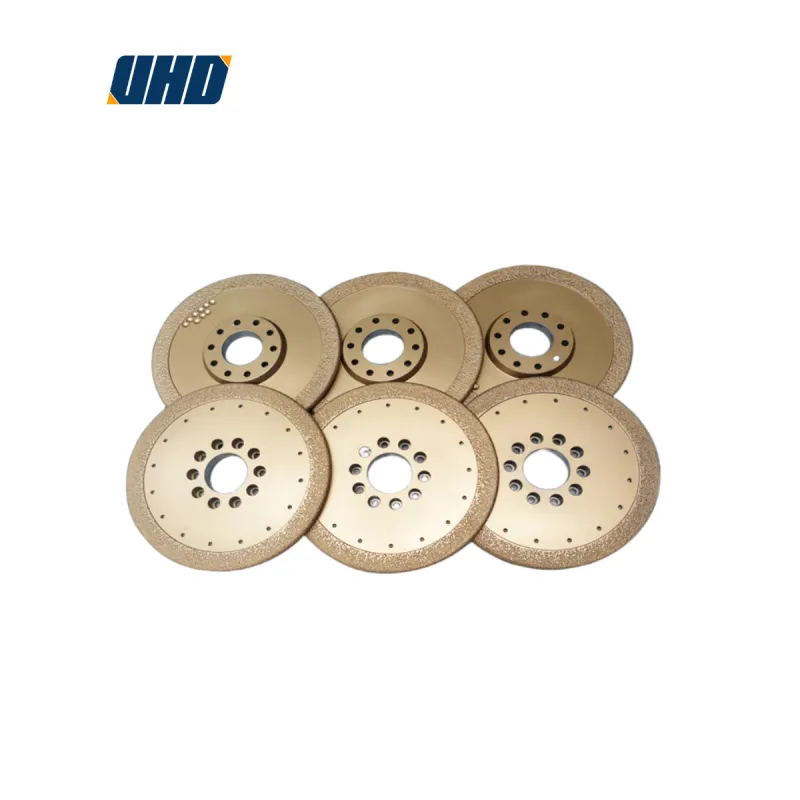
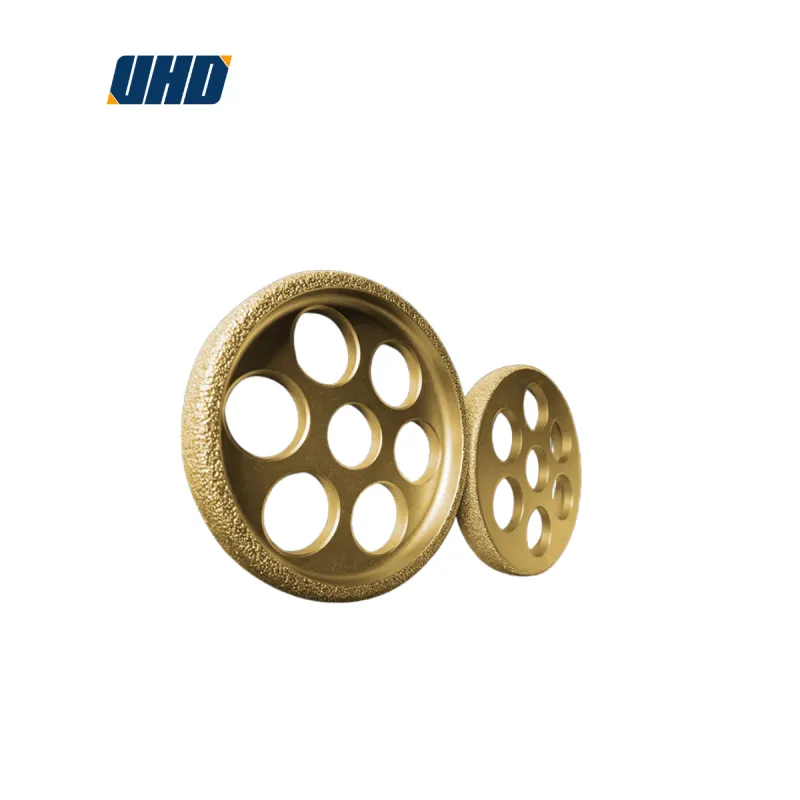
When it comes to precision grinding of curved surfaces—especially in aerospace, automotive, and medical device manufacturing—many engineers and procurement teams make a critical error: choosing large-diameter diamond grinding wheels without considering the actual curvature of the workpiece.
“We used a 160mm wheel thinking bigger meant better—until we saw localized overheating and premature wear. That was a $12k mistake.” — Engineering Manager, German Automotive Supplier
Studies show that when the wheel diameter exceeds 140mm for curves with radii under 50mm, contact pressure increases by up to 40% compared to optimal sizing. This leads to rapid thermal buildup—often exceeding 300°C locally—which causes:
| Wheel Diameter Range | Recommended Curve Radius | Risk Level |
|---|---|---|
| 100–120 mm | ≤ 30 mm | Low |
| 130–150 mm | 30–70 mm | Medium |
| 160–180 mm | > 70 mm | High |
A recent test at a U.S.-based turbine blade manufacturer revealed that custom-designed wheels (with optimized flute geometry and segment layout) reduced peak contact stress by 28% versus standard wheels of the same diameter. This translates directly into longer tool life and fewer process interruptions.
Key recommendations for safe grinding:
Even with perfect parameters, real-world variability demands expert support. Our team has helped over 120 manufacturers resolve grinding instability issues within 48 hours through remote diagnostics and on-site tuning—no guesswork involved.
Let us help you identify the right wheel configuration for your specific part geometry and material—without trial-and-error delays.
Get Your Custom Wheel Fitment Analysis
.png?x-oss-process=image/resize,h_800,m_lfit/format,webp)


.png?x-oss-process=image/resize,h_100,m_lfit/format,webp)
.png?x-oss-process=image/resize,h_100,m_lfit/format,webp)
.png?x-oss-process=image/resize,h_100,m_lfit/format,webp)
