

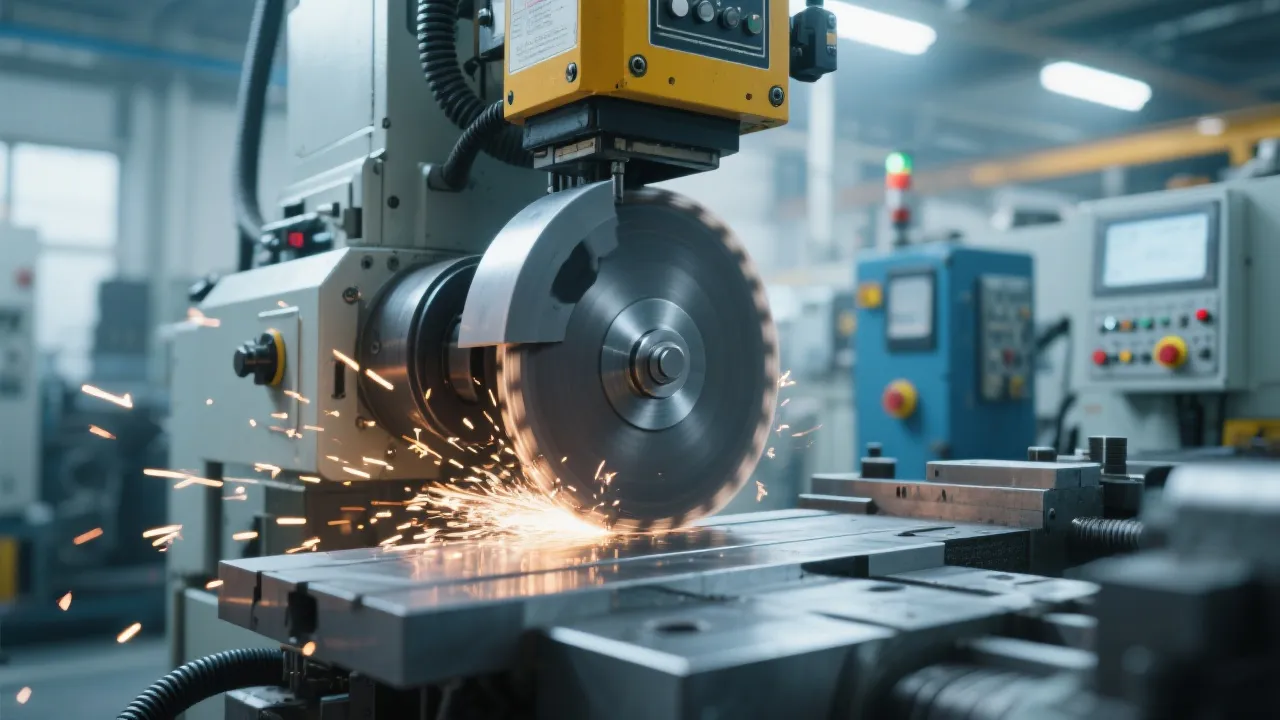
In heavy - duty machining scenarios, determining whether a grinding disc is suitable for heavy - duty continuous operation is crucial. This article will guide you through the process of evaluating the suitability of a grinding disc, so you can make informed decisions and avoid unexpected downtime losses.
Let's first look at the four core indicators that affect the stability of heavy - duty operations. The strength of the base material is the foundation of the grinding disc. A high - strength base can withstand greater pressure and impact during heavy - duty operations. For example, a grinding disc with a base made of high - quality alloy steel can have a 30% higher strength compared to common materials, ensuring long - term stable operation.
The bonding force at the brazing interface is also vital. A strong brazing bond ensures that the diamond layer firmly adheres to the base. If the bonding force is insufficient, the diamond layer may fall off during operation, affecting the grinding effect and even causing safety hazards. Research shows that a well - brazed grinding disc can maintain its integrity in over 95% of heavy - duty operations.
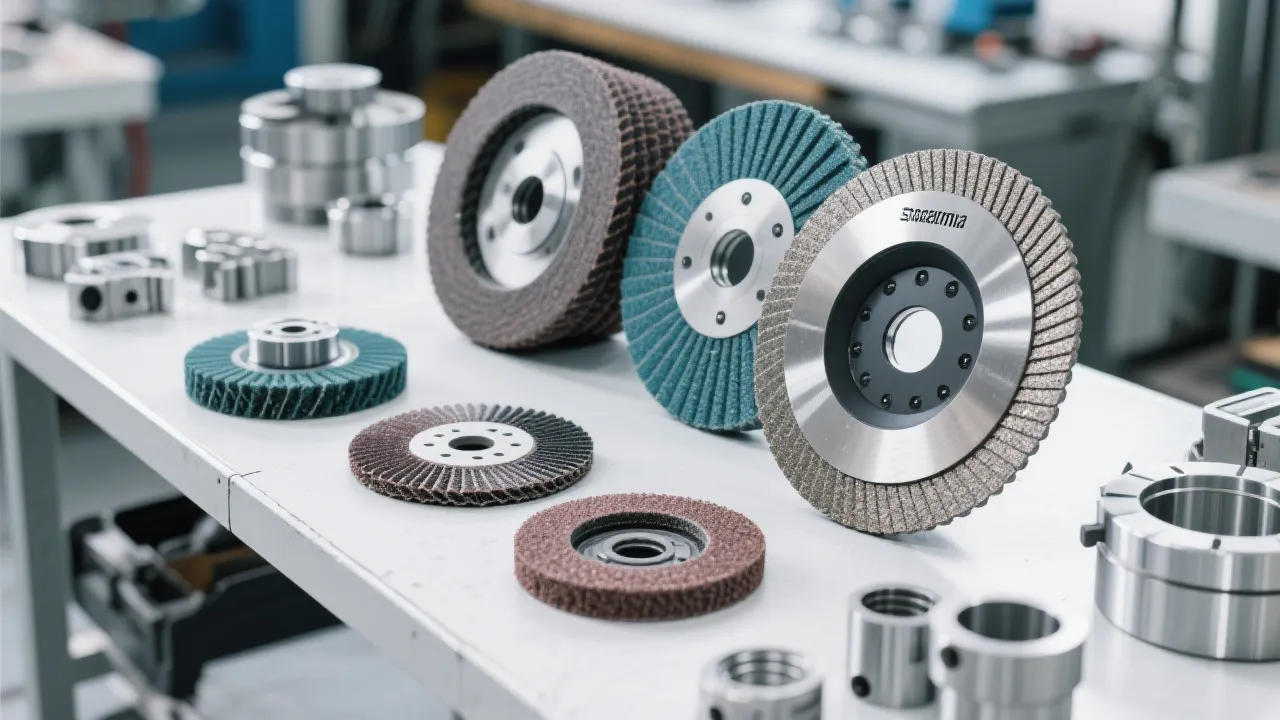
The uniformity of the diamond layer distribution is another key factor. A uniformly distributed diamond layer can ensure consistent grinding performance across the entire surface of the grinding disc. Uneven distribution may lead to uneven wear and reduced grinding efficiency. In a well - designed grinding disc, the diamond distribution deviation can be controlled within 5%.
Finally, the overall dynamic balance performance of the grinding disc is essential. A well - balanced grinding disc can reduce vibration during operation, improving the quality of the grinding process and extending the service life of the equipment. A grinding disc with excellent dynamic balance can reduce vibration by up to 40% compared to an unbalanced one.

Now, let's compare the common failure modes of grinding discs under different working conditions. Chipping is a common problem, often caused by excessive pressure or improper operation. When chipping occurs, the grinding disc's cutting edge is damaged, resulting in a rough grinding surface and reduced efficiency.
Diamond layer shedding is another serious issue. As mentioned earlier, weak brazing bonding is the main cause. Once the diamond layer falls off, the grinding disc loses its grinding ability and may even damage the workpiece.
Abnormal vibration is also a sign of potential problems. It can be caused by poor dynamic balance, uneven diamond distribution, or base material defects. Abnormal vibration not only affects the grinding quality but also shortens the service life of the equipment.
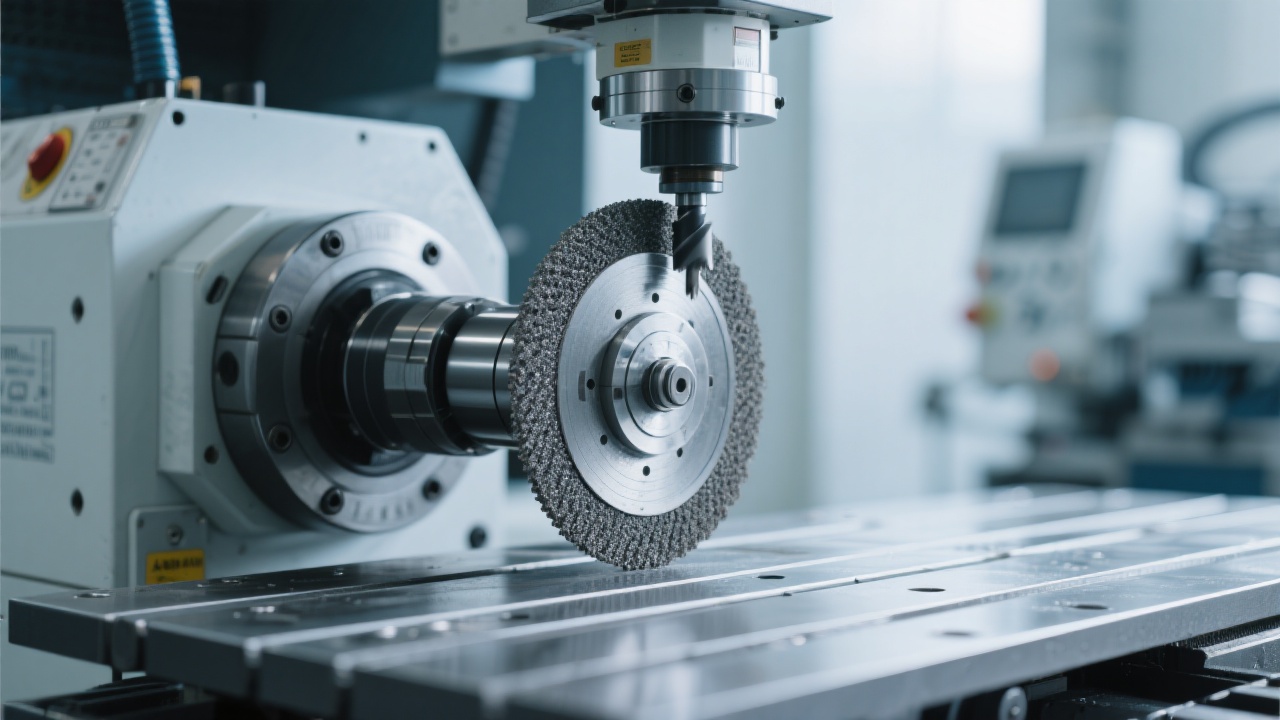
To help front - line operators quickly identify risks, we provide a simple self - inspection process. First, visually inspect the grinding disc for any visible damage, such as cracks or chipping. Then, check the dynamic balance by rotating the grinding disc at a low speed and observing for any abnormal vibration. You can also measure the thickness of the diamond layer at multiple points to ensure uniform wear.
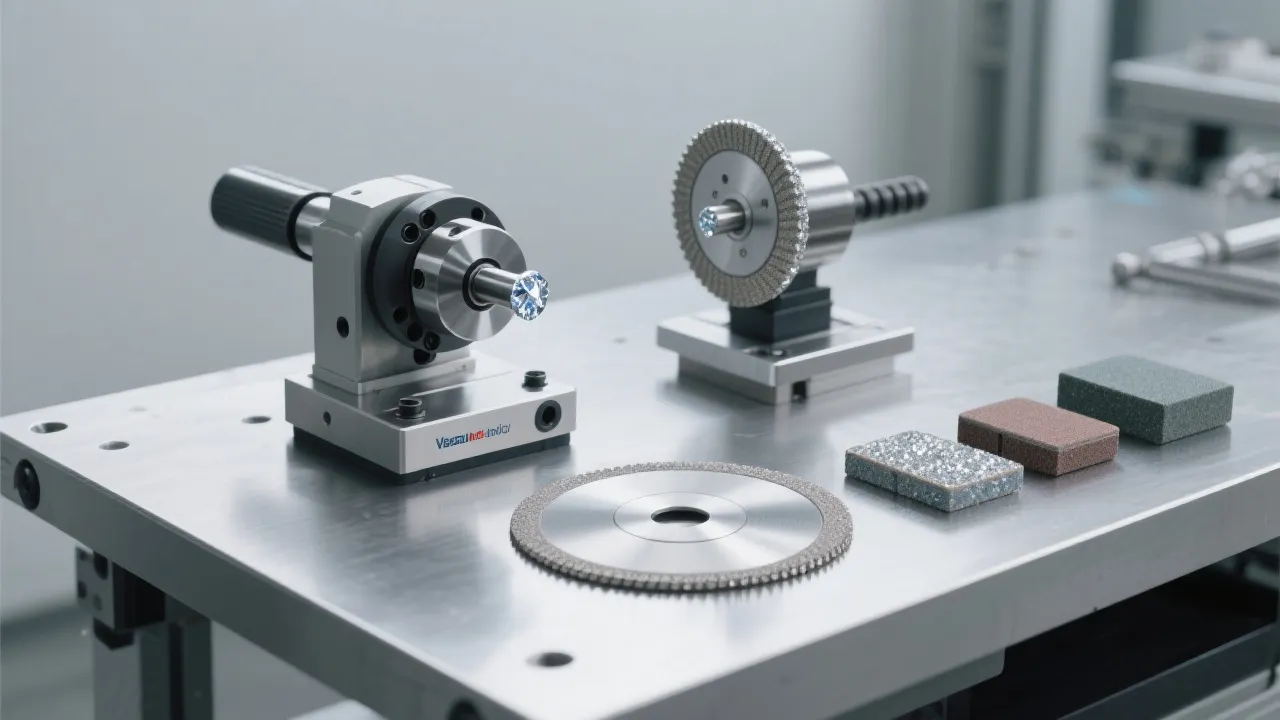
UHD's grinding discs are designed to optimize these key indicators and avoid typical failure problems. Our UHD custom solutions take into account your specific needs, whether it's for stainless - steel processing or hard - alloy grinding. We use advanced materials and manufacturing processes to ensure high - strength base materials, strong brazing bonding, uniform diamond distribution, and excellent dynamic balance.
"Since using UHD's grinding discs, our production efficiency has increased by 20%, and the equipment downtime has been significantly reduced." - A satisfied UHD customer
In conclusion, by understanding the key indicators and failure modes of grinding discs, you can make more informed decisions when selecting and using grinding discs. UHD not only provides high - quality grinding discs but also offers professional after - sales support to ensure your production runs smoothly.

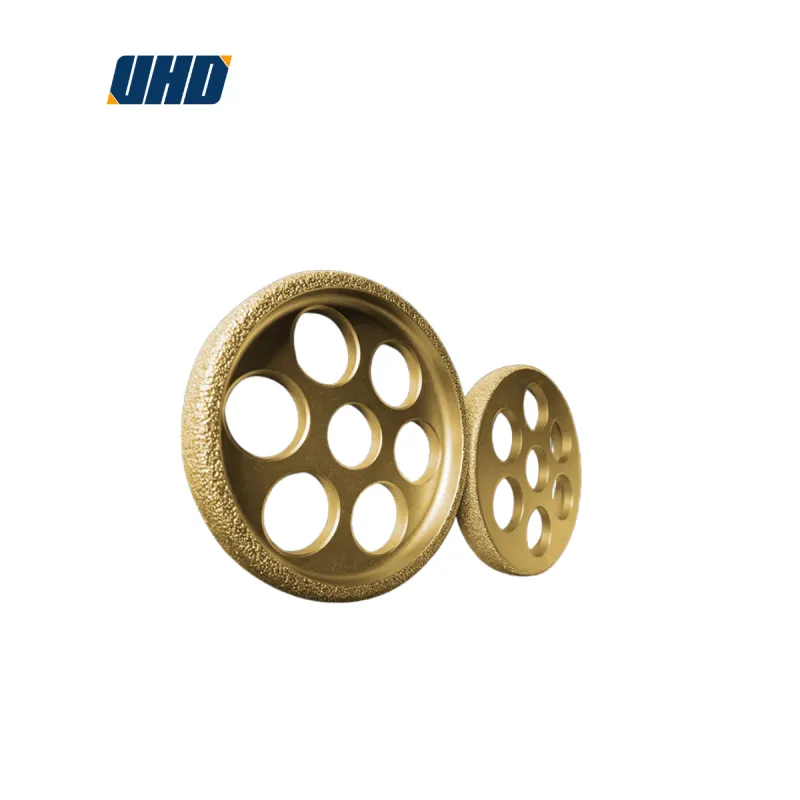
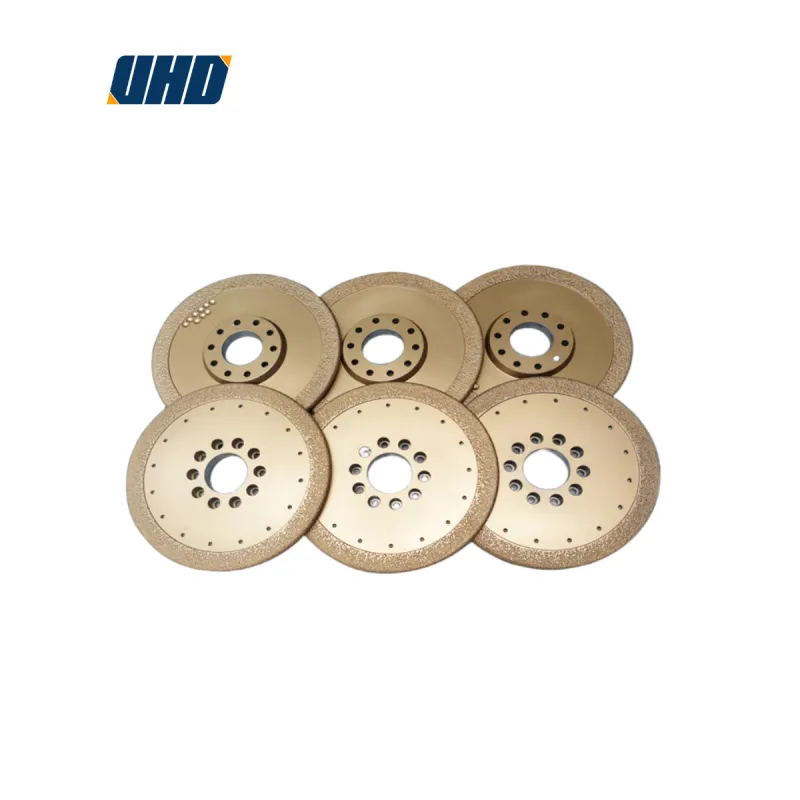
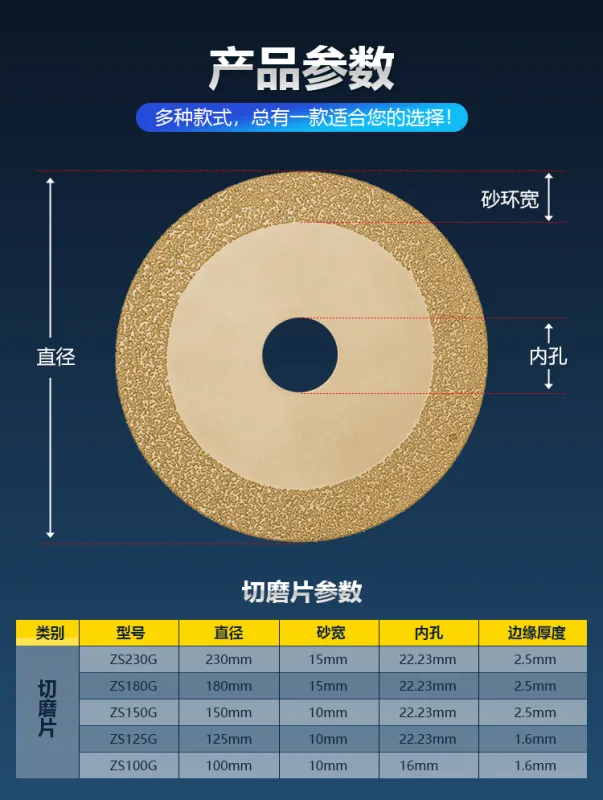
 anti-impact grinding wheels
diamond grinding wheel performance
brazed interface strength
fracture toughness
thermal stability
Diamond grinding wheel impact resistance
Fracture toughness testing
High - speed heavy - load grinding
Three - point bending test
Reasons for grinding wheel chipping
Gray cast iron grinding
Grinding fault diagnosis
Brazed diamond grinding disc
Grinding parameter optimization
Anti - impact grinding disc structure
custom diamond grinding wheels
curved surface grinding
efficient grinding solutions
grinding wheel diameter selection
industrial grinding wheel maintenance
Brazed diamond grinding disc
Heavy - load grinding efficiency
Wear - resistant diamond tools
Stainless steel high - efficiency grinding solution
Industrial - grade grinding disc lifespan improvement
anti-impact grinding wheels
diamond grinding wheel performance
brazed interface strength
fracture toughness
thermal stability
Diamond grinding wheel impact resistance
Fracture toughness testing
High - speed heavy - load grinding
Three - point bending test
Reasons for grinding wheel chipping
Gray cast iron grinding
Grinding fault diagnosis
Brazed diamond grinding disc
Grinding parameter optimization
Anti - impact grinding disc structure
custom diamond grinding wheels
curved surface grinding
efficient grinding solutions
grinding wheel diameter selection
industrial grinding wheel maintenance
Brazed diamond grinding disc
Heavy - load grinding efficiency
Wear - resistant diamond tools
Stainless steel high - efficiency grinding solution
Industrial - grade grinding disc lifespan improvement



.png?x-oss-process=image/resize,h_100,m_lfit/format,webp)
.png?x-oss-process=image/resize,h_100,m_lfit/format,webp)
.png?x-oss-process=image/resize,h_100,m_lfit/format,webp)
.png?x-oss-process=image/resize,h_800,m_lfit/format,webp)
.png?x-oss-process=image/resize,m_fill,h_800,w_800/format,webp)