How to Select the Optimal Diamond Grinding Disc Design by Material Type
2025-11-29
Product related content
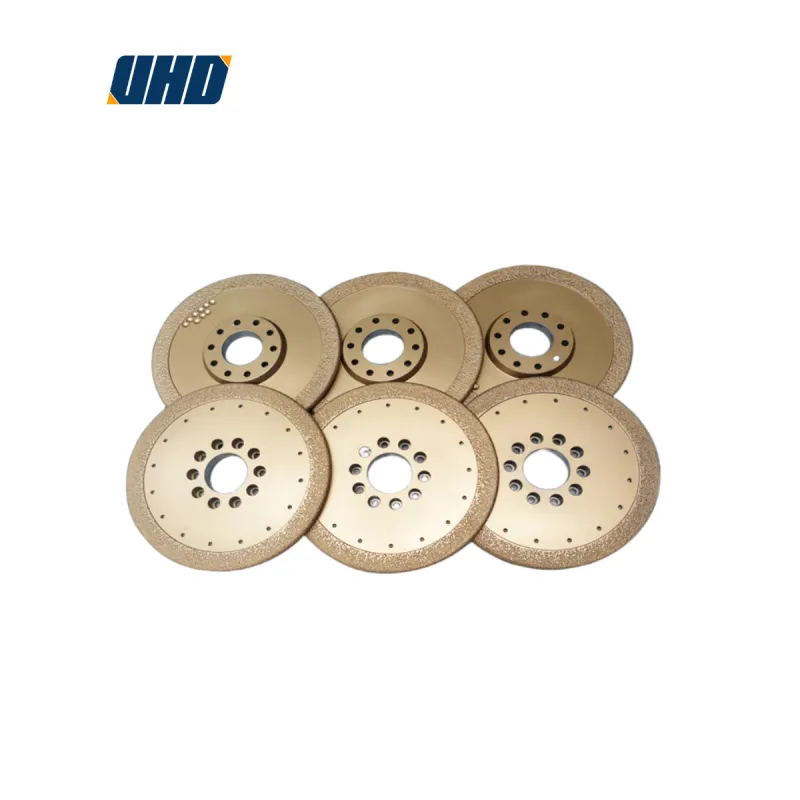
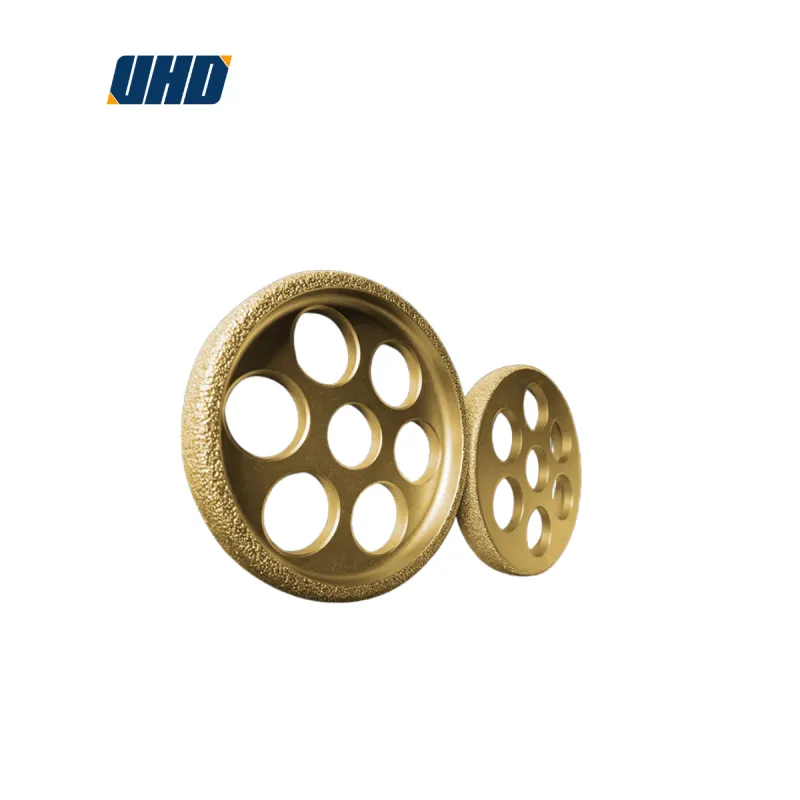
Foreign customers often ask: How do you match diamond grinding disc design to different materials? This article explains the key principles for grinding high-strength materials like gray cast iron, stainless steel, and hard alloys—focusing on contact arc length, dynamic cutting angles, and heat dissipation paths. Real-world case studies (e.g., aerospace titanium blades, stainless steel mold cavities) show measurable improvements in surface finish (Ra values) and tool life when selecting the right disc geometry. Includes a practical checklist for engineers to reduce burn marks, uneven wear, and rework rates—delivering actionable insights for precision grinding success.
How to Choose the Right Diamond Grinding Disc Based on Material Type?
If you're working in aerospace or mold manufacturing, chances are you've faced this question:
“Why does my diamond disc wear unevenly when grinding stainless steel? And why do I see burn marks on titanium parts?”
These aren't just annoying problems—they’re signs of a mismatch between your material and your grinding disc design. Let’s break down how to avoid them.
The Core Rule: Match Material Hardness with Cutting Geometry
For materials like gray cast iron (HB ~200), a standard flat disc with 15° rake angle works well—it cuts smoothly without excessive heat buildup. But switch to hardened stainless steel (HRC 45–50), and that same setup fails fast. Why? Because the harder material demands sharper cutting edges and better heat dissipation paths.
| Material |
Recommended Rake Angle |
Optimal RPM Range |
Avg. Surface Roughness (Ra) |
| Gray Cast Iron |
15° |
800–1000 |
0.8–1.2 μm |
| Stainless Steel (AISI 304) |
25° |
1000–1200 |
0.6–1.0 μm |
| Titanium Alloy (Ti-6Al-4V) |
30° |
600–800 |
0.5–0.8 μm |
In real-world tests at a German aerospace supplier, switching from 800 rpm to 1200 rpm for stainless steel reduced surface roughness from 1.5 μm to 0.7 μm—while also cutting tool life by 25%. That’s not just efficiency—it’s precision.
Three Key Factors That Make or Break Your Process
- Effective Contact Arc Length: Too short = poor cooling. Too long = vibration and chatter.
- Dynamic Rake Angle Adjustment: For curved surfaces, fixed angles cause edge loading—use variable geometry discs.
- Thermal Management Pathways: Internal cooling channels or segmented designs prevent localized overheating.
You don’t need to guess anymore. We’ve compiled a simple checklist based on thousands of hours of field testing across 30+ industries—from medical implants to turbine blades.
✅ Your Quick Reference: Diamond Disc Selection Checklist
- Is the material softer than HRC 35? → Use standard flat disc (15° rake).
- Is it stainless or hardened steel? → Go for 25° rake + coolant flow optimization.
- Working with titanium or composites? → Opt for 30° rake + segmented design.
- Grinding complex curves? → Invest in adaptive geometry discs.
This isn’t theory—it’s what our engineers use daily to reduce rework rates by up to 40% in high-value machining environments.
Get Your Free Material-Specific Grinding Guide

.png?x-oss-process=image/resize,h_800,m_lfit/format,webp)


.png?x-oss-process=image/resize,h_100,m_lfit/format,webp)
.png?x-oss-process=image/resize,h_100,m_lfit/format,webp)
.png?x-oss-process=image/resize,h_100,m_lfit/format,webp)
.png?x-oss-process=image/resize,m_fill,h_800,w_800/format,webp)