
Experiencing abnormal grinding vibrations or frequent surface ripples during precision machining? These often stem from overlooked impact resistance problems in diamond grinding wheels. Understanding how to effectively evaluate your grinding wheel's robustness can save you from costly tool failures, compromised surface finish, and unexpected downtime.
Diamond grinding wheels undergo intense mechanical stresses during high-speed operations. Insufficient impact resistance leads to chip-off, edge chipping, or even wheel fractures, manifesting as increased vibration and surface ripple defects—both critical quality killers. Key mechanical properties like bending strength and fracture toughness define a wheel’s ability to withstand sudden shocks without cracking.
Industry data shows that wheels with bending strength below 75 MPa and fracture toughness under 5 MPa·m0.5 exhibit a 30-50% higher failure rate under typical grinding loads. This directly affects machining precision and equipment safety.
A sharp, consistent grinding noise usually indicates stable cutting action. However, if you notice sudden changes such as shrill squeaks, rattling, or intermittent knocking sounds, it's a strong red flag of grinding wheel impact damage or micro-cracks developing.
These acoustic anomalies happen because fractured diamond grains or weakened bond structures cause irregular force transmission. To monitor effectively:
Another practical diagnostic is analyzing the sparks generated by the grinding wheel during operation:
Frequent spark changes under the same operating conditions are a prime indicator of compromised wheel impact resistance.
Monitoring vibration precisely can quantify the grinding wheel’s stability. Typically, impact-damaged wheels exhibit vibration amplitude spikes 20%–70% above normal thresholds.
Use accelerometers mounted close to the spindle housing to collect vibration data in three axes. Cross-reference with known standards:
Regular vibration assessments, integrated with your preventive maintenance, drastically reduce unexpected failures.
The three-point bending test is the industry benchmark to evaluate diamond grinding wheel strength. It simulates dynamic loading conditions where the wheel withstands bending forces and impact shocks.
Key outcomes from this test provide:
Selecting grinding wheels with optimized mechanical properties ensures longevity and surface finish consistency, especially in high-precision grinding operations where stability is paramount.
Share Your Experience: Have you encountered spindle vibrations or surface ripple issues linked to grinding wheel damage? Leave your comments below and let’s discuss solutions tailored to your challenging working conditions!
Get access to our Comprehensive Tool Selection Reference Guide, packed with actionable insights and technical checklists to guide your next diamond grinding wheel procurement.
Download the Free Guide & Consult Online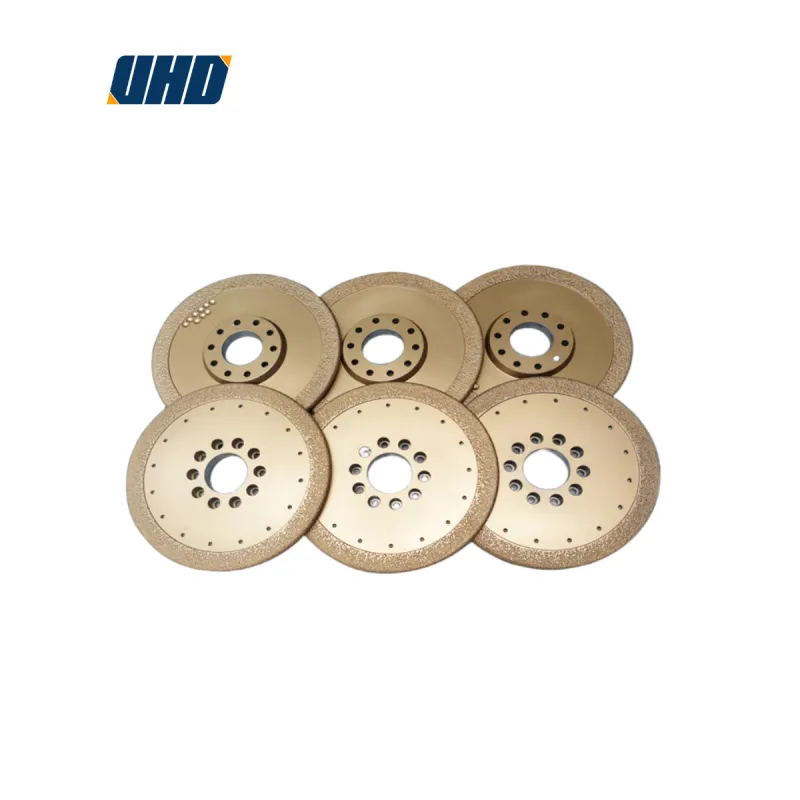

.png?x-oss-process=image/resize,h_800,m_lfit/format,webp)
 heavy-duty grinding wheel compatibility
substrate material strength assessment
brazed diamond grinding wheel
industrial grinding wheel failure analysis
continuous grinding operations
brazed diamond grinding wheel
high - efficiency and wear - resistant grinding wheel
grinding wheel life management
industrial grinding tool
grinding wheel daily maintenance
anti-impact grinding wheels
diamond grinding wheel performance
brazed interface strength
fracture toughness
thermal stability
Brazed diamond grinding disk customization
High-efficiency wear-resistant grinding disk
Carbide precision grinding solutions
Diamond grain specification selection
Industrial grinding tool optimization
Gray cast iron grinding
Grinding fault diagnosis
Brazed diamond grinding disc
Grinding parameter optimization
Anti - impact grinding disc structure
heavy-duty grinding wheel compatibility
substrate material strength assessment
brazed diamond grinding wheel
industrial grinding wheel failure analysis
continuous grinding operations
brazed diamond grinding wheel
high - efficiency and wear - resistant grinding wheel
grinding wheel life management
industrial grinding tool
grinding wheel daily maintenance
anti-impact grinding wheels
diamond grinding wheel performance
brazed interface strength
fracture toughness
thermal stability
Brazed diamond grinding disk customization
High-efficiency wear-resistant grinding disk
Carbide precision grinding solutions
Diamond grain specification selection
Industrial grinding tool optimization
Gray cast iron grinding
Grinding fault diagnosis
Brazed diamond grinding disc
Grinding parameter optimization
Anti - impact grinding disc structure



.png?x-oss-process=image/resize,h_100,m_lfit/format,webp)
.png?x-oss-process=image/resize,h_100,m_lfit/format,webp)
.png?x-oss-process=image/resize,h_100,m_lfit/format,webp)
.png?x-oss-process=image/resize,h_800,m_lfit/format,webp)
