
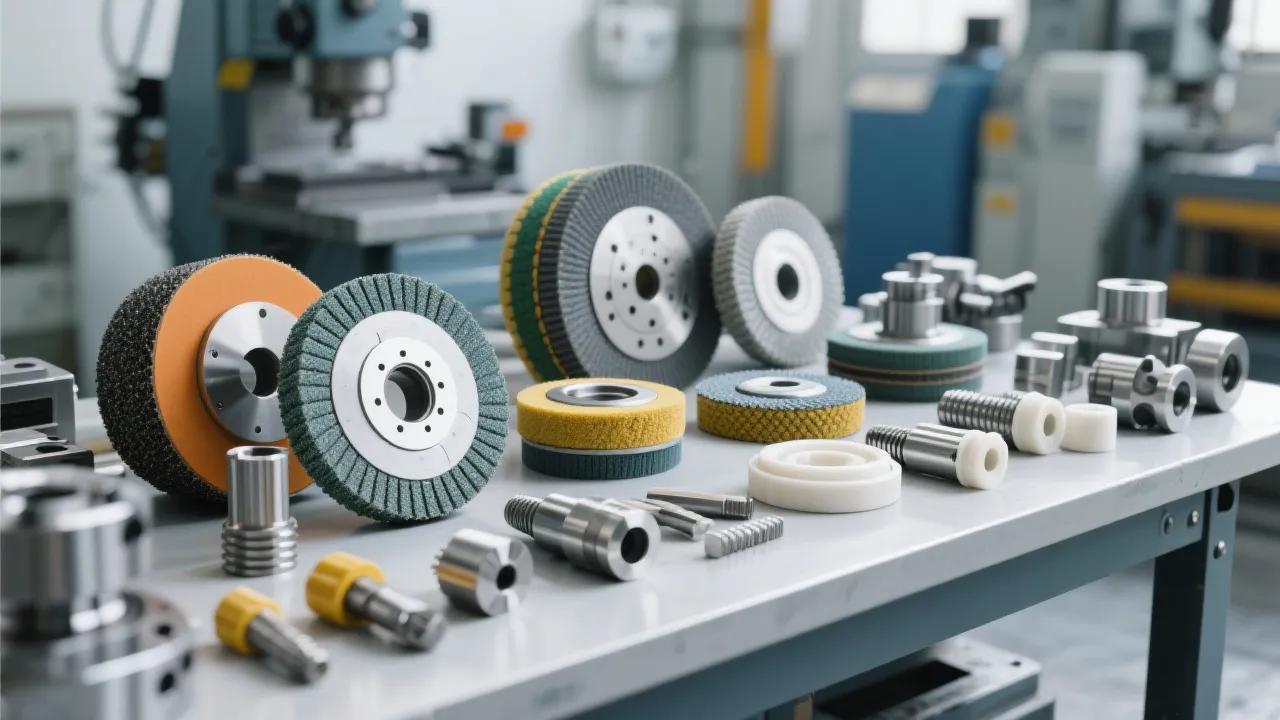
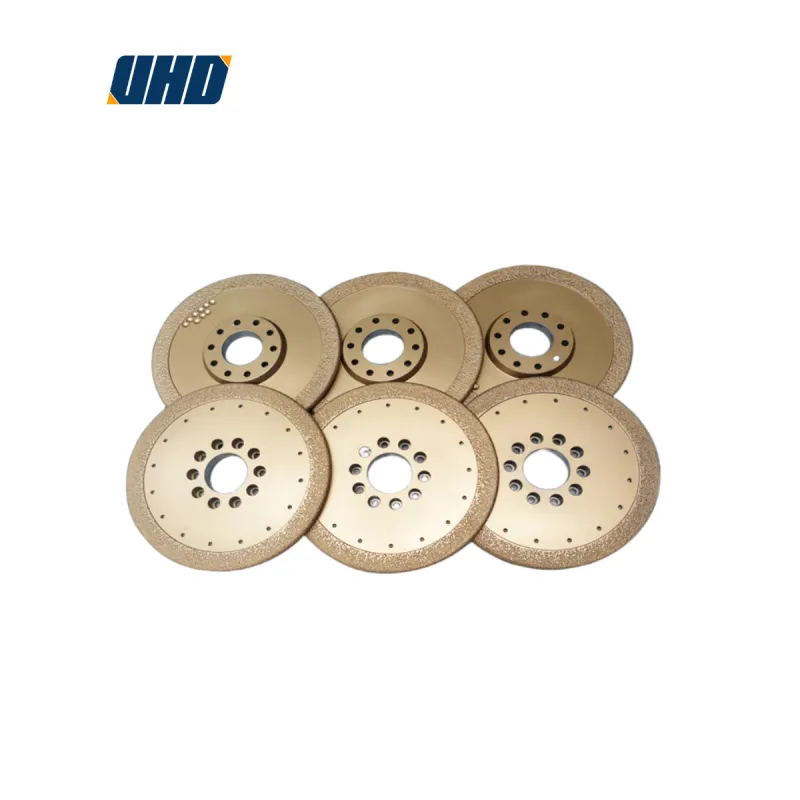
In the high-speed and heavy-load grinding environment, UHD diamond grinding wheels encounter a series of critical challenges. The high-speed rotation generates intense impact forces, which put forward strict requirements for the anti-impact performance of the grinding wheels. Any slight defect in anti-impact performance may lead to a series of problems in the grinding process, affecting the processing accuracy and equipment safety.
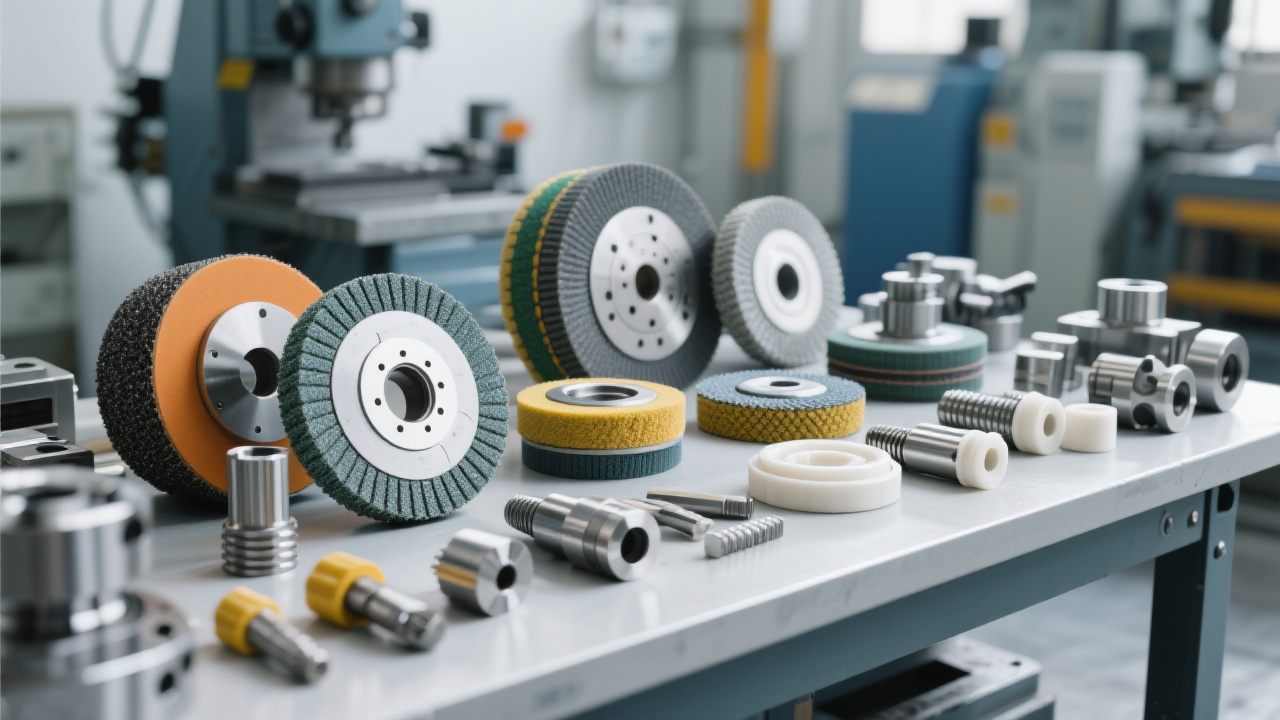
The anti-impact performance of UHD diamond grinding wheels has a direct impact on processing accuracy. When the grinding wheel has poor anti-impact performance, it is prone to generate surface ripples on the workpiece during the grinding process. These surface ripples not only affect the surface quality of the workpiece but also reduce the dimensional accuracy. According to relevant research, in high-speed grinding, if the anti-impact performance of the grinding wheel is not up to standard, the surface roughness of the workpiece may increase by about 30% - 50%, and the dimensional error may increase by about 20% - 30%.
Bending strength and fracture toughness are two core indicators to measure the anti-impact performance of UHD diamond grinding wheels. Bending strength refers to the maximum stress that the grinding wheel can withstand under bending load. A higher bending strength means that the grinding wheel can better resist the bending force generated during high-speed rotation. Fracture toughness reflects the ability of the grinding wheel to resist crack propagation. A grinding wheel with high fracture toughness can effectively prevent cracks from expanding under impact, ensuring the integrity and stability of the grinding wheel during the grinding process.
There are two mainstream testing methods for the anti-impact performance of UHD diamond grinding wheels: the three - point bending test and the impact energy absorption test. The three - point bending test is suitable for accurately measuring the bending strength of the grinding wheel. By applying a load at the center of the grinding wheel sample supported at both ends, the maximum bending stress that the grinding wheel can withstand can be obtained. The impact energy absorption test is mainly used to evaluate the ability of the grinding wheel to absorb impact energy. By measuring the energy absorbed by the grinding wheel during the impact process, the anti-impact performance of the grinding wheel can be comprehensively evaluated.
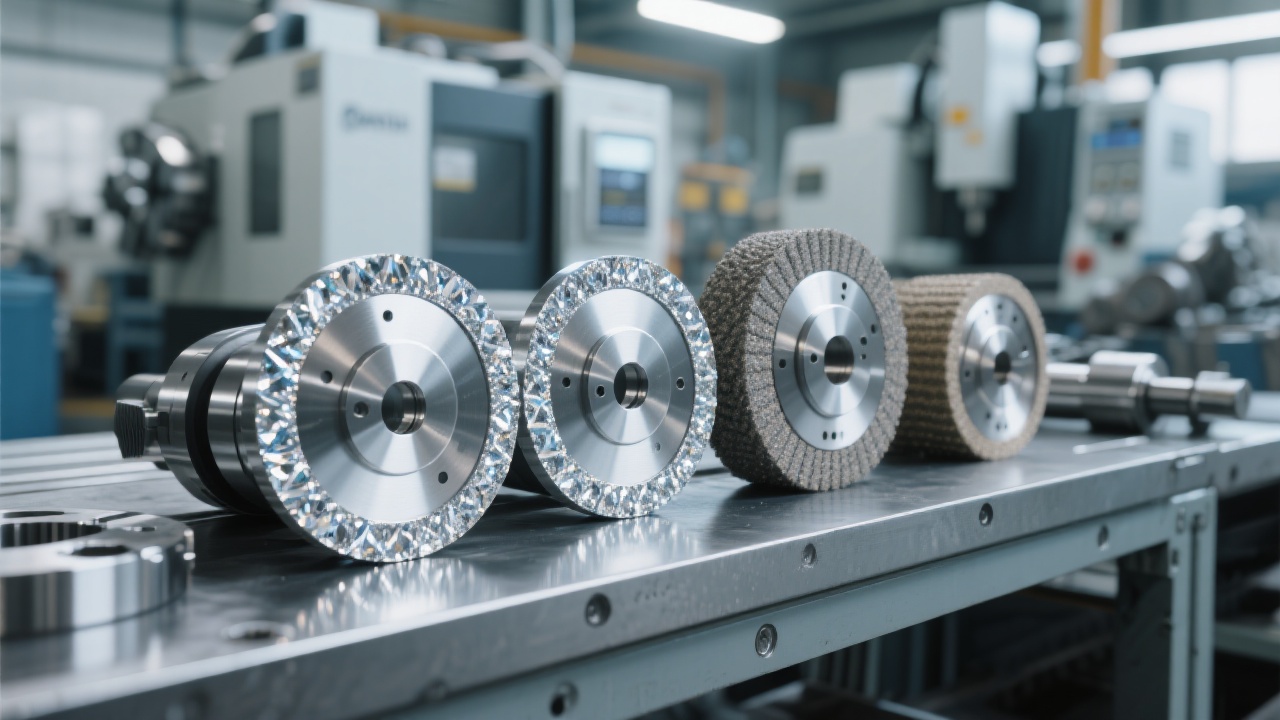
In practical applications, there are many cases where the anti-impact performance of UHD diamond grinding wheels is insufficient. For example, in a certain high-precision grinding project, due to the low anti-impact performance of the grinding wheel, the surface of the workpiece showed obvious surface ripples, and the vibration of the grinding equipment increased significantly. As a result, a large number of workpieces were scrapped, and the production efficiency was reduced by about 40%. Through in-depth analysis, it was found that the main reason was the low bending strength and fracture toughness of the grinding wheel, which could not effectively resist the impact force during high-speed grinding.
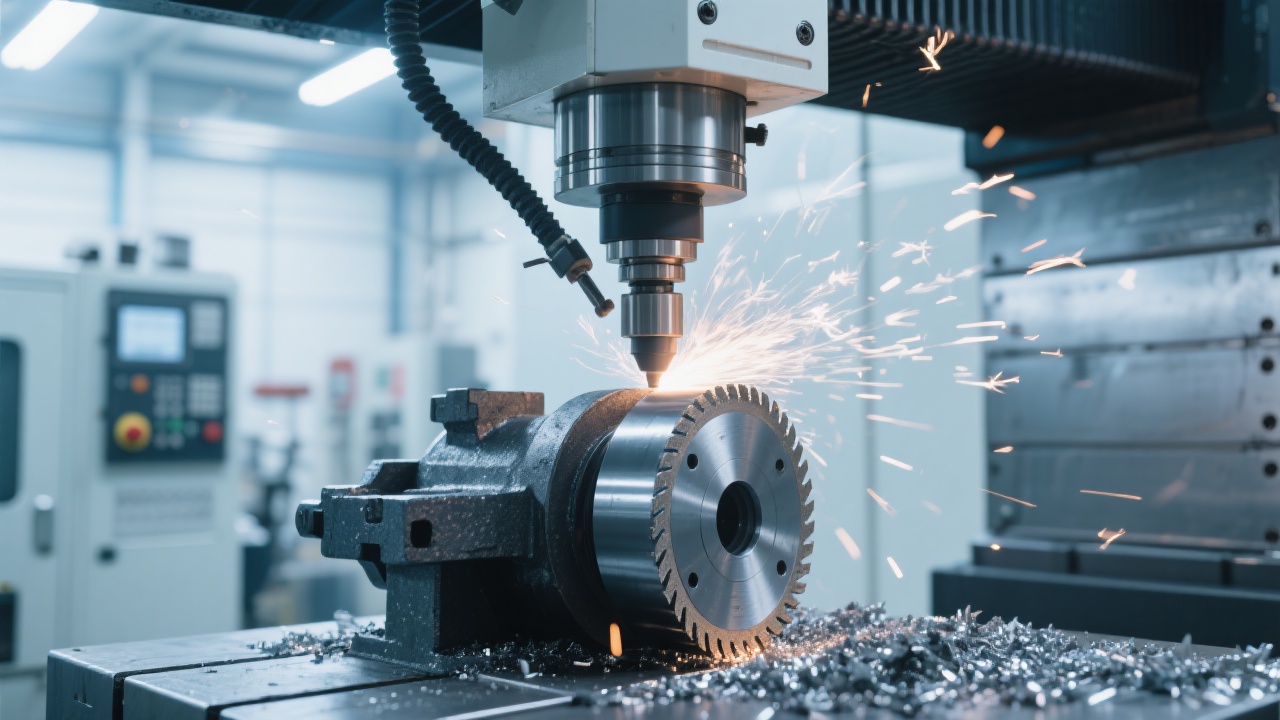
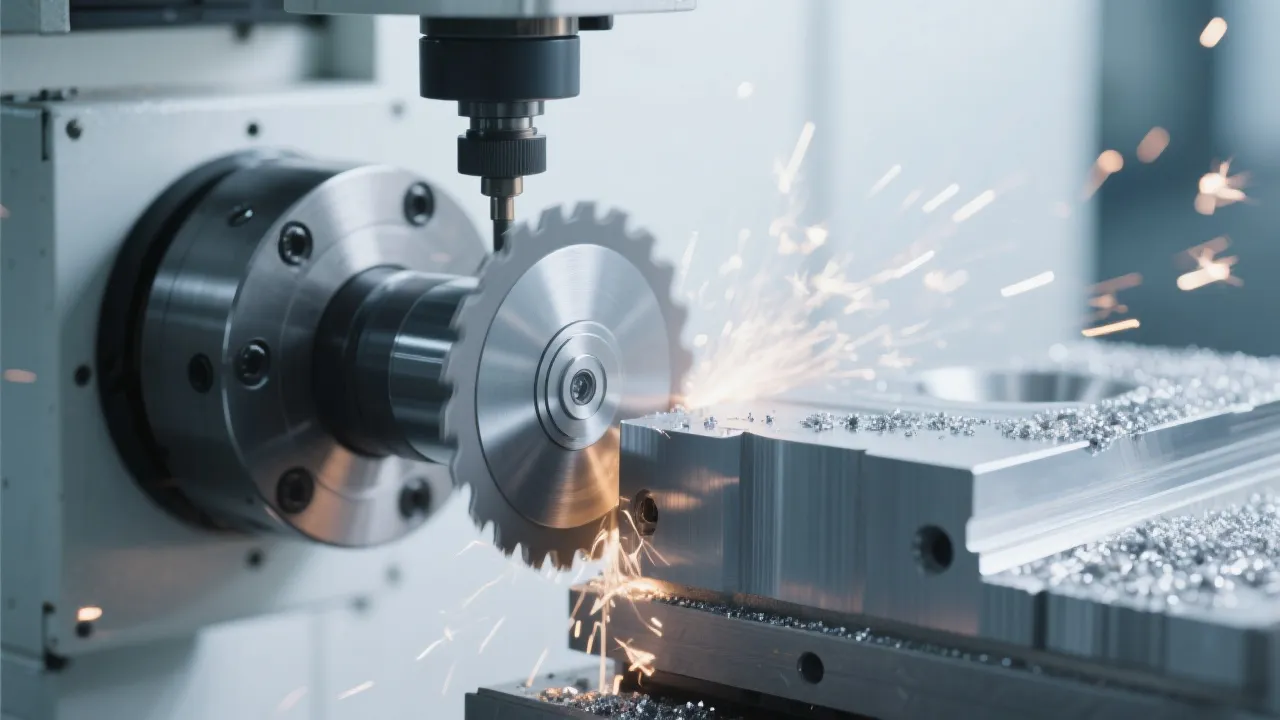
For process engineers, it is very important to quickly judge the anti-impact performance of UHD diamond grinding wheels on-site. By observing the sound, sparks, and vibration characteristics during the grinding process, the performance of the grinding wheel can be preliminarily judged. For example, if the grinding sound is sharp and accompanied by abnormal vibration, it may indicate that the anti-impact performance of the grinding wheel is poor. If the sparks are scattered and irregular, it may also be a sign of insufficient anti-impact performance.
Do you have any experience in using UHD diamond grinding wheels? Share your thoughts and experiences in the comments below! To help you make more scientific choices in the selection of diamond grinding wheels, we have prepared a valuable Diamond Grinding Wheel Selection Reference Manual. Click the link to download it immediately!

 curved surface precision grinding
diamond grinding disc
wear mechanism
process optimization
high-performance grinding tools
Brazed diamond grinding wheels
High - wear - resistant grinding wheels
Diamond grinding wheel technology
Grinding wheel life management
Brazing technology
brazed diamond wheels
grinding efficiency optimization
coolant management in grinding
feed rate optimization for grinding
wheel condition monitoring
Brazed diamond grinding disc
Heavy - duty continuous operation
Grinding disc base material strength
Brazed interface bonding force
Grinding disc failure mode
curved precision grinding
diamond grinding wheel force analysis
grinding contact arc length
grinding heat control
titanium impeller grinding
curved surface precision grinding
diamond grinding disc
wear mechanism
process optimization
high-performance grinding tools
Brazed diamond grinding wheels
High - wear - resistant grinding wheels
Diamond grinding wheel technology
Grinding wheel life management
Brazing technology
brazed diamond wheels
grinding efficiency optimization
coolant management in grinding
feed rate optimization for grinding
wheel condition monitoring
Brazed diamond grinding disc
Heavy - duty continuous operation
Grinding disc base material strength
Brazed interface bonding force
Grinding disc failure mode
curved precision grinding
diamond grinding wheel force analysis
grinding contact arc length
grinding heat control
titanium impeller grinding



.png?x-oss-process=image/resize,h_100,m_lfit/format,webp)
.png?x-oss-process=image/resize,h_100,m_lfit/format,webp)
.png?x-oss-process=image/resize,h_100,m_lfit/format,webp)
.png?x-oss-process=image/resize,h_800,m_lfit/format,webp)
