
When grinding gray cast iron and stainless steel, surface issues such as burning, cracking, and excessive roughness frequently hinder your productivity. Understanding how these materials' physical properties affect grinding forces and diamond grain wear patterns can empower you to diagnose and resolve efficiency drops quickly and reliably. This guide delves into the core mechanisms behind grinding wheel wear and provides you with practical tools to optimize your process for long-term performance.
| Material | Main Grinding Difficulty | Typical Wear Pattern | Recommended Strategy |
|---|---|---|---|
| Gray Cast Iron | Cracking and thermal stress concentration | Grain chipping and edge breakage | Lower feed rates, moderate speed, effective coolant application |
| Stainless Steel | Surface burning and increased grinding forces | Grain bluntness and smearing | Increase wheel speed, reduce depth of cut, optimize coolant flow |
The force distribution during grinding varies significantly with your material’s hardness and thermal conductivity. Gray cast iron’s microstructure promotes stress concentration, accelerating grain edge chipping and eventual tool failure. Conversely, stainless steel’s toughness causes higher frictional heat, leading to diamond grain blunting and smearing. Recognizing whether point erosion, grain spalling, or chemical wear predominates will guide your parameter adjustments or tool material selection.
Watching how your chips look under magnification tells you exactly what your grinding wheel and parameters are doing. For gray cast iron:
For stainless steel:
In one industrial trial with stainless steel, reducing the depth of cut from 0.02 mm to 0.01 mm while increasing wheel speed by 15% led to:
For gray cast iron, lowering feed rates by 20% reduced crack initiation incidents by over 50%, as stress distribution became more uniform. These data-backed adjustments highlight the importance of customizing your grinding setup according to material-specific wear patterns.
Regular dressing of your diamond wheel is essential to restore sharpness and expose fresh grains. Selecting a wheel body compatible with the thermal expansion and rigidity demands of your material further prevents premature failure. For example, resin-bonded wheels excel with stainless steel, while vitrified bonds better suit gray cast iron grinding — a crucial consideration often missed in daily operations.
Understanding how heat accumulates at micro-crack sites clarifies why controlling parameters is vital. Although a direct image isn’t provided here, imagine heat concentrating unevenly on the brittle phases of cast iron, accelerating crack propagation and rapid tool chipping.
You now have a structured method to detect grinding wheel wear patterns and interpret grinding chip morphology for both gray cast iron and stainless steel. This diagnostic approach, combined with parameter optimization and maintenance best practices, will help you unlock higher efficiency and tool longevity.
Ready to transform your grinding process? Download Our Metal Grinding Parameter Reference Table and master your machining precision today.
.png?x-oss-process=image/resize,h_800,m_lfit/format,webp)
 brazed diamond grinding wheel maintenance
diamond grinding wheel lifespan extension
industrial grinding tool applications
high-efficiency wear-resistant grinding wheels
superhard tool maintenance
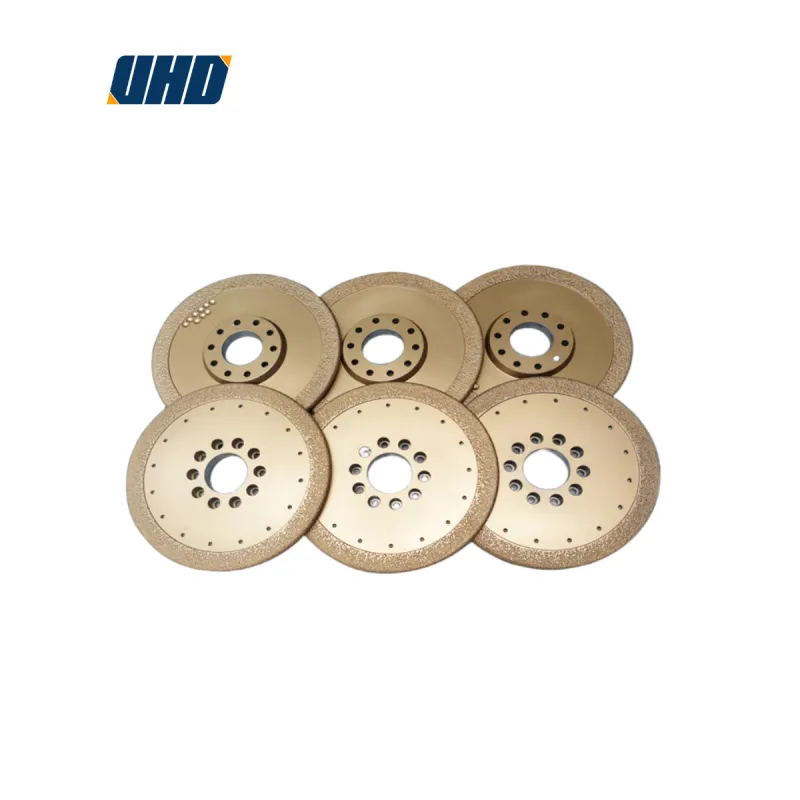
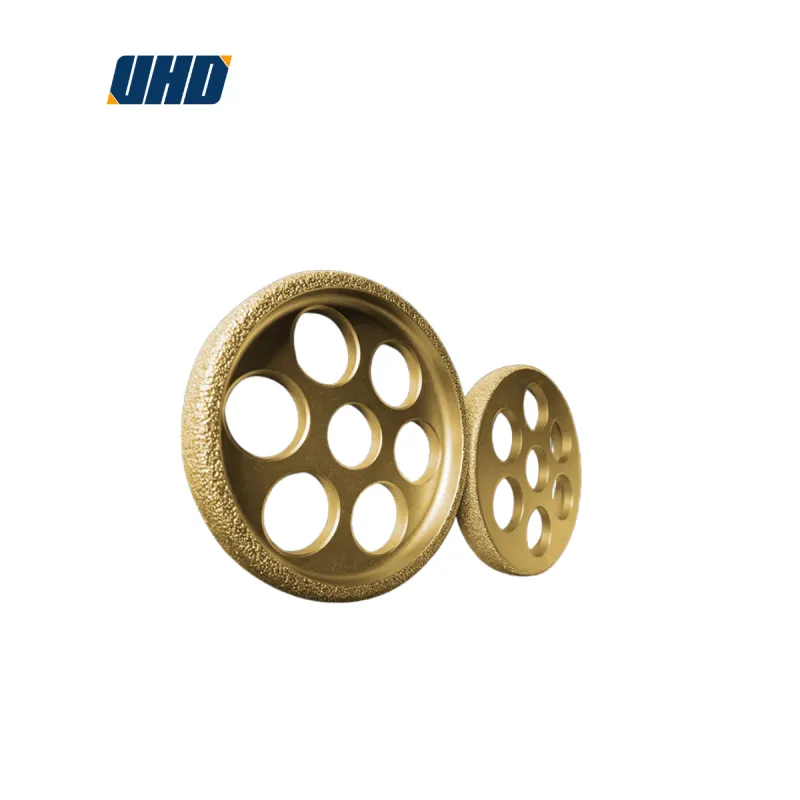
High-wear-resistant brazed diamond grinding disk
Curved surface grinding customization solution
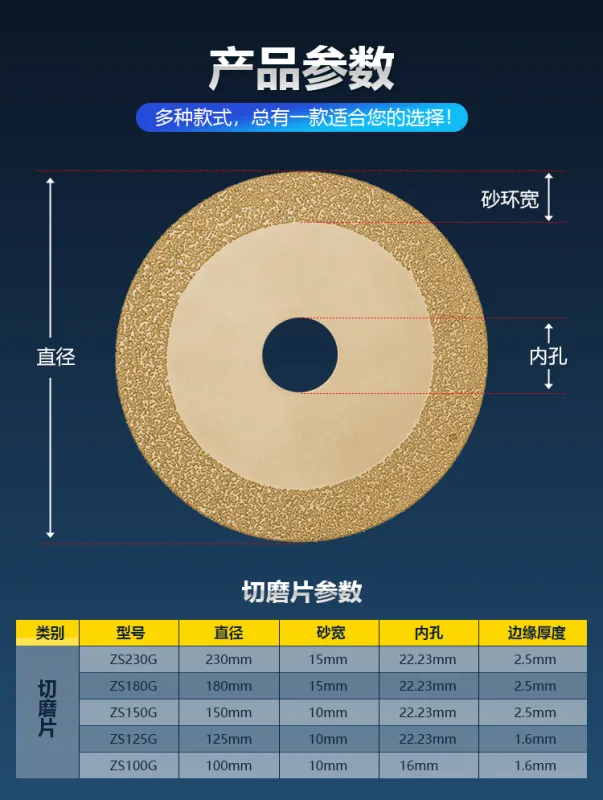
Diamond grinding disk aperture selection
Edge thickness customization
Hard material processing grinding disk
Automation diamond saw blades
Vacuum brazing technology
Metal cutting tools
Production efficiency improvement
Cutting equipment durability
brazed diamond grinding wheel
impact resistance testing
grinding stability optimization
industrial diamond tools
125mm grinding disc
Diamond grinding disc aperture selection guide
Curved surface grinding customization solution
Highly wear-resistant brazed diamond grinding disc
Stainless steel machining grinding disc customization
Hard alloy grinding solution
brazed diamond grinding wheel maintenance
diamond grinding wheel lifespan extension
industrial grinding tool applications
high-efficiency wear-resistant grinding wheels
superhard tool maintenance
High-wear-resistant brazed diamond grinding disk
Curved surface grinding customization solution
Diamond grinding disk aperture selection
Edge thickness customization
Hard material processing grinding disk
Automation diamond saw blades
Vacuum brazing technology
Metal cutting tools
Production efficiency improvement
Cutting equipment durability
brazed diamond grinding wheel
impact resistance testing
grinding stability optimization
industrial diamond tools
125mm grinding disc
Diamond grinding disc aperture selection guide
Curved surface grinding customization solution
Highly wear-resistant brazed diamond grinding disc
Stainless steel machining grinding disc customization
Hard alloy grinding solution



.png?x-oss-process=image/resize,h_100,m_lfit/format,webp)
.png?x-oss-process=image/resize,h_100,m_lfit/format,webp)
.png?x-oss-process=image/resize,h_100,m_lfit/format,webp)
.png?x-oss-process=image/resize,h_800,m_lfit/format,webp)
