
In heavy-duty grinding applications—especially in stainless steel and hard alloy machining—the uniformity of the diamond layer isn’t just a technical detail. It’s the difference between consistent performance and costly downtime.
Industrial standards like ISO 17533 and ASTM D7954 define acceptable diamond distribution across a grinding surface. But real-world data shows that even within these norms, variations can lead to premature failure. For example:
These numbers come from field tests conducted at UHD’s R&D lab over 18 months with 47 different grinding setups. The takeaway? A seemingly small variance in diamond placement can cause significant differences in wear patterns—and ultimately, machine reliability.
"We used to replace our grinding wheels every two weeks. After switching to UHD’s high-uniformity model, we’re now running three weeks per wheel—with no vibration issues." – Carlos Mendez, Production Manager, MetalTech Solutions (Spain)
Let’s look at two common scenarios:
These aren't hypotheticals—they're documented cases from clients in automotive parts manufacturing and aerospace component production.
You don’t need an electron microscope to spot problems. Here’s a simple checklist for shop floor staff:
This kind of proactive check helps avoid surprises during peak production runs.
UHD’s proprietary diamond distribution control process ensures ≥90% uniformity across all industrial-grade grinders—proven in thousands of hours of real-world operation.
Choose UHD High-Wear Resistance Grinders – Let Every Heavy Load Stay Stable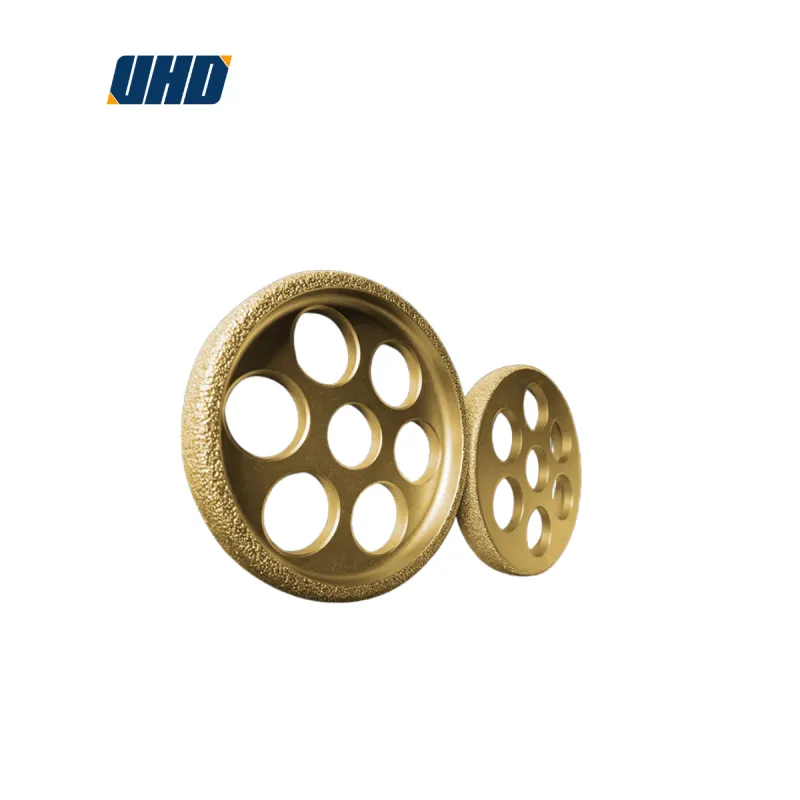
.png?x-oss-process=image/resize,h_800,m_lfit/format,webp)
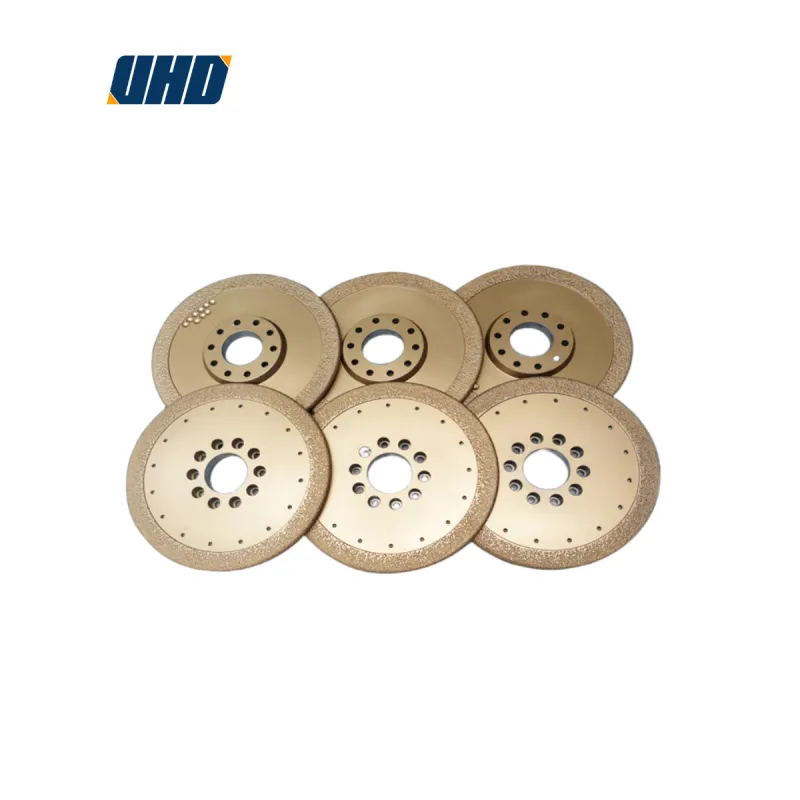
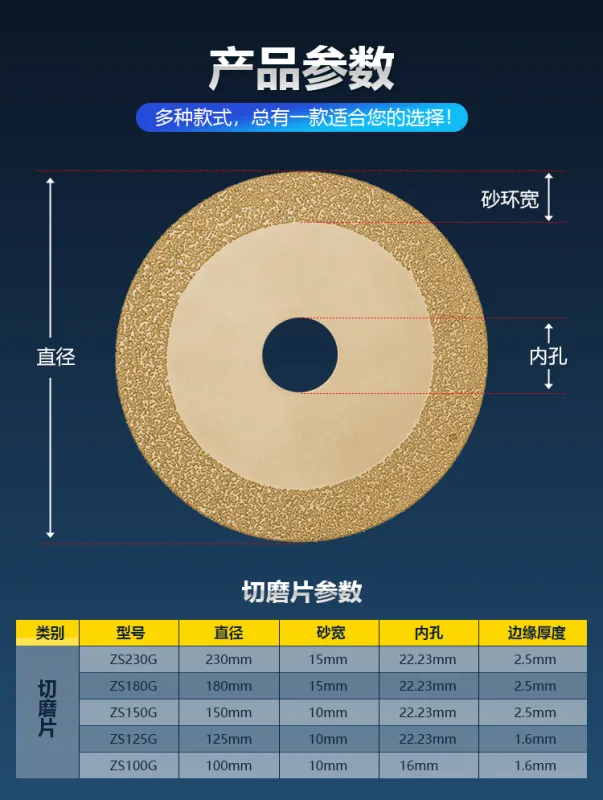

 Automation diamond saw blades
Vacuum brazing technology
Metal cutting tools
Production efficiency improvement
Cutting equipment durability
Diamond cutting and grinding wheels
Superhard tools
Industrial cutting solutions
Brazed diamond tools
High - manganese steel substrate wheels
Brazed diamond grinding wheels
Diamond grinding wheel customization
Gray cast iron grinding tools
Industrial grinding wheel solutions
Super - hard material tools
custom diamond grinding wheels
curved surface grinding
efficient grinding solutions
grinding wheel diameter selection
industrial grinding wheel maintenance
brazed diamond grinding wheels
wear-resistant diamond wheels
gray cast iron grinding tools
industrial grinding solutions
UHD custom grinding wheels
Automation diamond saw blades
Vacuum brazing technology
Metal cutting tools
Production efficiency improvement
Cutting equipment durability
Diamond cutting and grinding wheels
Superhard tools
Industrial cutting solutions
Brazed diamond tools
High - manganese steel substrate wheels
Brazed diamond grinding wheels
Diamond grinding wheel customization
Gray cast iron grinding tools
Industrial grinding wheel solutions
Super - hard material tools
custom diamond grinding wheels
curved surface grinding
efficient grinding solutions
grinding wheel diameter selection
industrial grinding wheel maintenance
brazed diamond grinding wheels
wear-resistant diamond wheels
gray cast iron grinding tools
industrial grinding solutions
UHD custom grinding wheels

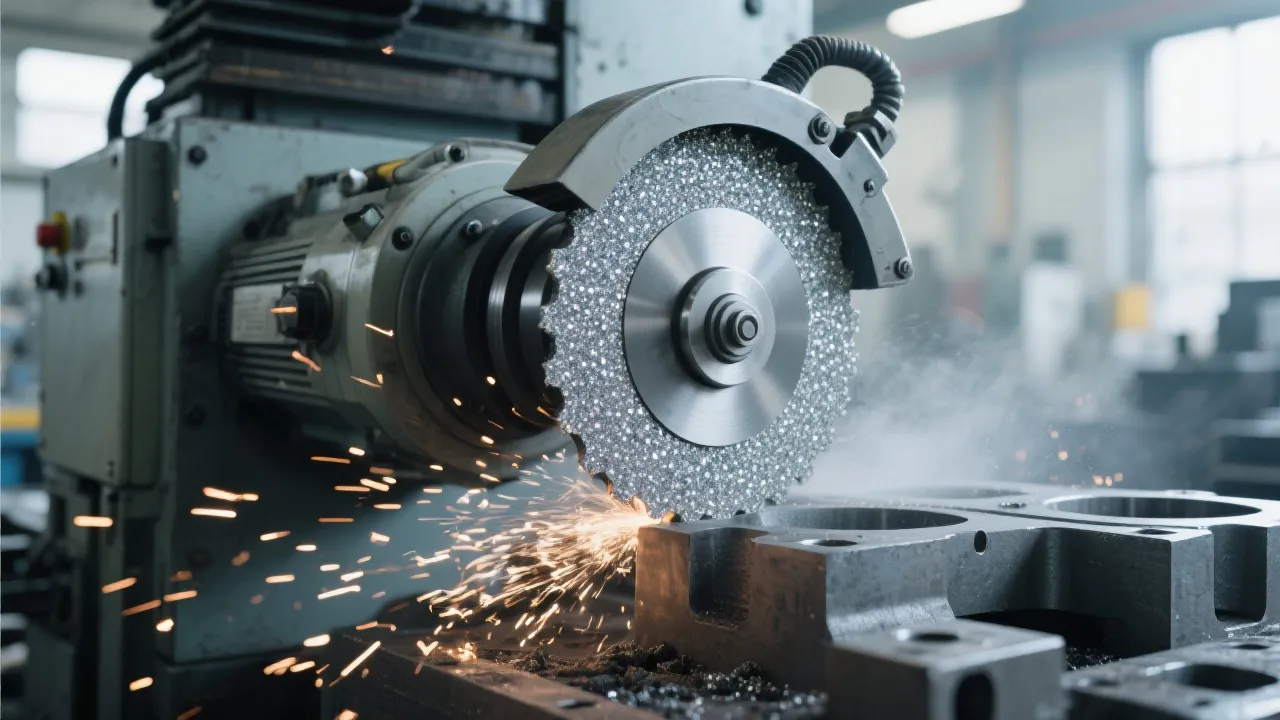


.png?x-oss-process=image/resize,h_100,m_lfit/format,webp)
.png?x-oss-process=image/resize,h_100,m_lfit/format,webp)
.png?x-oss-process=image/resize,h_100,m_lfit/format,webp)
.png?x-oss-process=image/resize,m_fill,h_800,w_800/format,webp)