
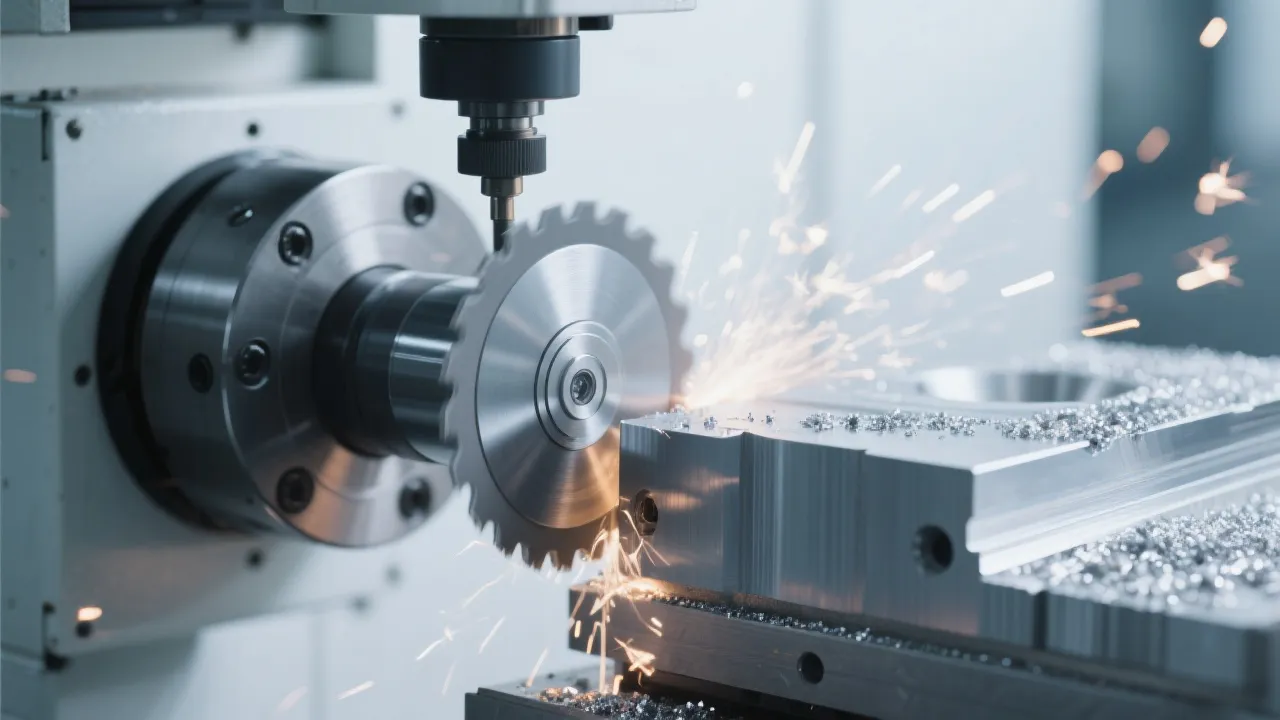
Precision grinding of curved surfaces presents unique challenges that significantly differ from flat surface grinding. In industries such as aerospace and mold manufacturing, where component tolerances often require micron-level precision, understanding the intricate relationship between diamond tool performance and grinding dynamics becomes critical. Recent industry studies indicate that improper handling of curved surface grinding parameters leads to an average of 22% tool wear acceleration and 18% increase in workpiece rejection rates compared to flat surface operations.
The transition from flat to curved surface grinding fundamentally alters three critical aspects of the grinding process:
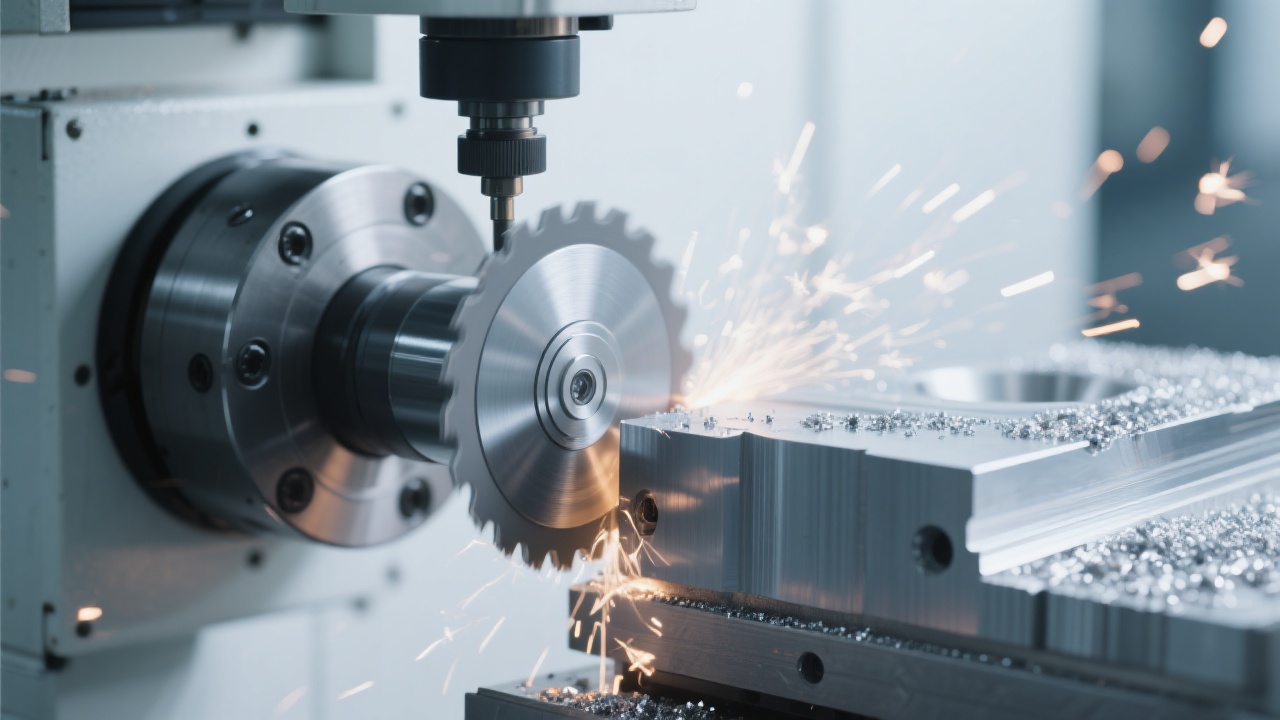
Advanced finite element analysis reveals distinct stress distribution patterns in curved grinding applications. The variable contact geometry creates alternating zones of compressive and tensile stresses that oscillate between 120 MPa and 280 MPa during typical titanium alloy grinding operations. This dynamic stress environment contributes to two primary failure modes:
| Failure Mode | Contributing Factors | Typical Manifestation | Tool Life Impact |
|---|---|---|---|
| Localized Thermal Damage | Heat concentration in small contact zones | Surface discoloration, micro-cracks | 15-30% reduction |
| Uneven Abrasive Wear | Variable pressure distribution | Non-uniform diamond grain exposure | 22-45% reduction |
Through extensive testing across 12 common workpiece materials, we've identified optimal parameter ranges that balance material removal rates with tool preservation. The data clearly demonstrates that traditional flat-grinding parameters applied to curved surfaces result in accelerated wear patterns and suboptimal surface finishes.
Key Parameter Adjustments:
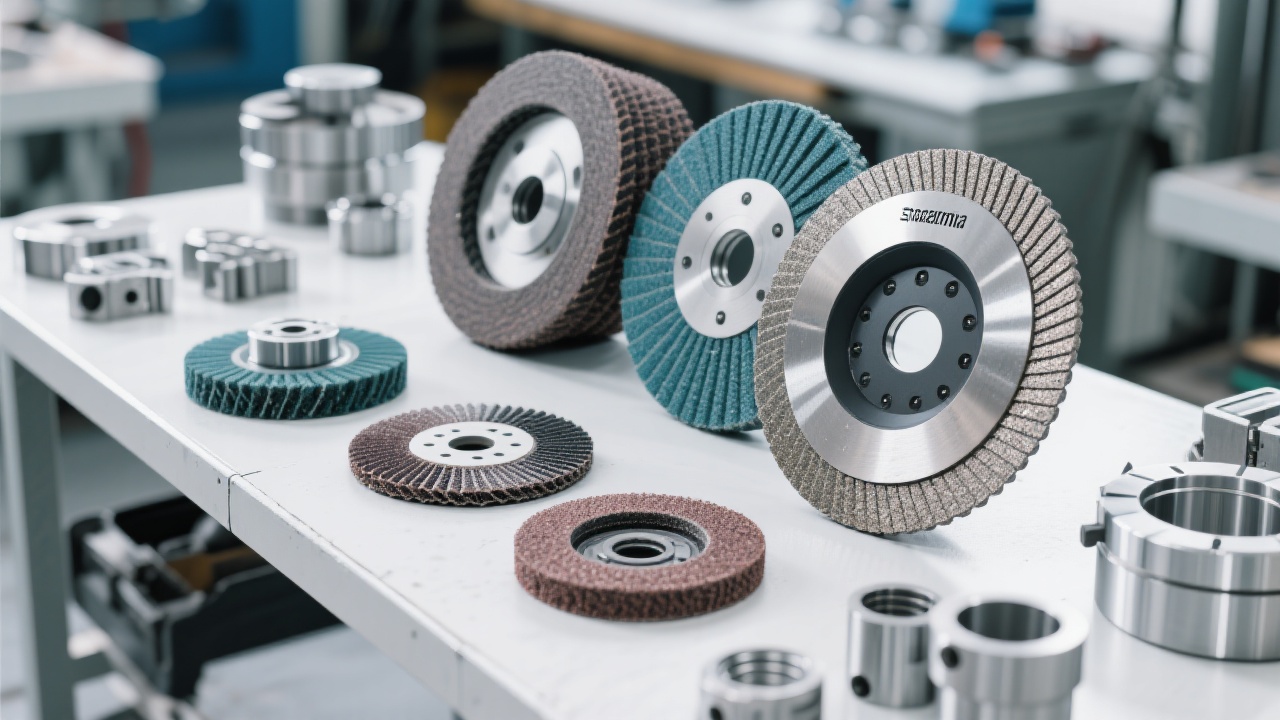
In aerospace titanium alloy impeller manufacturing, a leading OEM implemented our optimized parameter set and observed a 37% reduction in diamond tool consumption while improving surface finish from Ra 1.2μm to Ra 0.45μm. The implementation required careful adjustment of both machine parameters and tool selection, emphasizing the importance of a holistic approach to curved surface grinding.
Similarly, a precision mold manufacturer producing stainless steel型腔 components reduced rework rates by 42% after implementing our recommended process controls. Critical to their success was the adoption of a segmented approach to tool selection based on specific curvature zones within the same workpiece.
Successful implementation of curved surface grinding optimization requires a systematic approach that combines tool selection, parameter adjustment, and ongoing monitoring. Our recommended implementation sequence includes:
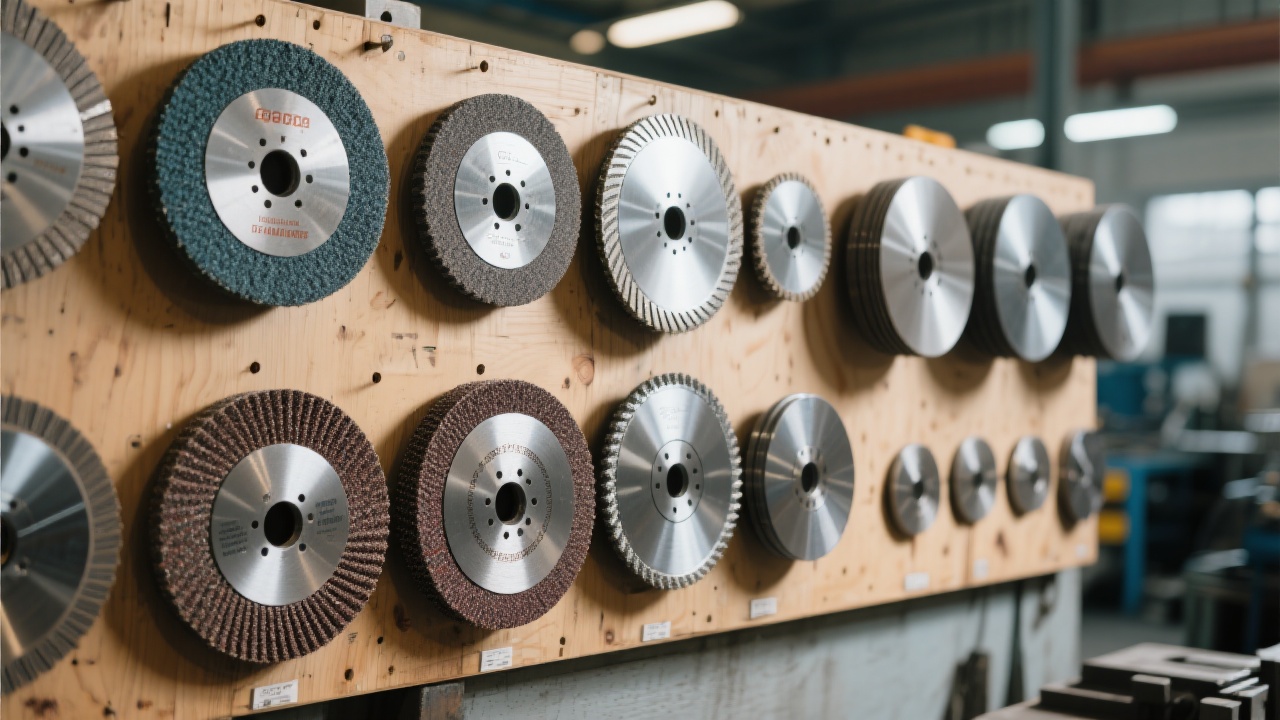
Discover how our specialized brazed diamond grinding tools and application expertise can reduce tool costs by up to 40% while improving surface quality.
Find Your Optimal Curved Grinding SolutionEvery curved surface grinding application presents its unique challenges, but the underlying principles of force distribution, heat management, and tool interaction remain consistent. By applying the insights gained from material science and practical application data, manufacturers can achieve significant improvements in both process efficiency and end-product quality. The key lies in recognizing the fundamental differences between flat and curved grinding dynamics and adjusting both tooling and parameters accordingly.
As materials continue to evolve and component geometries become increasingly complex, the importance of specialized grinding solutions will only grow. Companies that invest in understanding these intricate relationships today will position themselves for competitive advantage tomorrow, particularly in high-precision manufacturing sectors where quality and efficiency directly impact market success.
.png?x-oss-process=image/resize,h_800,m_lfit/format,webp)

 grey cast iron grinding
impact-resistant grinding wheel
diamond grinding wheel
precision machining solutions
grinding parameter optimization
brazed diamond grinding wheel
custom diamond grinding tools
high-speed grinding for hard materials
precision grinding solutions
industrial diamond tools
grinding wheel installation
grinding wheel balancing
grinding safety procedures
diamond grinding wheels
coolant management in grinding
brazed diamond grinding wheel
glass ceramic machining
precision grinding tools
industrial diamond tools
diamond grinding wheel selection
brazed diamond grinding wheel
precision mold grinding
tungsten carbide grinding
custom industrial tools
diamond wheel durability
grey cast iron grinding
impact-resistant grinding wheel
diamond grinding wheel
precision machining solutions
grinding parameter optimization
brazed diamond grinding wheel
custom diamond grinding tools
high-speed grinding for hard materials
precision grinding solutions
industrial diamond tools
grinding wheel installation
grinding wheel balancing
grinding safety procedures
diamond grinding wheels
coolant management in grinding
brazed diamond grinding wheel
glass ceramic machining
precision grinding tools
industrial diamond tools
diamond grinding wheel selection
brazed diamond grinding wheel
precision mold grinding
tungsten carbide grinding
custom industrial tools
diamond wheel durability



.png?x-oss-process=image/resize,h_100,m_lfit/format,webp)
.png?x-oss-process=image/resize,h_100,m_lfit/format,webp)
.png?x-oss-process=image/resize,h_100,m_lfit/format,webp)
.png?x-oss-process=image/resize,m_fill,h_800,w_800/format,webp)