
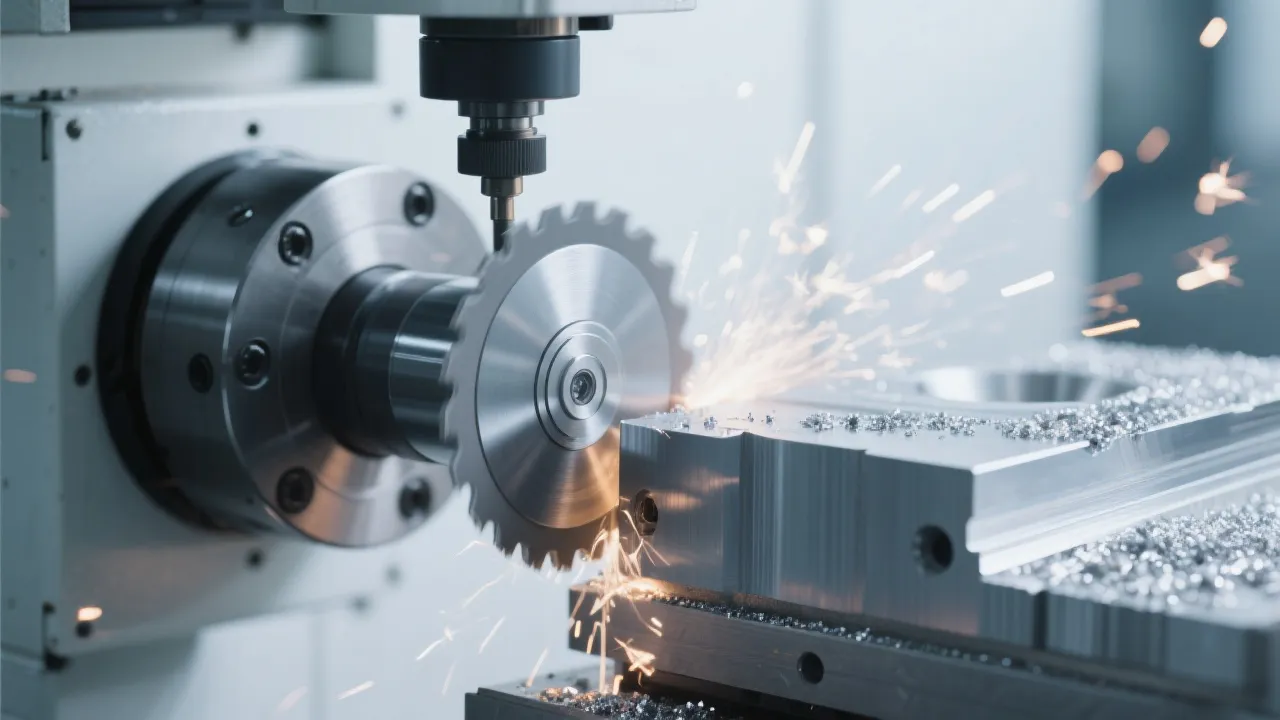
Curved Precision Grinding • Diamond Grinding Wheel Force Characteristics • Process Optimization
You can run the same machine, the same coolant, even the same diamond grinding wheel—and still watch a curved surface turn into a hotspot map: slight burn marks near the fillet, uneven wheel wear at the shoulder, or a finish that looks “good” in one zone and dull in another. In curved precision grinding, those symptoms usually aren’t random. They’re the visible result of how force and heat redistribute as the contact geometry keeps changing under your wheel.
“Shop-floor trials consistently show: each meaningful optimization of the infeed strategy can extend diamond wheel service life by ~18% on average (range: 12–25%), primarily by reducing localized overload and thermal spikes.”
Below is a practical, engineer-to-engineer breakdown of the three mechanisms that matter most: contact arc length, dynamic cutting angle, and heat dissipation path. You’ll also see what changes compared with flat grinding, what the data typically looks like, and a checklist you can copy into your setup notes.
In flat grinding, your wheel-work contact patch is relatively stable. On a curved workpiece—think impeller blades, die cavities, fillets, or complex radii—the contact patch moves and reshapes continuously. That reshaping drives three chain reactions:
If you’ve ever asked “Why does it burn only at that radius?” or “Why does my wheel glaze on the exit side?”, it’s usually one of these three mechanisms—often two at once.
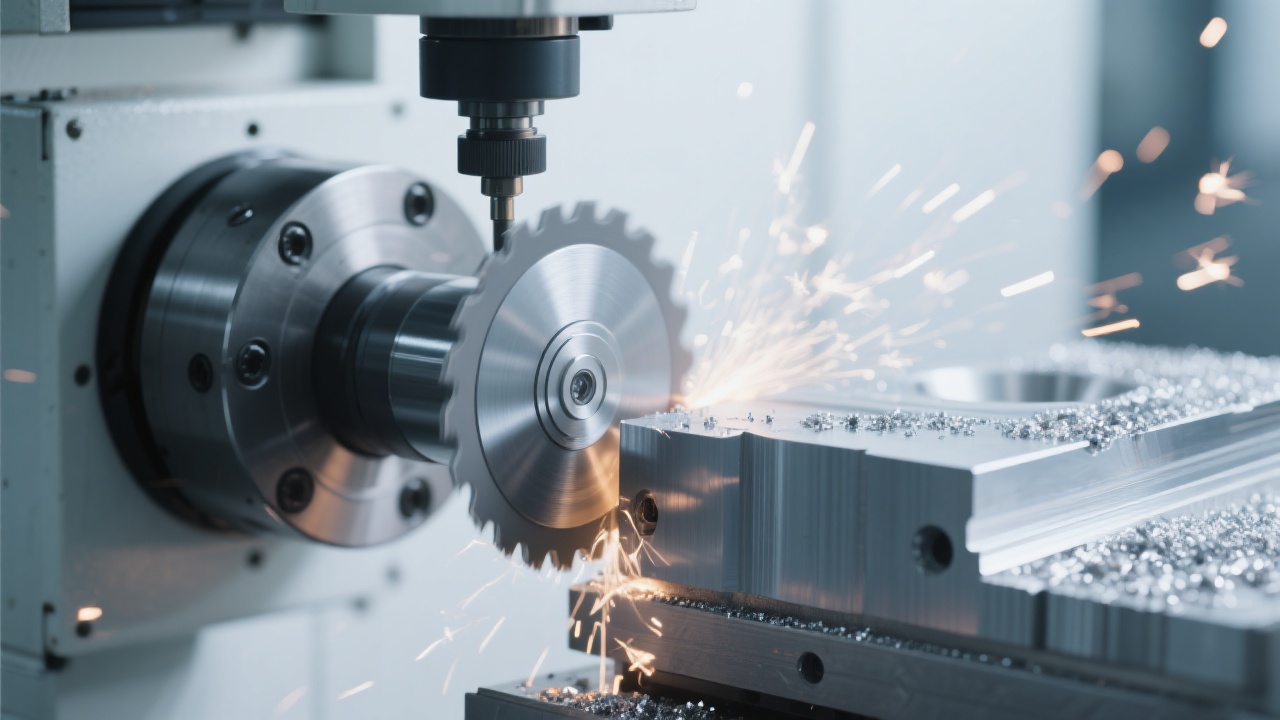
On a curved profile, the effective contact arc can grow or shrink dramatically depending on local radius, wheel diameter, and engagement depth. When the arc length increases, you often get a misleading sense of stability—because the process sounds smoother—while the wheel may actually experience higher frictional work and more heat accumulation across a wider zone.
In flat grinding, you can tune parameters assuming a near-constant contact geometry. In curved grinding, the same feed and depth can create:
Practical tip: if you’re seeing a stable spindle load but intermittent discoloration, suspect a geometry-driven contact arc increase rather than a feed spike.
As the wheel traverses a curved surface, the local engagement angle changes. That shifts the balance between true chip formation and ploughing/rubbing. The outcome you care about is chip thickness stability—because unstable chip thickness tends to create cycles of glazing → heat → burn → aggressive self-sharpening → roughness spikes.
A workable rule of thumb in curved precision grinding: keep the process biased toward cutting by ensuring the wheel has enough chip space (structure/porosity) and the bond holds grits at the right protrusion. For many hard-to-grind alloys, engineers see the most stable behavior when the wheel is specified to maintain self-sharpening without becoming too friable—especially across curvature changes where engagement angle swings.
On curved surfaces, the wheel-work interface can become partially shielded. Even with a high-flow system, coolant may hit the wheel periphery and never properly penetrate the contact zone at the exact curvature segment where the arc is longest. That matters because most grinding energy becomes heat, and heat management is what separates “repeatable” from “mysterious.”
In production-like conditions for titanium and stainless curved surfaces, it’s common to observe:
If you can’t change the coolant system immediately, one of the fastest process levers is reducing thermal spikes by controlling contact length transitions (toolpath smoothing) and selecting a wheel design that evacuates chips and heat more effectively for that curvature range.
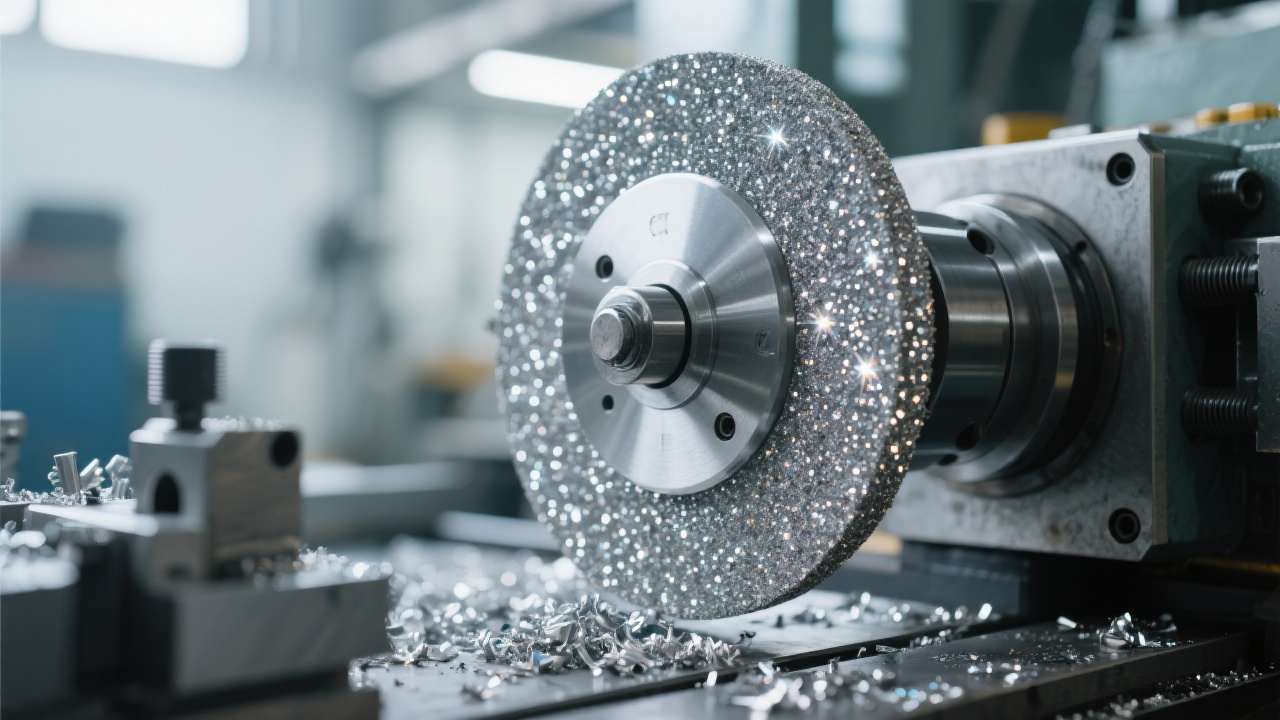
You don’t need a perfect lab model to make better decisions—you need a trend you can trust. Below is a representative comparison (typical for curved stainless tool cavity finishing with a properly dressed diamond wheel, stable coolant delivery, and controlled infeed). Your exact numbers will vary, but the direction is consistent: speed can help Ra, until heat and rubbing start to dominate.
| Grinding Pass | 800 rpm (Ra µm) | 1200 rpm (Ra µm) | Observed Note |
|---|---|---|---|
| Pass 1 (semi-finish) | 0.46 | 0.38 | Higher speed refines peaks if coolant access is stable |
| Pass 2 (finish) | 0.34 | 0.27 | Finish improves, but watch for glazing at tight radii |
| Pass 3 (spark-out) | 0.31 | 0.25 | Marginal gains; thermal sensitivity becomes decisive |
How to read this: If 1200 rpm improves Ra but increases burn risk on curvature transitions, consider a more open wheel structure, a bond optimized for cooler cutting, or a toolpath that avoids abrupt arc-length jumps—rather than simply lowering speed.
Curved grinding “feels” similar across materials—until it doesn’t. Titanium alloys and stainless steels can both punish a wheel, but they do it differently. Use the patterns below to predict what you’ll see before the first burn mark shows up.
In Ti alloys, heat doesn’t leave the interface quickly, so the grinding zone is more prone to thermal spikes. In practice, engineers often observe:
Stainless typically tolerates heat slightly better than Ti in terms of immediate burn visibility, but it can promote loading and smearing at the wrong wheel specification. Common observations:
If you run both materials on the same wheel design, you’ll likely end up over-dressing for stainless (to fight loading) and under-cooling for titanium (leading to burn). Material-specific wheel matching is not a luxury here—it’s your stability lever.
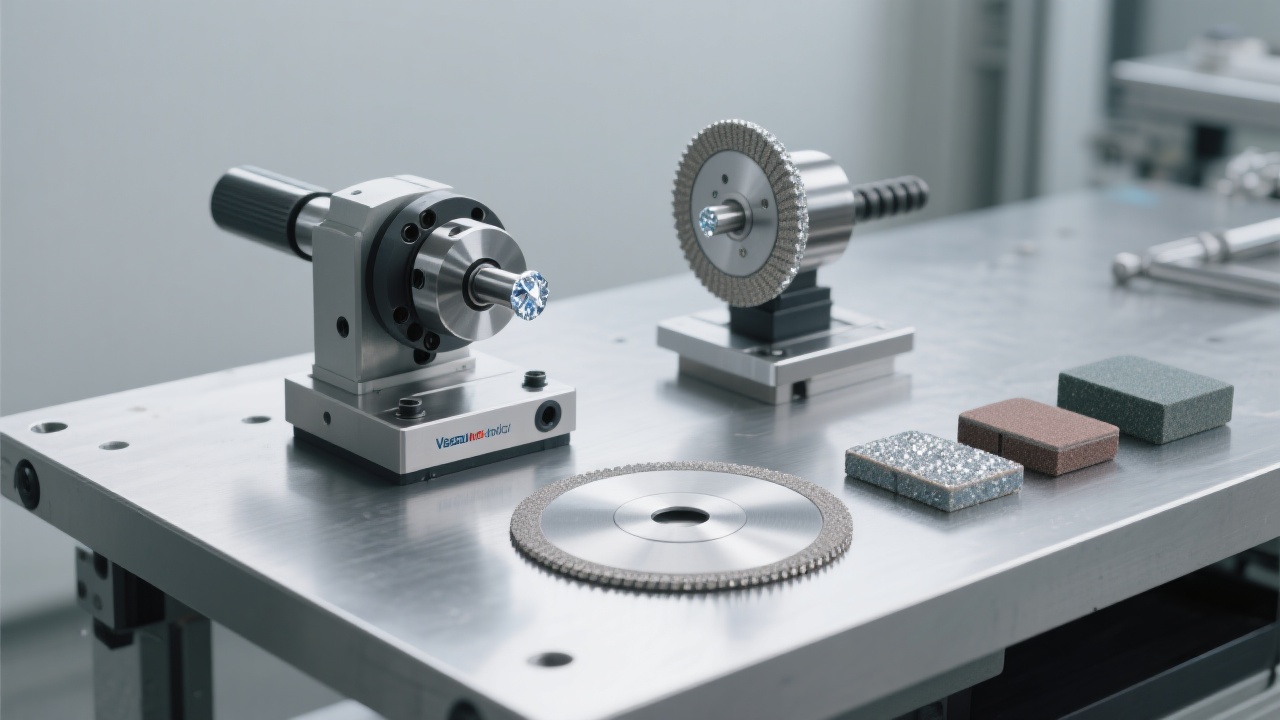
Use this as a quick pre-run audit. If you only have time to fix three things, fix the ones that prevent geometry-driven overload first.
If you tell us your workpiece material (e.g., titanium alloy, stainless), curvature range, target Ra, and machine type, you can typically narrow down the most suitable wheel structure and bond strategy quickly—before you waste cycles on trial-and-error.
Click to learn how to match the optimal diamond grinding wheel design to your material and curved geometrySuggested inputs to include: wheel OD, rpm range, coolant type/pressure, infeed mode, contact length segment where burn occurs.

.png?x-oss-process=image/resize,h_800,m_lfit/format,webp)
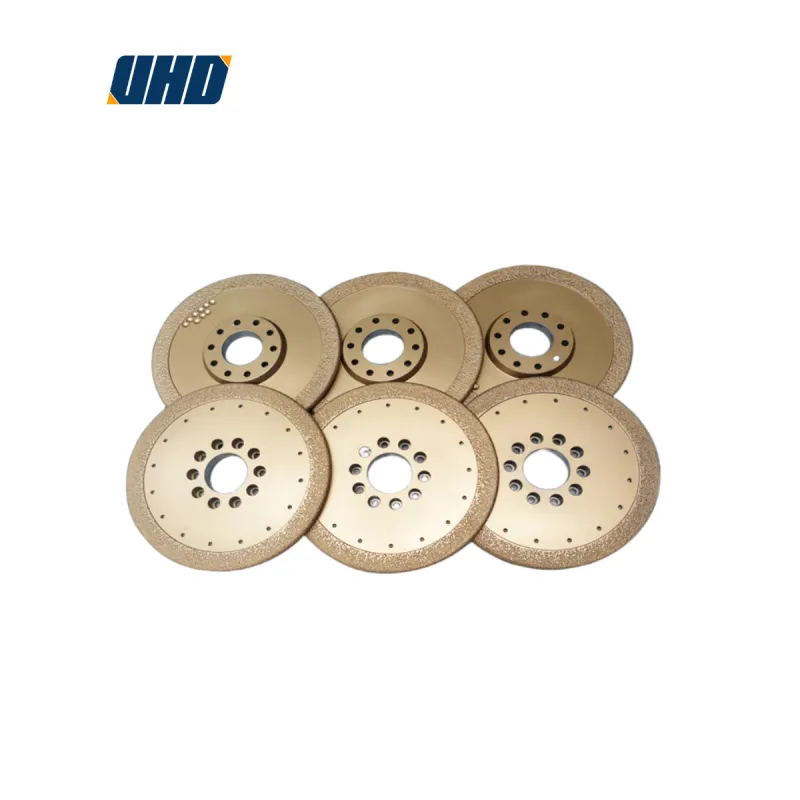
 High - wear - resistant brazed diamond grinding disk
Diamond grinding disk aperture selection guide
Curved grinding customization solution
Stainless steel grinding disk customization
Industrial brazed grinding disk technology
custom diamond grinding wheels
brazed diamond wheel solutions
complex surface grinding
high-strength material grinding
industrial grinding optimization
brazed diamond grinding wheel customization
stainless steel complex part grinding
high-efficiency grinding solutions
wear-resistant grinding tools
industrial abrasive technology
brazed diamond grinding wheel
glass ceramic machining
precision grinding tools
industrial diamond tools
diamond grinding wheel selection
grinding machine maintenance
grinding wheel balancing
vibration control in grinding
grinding fluid management
brazed diamond grinding wheel
High - wear - resistant brazed diamond grinding disk
Diamond grinding disk aperture selection guide
Curved grinding customization solution
Stainless steel grinding disk customization
Industrial brazed grinding disk technology
custom diamond grinding wheels
brazed diamond wheel solutions
complex surface grinding
high-strength material grinding
industrial grinding optimization
brazed diamond grinding wheel customization
stainless steel complex part grinding
high-efficiency grinding solutions
wear-resistant grinding tools
industrial abrasive technology
brazed diamond grinding wheel
glass ceramic machining
precision grinding tools
industrial diamond tools
diamond grinding wheel selection
grinding machine maintenance
grinding wheel balancing
vibration control in grinding
grinding fluid management
brazed diamond grinding wheel



.png?x-oss-process=image/resize,h_100,m_lfit/format,webp)
.png?x-oss-process=image/resize,h_100,m_lfit/format,webp)
.png?x-oss-process=image/resize,h_100,m_lfit/format,webp)
.png?x-oss-process=image/resize,h_800,m_lfit/format,webp)
.png?x-oss-process=image/resize,m_fill,h_800,w_800/format,webp)