
You’ve probably seen it: a freshly ground gray cast iron part with discolored spots, micro-cracks, or even dimensional inaccuracies. It’s not just an aesthetic issue—it’s a production killer that reduces yield, increases scrap rates, and erodes customer trust.
Gray cast iron has poor thermal conductivity compared to stainless steel or aluminum—meaning heat doesn’t dissipate quickly during grinding. In fact, studies show up to 60–70% of the energy input becomes localized heat in the contact zone between your diamond wheel and the workpiece. That’s why burn marks appear so easily—even when you're using high-quality tools like UHD brazed diamond wheels.
Think of it this way: if your grinding parameters are too aggressive (high RPM + deep cut), you’re essentially welding the surface instead of machining it. The result? Surface hardening, residual stresses, and premature tool failure.
We worked with a mold-making facility in China that was losing 15% of their parts due to grinding burns. After implementing optimized settings—specifically reducing feed rate by 30% and lowering wheel speed from 35 m/s to 28 m/s—their burn rate dropped to just 4.5%. That’s a 70% improvement—and no change in productivity.
So what did they actually do?
If you’re still relying on “feel” or trial-and-error, you’re wasting time—and money.
Here’s a simple trick used by experienced engineers: check the color and shape of your grind chips. If they’re dark gray or black, that means excessive heat is being generated. Bright yellow or white chips suggest proper cooling and minimal friction. And if you see chunky, irregular particles instead of fine powder? That’s a sign of diamond grain fracture—time to inspect your bond strength.
This isn’t theory—it’s daily maintenance logic that can save thousands in downtime and rework.
Pro Tip: Track your burn rate weekly—not monthly. Small adjustments compound into big gains over time.
Whether you're working with automotive components, die-casting molds, or heavy machinery housings—you don’t need more expensive tools. You need smarter processes.
You might be asking: “What about my current setup?” Good question. Let’s start there. What’s your average burn rate today? Are you seeing signs of overheating before the final inspection?
Let’s make every cut count—not just once, but every time.
Our team helps manufacturers reduce burn-related defects by up to 70% through parameter tuning, real-time monitoring, and expert training.
Get Your Free Process Audit Today
.png?x-oss-process=image/resize,h_800,m_lfit/format,webp)
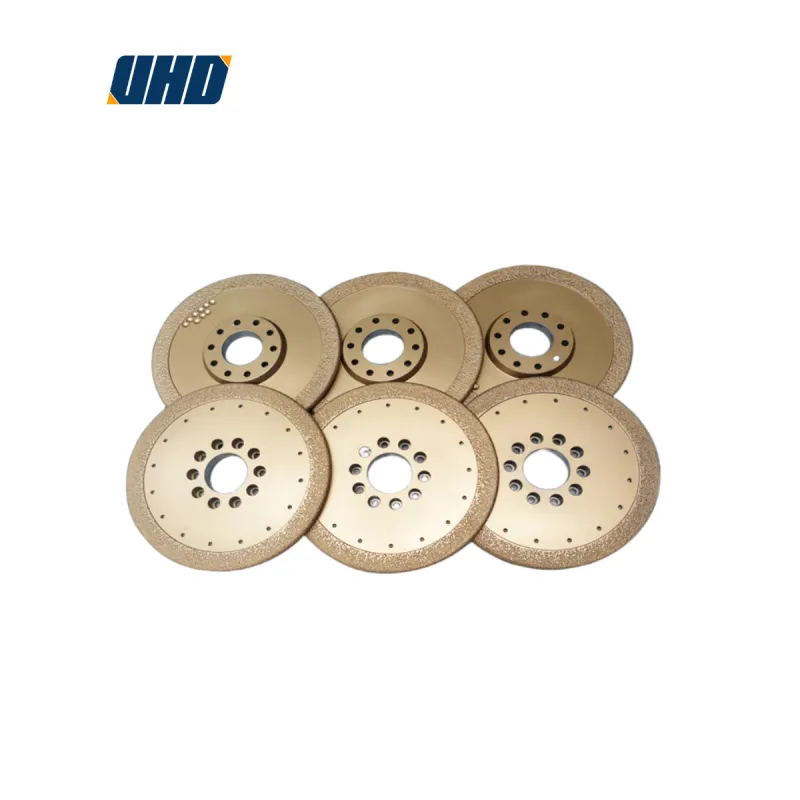
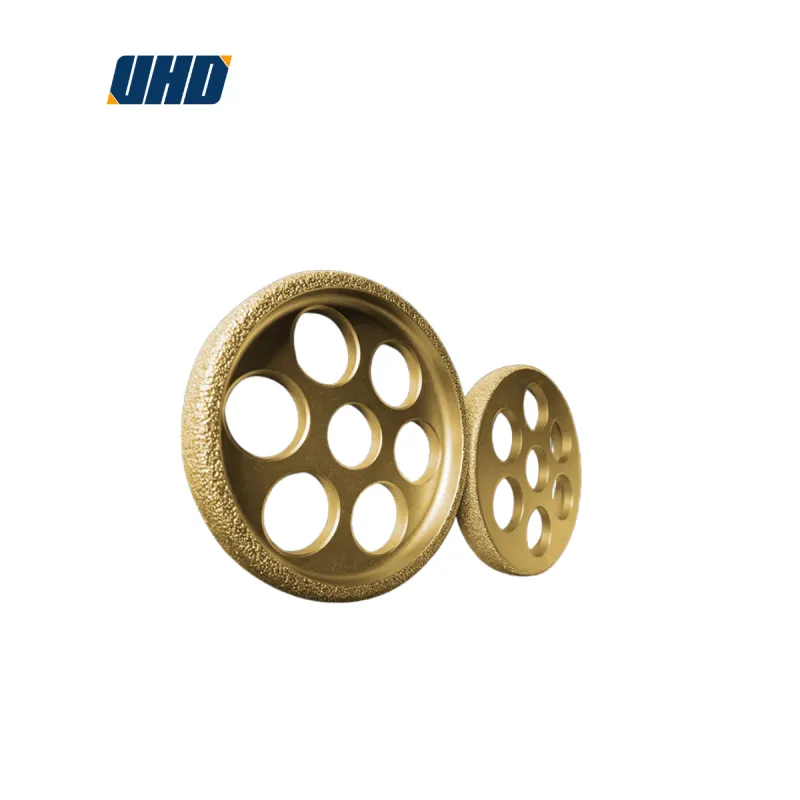
 Brazed diamond grinding wheels
Industrial grinding impact resistance
Fracture toughness detection
Thermal stability testing
Brazed interface strength
brazed diamond grinding wheel maintenance
diamond grinding wheel lifespan extension
industrial grinding tool applications
high-efficiency wear-resistant grinding wheels
superhard tool maintenance
Brazed diamond grinding discs
High-efficiency wear-resistant grinding discs
Carbide grinding
Ceramic processing tools
Industrial-grade grinding discs
Diamond grinding disc aperture selection guide
Curved surface grinding customization solution
Highly wear-resistant brazed diamond grinding disc
Stainless steel machining grinding disc customization
Hard alloy grinding solution
brazed diamond grinding wheels
wear-resistant diamond wheels
gray cast iron grinding tools
industrial grinding solutions
UHD custom grinding wheels
Brazed diamond grinding wheels
Industrial grinding impact resistance
Fracture toughness detection
Thermal stability testing
Brazed interface strength
brazed diamond grinding wheel maintenance
diamond grinding wheel lifespan extension
industrial grinding tool applications
high-efficiency wear-resistant grinding wheels
superhard tool maintenance
Brazed diamond grinding discs
High-efficiency wear-resistant grinding discs
Carbide grinding
Ceramic processing tools
Industrial-grade grinding discs
Diamond grinding disc aperture selection guide
Curved surface grinding customization solution
Highly wear-resistant brazed diamond grinding disc
Stainless steel machining grinding disc customization
Hard alloy grinding solution
brazed diamond grinding wheels
wear-resistant diamond wheels
gray cast iron grinding tools
industrial grinding solutions
UHD custom grinding wheels



.png?x-oss-process=image/resize,h_100,m_lfit/format,webp)
.png?x-oss-process=image/resize,h_100,m_lfit/format,webp)
.png?x-oss-process=image/resize,h_100,m_lfit/format,webp)
.png?x-oss-process=image/resize,h_800,m_lfit/format,webp)
