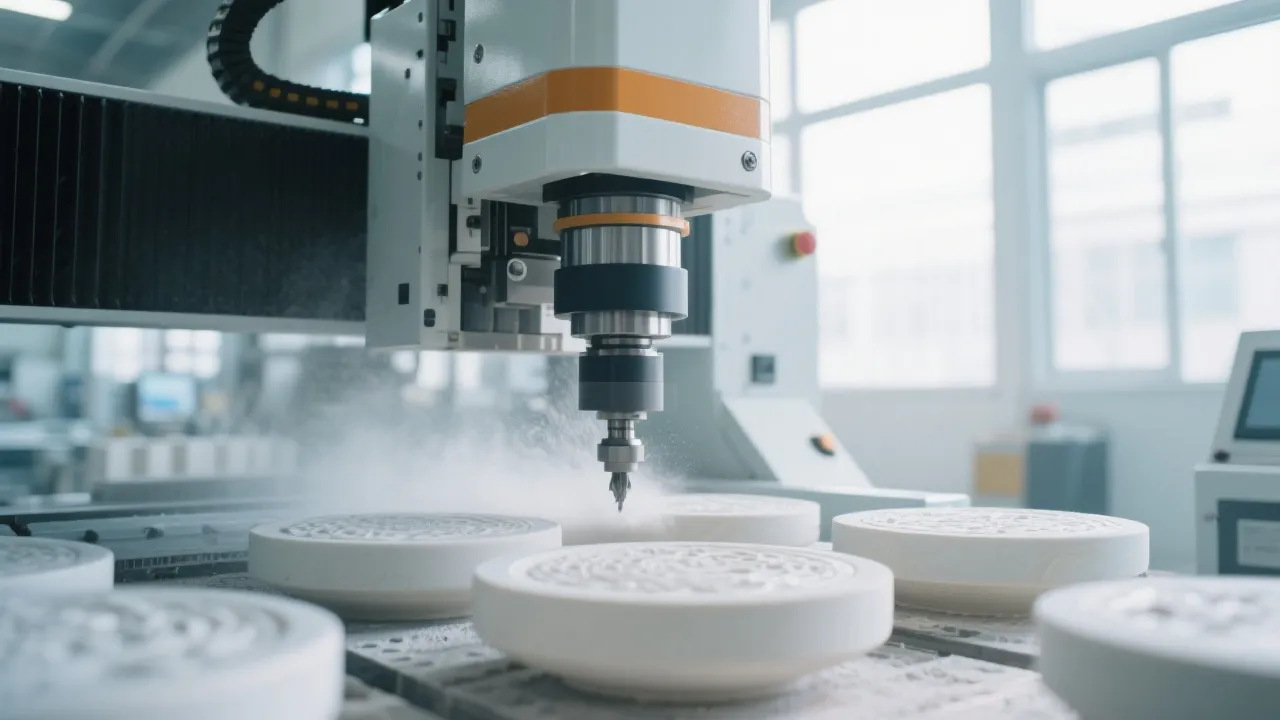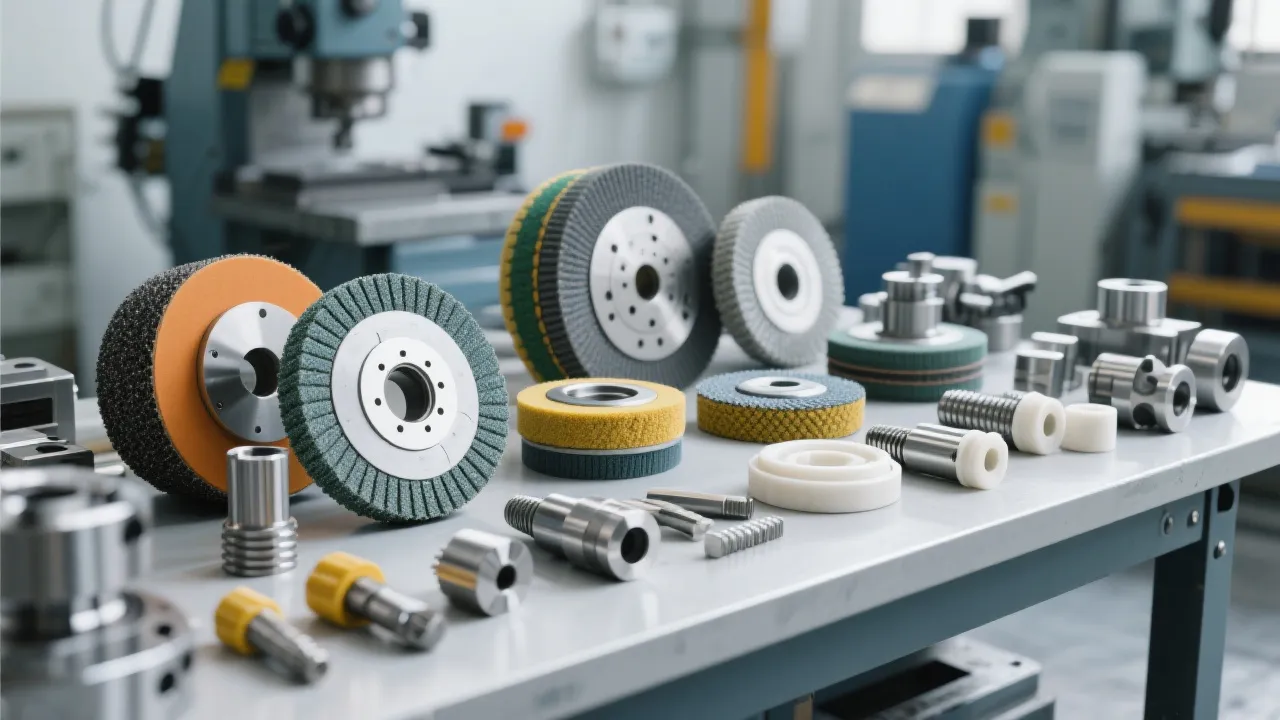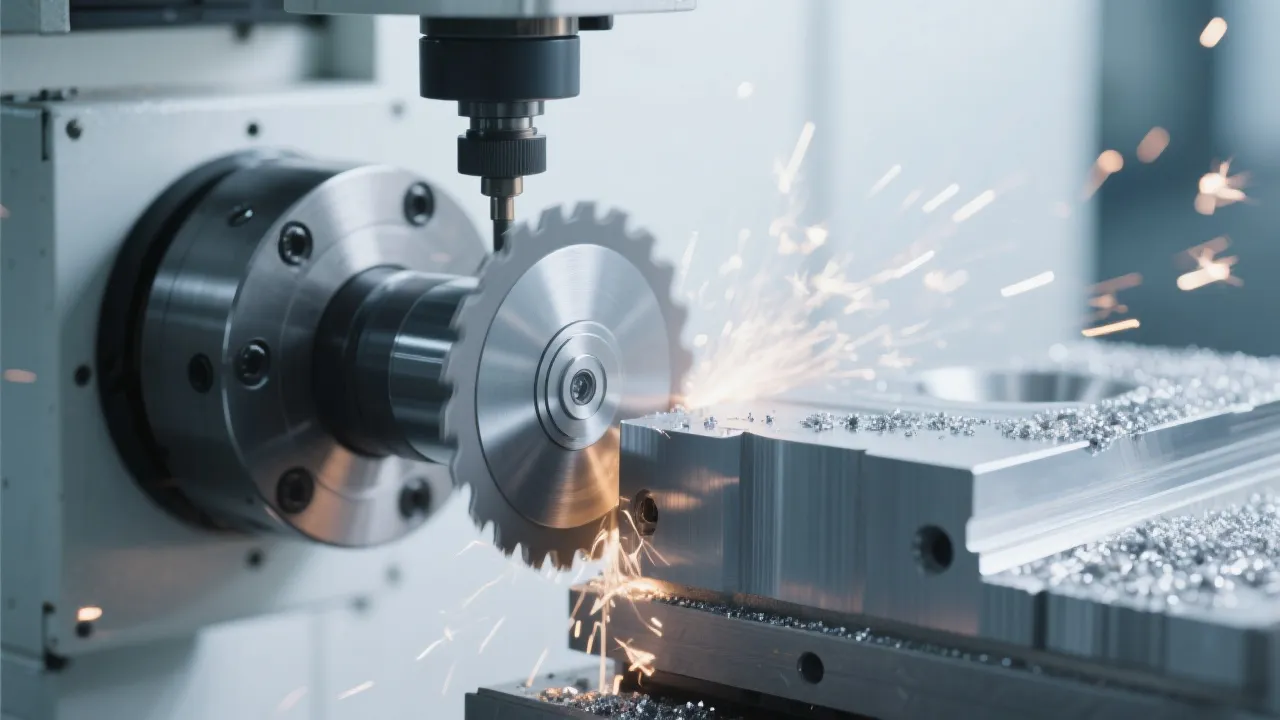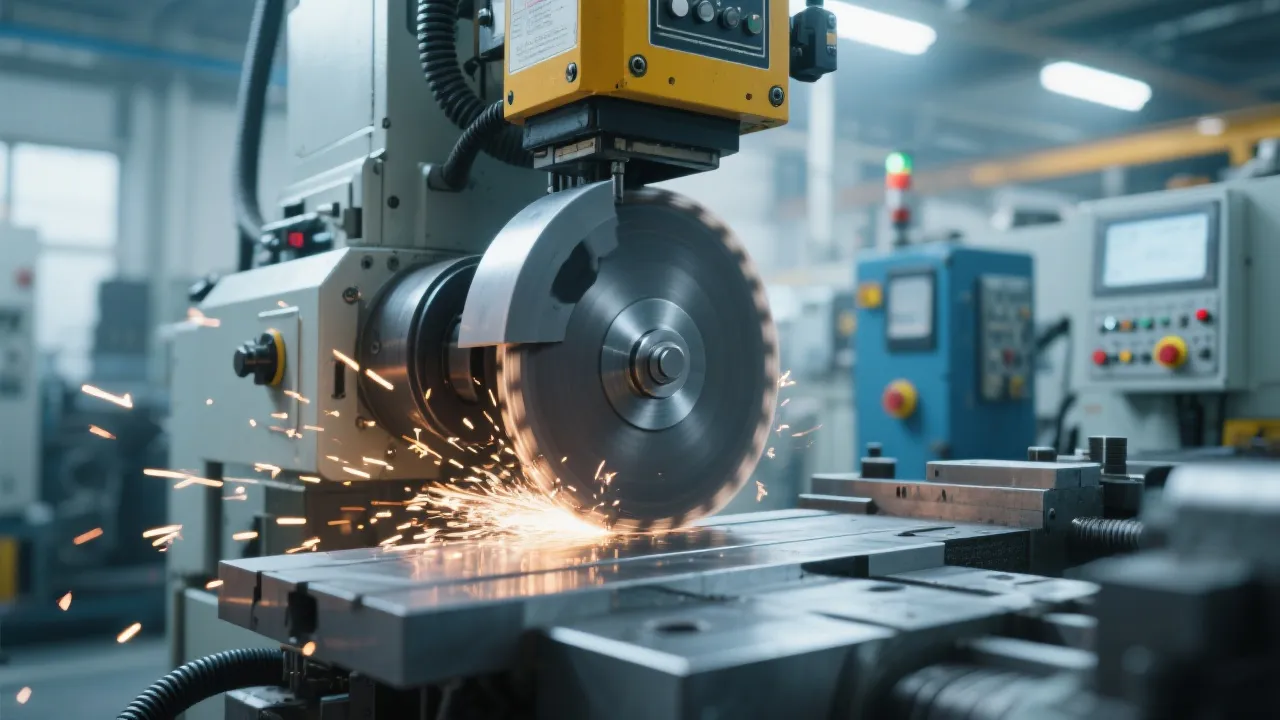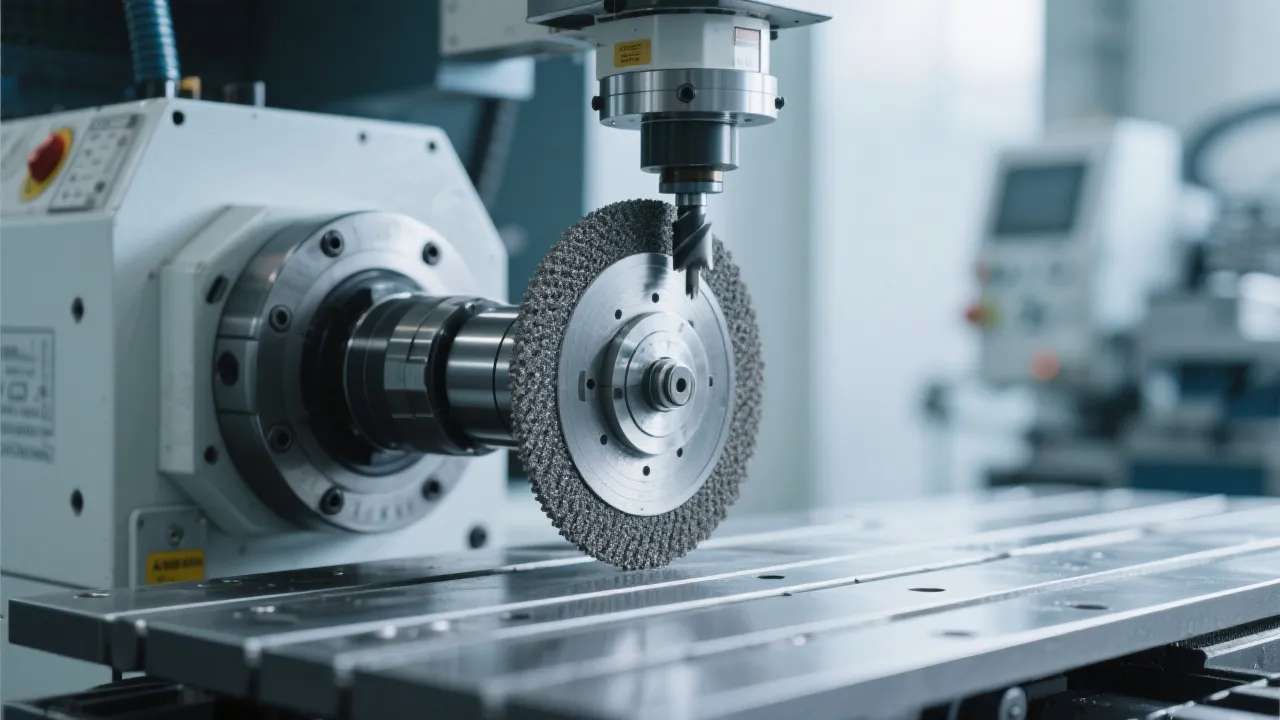
Grinding is a crucial process in the field of mechanical manufacturing and precision machining. When it comes to grinding gray cast iron and stainless steel, burn problems are common challenges that can significantly affect product quality and tool life. This article will provide a detailed analysis of these issues and offer practical solutions.
Gray cast iron and stainless steel have distinct physical characteristics. Gray cast iron has a relatively brittle structure, while stainless steel is more ductile. These differences in physical properties lead to variations in the grinding force transmission mechanism. For example, during the grinding process, the grinding force on gray cast iron is more likely to cause local stress concentration, which may result in burns and cracks. In contrast, stainless steel tends to produce more heat due to its higher ductility, also leading to potential burn problems.
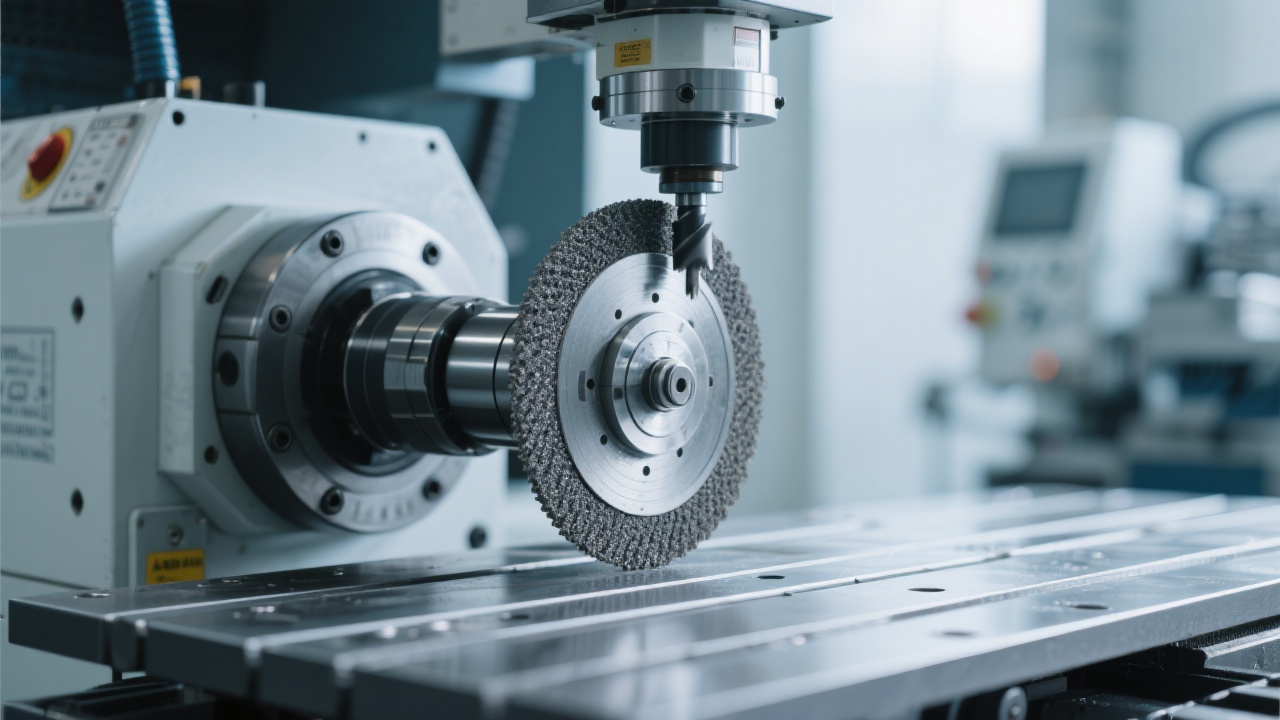
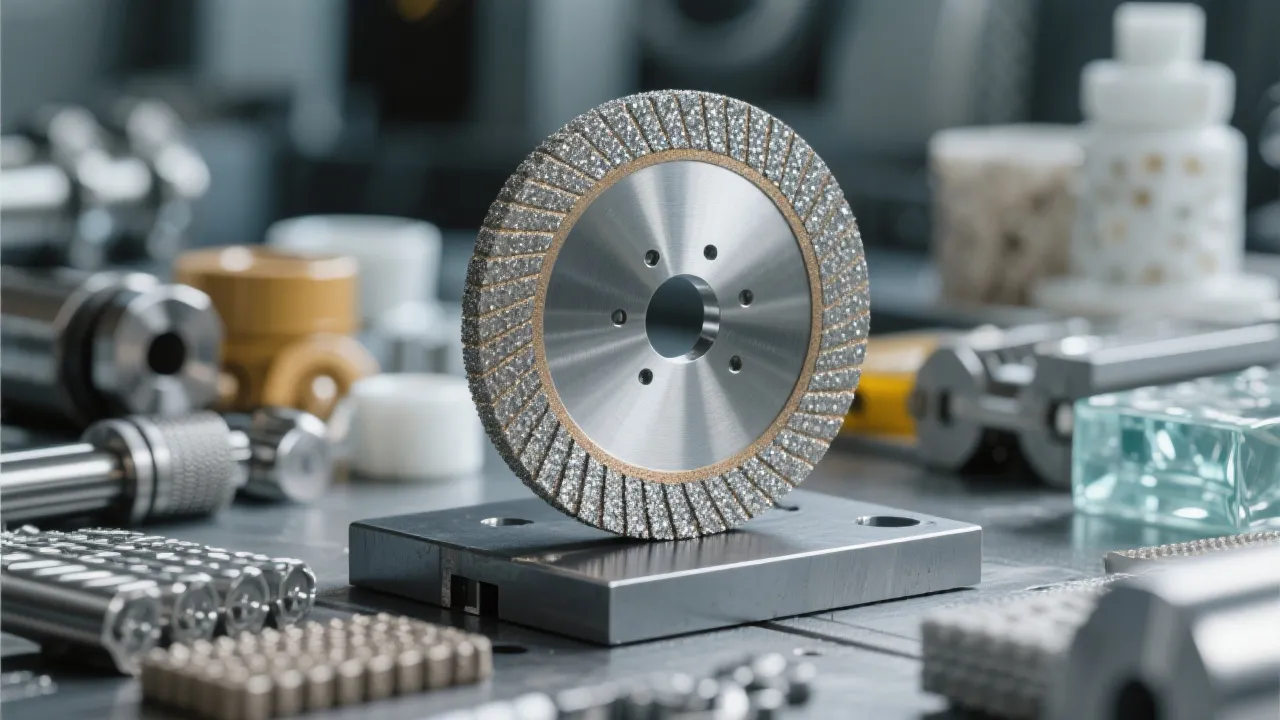
The transmission of grinding force is a complex process that is closely related to the wear pattern of diamond particles. In the grinding of gray cast iron and stainless steel, the wear of diamond particles is different. For gray cast iron, the diamond particles may experience more chipping and breakage due to the brittle nature of the material. In the case of stainless steel, the diamond particles are more likely to be worn down by the high - temperature and high - pressure environment.
Based on real - world cases, we can see that the wear of diamond particles is directly related to the choice of matrix materials. The right matrix material can effectively support the diamond particles, reduce their wear rate, and improve the quality of grinding. For example, in some cases, using a matrix material with high hardness and good heat - resistance can significantly extend the service life of the grinding tool.
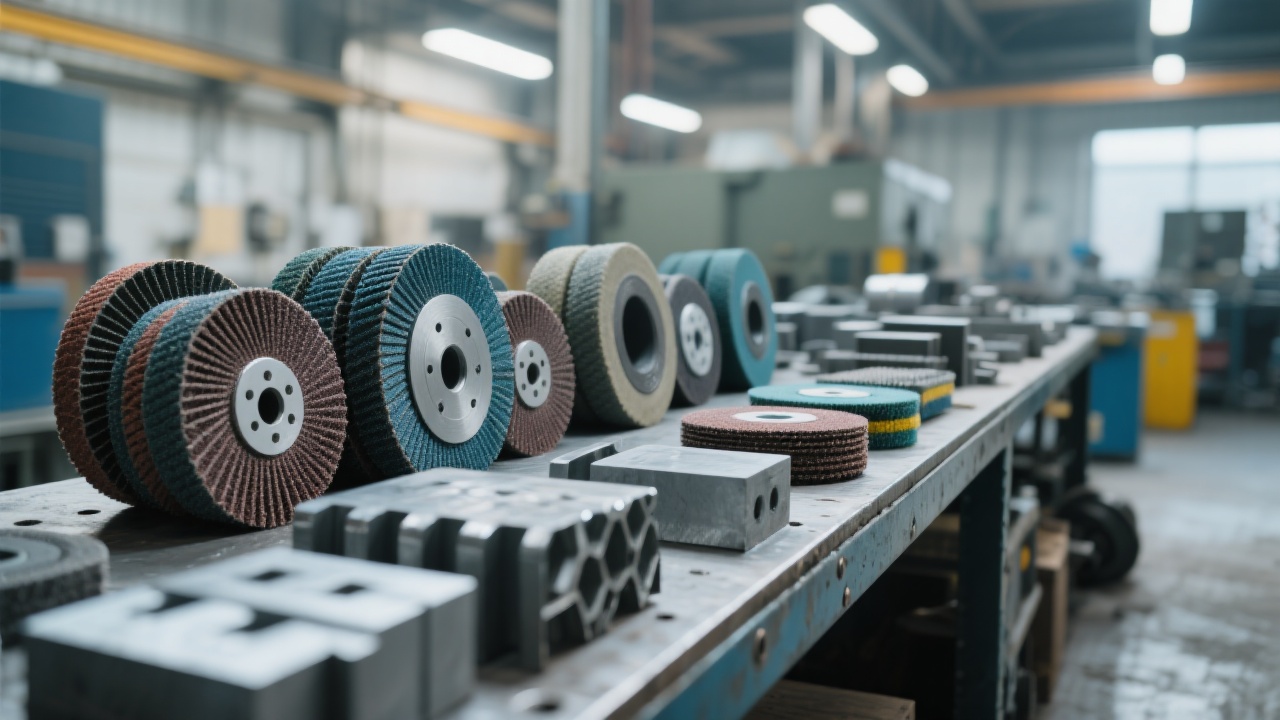
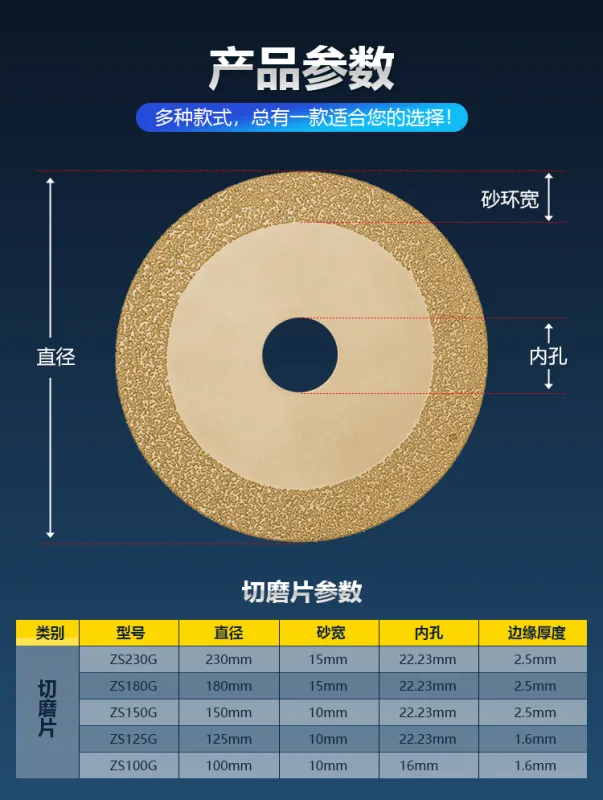
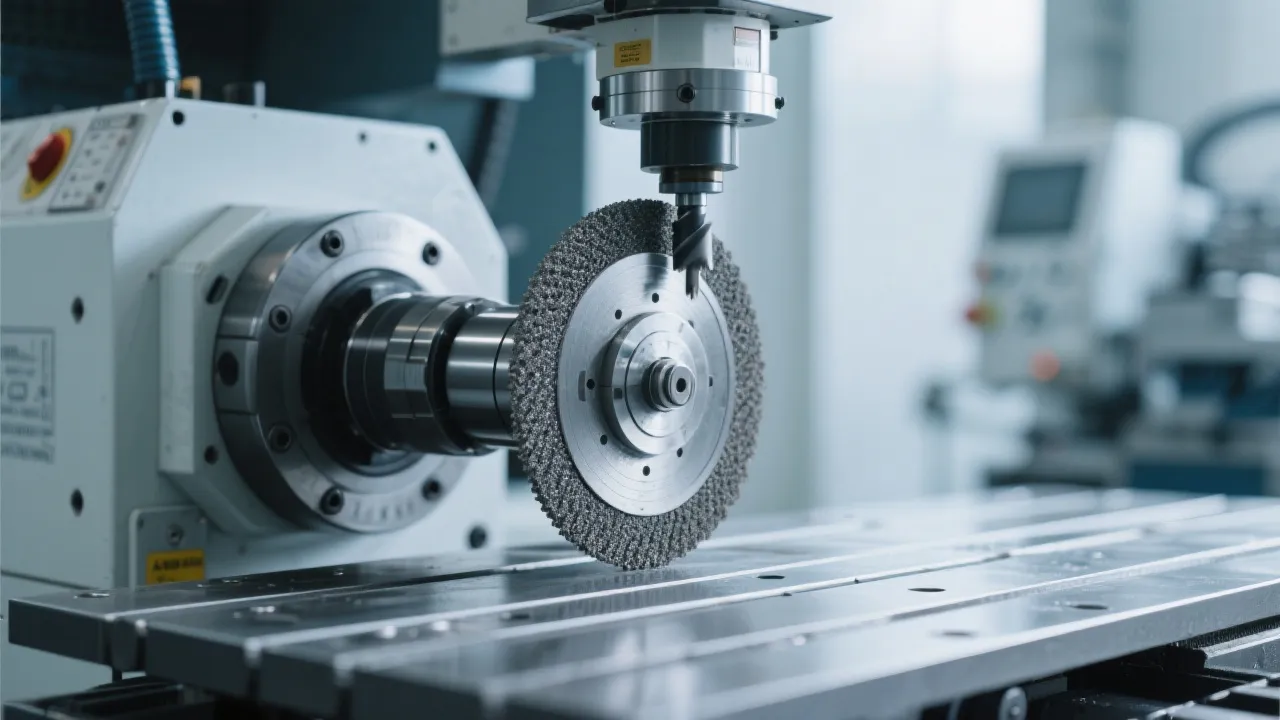
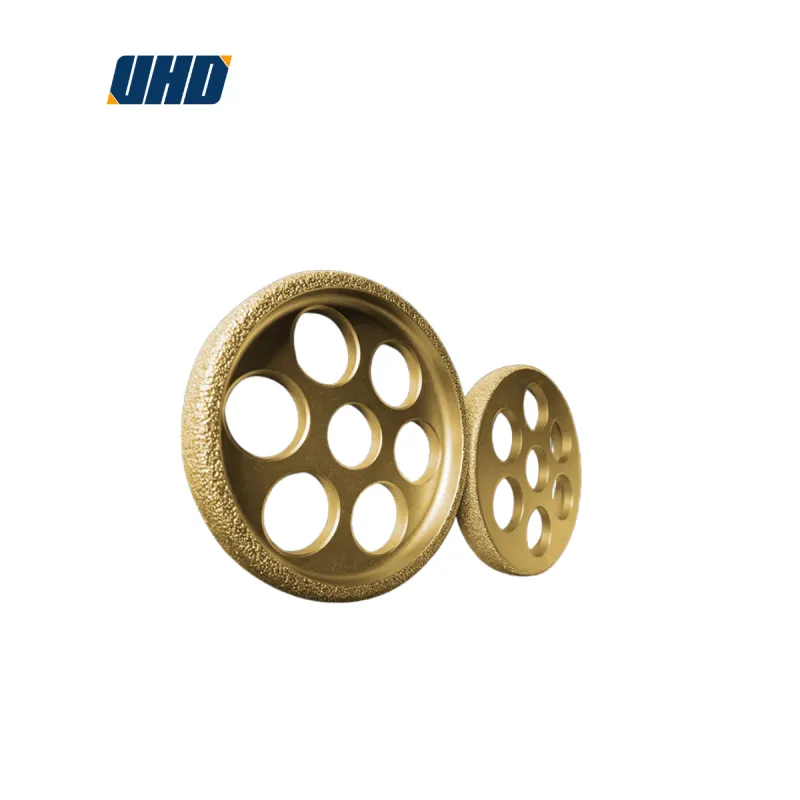
To solve the burn problems in grinding, optimizing the grinding disc specifications and cutting parameters is essential. For grinding discs, the diameter range of 100 - 180mm is commonly used. Different diameters can be selected according to the specific requirements of the grinding process. For example, a smaller - diameter grinding disc is more suitable for fine - grinding operations, while a larger - diameter one can improve the grinding efficiency.
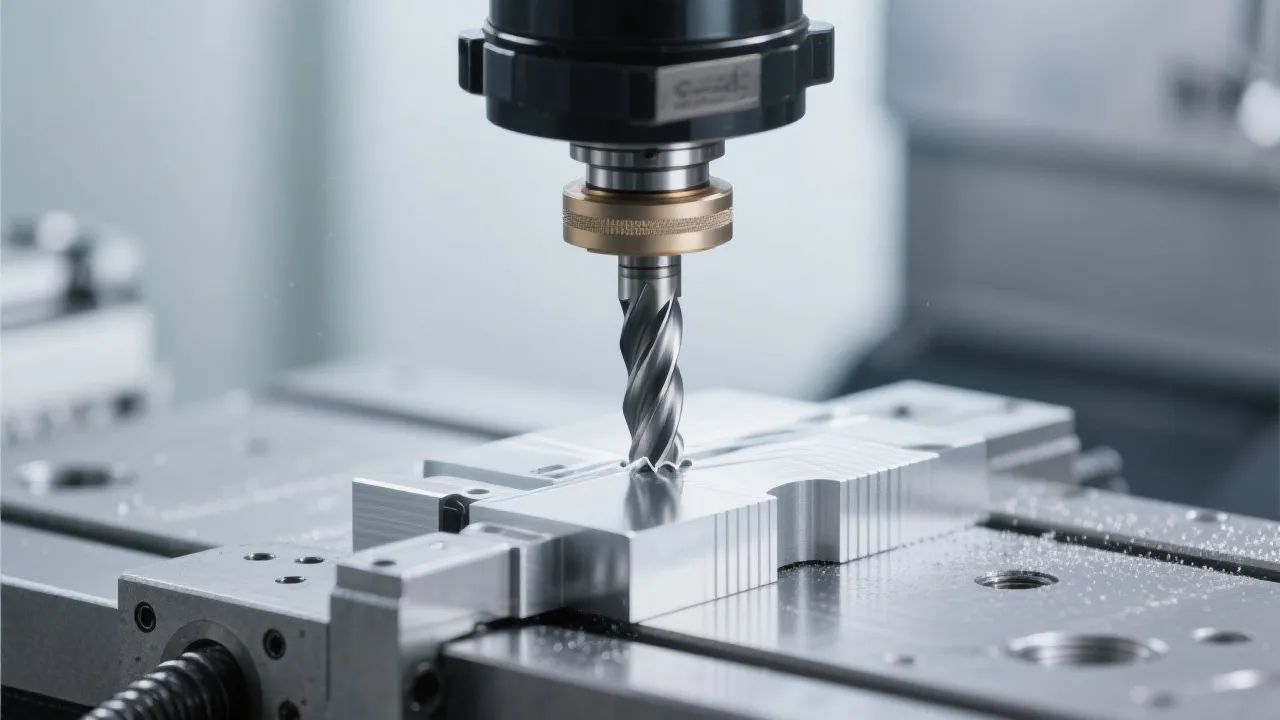
Cutting parameters, such as rotational speed and depth of cut, also play a crucial role. By adjusting these parameters, we can effectively reduce heat input and stress concentration. For instance, reducing the rotational speed and the depth of cut can lower the heat generated during grinding, thus reducing the likelihood of burns. In some practical cases, after optimizing the cutting parameters, the burn rate has been reduced by up to 30%.
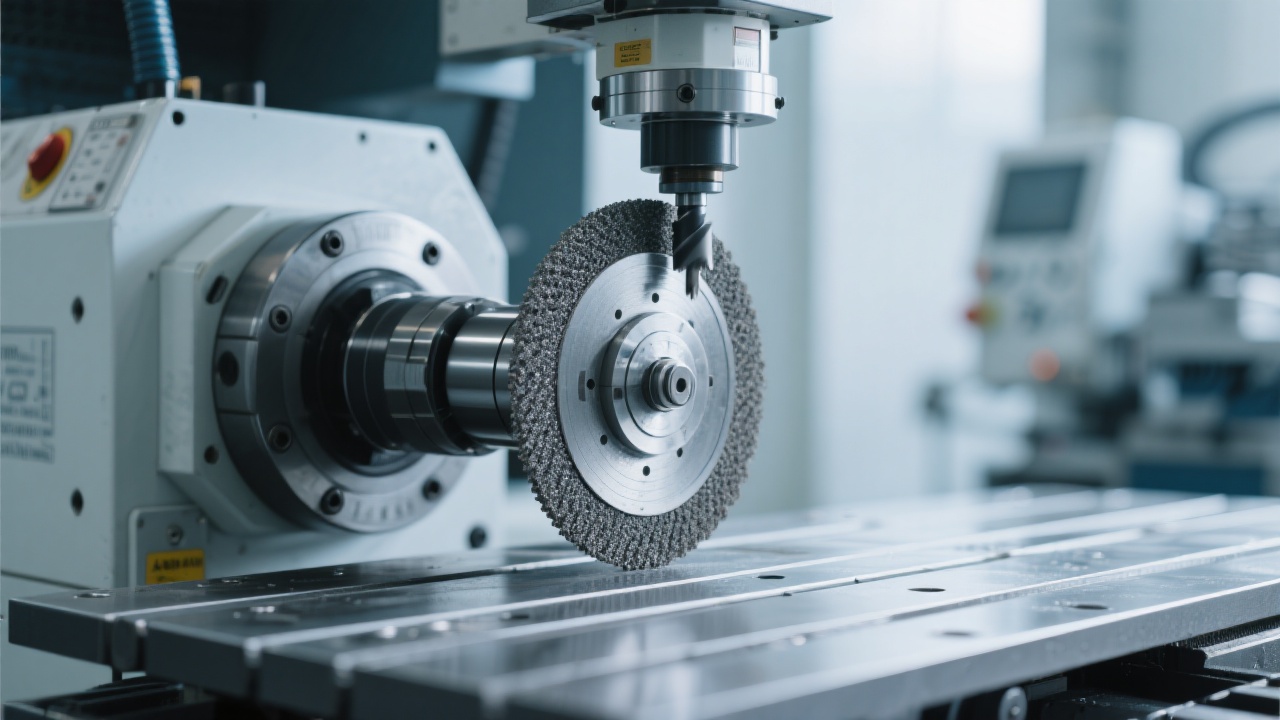
In addition to parameter optimization, fault diagnosis and daily maintenance are also important for improving tool life and processing quality. Regular inspection of the grinding tool can help detect potential problems early, such as abnormal wear of diamond particles or damage to the matrix material. Timely replacement of worn - out parts can prevent further deterioration and ensure the stability of the grinding process.
By following these methods, mechanical manufacturing enterprises can effectively reduce heat input and stress concentration, extend tool life, and ensure product quality, thereby achieving lean production.
To further explore the advanced knowledge and tools for solving grinding problems, click here.
.png?x-oss-process=image/resize,h_800,m_lfit/format,webp)

 brazing metal interlayer
heating rate control
diamond grinding wheel life
tool life management
grinding wheel maintenance skills
diamond grinding wheel impact resistance
grinding vibration issues
surface ripple causes
brazed diamond wheels
grinding wheel selection guide
curved surface grinding
diamond grinding wheel selection
grinding wheel diameter optimization
brazed diamond wheels
industrial grinding efficiency
diamond grinding wheel life extension
brazing process optimization
diamond grinding wheel maintenance
industrial grinding tool care
high-wear resistance diamond wheels
brazed diamond grinding wheel customization
high-efficiency wear-resistant grinding wheel
carbide precision grinding solution
diamond grinding wheel selection guide
curved surface grinding application
brazing metal interlayer
heating rate control
diamond grinding wheel life
tool life management
grinding wheel maintenance skills
diamond grinding wheel impact resistance
grinding vibration issues
surface ripple causes
brazed diamond wheels
grinding wheel selection guide
curved surface grinding
diamond grinding wheel selection
grinding wheel diameter optimization
brazed diamond wheels
industrial grinding efficiency
diamond grinding wheel life extension
brazing process optimization
diamond grinding wheel maintenance
industrial grinding tool care
high-wear resistance diamond wheels
brazed diamond grinding wheel customization
high-efficiency wear-resistant grinding wheel
carbide precision grinding solution
diamond grinding wheel selection guide
curved surface grinding application


.png?x-oss-process=image/resize,h_100,m_lfit/format,webp)
.png?x-oss-process=image/resize,h_100,m_lfit/format,webp)
.png?x-oss-process=image/resize,h_100,m_lfit/format,webp)
.png?x-oss-process=image/resize,h_800,m_lfit/format,webp)