
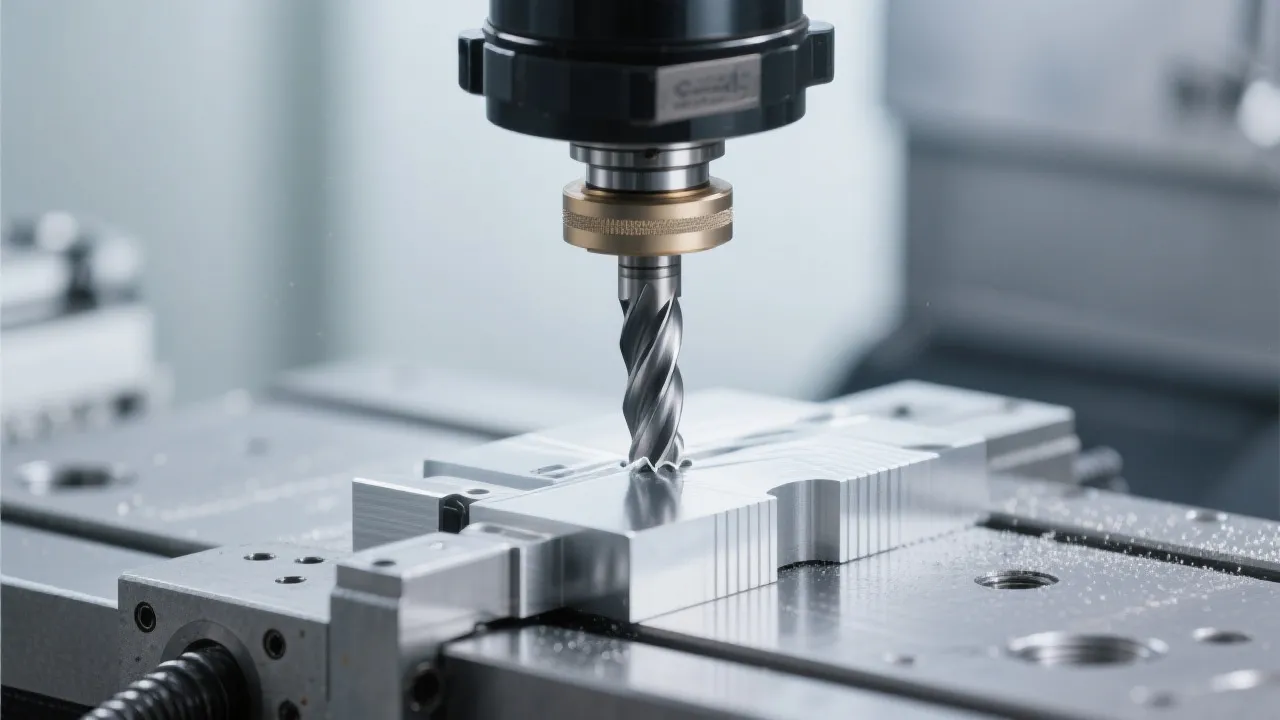
Gray cast iron grinding often encounters problems such as surface burns, chipping, and dimensional instability. This article delves deep into the causes of these common faults, such as improper grinding parameters, insufficient coolant, or mismatched grinding wheel materials, and provides targeted solutions. By leveraging the anti - impact structural design advantages of UHD's high - wear - resistant brazed diamond grinding wheels, we'll show you how to enhance processing stability and surface finish, reduce the scrap rate, and support the efficient operation of automated production lines through reasonable setting of feed rate and linear speed.
In the process of gray cast iron grinding, several typical faults frequently occur. Surface burns are mainly caused by excessive heat generated during grinding, which is often due to improper grinding parameters, such as too high feed rate or linear speed. Chipping may be related to the brittleness of the gray cast iron and the inappropriate selection of grinding wheel materials. Dimensional instability can be attributed to the lack of coolant, which fails to effectively control the temperature and deformation during grinding.
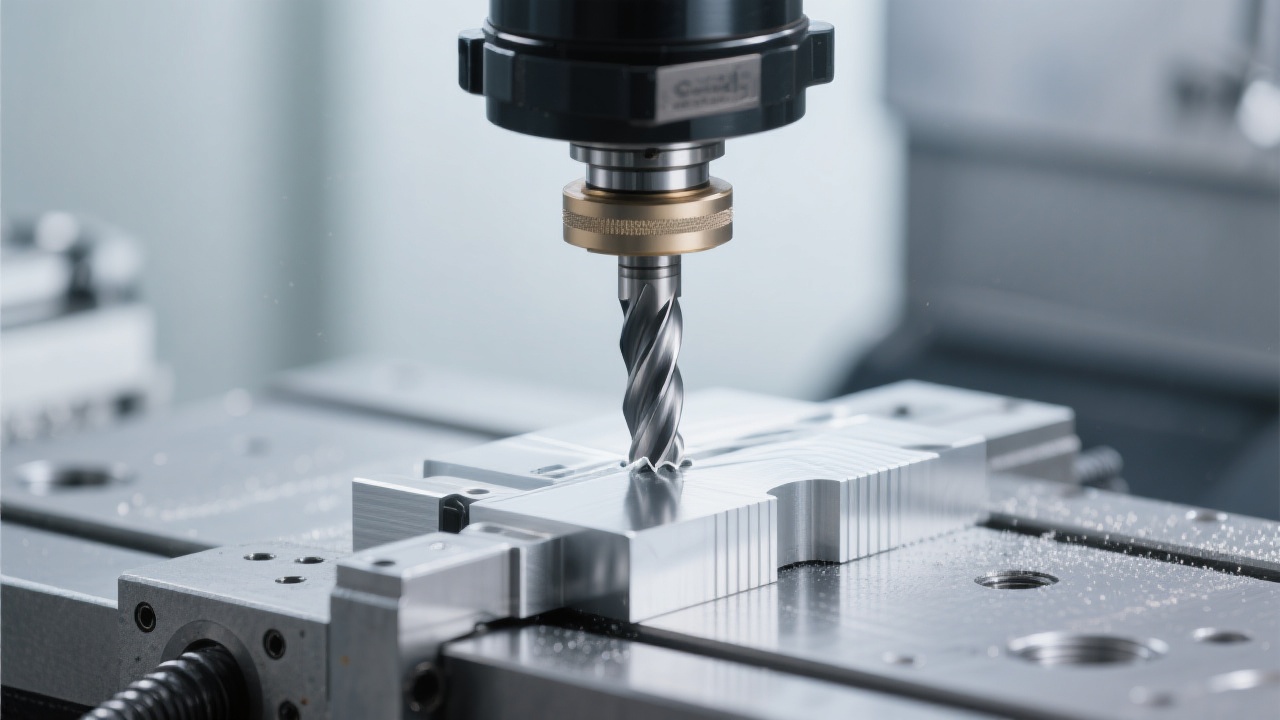
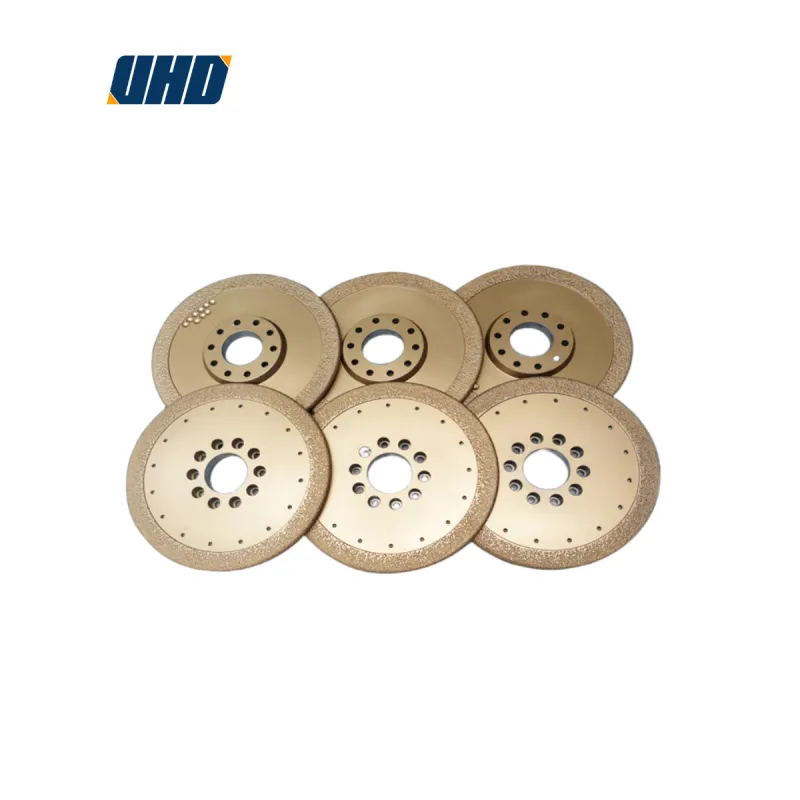
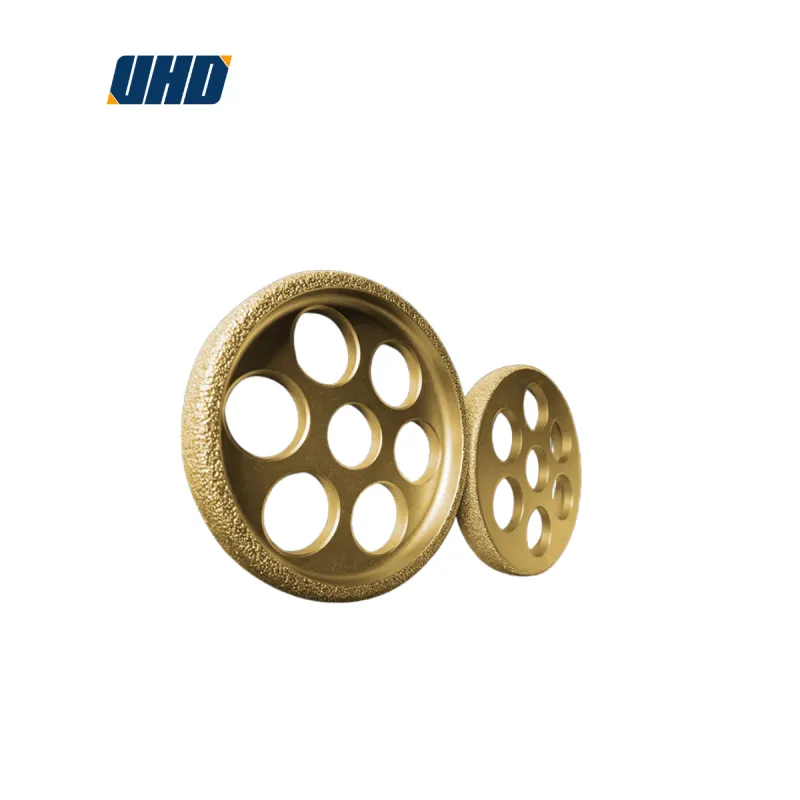
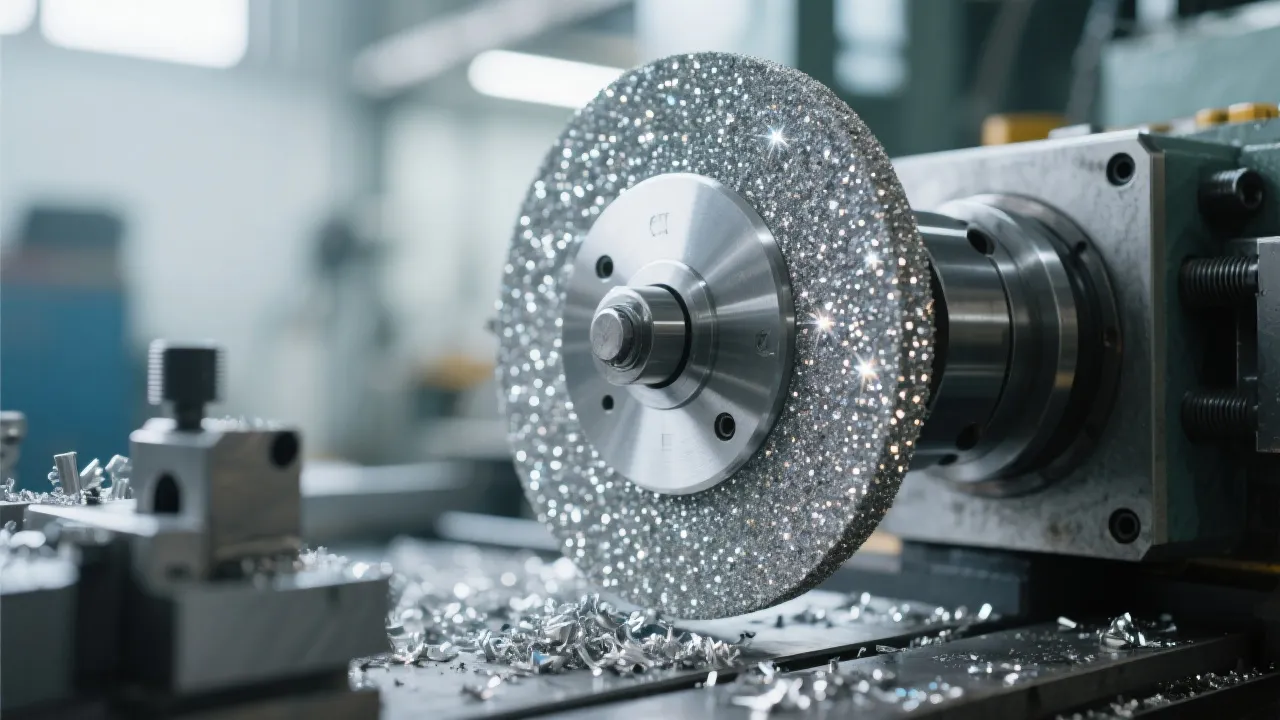
Traditional grinding wheels often show signs of failure under heavy loads. For example, they may experience rapid wear, uneven wear, and stress concentration, which can lead to poor grinding quality and reduced service life. In contrast, UHD's dedicated grinding wheels feature a turning base and a brazing process. This unique structure effectively alleviates stress concentration, ensuring more stable grinding performance and longer service life.
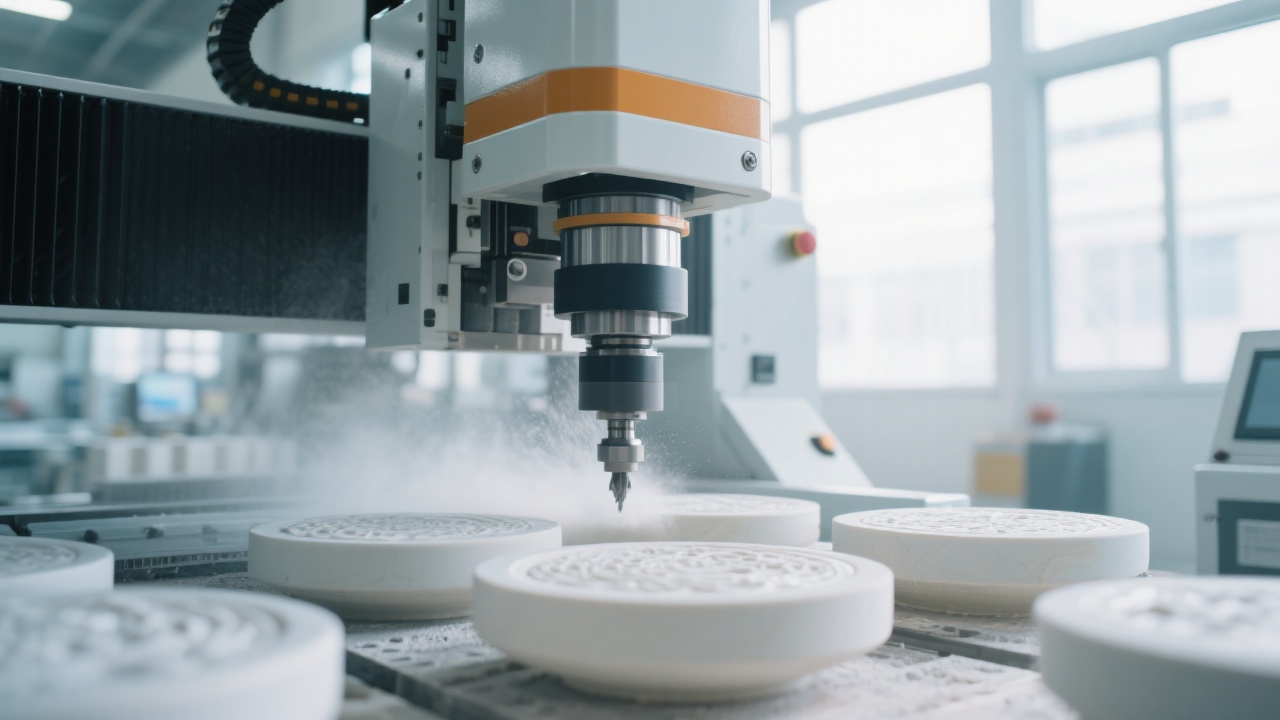
The setting of key parameters in gray cast iron grinding, such as feed rate and linear speed, is crucial. The feed rate should be adjusted according to the hardness and brittleness of the gray cast iron. A too - high feed rate may cause chipping, while a too - low feed rate will reduce the grinding efficiency. The linear speed should be matched with the material characteristics of the gray cast iron and the grinding wheel. Generally, for harder gray cast iron, a relatively lower linear speed is recommended to ensure better surface finish.
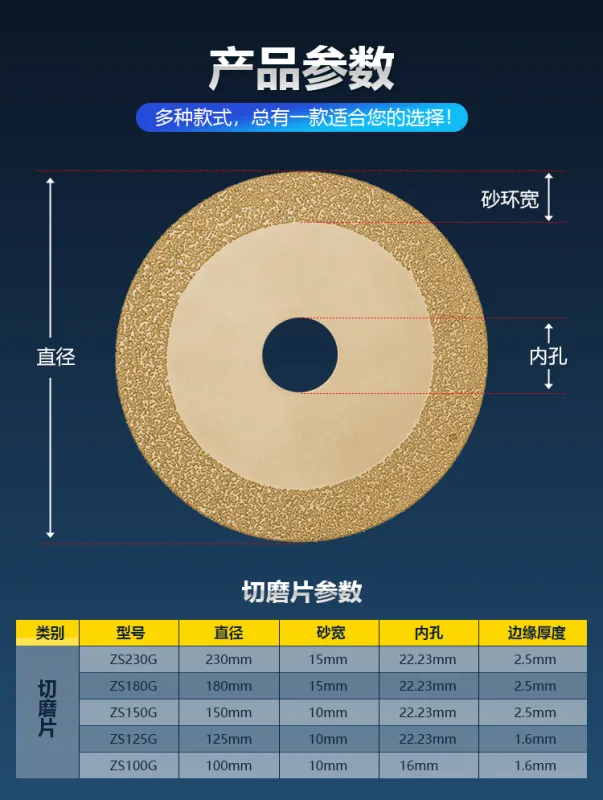
UHD offers a high degree of customization for its grinding wheels. The aperture, thickness, and curved surface shape can be customized to meet the diverse needs of different manufacturing processes. This customization ability not only provides solutions for special grinding requirements but also reflects UHD's competitive edge in the market.
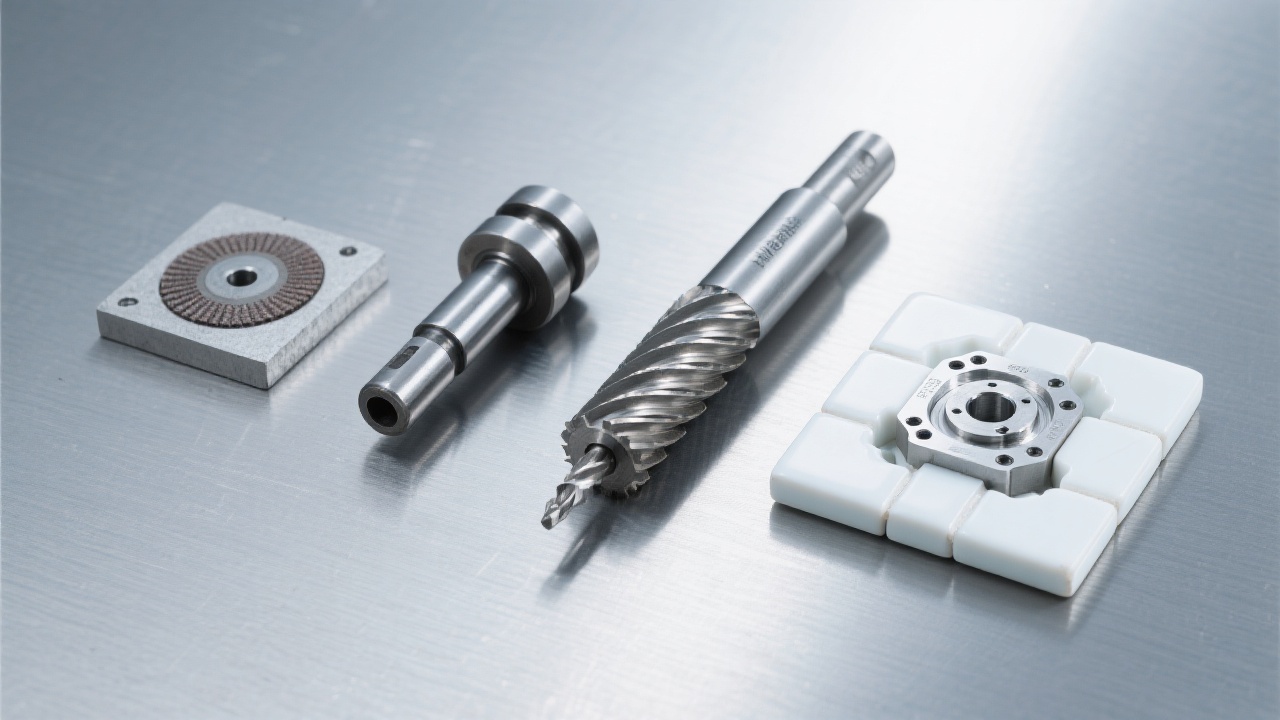
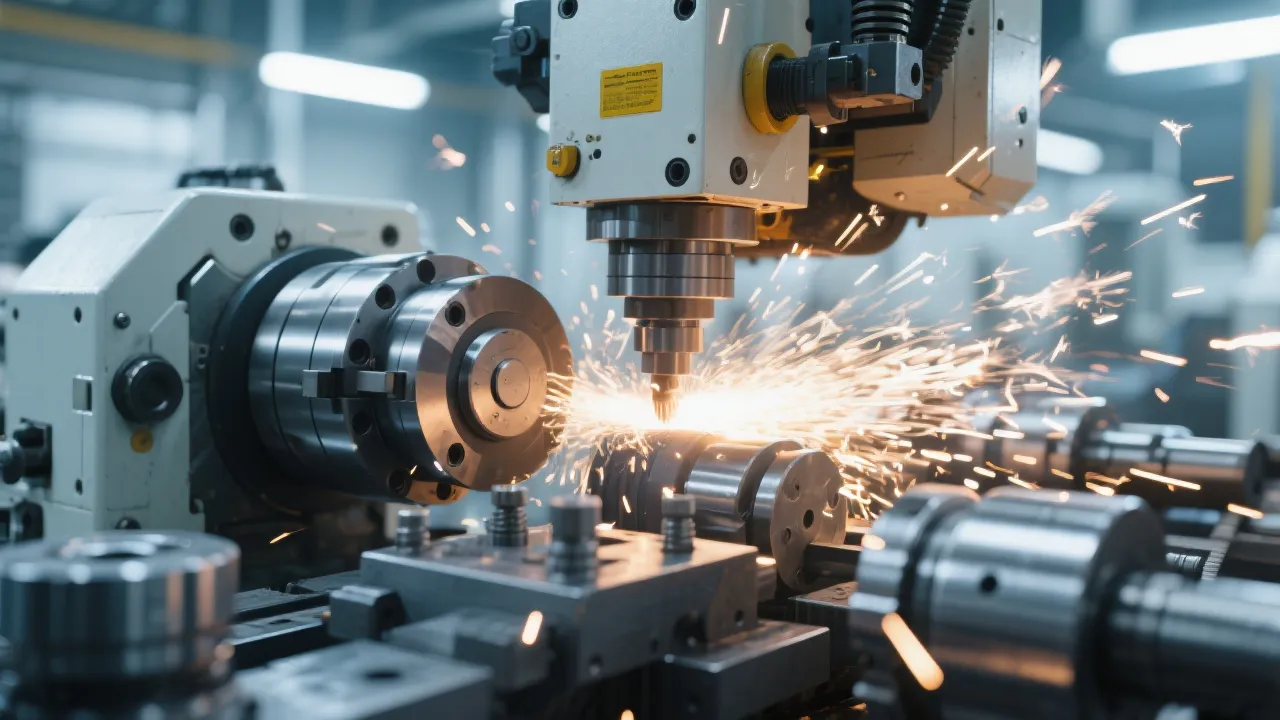
With the development of the manufacturing industry, automated production lines have higher requirements for the stability and consistency of grinding. UHD's grinding wheels, with their anti - impact design and customization capabilities, can well meet these requirements. They can ensure stable processing on automated production lines, reduce the scrap rate, and improve overall production efficiency.
In conclusion, UHD's high - wear - resistant brazed diamond grinding wheels provide an effective solution for gray cast iron grinding. If you are looking for high - quality grinding solutions for your manufacturing process, click here to learn more about UHD's products.
.png?x-oss-process=image/resize,h_800,m_lfit/format,webp)
 brazed diamond grinding wheel
125mm grinding wheel
heavy-duty machining
high-intensity grinding
diamond abrasive tools
brazing process
high - efficiency and wear - resistant
grinding efficiency
125mm diamond grinding disc
multi - specification design
Stainless steel grinding parameters
Gray cast iron grinding techniques
Diamond grinding disc usage guide
Efficient grinding solutions
Industrial material processing optimization
grinding machine maintenance
grinding wheel balancing
vibration control in grinding
grinding fluid management
brazed diamond grinding wheel
Gray cast iron grinding
Brazed diamond grinding disc
Scrap rate reduction
Anti - impact grinding disc design
Grinding parameter optimization
brazed diamond grinding wheel
125mm grinding wheel
heavy-duty machining
high-intensity grinding
diamond abrasive tools
brazing process
high - efficiency and wear - resistant
grinding efficiency
125mm diamond grinding disc
multi - specification design
Stainless steel grinding parameters
Gray cast iron grinding techniques
Diamond grinding disc usage guide
Efficient grinding solutions
Industrial material processing optimization
grinding machine maintenance
grinding wheel balancing
vibration control in grinding
grinding fluid management
brazed diamond grinding wheel
Gray cast iron grinding
Brazed diamond grinding disc
Scrap rate reduction
Anti - impact grinding disc design
Grinding parameter optimization



.png?x-oss-process=image/resize,h_100,m_lfit/format,webp)
.png?x-oss-process=image/resize,h_100,m_lfit/format,webp)
.png?x-oss-process=image/resize,h_100,m_lfit/format,webp)
.png?x-oss-process=image/resize,h_800,m_lfit/format,webp)
.png?x-oss-process=image/resize,m_fill,h_800,w_800/format,webp)