
Grinding gray cast iron remains a technical challenge for many manufacturers striving to balance productivity and surface integrity. Common grinding defects such as surface burns, edge chipping, and dimensional fluctuations regularly disrupt production flow and increase scrap rates. This article delves deep into these prevalent issues by analyzing their root causes and elucidates how optimized grinding parameters combined with state-of-the-art tooling design can significantly elevate surface quality and process stability.
Gray cast iron’s heterogeneous microstructure and thermal conductivity pose unique difficulties during grinding. Notably, surface burn originates from excessive heat concentration, resulting in metallurgical changes that weaken parts. Edge chipping or flank wear frequently arises from abrasive grain failure and stress concentration on the wheel edge. Furthermore, dimensional deviations often trace back to inconsistent feed rates and wheel wear. A thorough comprehension of these failure modes is essential for developing targeted mitigation strategies.
Paramount parameters include feed speed and wheel peripheral speed, whose harmony directly impacts grinding forces and thermal input. For gray cast iron:
Deviations from these ideal ranges elevate risks of thermal damage or wheel failure. Hence, proactive parameter tuning tied to material specifications and operational feedback is imperative.
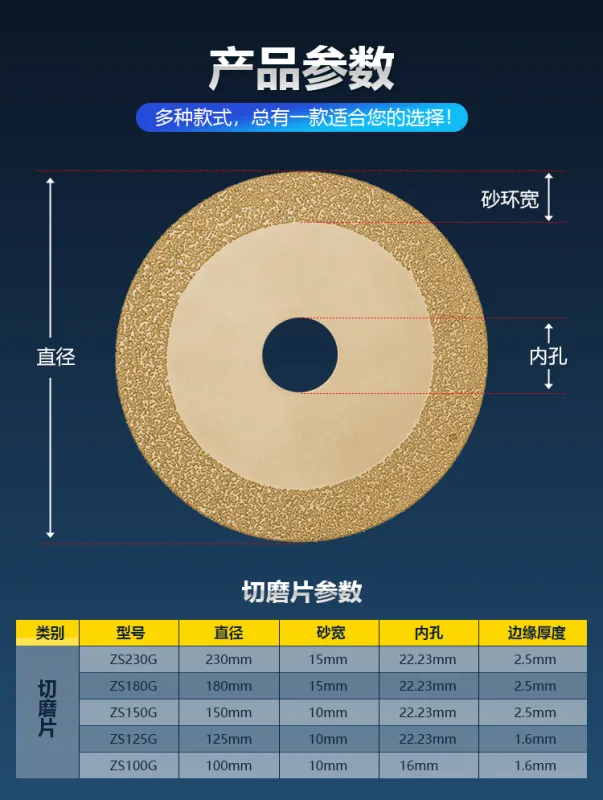
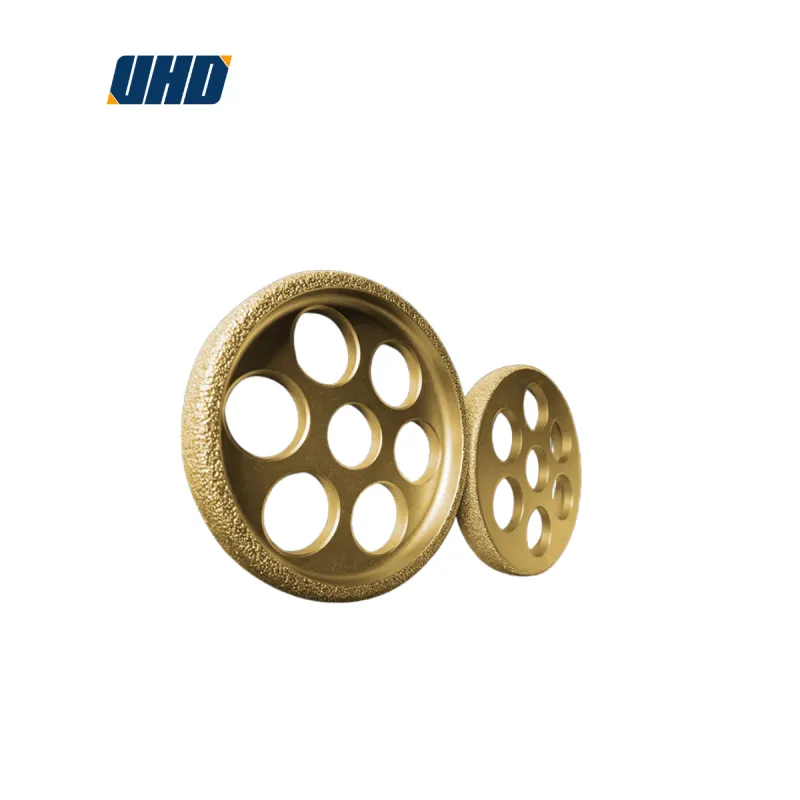
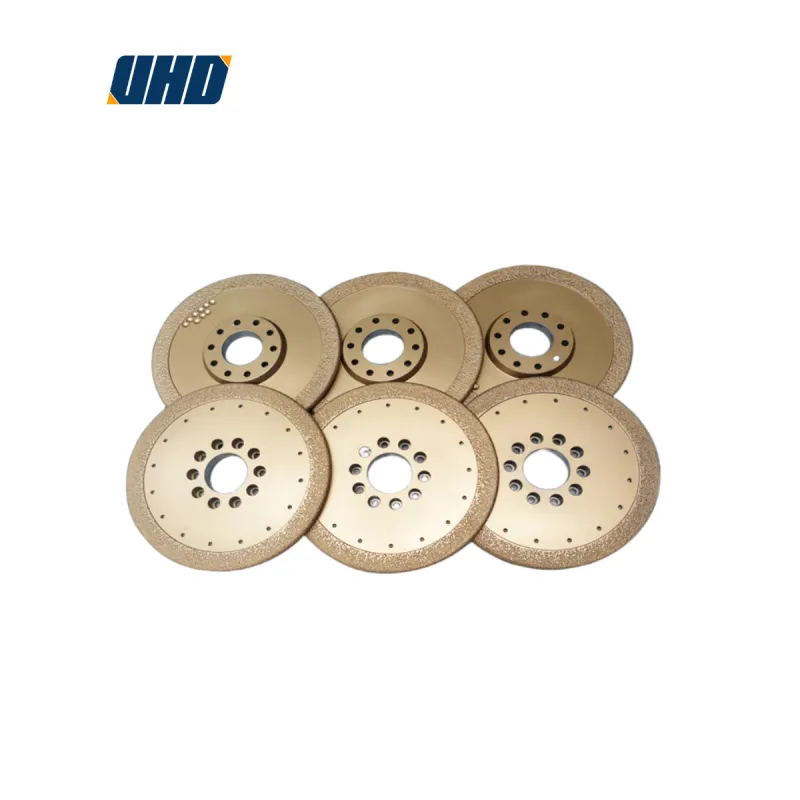
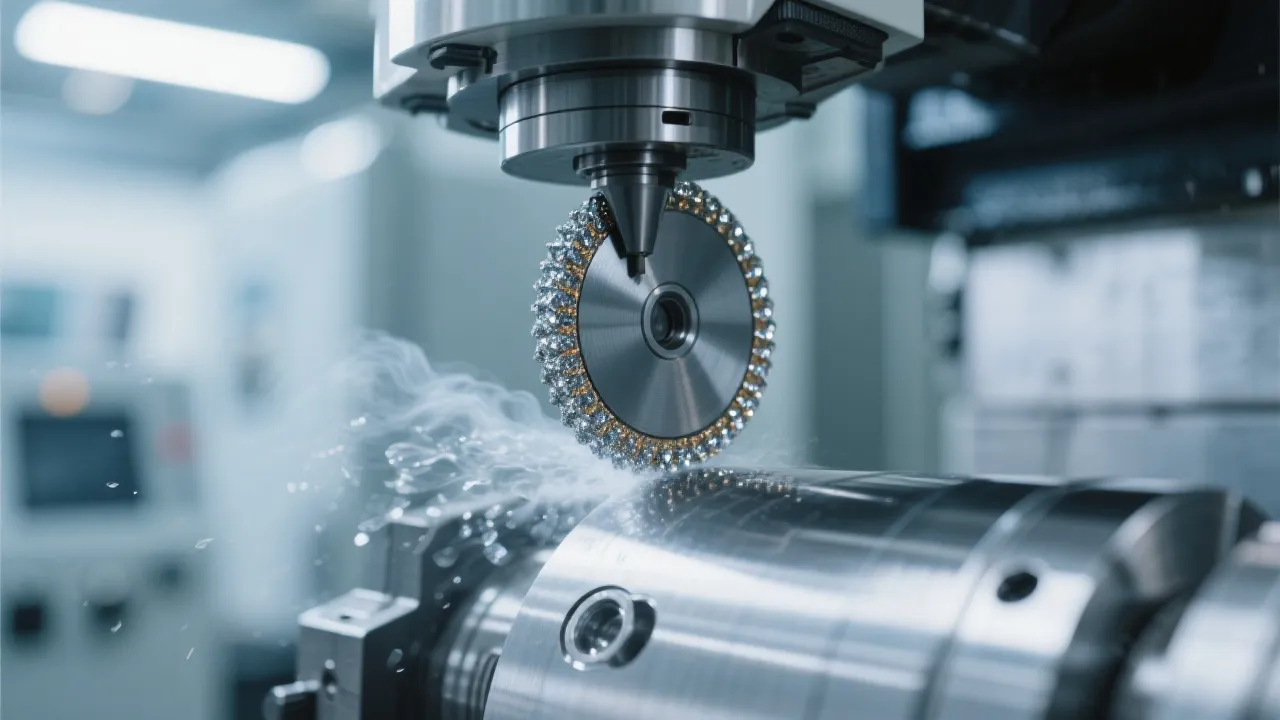
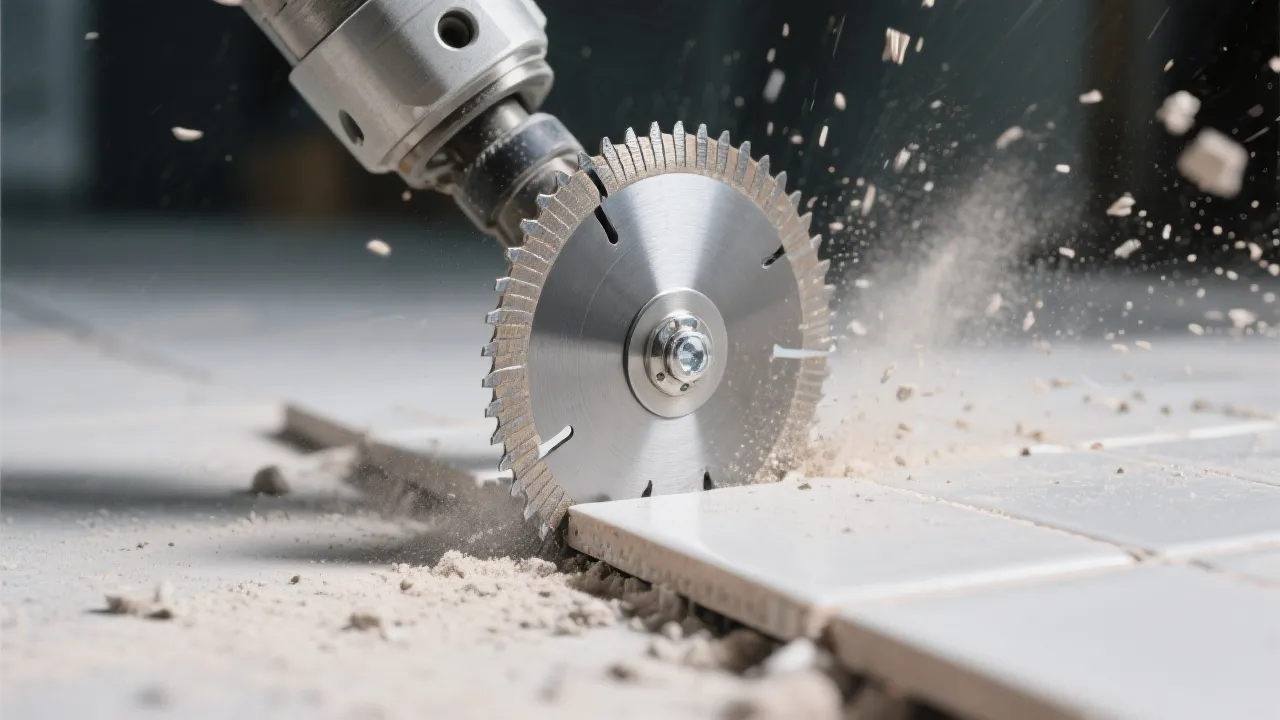
The hallmark of UHD’s advanced grinding solutions lies in their 180mm brazed diamond wheel featuring an engineered impact-resistant core. This design effectively redistributes stress concentration points that commonly cause abrasive grain detachment and wheel cracking. The brazed diamond layer ensures superior grain retention and uniform wear characteristics, facilitating enhanced dimensional stability and extending tool life.
By integrating this tooling innovation, manufacturers report improvements in surface roughness (Ra reduction up to 20%) and a 35% decrease in unplanned downtime caused by wheel replacement.
A mid-sized automotive component manufacturer faced frequent surface burns and dimensional drift during gray cast iron shaft grinding on legacy equipment. After implementing the UHD brazed diamond grinding wheels and recalibrating feed speeds to 180 mm/min and peripheral speeds to 35 m/s, defects reduced sharply.
| Metric | Before Optimization | After Optimization |
|---|---|---|
| Surface Burn Rate | 12% | 3% |
| Dimensional Variation (± mm) | 0.08 | 0.03 |
| Scrap Rate | 9% | 2% |
| Wheel Life (Operating Hours) | 60 | 90 |
This data underscores the synergy between optimized parameters and UHD’s grinding wheel technology in delivering measurable quality improvements and cost savings.
As factories advance towards automated manufacturing, consistent process stability in grinding is a critical enabler. Parameters that minimize variability reduce the need for manual intervention and downstream inspection. UHD’s grinding wheels complement automation by providing reliable performance under continuous cycles, thus facilitating integration into automated lines and predictive maintenance programs.
Industry experts recommend combining this tooling approach with smart sensor feedback loops to maintain optimal grinding conditions, a strategy increasingly adopted in top-tier gray cast iron machining operations.
Harness UHD's Innovative Brazed Diamond Grinding Wheels to Elevate Your Gray Cast Iron Machining Today
Discover UHD's High-Performance Grinding Solutions & Support
.png?x-oss-process=image/resize,h_800,m_lfit/format,webp)
 contour grinding
diamond grinding wheel selection
industrial grinding optimization
large diameter grinding wheel
custom grinding solutions
Brazed diamond grinding discs
High-efficiency wear-resistant grinding discs
Carbide grinding
Ceramic processing tools
Industrial-grade grinding discs
Brazed diamond grinding wheels
Diamond grinding wheel customization
Gray cast iron grinding tools
Industrial grinding wheel solutions
Super - hard material tools
brazed diamond grinding wheel
impact resistance testing
grinding stability optimization
industrial diamond tools
125mm grinding disc
Brazed diamond grinding disk customization
High-efficiency wear-resistant grinding disks
Cemented carbide fine grinding solutions
Diamond grinding disk selection guide
Industrial grinding tool services
contour grinding
diamond grinding wheel selection
industrial grinding optimization
large diameter grinding wheel
custom grinding solutions
Brazed diamond grinding discs
High-efficiency wear-resistant grinding discs
Carbide grinding
Ceramic processing tools
Industrial-grade grinding discs
Brazed diamond grinding wheels
Diamond grinding wheel customization
Gray cast iron grinding tools
Industrial grinding wheel solutions
Super - hard material tools
brazed diamond grinding wheel
impact resistance testing
grinding stability optimization
industrial diamond tools
125mm grinding disc
Brazed diamond grinding disk customization
High-efficiency wear-resistant grinding disks
Cemented carbide fine grinding solutions
Diamond grinding disk selection guide
Industrial grinding tool services



.png?x-oss-process=image/resize,h_100,m_lfit/format,webp)
.png?x-oss-process=image/resize,h_100,m_lfit/format,webp)
.png?x-oss-process=image/resize,h_100,m_lfit/format,webp)
.png?x-oss-process=image/resize,m_fill,h_800,w_800/format,webp)