
You’re not alone if you’ve seen unexpected vibrations during heavy-duty grinding — it’s often the sign of an imbalanced wheel before it becomes a safety risk or production stoppage.
According to industry data, over 43% of unplanned downtime in metalworking shops is linked to tooling imbalance or wear — especially with high-load applications like stainless steel machining or mining equipment fabrication. That’s why knowing how to perform a quick self-check can save time, money, and even lives.
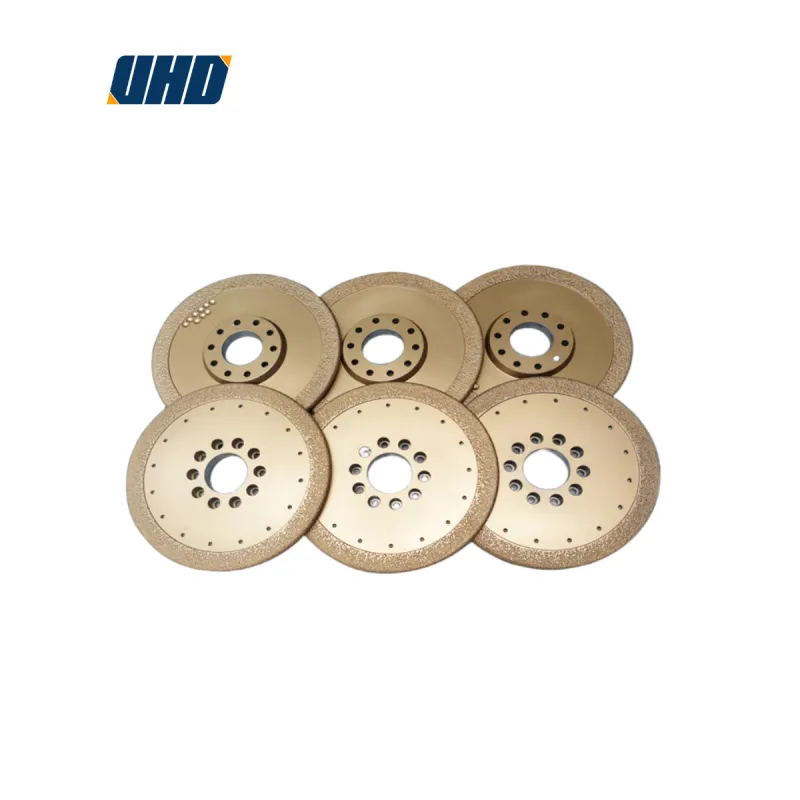
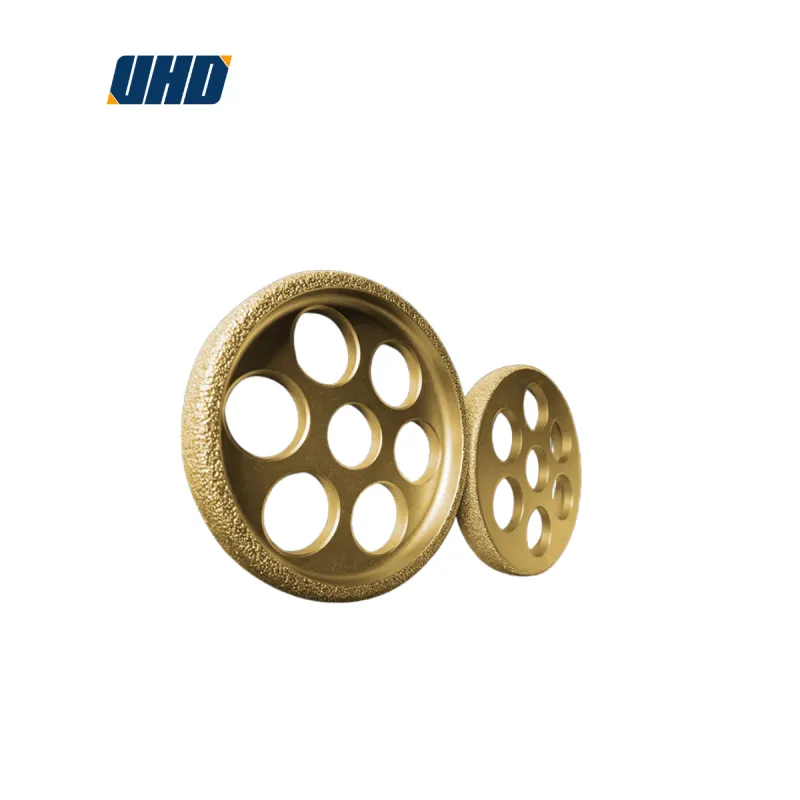
Unlike standard wheels, UHD’s brazed diamond grinding wheels are engineered for continuous operation under extreme loads. But even the best design needs proper handling. An unbalanced wheel doesn’t just reduce surface finish quality — it increases stress on bearings, causes premature blade failure, and can lead to dangerous dislodging at speeds above 2,500 RPM.
Real-world impact: One automotive parts manufacturer reported a 70% drop in grinding defects after implementing a daily balance check routine — while also reducing machine maintenance costs by nearly $2,800/month.
“We used to wait until the machine started shaking badly — now we catch issues in under 5 minutes. It’s changed our whole shop culture.”
— Maria Lopez, Production Supervisor, Automotive Tier-1 Supplier
| Industry | Typical Failure Symptoms |
|---|---|
| Automotive Parts | Surface burn marks, inconsistent depth cuts |
| Mining Equipment | Sudden noise spikes, wheel wobble at high speed |
Even small habits matter: clean the wheel flange regularly, avoid sudden temperature changes, and always store wheels vertically. These practices extend life and maintain precision.
And remember — if your team notices something unusual, don’t hesitate to reach out. Our technical support team responds within 2 hours during business hours, offering tailored solutions based on your specific application.
Get access to our free downloadable checklist + expert advice from UHD’s field engineers.
Download Your Free Balance Checklist Now.png?x-oss-process=image/resize,h_800,m_lfit/format,webp)

 Grinding equipment maintenance
Grinding wheel balance adjustment
Grinding fluid management techniques
Industrial grinding safety operation
Grinding wheel lifespan extension
Grinding equipment maintenance
Grinding wheel balance adjustment
Grinding fluid management skills
Industrial grinding safety operation
Brazed diamond grinding wheel
brazed diamond grinding wheel
125mm grinding wheel
heavy-duty machining
high-intensity grinding
diamond abrasive tools
brazed diamond wheel
diamond grinding wheel durability
impact-resistant grinding tools
high-speed grinding solutions
custom industrial grinding tools
Gray cast iron grinding
Brazed diamond grinding disc
Scrap rate reduction
Anti - impact grinding disc design
Grinding parameter optimization
Grinding equipment maintenance
Grinding wheel balance adjustment
Grinding fluid management techniques
Industrial grinding safety operation
Grinding wheel lifespan extension
Grinding equipment maintenance
Grinding wheel balance adjustment
Grinding fluid management skills
Industrial grinding safety operation
Brazed diamond grinding wheel
brazed diamond grinding wheel
125mm grinding wheel
heavy-duty machining
high-intensity grinding
diamond abrasive tools
brazed diamond wheel
diamond grinding wheel durability
impact-resistant grinding tools
high-speed grinding solutions
custom industrial grinding tools
Gray cast iron grinding
Brazed diamond grinding disc
Scrap rate reduction
Anti - impact grinding disc design
Grinding parameter optimization



.png?x-oss-process=image/resize,h_100,m_lfit/format,webp)
.png?x-oss-process=image/resize,h_100,m_lfit/format,webp)
.png?x-oss-process=image/resize,h_100,m_lfit/format,webp)
.png?x-oss-process=image/resize,m_fill,h_800,w_800/format,webp)