
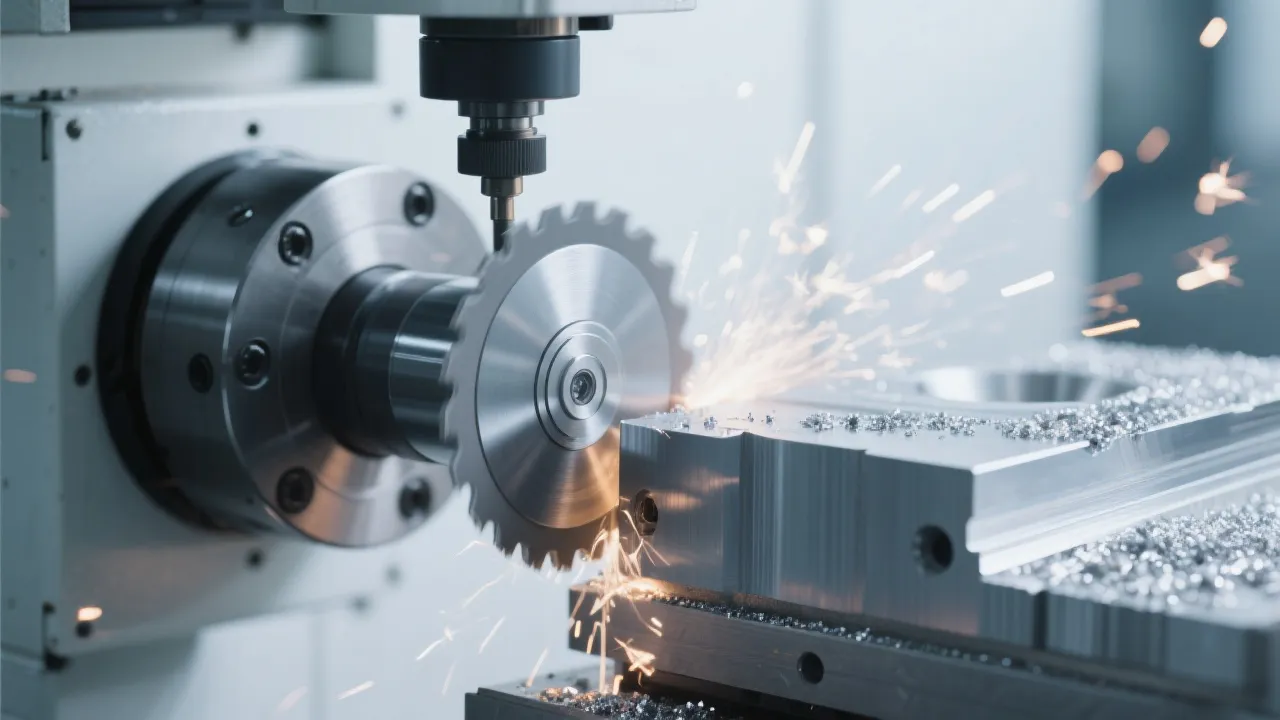
Grinding burn and frequent edge chipping often plague manufacturing workflows, degrading both the quality of the finished part and the productivity of grinding operations. Drawing on the extensive application expertise from Henan UHD Superhard Materials Co., Ltd., this detailed guide unpacks five essential feed rate adjustments that help control grinding heat damage. These proven strategies extend diamond wheel life and stabilize processing across diverse materials such as gray cast iron, stainless steel, ceramics, and glass.
The choice of diamond grit size directly influences surface finish quality and heat generation. Coarser grits (30-50 μm) remove material aggressively, ideal for rough grinding but prone to elevated thermal damage if feed rates are unchecked. Finer grits (10-25 μm) produce less grinding heat and lower risk of burn but require careful speed and feed synchronization to maintain productivity. Data from UHD’s global client base shows that adjusting grit size based on the workpiece hardness can reduce grinding burn incidence by up to 35%.
Effective cooling mitigates heat concentration, a principal cause of grinding burn. Water-soluble oils and synthetic coolants, used in high flow rates of 15-20 L/min, provide superior thermal control for metals like stainless steel and cast iron. For ceramics and glass, semi-synthetic coolants ensure adequate penetration without chemical degradation. UHD’s field data emphasizes maintaining coolant temperature below 30°C during operation to restrain thermal expansion and microstructural damage.
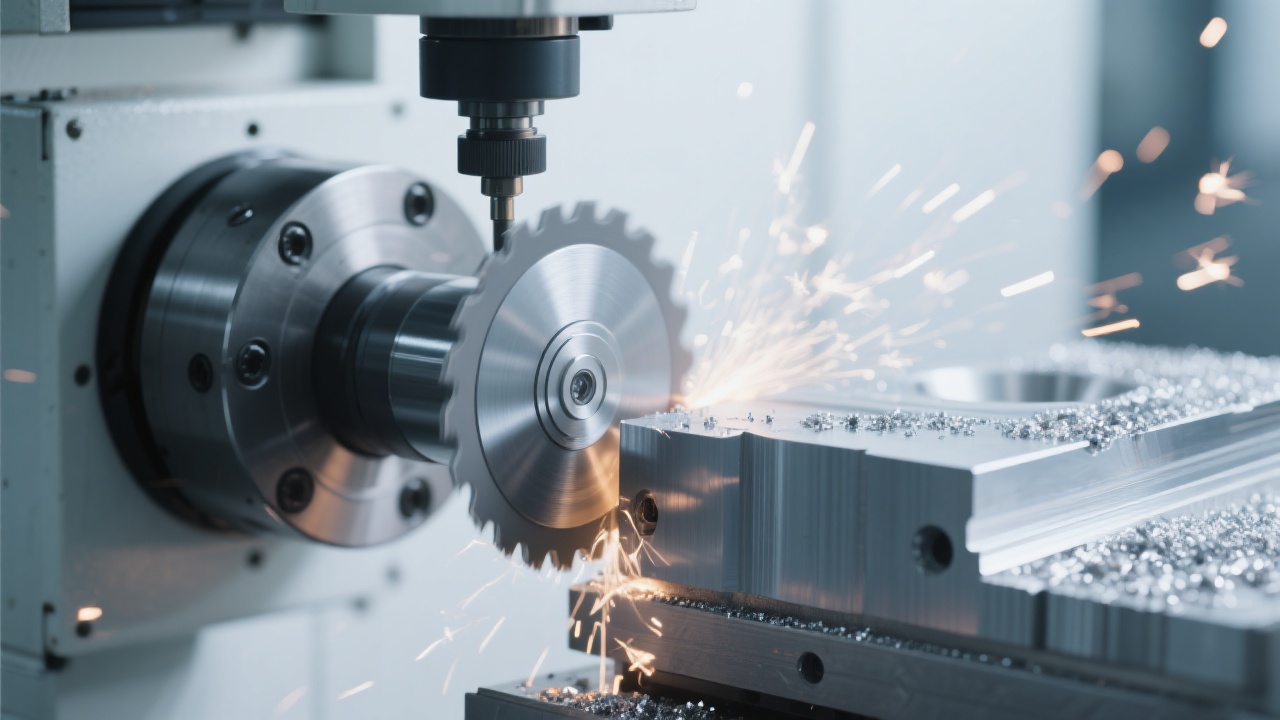
Wheel dressing renews the active surface, removing clogged material and restoring sharpness—critical to prevent frictional heat buildup. UHD’s recommended dressing intervals vary by application but typically fall between 30-60 minutes of grinding time. Using vitrified diamond dressing tools ensures precise wheel profile restoration, reducing contact heat by an estimated 20%. Importantly, consistent dressing helps stabilize feed rates without sacrificing surface integrity.
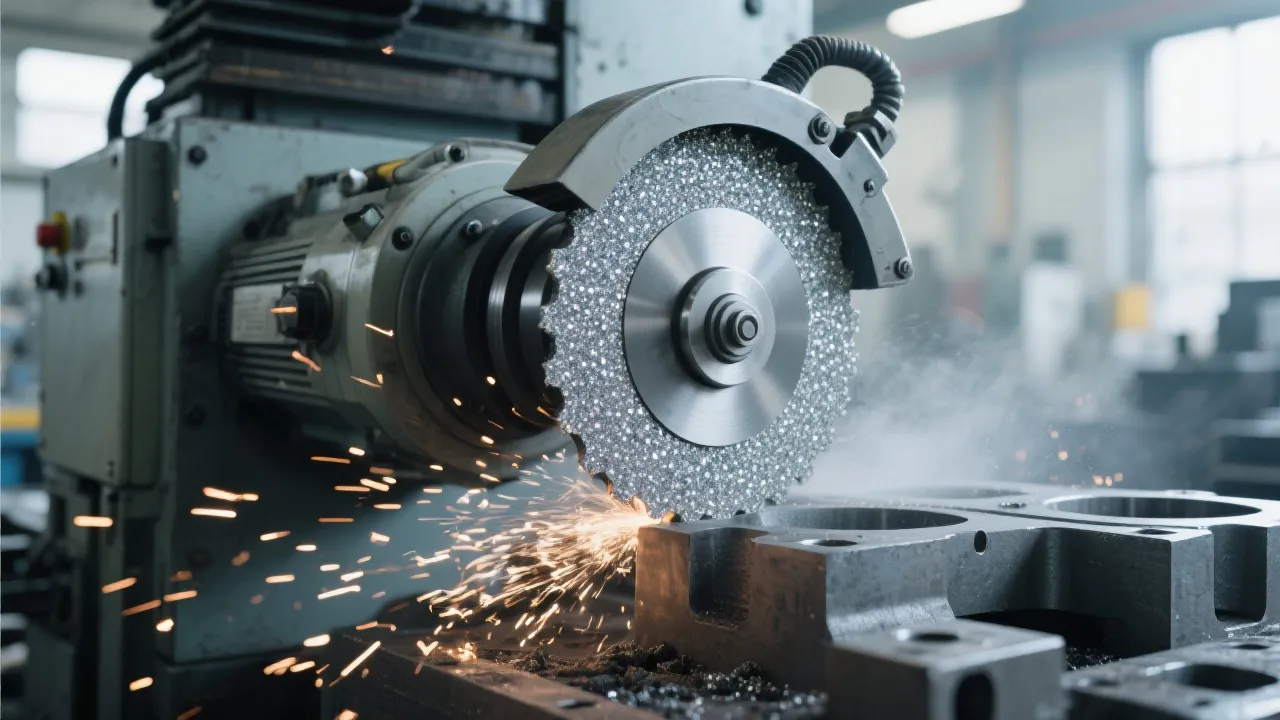
Optimizing feed rate is the cornerstone of preventing grinding burn. For tough materials like stainless steel, UHD advocates a feed rate range of 700–1200 mm/min with a diamond wheel at 35 m/s peripheral speed. Softer or brittle materials require slower feed rates to avoid thermal cracking. Monitoring power consumption trends during grinding can indicate suboptimal feed settings; spikes often signal increased friction and potential burn. Adjustment in increments of ±10% rather than large jumps ensures process stability.
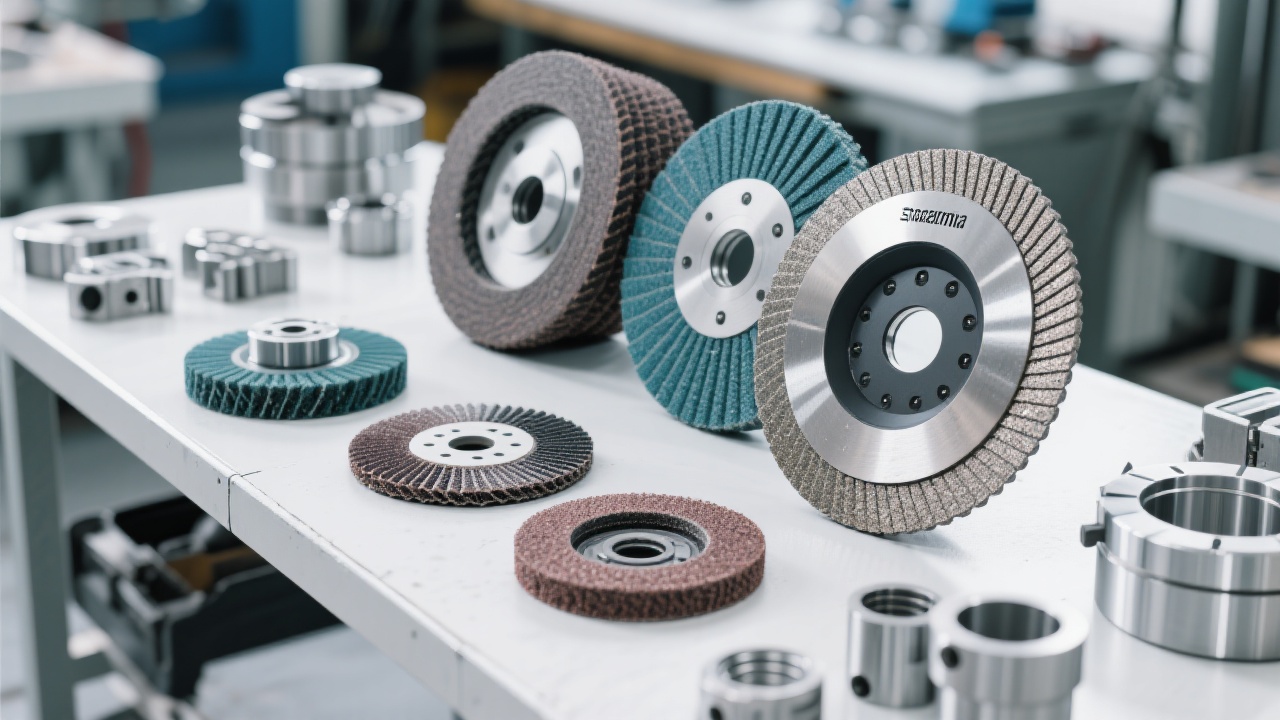
Digitally monitoring wheel wear and vibration can preempt grinding burn issues before they impact the workpiece. UHD integrates acoustic emission sensors and thermal cameras to continuously track grinding parameters. This approach provides early warning signs such as wheel loading or overheating, triggering automatic feed rate adjustments or dressing signals. Case studies show these measures reduce wheel damage and burn defects by over 40%, improving uptime and product consistency.
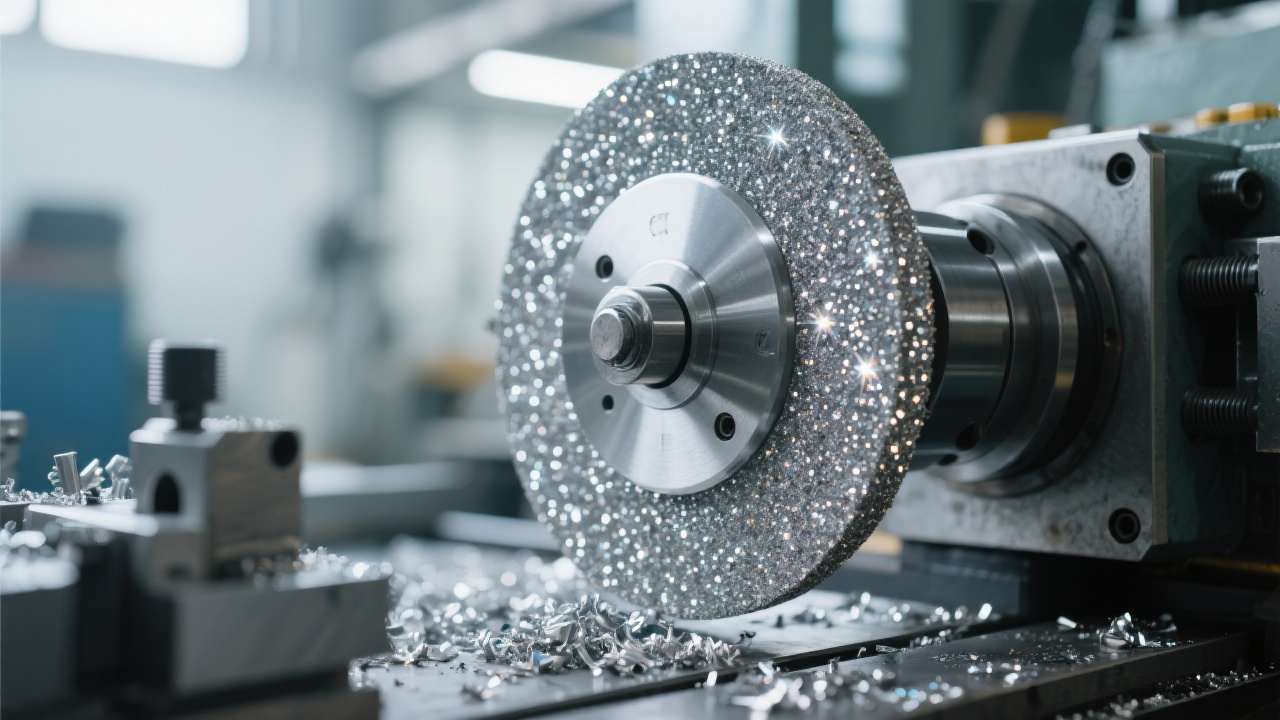
Grinding processes demand a precise balance of parameters to safeguard product integrity and tooling investment. By mastering these five feed rate and grinding conditions adjustments, operators achieve enhanced thermal control, reduced burn defects, and longer diamond wheel life.

.png?x-oss-process=image/resize,h_800,m_lfit/format,webp)
 diamond layer uniformity
grinding wheel life
industrial grinding standards
diamond segment distribution
abrasive tool performance
Automation diamond saw blades
Vacuum brazing technology
Metal cutting tools
Production efficiency improvement
Cutting equipment durability
diamond grinding wheel impact resistance
grinding vibration issues
surface ripple causes
brazed diamond wheels
grinding wheel selection guide
brazed diamond grinding disc
heavy-duty grinding efficiency
diamond tool wear resistance
stainless steel grinding solution
industrial grinding disc lifespan
custom diamond grinding wheels
surface grinding solutions
diamond wheel diameter selection
industrial grinding optimization
precision grinding tools
diamond layer uniformity
grinding wheel life
industrial grinding standards
diamond segment distribution
abrasive tool performance
Automation diamond saw blades
Vacuum brazing technology
Metal cutting tools
Production efficiency improvement
Cutting equipment durability
diamond grinding wheel impact resistance
grinding vibration issues
surface ripple causes
brazed diamond wheels
grinding wheel selection guide
brazed diamond grinding disc
heavy-duty grinding efficiency
diamond tool wear resistance
stainless steel grinding solution
industrial grinding disc lifespan
custom diamond grinding wheels
surface grinding solutions
diamond wheel diameter selection
industrial grinding optimization
precision grinding tools



.png?x-oss-process=image/resize,h_100,m_lfit/format,webp)
.png?x-oss-process=image/resize,h_100,m_lfit/format,webp)
.png?x-oss-process=image/resize,h_100,m_lfit/format,webp)
.png?x-oss-process=image/resize,h_800,m_lfit/format,webp)
