
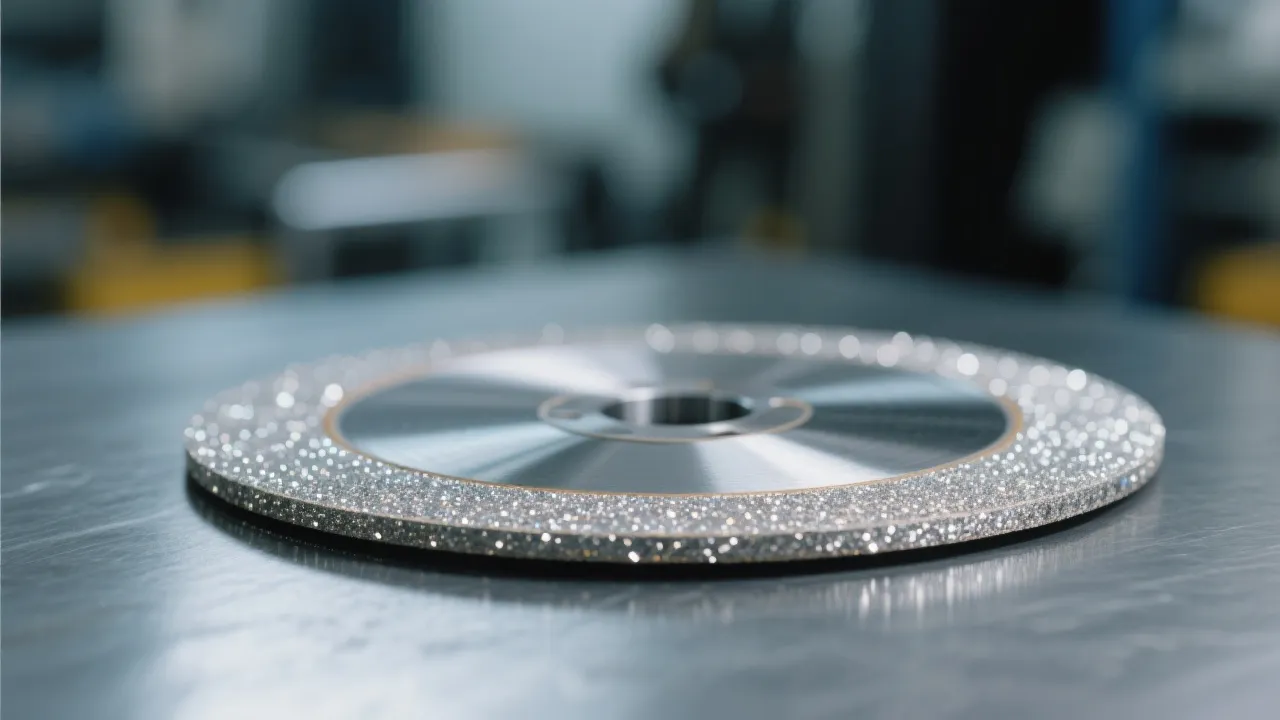
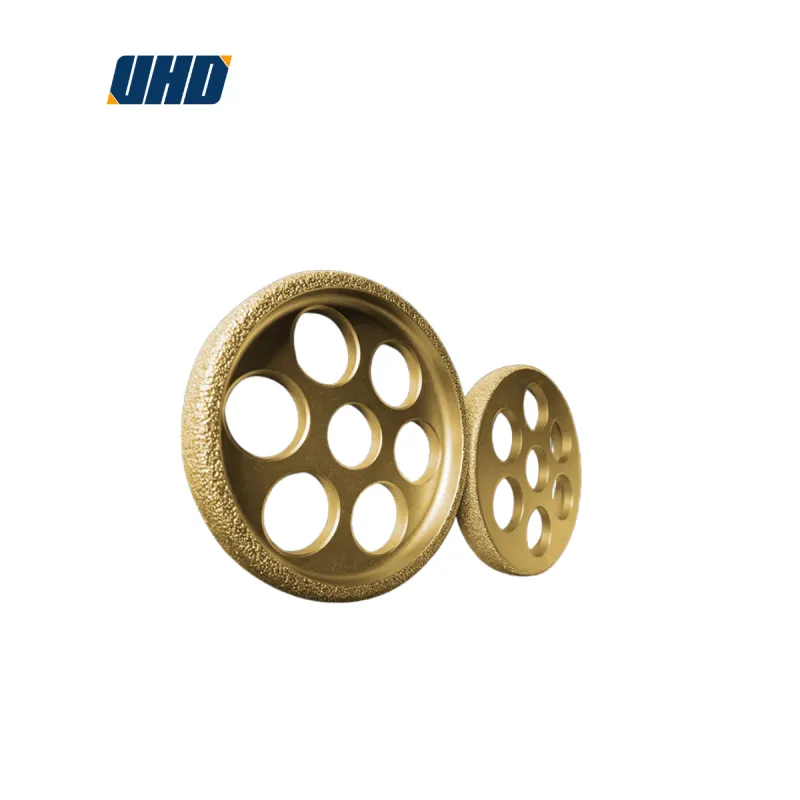
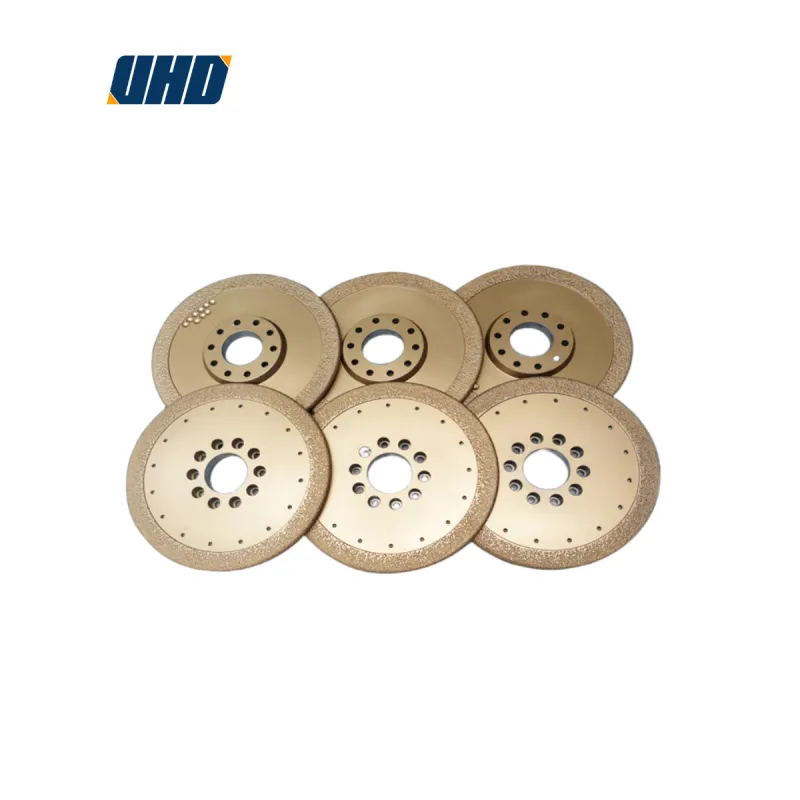
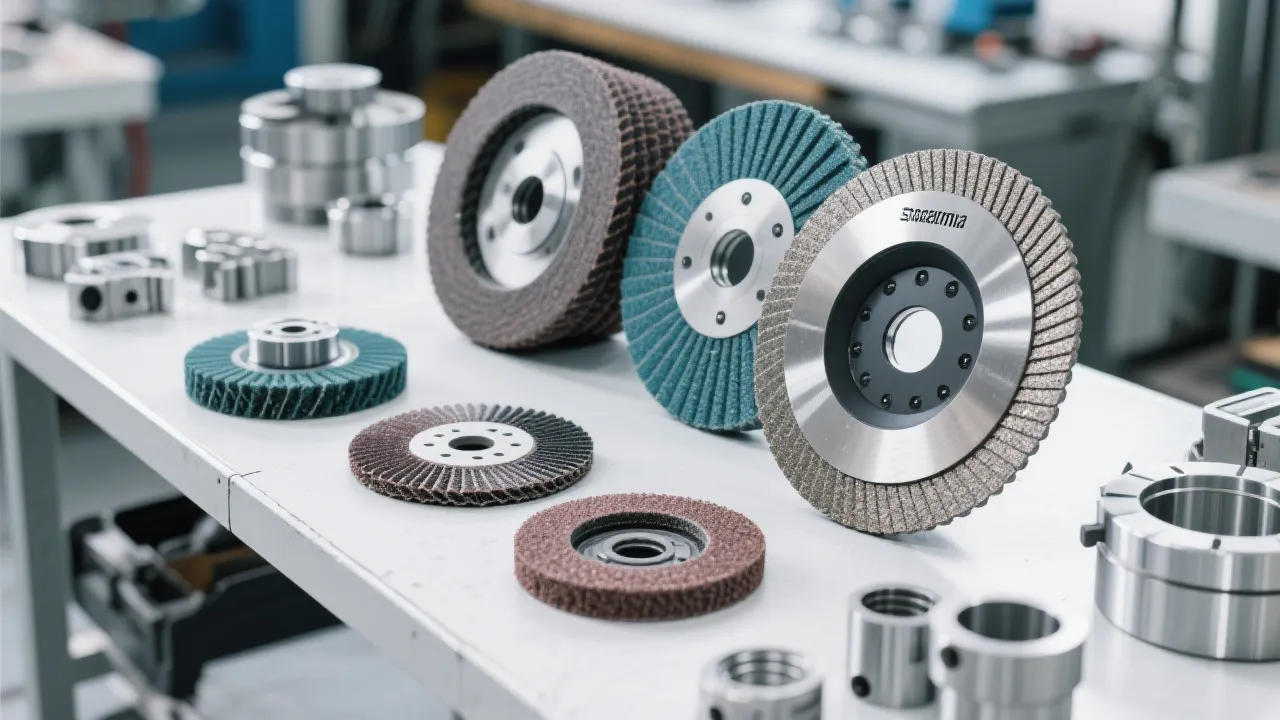
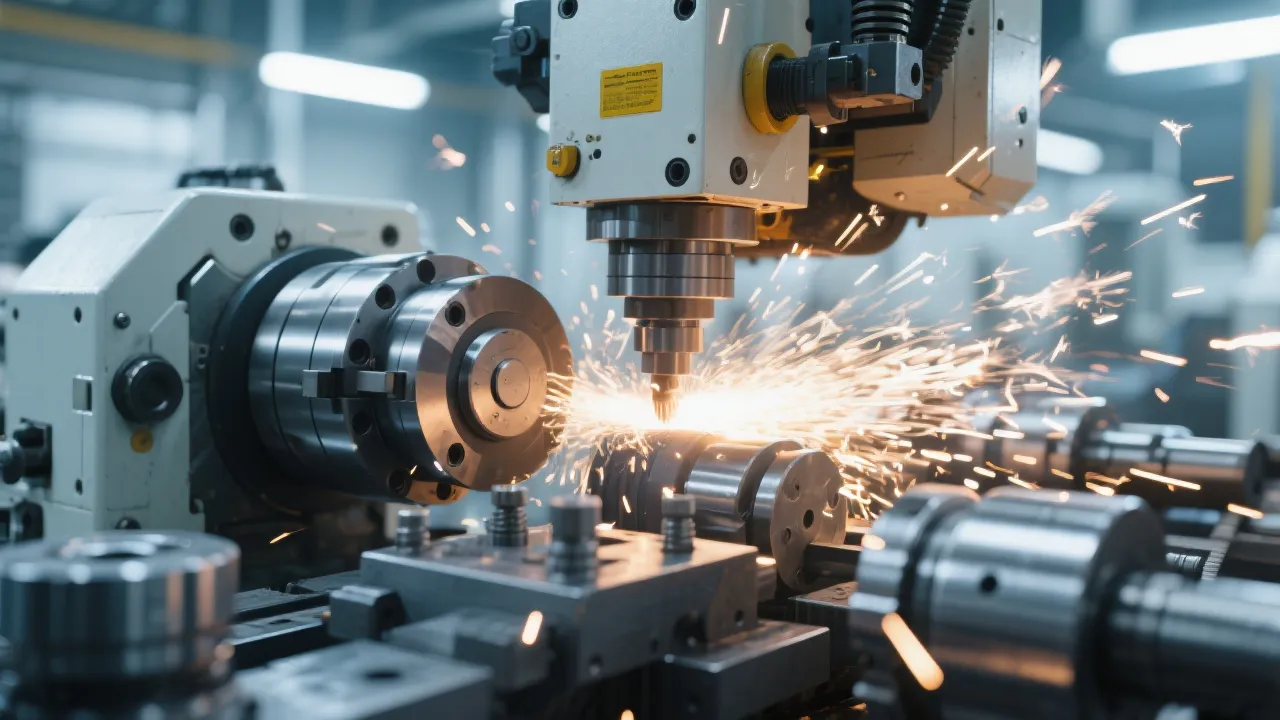
Heavy - load continuous operations place stringent requirements on the strength of grinding disc substrate materials. In this article, we will take an in - depth look at how UHD's high - wear - resistant brazed diamond grinding discs enhance impact resistance and stability through advanced brazing processes and unique turning substrate designs, ensuring long - term reliable operation in the processing of stainless steel and high - strength materials. By combining failure mode analysis and a simple self - inspection process, we aim to help you scientifically evaluate the suitability of grinding discs, avoid the risk of sudden downtime, and achieve efficient and safe production.
In heavy - load continuous operations, the strength of the grinding disc substrate is crucial. When comparing ordinary materials with high - performance alloys, significant differences emerge. For example, high - performance alloys can withstand up to 30% more pressure and impact than ordinary materials. This means that in high - intensity operations such as stainless steel processing, high - performance alloy substrates can maintain their shape and performance for a longer time, reducing the frequency of disc replacement and improving production efficiency.
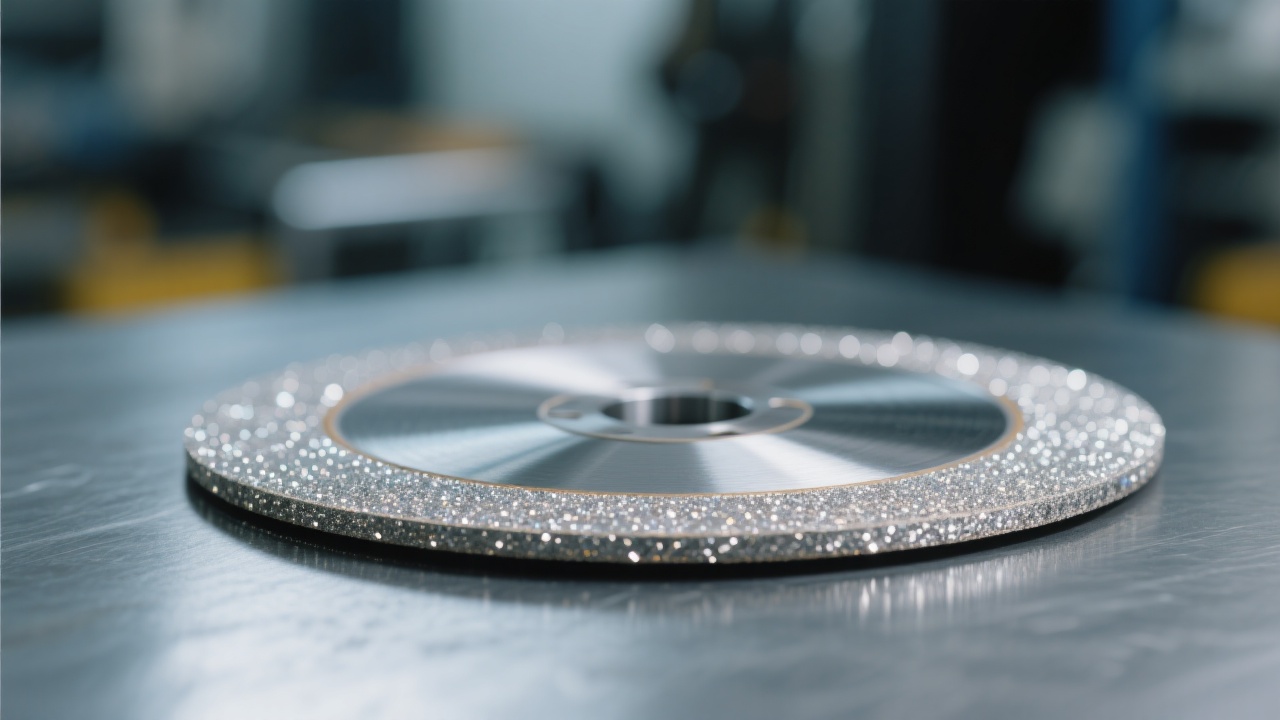
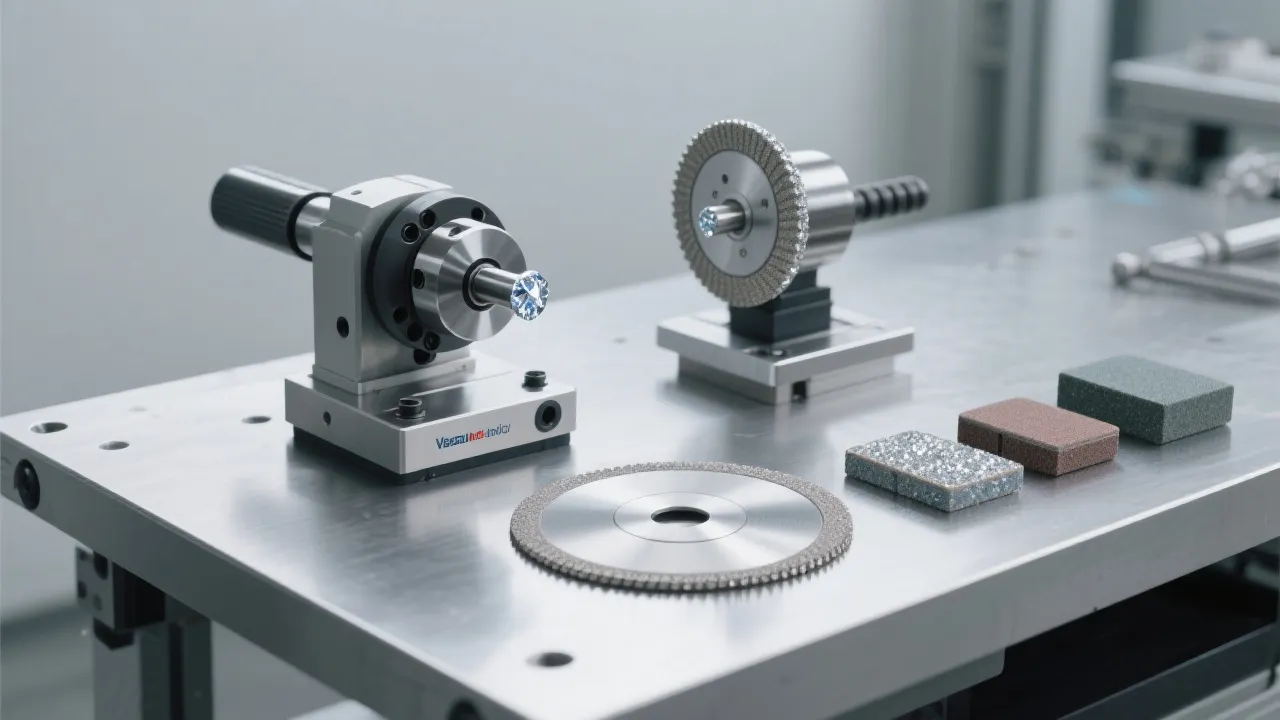
The bonding force at the brazing interface and the uniformity of the diamond layer distribution have a direct impact on the service life of the grinding disc. A strong brazing interface can reduce the risk of diamond layer peeling, and a uniform diamond layer can ensure consistent grinding performance. Studies have shown that a well - bonded brazing interface can extend the service life of the grinding disc by up to 40%, and a uniformly distributed diamond layer can improve grinding efficiency by 25%. UHD uses advanced brazing technology to ensure a strong bond between the diamond layer and the substrate and unique manufacturing processes to achieve a highly uniform diamond layer distribution.
Let's take a look at some typical industry cases. In the automotive parts manufacturing industry, sudden wear and tear of the grinding disc are often the main failure modes. In the mining equipment manufacturing industry, due to severe working conditions, the deformation and damage of the grinding disc substrate are more common. Through failure mode analysis, we can understand the reasons behind these failures and take corresponding preventive measures.
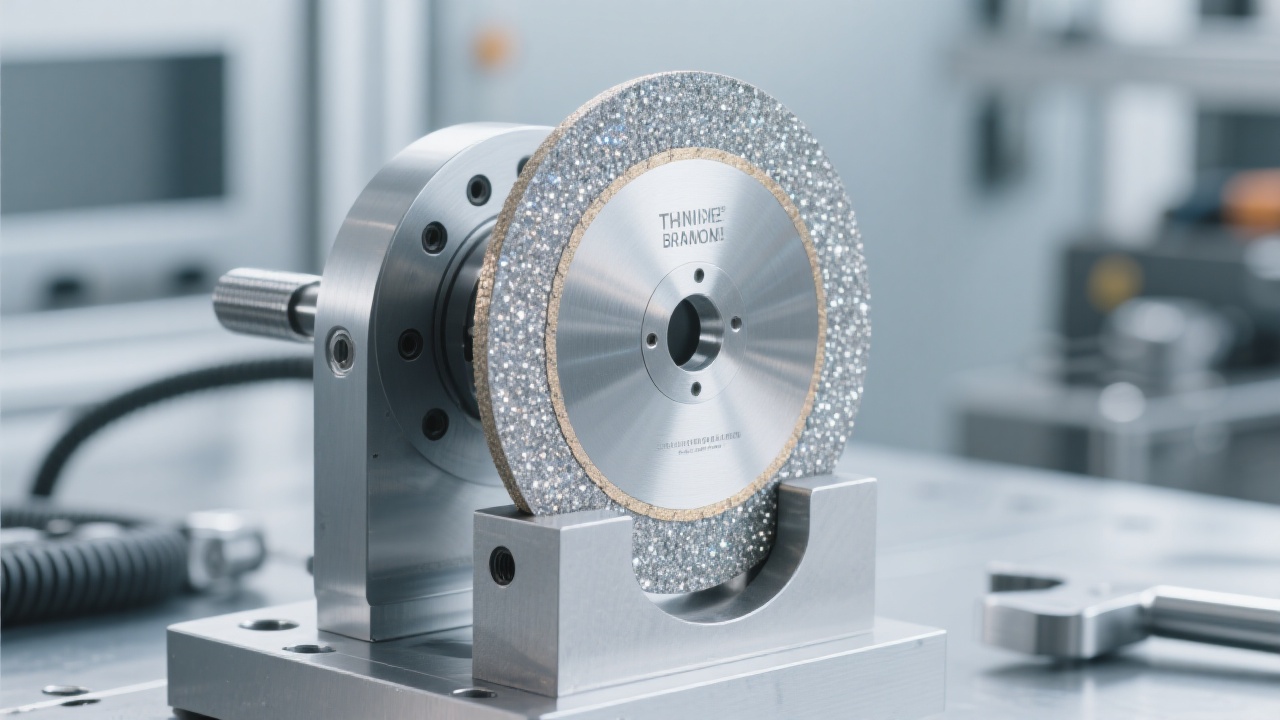
To enhance the on - site risk identification ability of front - line operators, we provide a simple self - inspection process. Operators can check the appearance of the grinding disc regularly, including whether there are cracks, peeling of the diamond layer, etc. They can also measure the thickness of the grinding disc to determine its wear status. By performing these simple self - inspections, potential problems can be detected in time, avoiding sudden equipment breakdowns.
Dynamic balance performance and speed matching are also important factors affecting the performance of the grinding disc. A well - balanced grinding disc can reduce abnormal vibrations during operation, thereby reducing equipment damage. It is recommended that the dynamic balance accuracy of the grinding disc reaches G1 level. When selecting a grinding disc, the appropriate speed range should be determined according to the equipment's requirements to ensure stable operation.
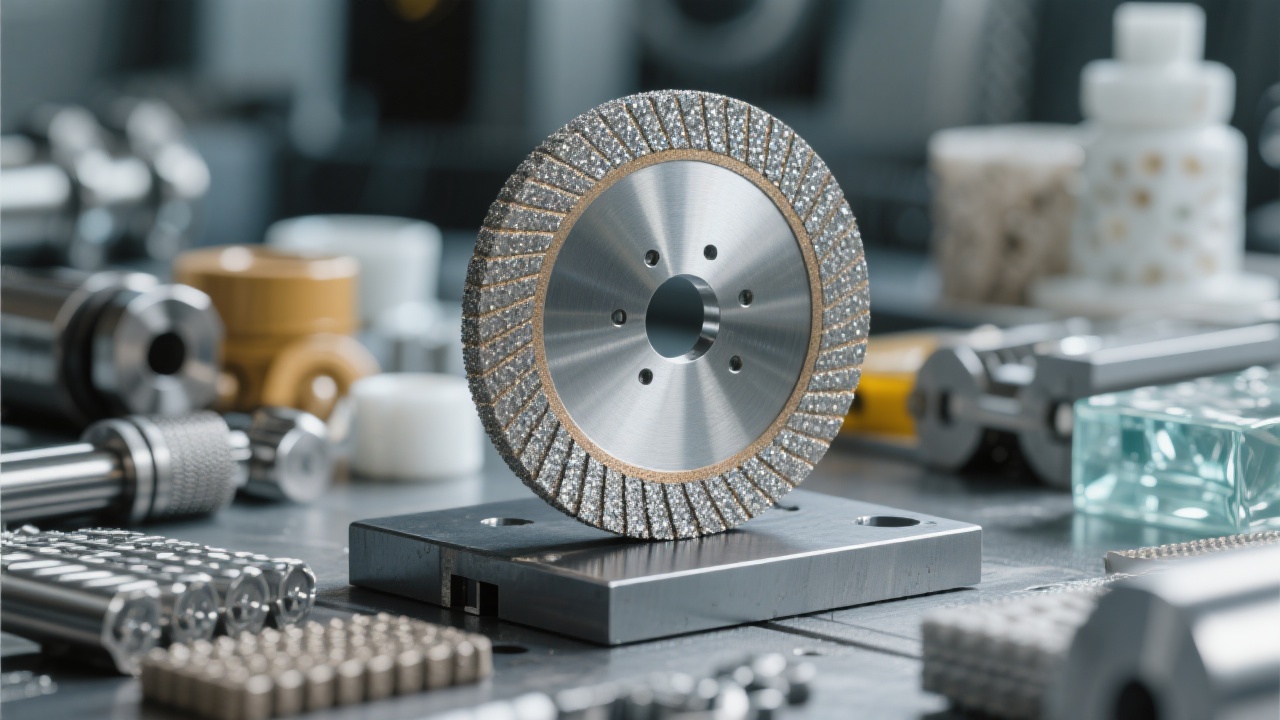
UHD is committed to providing a comprehensive service system. From the initial grinding disc selection, our professional team can provide personalized advice based on your specific needs. During the operation process, we offer timely after - sales support. Whether it is technical consultation or on - site maintenance, we are always ready to help. UHD forges a more durable and reassuring grinding solution for you, making every cut precise.
Are you looking for a reliable grinding solution for your heavy - load continuous operation? Click here to learn more about UHD's high - wear - resistant brazed diamond grinding discs and start your efficient and safe production journey!

 grey cast iron grinding
impact-resistant grinding wheel
diamond grinding wheel
precision machining solutions
grinding parameter optimization
Brazed diamond grinding wheels
Diamond grinding wheel customization
Gray cast iron grinding tools
Industrial grinding wheel solutions
Super - hard material tools
grinding machine maintenance
grinding wheel balancing
vibration control in grinding
grinding fluid management
brazed diamond grinding wheel
Brazed diamond grinding disk
Gray cast iron grinding efficiency
Industrial grinding tools
Superhard material processing
Diamond grinding disk application cases
Grinding efficiency improvement
Diamond grinding disc lifespan extension
Brazed diamond grinding disc usage tips
Industrial grinding parameter optimization
Grinding disc condition monitoring methods
grey cast iron grinding
impact-resistant grinding wheel
diamond grinding wheel
precision machining solutions
grinding parameter optimization
Brazed diamond grinding wheels
Diamond grinding wheel customization
Gray cast iron grinding tools
Industrial grinding wheel solutions
Super - hard material tools
grinding machine maintenance
grinding wheel balancing
vibration control in grinding
grinding fluid management
brazed diamond grinding wheel
Brazed diamond grinding disk
Gray cast iron grinding efficiency
Industrial grinding tools
Superhard material processing
Diamond grinding disk application cases
Grinding efficiency improvement
Diamond grinding disc lifespan extension
Brazed diamond grinding disc usage tips
Industrial grinding parameter optimization
Grinding disc condition monitoring methods



.png?x-oss-process=image/resize,h_100,m_lfit/format,webp)
.png?x-oss-process=image/resize,h_100,m_lfit/format,webp)
.png?x-oss-process=image/resize,h_100,m_lfit/format,webp)
.png?x-oss-process=image/resize,h_800,m_lfit/format,webp)
.png?x-oss-process=image/resize,m_fill,h_800,w_800/format,webp)