
When it comes to high-load applications like mining and heavy construction, the reliability of wear plates—especially those made with brazed diamond segments—is critical for continuous operation and safety. At Henan Youde Superhard Tools Co., Ltd., we’ve seen firsthand how two common failure modes—chipping (崩刃) and delamination (脱落)—can disrupt production lines and increase maintenance costs.
Based on our field data from over 400+ industrial installations across China, Southeast Asia, and Australia, chipping occurs in approximately 68% of cases due to poor bonding strength at the brazing interface, while delamination affects about 32%—often linked to uneven diamond distribution or inadequate dynamic balance.
Our engineers analyzed these failures using ASTM F2755 standards for brazed tool integrity and found that:
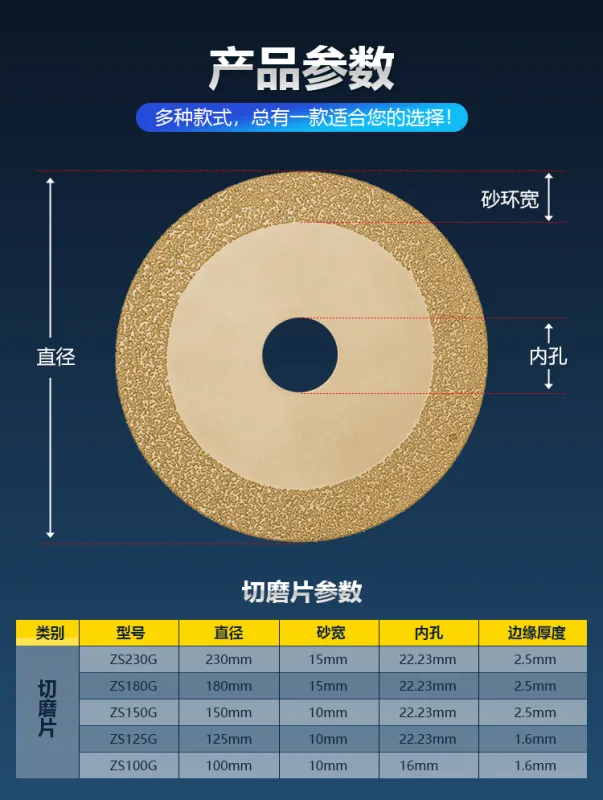
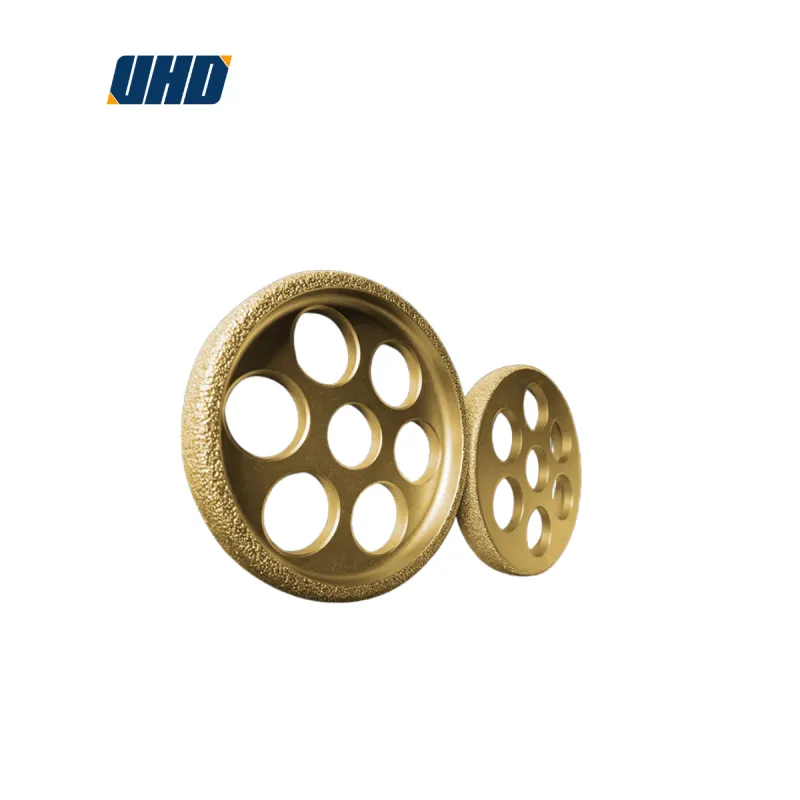
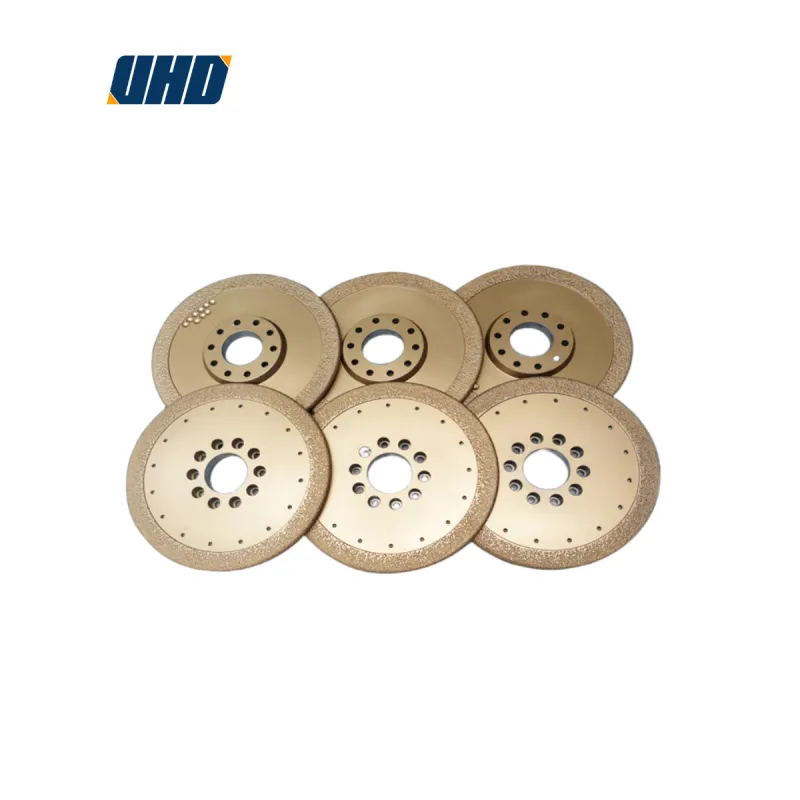
A client reported frequent plate detachment after just 8 hours of continuous operation. Upon inspection, we discovered the base plate had a tensile strength of only 780 MPa (below recommended threshold), and the diamond layer was not evenly distributed—creating hotspots that overheated during operation. After replacing the plate with our 180mm high-wear-resistant brazed diamond model and adjusting machine parameters, the same plant ran continuously for 140+ hours without failure—a 17x improvement in uptime.
We recommend this simple daily check before starting operations:
This routine helps catch early signs of wear or imbalance before they escalate into costly downtime events.
Need expert support? Whether you're facing recurring failures or optimizing your current setup, our technical team offers free diagnostics and customized recommendations based on your equipment specs and operating conditions.

.png?x-oss-process=image/resize,h_800,m_lfit/format,webp)
 contour grinding
diamond grinding wheel selection
industrial grinding optimization
large diameter grinding wheel
custom grinding solutions
Grinding equipment maintenance
Grinding wheel balance adjustment
Grinding fluid management skills
Industrial grinding safety operation
Brazed diamond grinding wheel
brazed diamond grinding wheel customization
stainless steel complex part grinding
high-efficiency grinding solutions
wear-resistant grinding tools
industrial abrasive technology
brazed diamond grinding disc
heavy-duty grinding efficiency
diamond tool wear resistance
stainless steel grinding solution
industrial grinding disc lifespan
Stainless steel mold grinding roughness Ra value improvement
Diamond grinding disc surface processing parameter optimization
Brazed diamond grinding disc application cases
Precision grinding process improvement
Surface grinding tool selection guide
contour grinding
diamond grinding wheel selection
industrial grinding optimization
large diameter grinding wheel
custom grinding solutions
Grinding equipment maintenance
Grinding wheel balance adjustment
Grinding fluid management skills
Industrial grinding safety operation
Brazed diamond grinding wheel
brazed diamond grinding wheel customization
stainless steel complex part grinding
high-efficiency grinding solutions
wear-resistant grinding tools
industrial abrasive technology
brazed diamond grinding disc
heavy-duty grinding efficiency
diamond tool wear resistance
stainless steel grinding solution
industrial grinding disc lifespan
Stainless steel mold grinding roughness Ra value improvement
Diamond grinding disc surface processing parameter optimization
Brazed diamond grinding disc application cases
Precision grinding process improvement
Surface grinding tool selection guide



.png?x-oss-process=image/resize,h_100,m_lfit/format,webp)
.png?x-oss-process=image/resize,h_100,m_lfit/format,webp)
.png?x-oss-process=image/resize,h_100,m_lfit/format,webp)
.png?x-oss-process=image/resize,m_fill,h_800,w_800/format,webp)