Industrial Grinding Safety Procedures: A Complete Guide from Wheel Installation to Balancing
2025-11-16
Tutorial Guide
This comprehensive guide details essential safety practices for industrial grinding operations, covering the full workflow from wheel installation and alignment to balancing adjustments. It includes precise technical steps, optimal grinding speed control, effective coolant selection and management, and material-specific parameter tuning—such as for gray cast iron—to enhance precision and productivity. Real-world troubleshooting examples are provided to help operators quickly identify and resolve common issues, minimizing downtime. The article also highlights best practices for daily wheel maintenance and subtly introduces UHD’s high-performance brazed diamond grinding wheels and expert technical support—offering a trusted solution for safer, more efficient grinding processes. Ideal for both technicians and managers, this resource combines depth with clarity, supported by diagrams and interactive Q&A to boost understanding and application.
Mastering Industrial Grinding Safety: A Step-by-Step Technical Guide
Safe and efficient grinding isn’t just about following rules—it’s about understanding the science behind every motion. Whether you're operating a surface grinder in a precision machining shop or supervising a production line with high-volume parts, mastering the full workflow from wheel installation to balancing can reduce downtime by up to 40% and extend tool life significantly.
Step 1: Proper Wheel Installation & Alignment
According to industry data, over 30% of grinding accidents stem from improper wheel mounting. Always ensure the flange diameter is at least 70% of the wheel's width (per ANSI B7.1 standards). Use a torque wrench set to 8–10 Nm for securing the spindle nut—under-tightening leads to vibration; over-tightening risks cracking the wheel hub.
| Material Type |
Recommended Speed (m/s) |
Coolant Type |
| Gray Cast Iron |
25–30 m/s |
Soluble Oil (5–10%) |
| High-Speed Steel |
20–25 m/s |
Synthetic Water-Based |
Step 2: Dynamic Balancing – The Silent Efficiency Booster
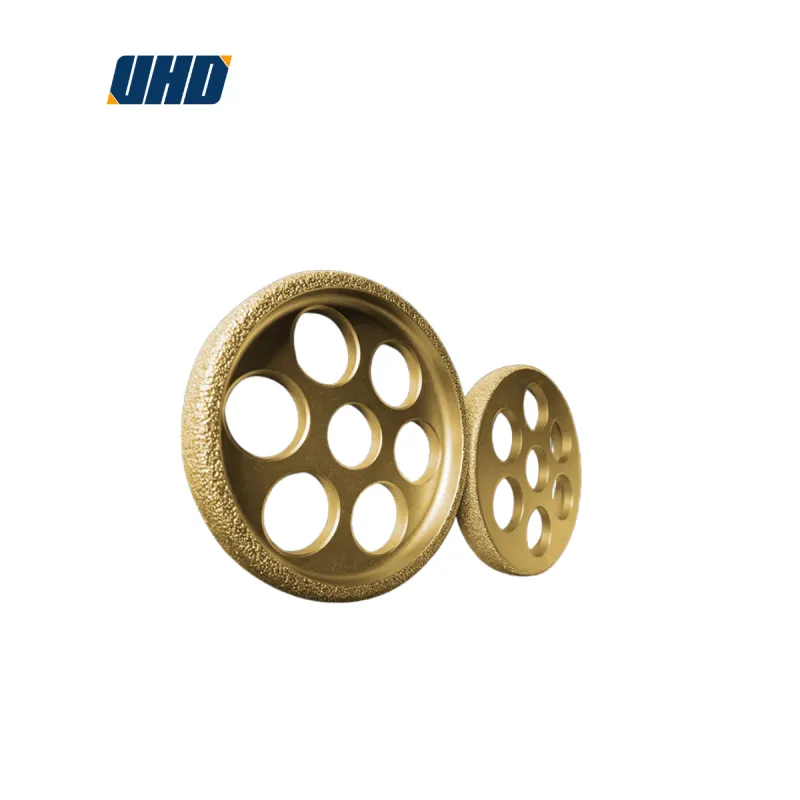
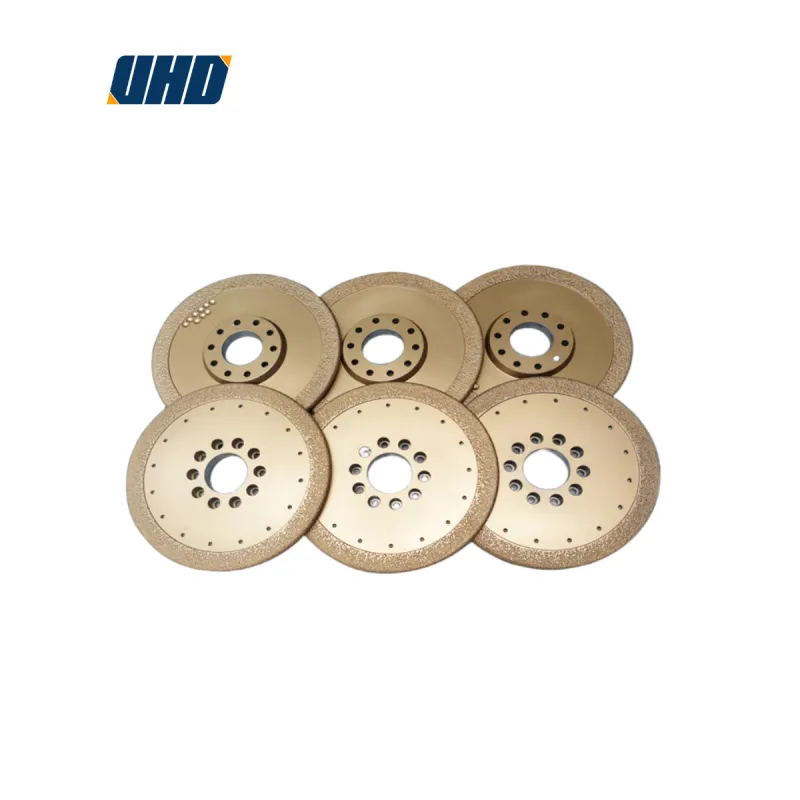
A well-balanced wheel reduces chatter marks by up to 65%, improves surface finish, and cuts energy consumption. For wheels larger than 150 mm, use a dynamic balancer like those offered by UHD. Their proprietary 钎焊金刚石磨轮 (sintered diamond wheels) come pre-balanced within ±0.2 g·mm tolerance—no need for on-site adjustment unless the wheel has been damaged.
Real-World Case Study: Preventing Catastrophic Failure
In one case at a German automotive supplier, a grinding wheel exploded due to unbalanced mounting and excessive speed. Post-incident analysis revealed that the operator had skipped the balance check after replacing the wheel. After implementing UHD’s training modules and integrating their anti-vibration design into the process, the facility reported zero incidents in 18 months—with a 12% increase in throughput.
FAQs: What Your Team Should Know
- How often should I inspect my grinding wheel? At minimum once per shift, especially if running continuous operations.
- What happens if I ignore coolant management? Poor cooling increases thermal stress—leading to micro-cracks and premature wear. Maintain pH between 8.5–9.5 and change fluid weekly in heavy-duty applications.
- Can I mix different types of grinding wheels? No. Each wheel type has specific bonding agents and grit sizes designed for particular materials. Mixing them causes uneven wear and inconsistent results.
Ready to Upgrade Your Grinding Performance?
Get expert guidance on selecting the right UHD Sintered Diamond Wheels tailored to your material and application—backed by real-world testing and technical support.
Explore UHD’s Premium Grinding Solutions Now


.png?x-oss-process=image/resize,h_800,m_lfit/format,webp)


.png?x-oss-process=image/resize,h_100,m_lfit/format,webp)
.png?x-oss-process=image/resize,h_100,m_lfit/format,webp)
.png?x-oss-process=image/resize,h_100,m_lfit/format,webp)
