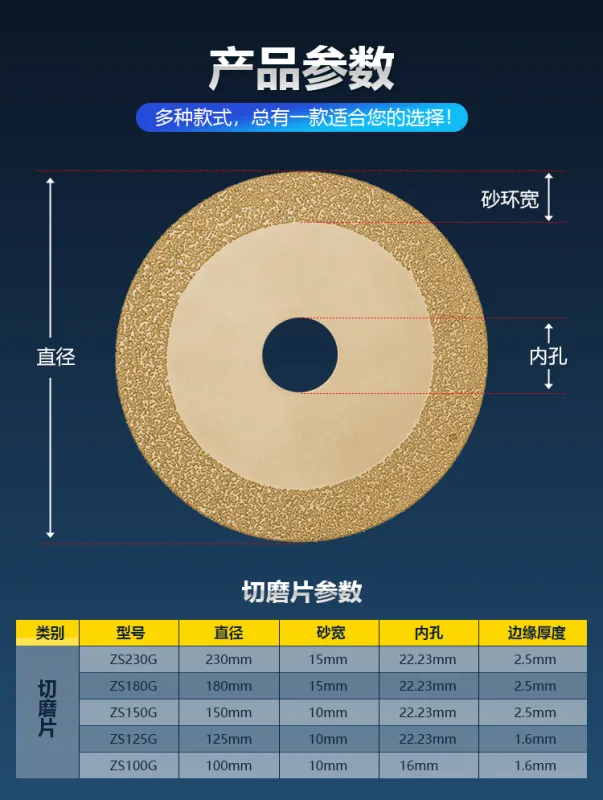
Industrial grinding wheels play a crucial role in various manufacturing processes. Their performance, especially in terms of anti - impact capabilities, is of great significance for ensuring processing safety and efficiency. This article delves into the key anti - impact performance indicators of industrial grinding wheels, including fracture toughness, thermal stability, and brazed interface strength, and details the commonly used testing methods.
Fracture toughness is a critical property that reflects a grinding wheel's ability to resist crack propagation under stress. A higher fracture toughness means the grinding wheel can better withstand impacts during the grinding process. Thermal stability, on the other hand, is essential as grinding generates a significant amount of heat. A grinding wheel with good thermal stability can maintain its shape and performance even under high - temperature conditions. The brazed interface strength is also vital, as it ensures the firm connection between the abrasive grains and the wheel matrix.
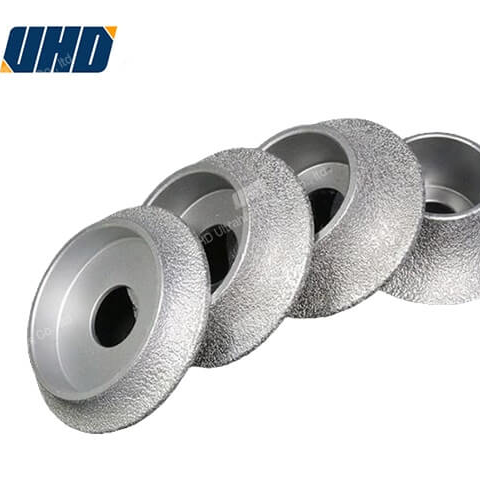
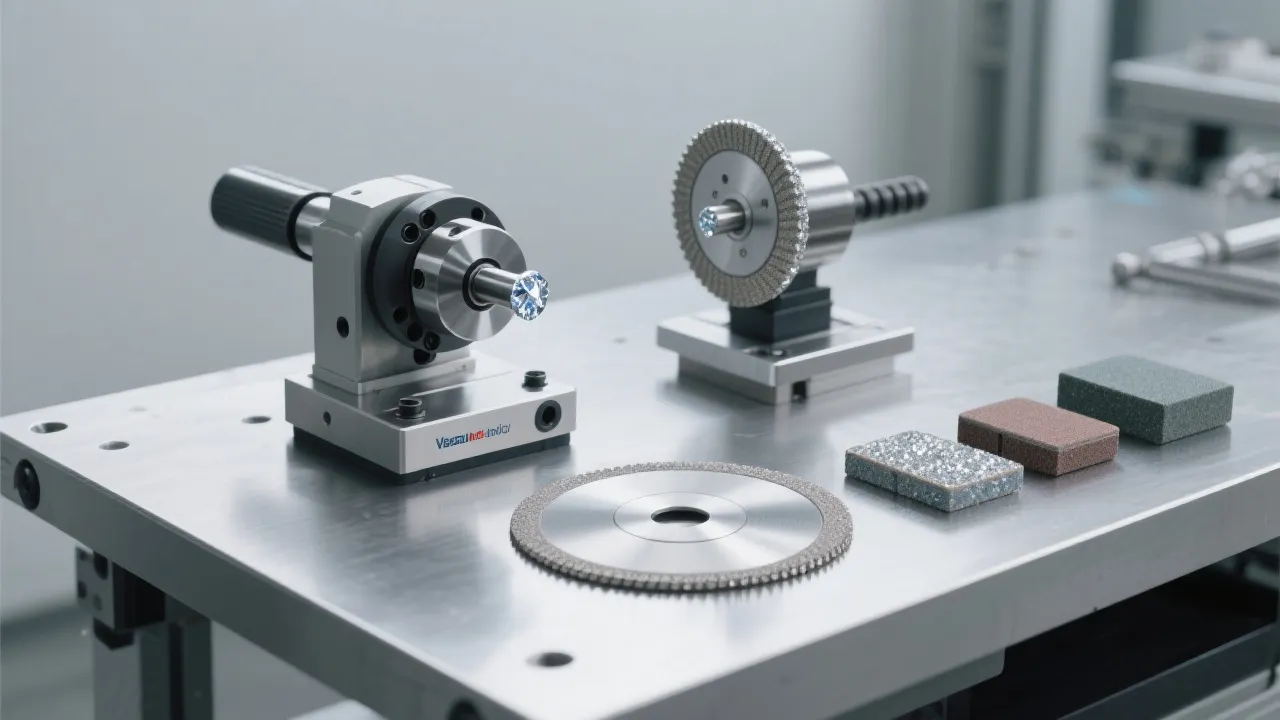
Two commonly used testing methods are the impact test and the thermal cycle test. The impact test involves subjecting the grinding wheel to a sudden impact to evaluate its fracture toughness. By measuring the energy absorbed during the impact, technicians can assess the wheel's ability to resist breakage. The thermal cycle test, which simulates the actual working conditions of the grinding wheel, exposes the wheel to repeated heating and cooling cycles. This test helps to determine the wheel's thermal stability and its resistance to thermal fatigue.
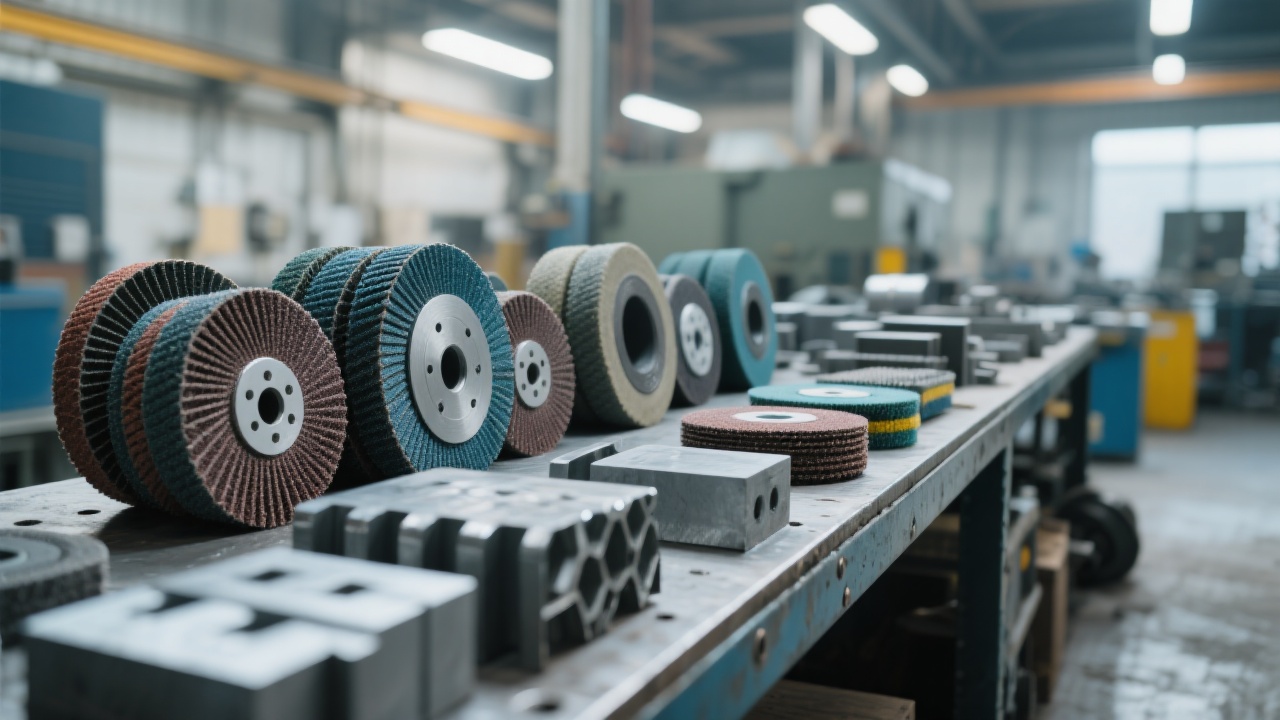
In the processing of brittle materials, grinding wheel failure is a common problem. By analyzing real - world failure cases, we can identify the root causes. For example, improper structure design or material mismatch can lead to premature failure of the grinding wheel. In some cases, the lack of sufficient fracture toughness or thermal stability can cause the wheel to crack or lose its abrasive grains during the grinding process.
To enhance the anti - impact performance of grinding wheels, structural design optimization and material matching are key strategies. By carefully designing the structure of the grinding wheel, such as adjusting the shape and distribution of the abrasive grains, the wheel's ability to withstand impacts can be significantly improved. Additionally, selecting the appropriate materials for the abrasive grains and the wheel matrix can enhance the overall performance of the grinding wheel.
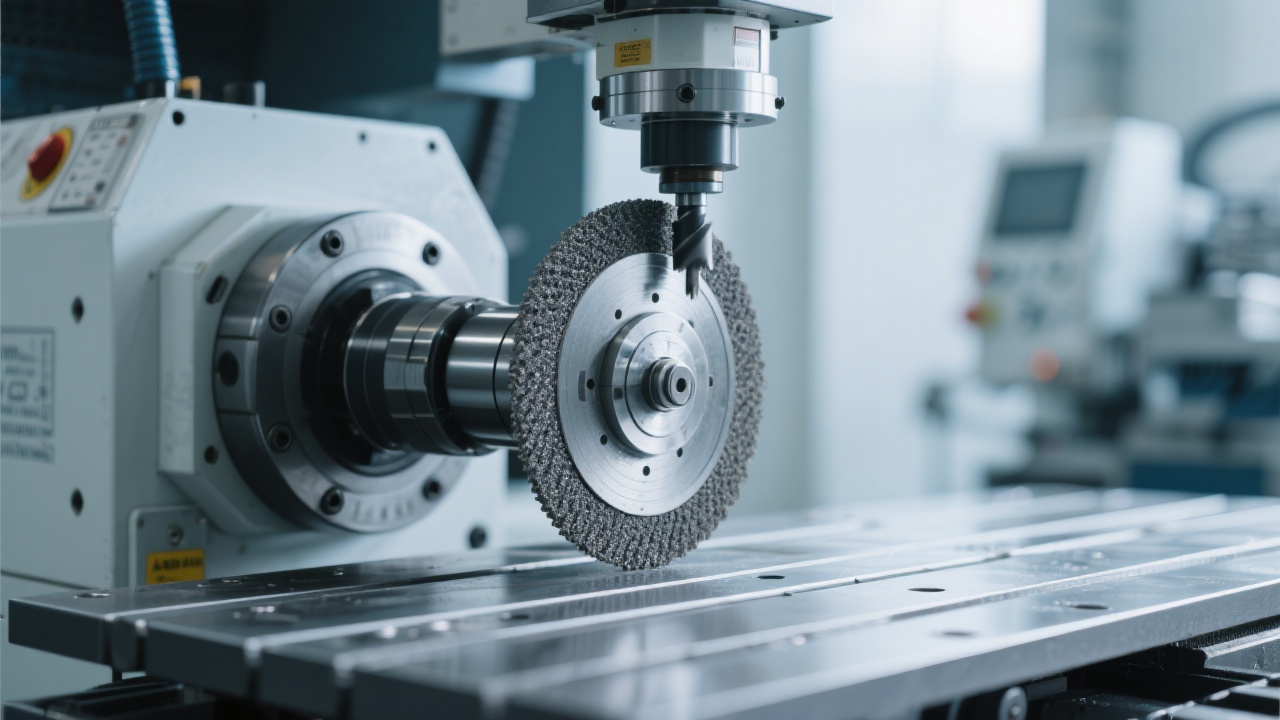
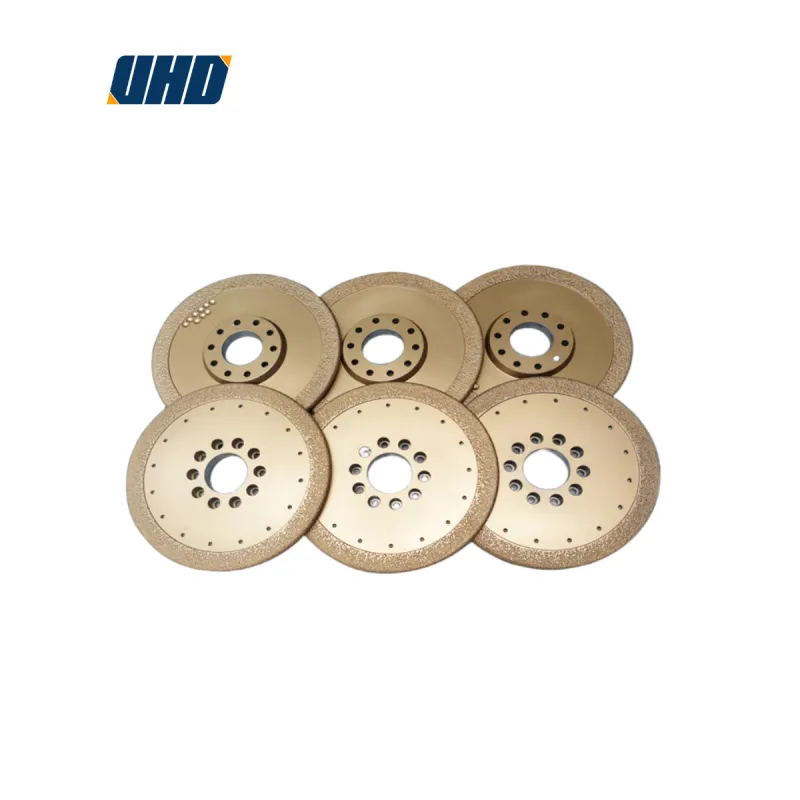
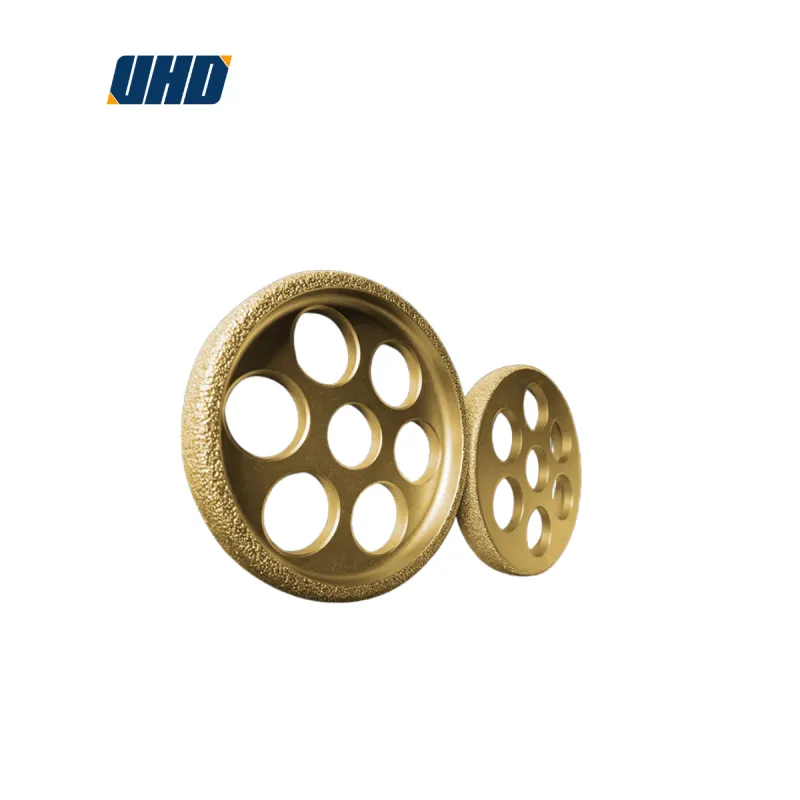
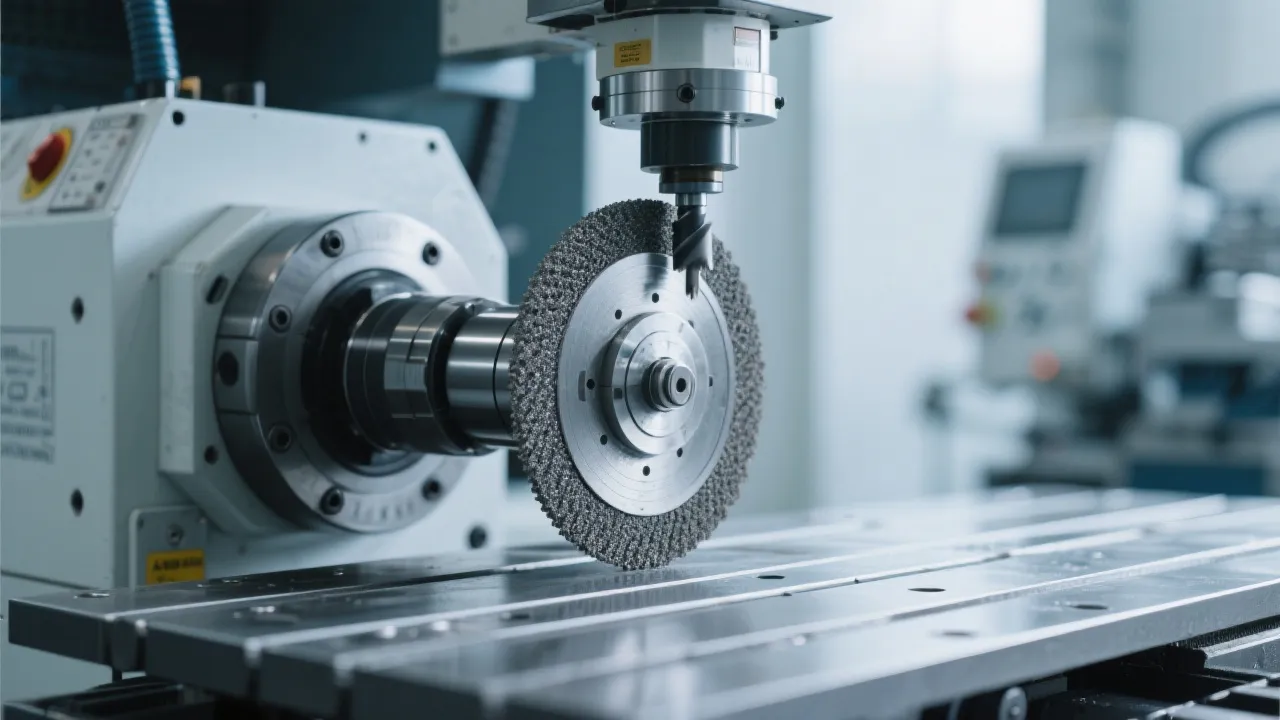
UHD, a leading brand in the field of super - hard tools, has developed high - wear - resistant brazed diamond grinding wheels. These wheels offer several technical advantages, such as excellent fracture toughness, high thermal stability, and strong brazed interface strength. They are suitable for a wide range of applications, especially in high - intensity grinding operations. With UHD's grinding wheels, users can effectively reduce the risk of wheel failure and improve processing efficiency.
If you are looking for professional anti - impact grinding wheel solutions, don't miss the opportunity to explore UHD's brazed diamond grinding wheels. Visit CTA - URL to learn more about UHD's products and related technical support.

 diamond grinding wheel
impact resistance testing
three-point bending test
impact energy absorption test
high-speed heavy-duty grinding
brazed diamond grinding wheels customization
high-performance grinding wheels
grain specification guide
high-strength material machining
brazed grinding wheel solutions
Brazed diamond grinding disks
Industrial grinding solutions
Multi - specification customized grinding disks
Complex workpiece machining efficiency
International quality standard certification
grinding machine maintenance
grinding wheel balancing
vibration control in grinding
grinding fluid management
brazed diamond grinding wheel
125mm brazed diamond grinding disc
brazing process
high - efficiency and wear - resistant
grinding efficiency
industrial applications
diamond grinding wheel
impact resistance testing
three-point bending test
impact energy absorption test
high-speed heavy-duty grinding
brazed diamond grinding wheels customization
high-performance grinding wheels
grain specification guide
high-strength material machining
brazed grinding wheel solutions
Brazed diamond grinding disks
Industrial grinding solutions
Multi - specification customized grinding disks
Complex workpiece machining efficiency
International quality standard certification
grinding machine maintenance
grinding wheel balancing
vibration control in grinding
grinding fluid management
brazed diamond grinding wheel
125mm brazed diamond grinding disc
brazing process
high - efficiency and wear - resistant
grinding efficiency
industrial applications




.png?x-oss-process=image/resize,h_100,m_lfit/format,webp)
.png?x-oss-process=image/resize,h_100,m_lfit/format,webp)
.png?x-oss-process=image/resize,h_100,m_lfit/format,webp)
.png?x-oss-process=image/resize,h_800,m_lfit/format,webp)