
In the realm of industrial grinding, the performance of brazed diamond grinding wheels is of utmost importance. This article delves into two crucial impact - resistant performance indicators of highly wear - resistant brazed diamond grinding wheels: fracture toughness and thermal stability, as well as the significance of brazed interface strength.
Fracture toughness refers to the ability of the grinding wheel to resist crack propagation under stress. A higher fracture toughness means the wheel is less likely to break during the grinding process. Thermal stability, on the other hand, is the capacity of the wheel to maintain its performance under varying temperatures. The brazed interface strength is the bonding force between different parts of the wheel, which directly affects the overall integrity of the grinding wheel. These indicators play a vital role in ensuring the safety and efficiency of industrial grinding operations.
There are several well - established testing methods. Impact tests are used to evaluate the fracture toughness of the grinding wheel. During an impact test, a controlled force is applied to the wheel, and the resulting crack propagation is measured. The data obtained from this test can help engineers understand the wheel's ability to withstand sudden impacts. Thermal cycling tests are employed to assess thermal stability. In this test, the wheel is subjected to repeated heating and cooling cycles, and its performance changes are monitored. By analyzing the data from these tests, technicians can gain insights into the wheel's long - term performance under different temperature conditions.
When processing brittle materials such as stone and ceramics, grinding wheels often encounter failures. For example, in some cases, the wheel may break due to insufficient fracture toughness, or its performance may degrade rapidly due to poor thermal stability. By studying these real - world failure cases, we can identify the root causes, such as improper material selection or sub - optimal wheel structure. Through structural optimization and proper material matching, the risk of wheel failure can be significantly reduced.
In engineering practice, adjusting the structure of the grinding wheel and carefully selecting materials can enhance its impact - resistant ability. For instance, using high - strength materials and optimizing the brazing process can improve the brazed interface strength. These measures not only improve the safety of the grinding process but also increase the efficiency of industrial grinding operations.
Regular equipment maintenance and appropriate process adjustments are essential for the long - term performance of grinding wheels. This includes checking the wheel's condition regularly, adjusting the grinding parameters according to the material being processed, and replacing the wheel in a timely manner. By following these best practices, the overall performance of the grinding system can be maintained at a high level.
Our company offers professional - grade brazed diamond grinding wheel solutions. With years of experience in the industry, we can provide customized solutions tailored to your specific needs. Our products are designed to meet the highest standards of quality and performance, ensuring that your industrial grinding operations run smoothly and efficiently.
Are you ready to take your industrial grinding to the next level? Explore our customized brazed diamond grinding wheel solutions now!
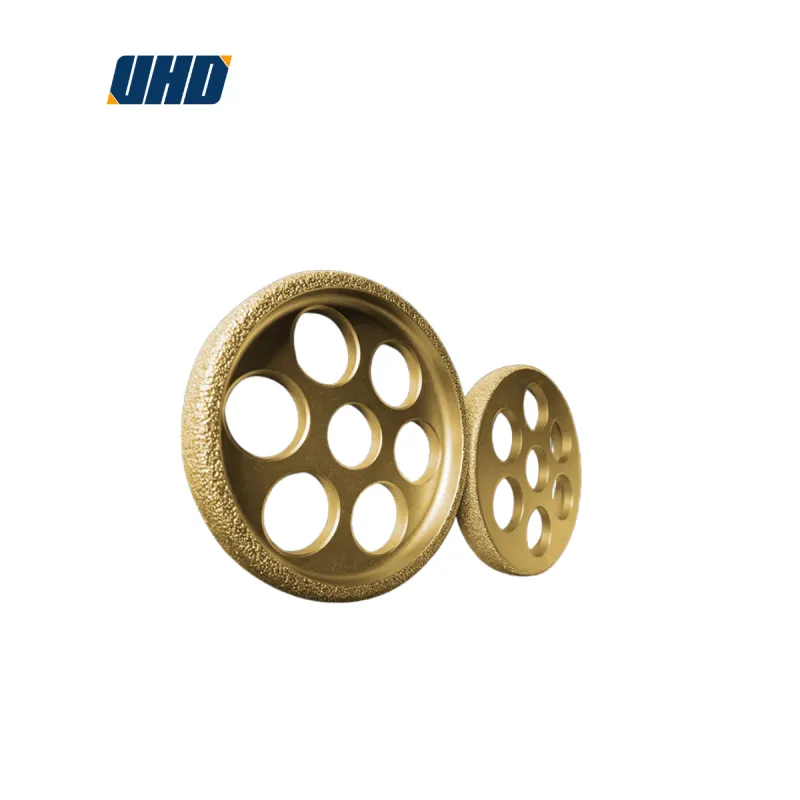
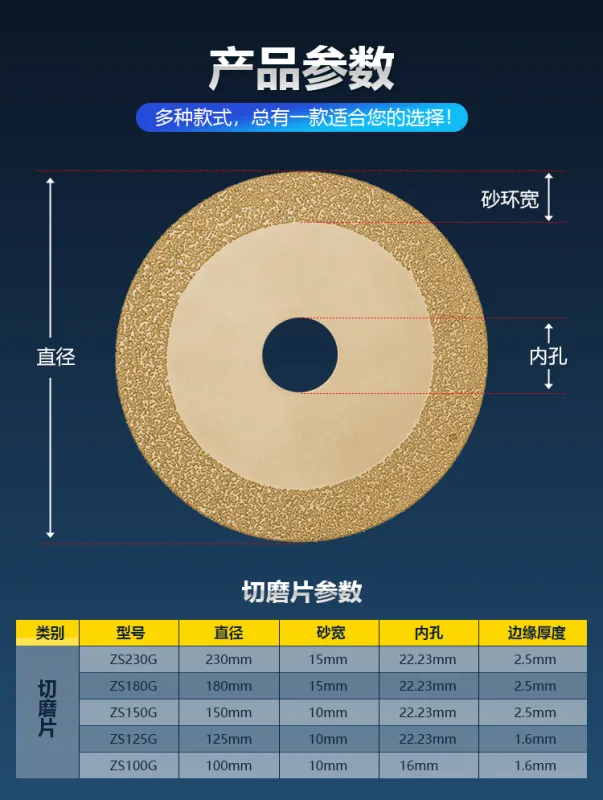
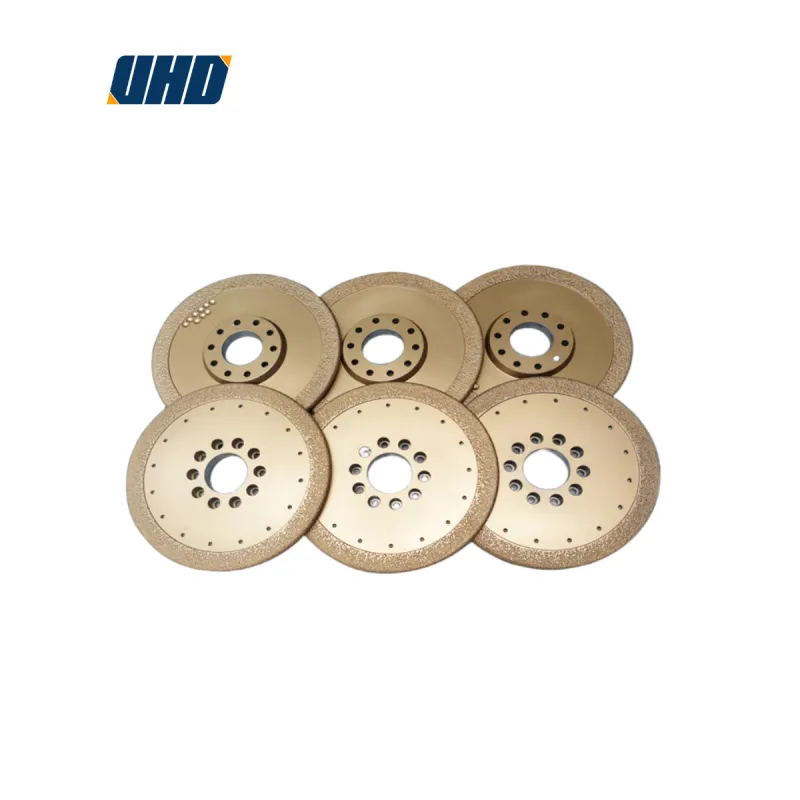

 High - wear - resistant brazed diamond grinding disk
Diamond grinding disk aperture selection guide
Curved grinding customization solution
Stainless steel grinding disk customization
Industrial brazed grinding disk technology
Diamond cutting and grinding wheels
Superhard tools
Industrial cutting solutions
Brazed diamond tools
High - manganese steel substrate wheels
grinding disc failure modes
brazed diamond grinding disc
mining equipment wear resistance
heavy-duty grinding disc
grinding disc maintenance checklist
Brazed diamond grinding disc
Cemented carbide grinding solution
Diamond grinding disc selection
Customized grinding disc service
High - performance grinding tool
brazed diamond grinding wheels
heavy-duty grinding efficiency
wear-resistant diamond tools
stainless steel grinding solutions
industrial grinding wheel lifespan enhancement
High - wear - resistant brazed diamond grinding disk
Diamond grinding disk aperture selection guide
Curved grinding customization solution
Stainless steel grinding disk customization
Industrial brazed grinding disk technology
Diamond cutting and grinding wheels
Superhard tools
Industrial cutting solutions
Brazed diamond tools
High - manganese steel substrate wheels
grinding disc failure modes
brazed diamond grinding disc
mining equipment wear resistance
heavy-duty grinding disc
grinding disc maintenance checklist
Brazed diamond grinding disc
Cemented carbide grinding solution
Diamond grinding disc selection
Customized grinding disc service
High - performance grinding tool
brazed diamond grinding wheels
heavy-duty grinding efficiency
wear-resistant diamond tools
stainless steel grinding solutions
industrial grinding wheel lifespan enhancement



.png?x-oss-process=image/resize,h_100,m_lfit/format,webp)
.png?x-oss-process=image/resize,h_100,m_lfit/format,webp)
.png?x-oss-process=image/resize,h_100,m_lfit/format,webp)
.png?x-oss-process=image/resize,h_800,m_lfit/format,webp)
