
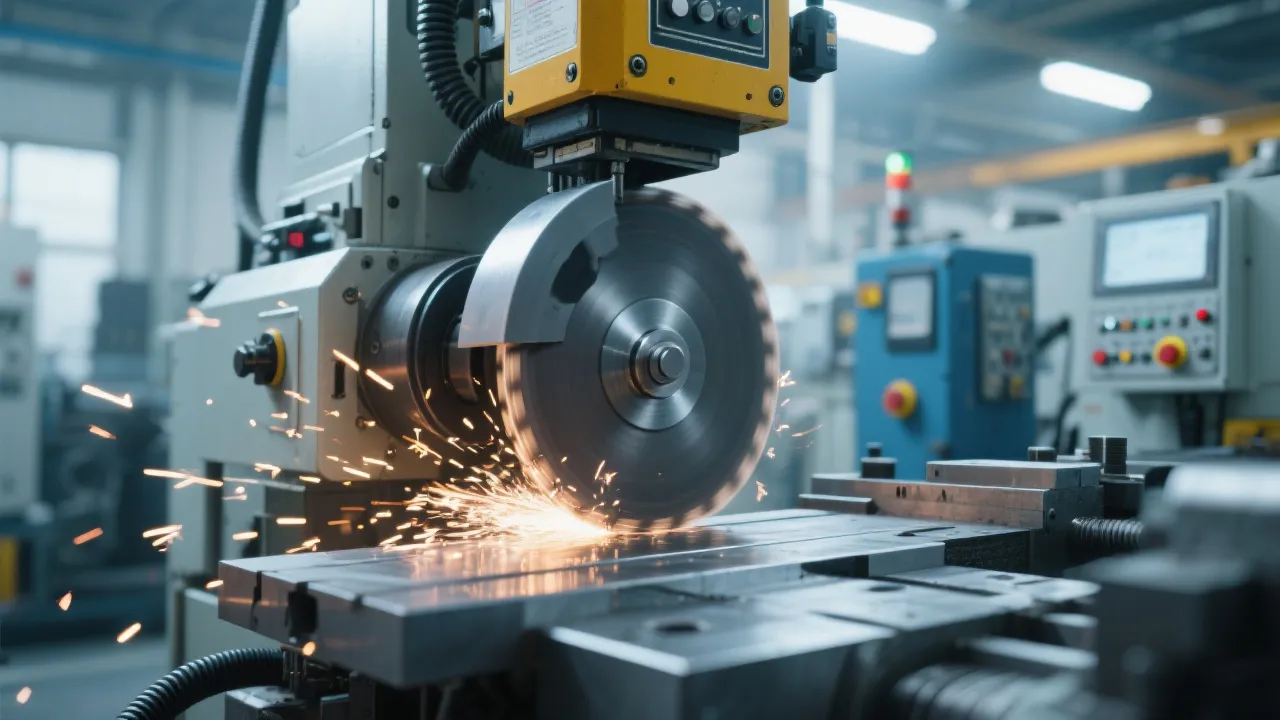
In the highly competitive metal processing industry, improving grinding efficiency is crucial for achieving energy saving, consumption reduction, and stable product quality. This article delves into five practical techniques based on years of front - line experience, aiming to solve common technical problems in the grinding process.
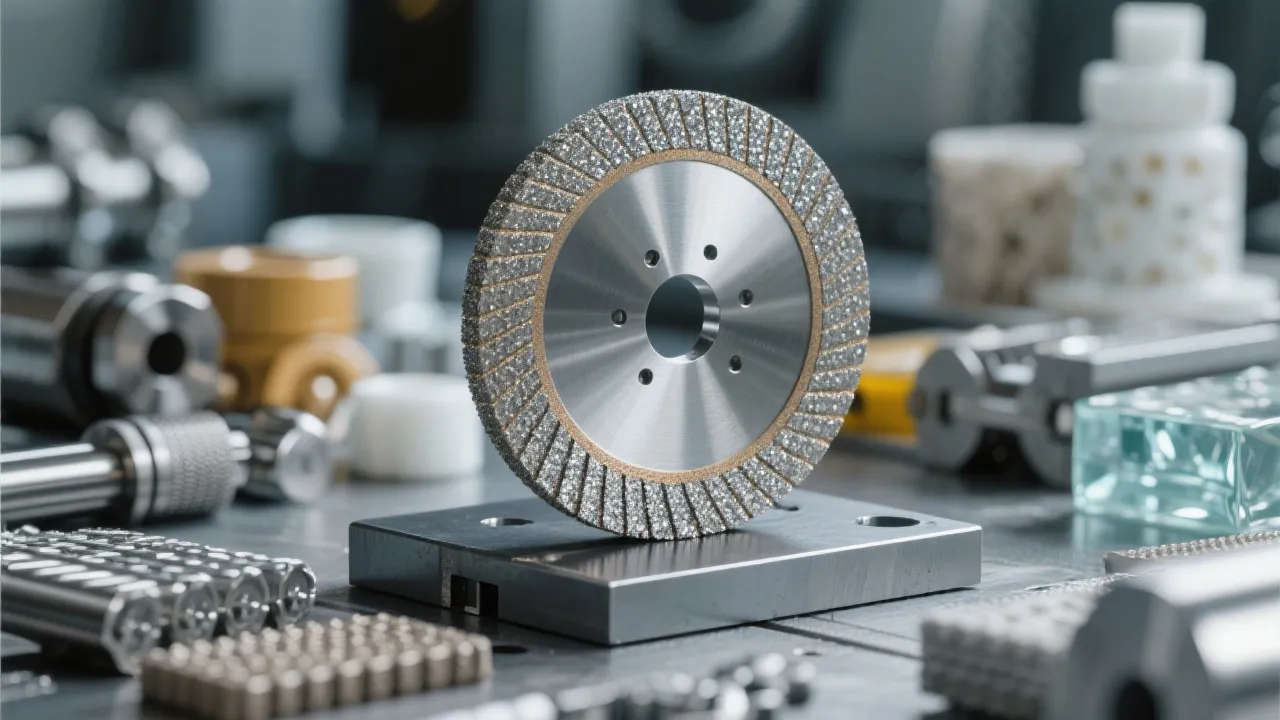
The choice of diamond particles significantly affects grinding efficiency. Generally, larger diamond particles are suitable for rough grinding, as they can remove a large amount of material quickly. For example, in a large - scale metal processing workshop, using 80 - mesh diamond particles for rough grinding can increase the material removal rate by about 30% compared to using 120 - mesh particles. On the other hand, smaller diamond particles are more appropriate for fine grinding to achieve a better surface finish. A case study showed that when using 200 - mesh diamond particles for fine grinding, the surface roughness of the workpiece was reduced by 40%.
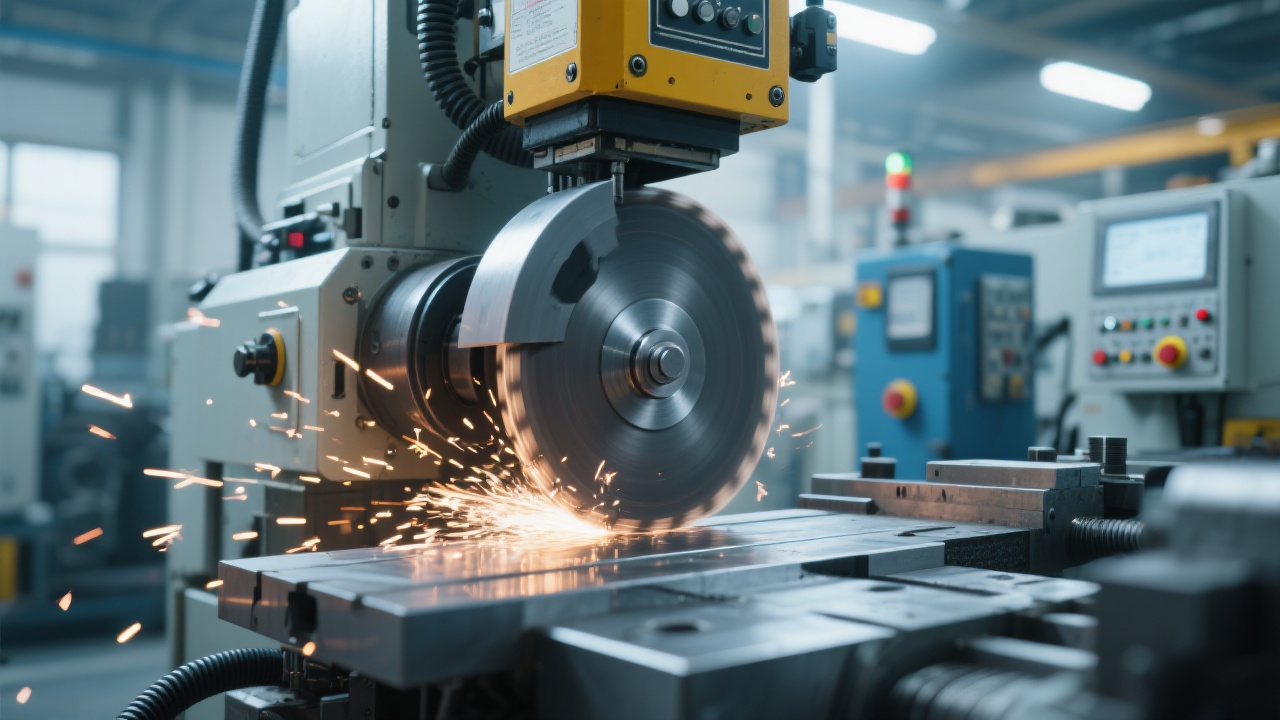
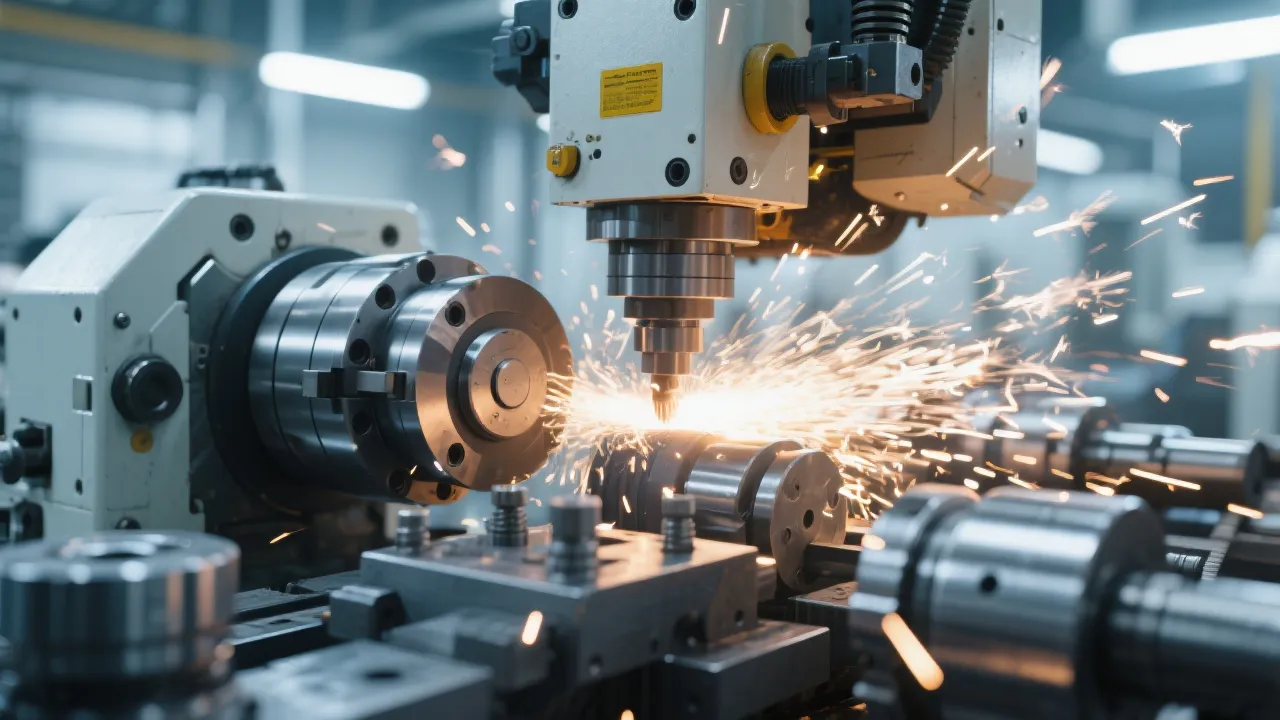
Proper lubrication and coolant management are essential for maintaining grinding efficiency. Coolants not only reduce the temperature during grinding but also flush away debris. In a typical metal grinding process, a well - maintained coolant system can reduce the grinding temperature by up to 50°C. However, if the coolant is not properly managed, it can lead to problems such as rust and poor grinding quality. For instance, in a workshop where the coolant concentration was not regularly checked, the grinding wheel wear increased by 20% within a month.
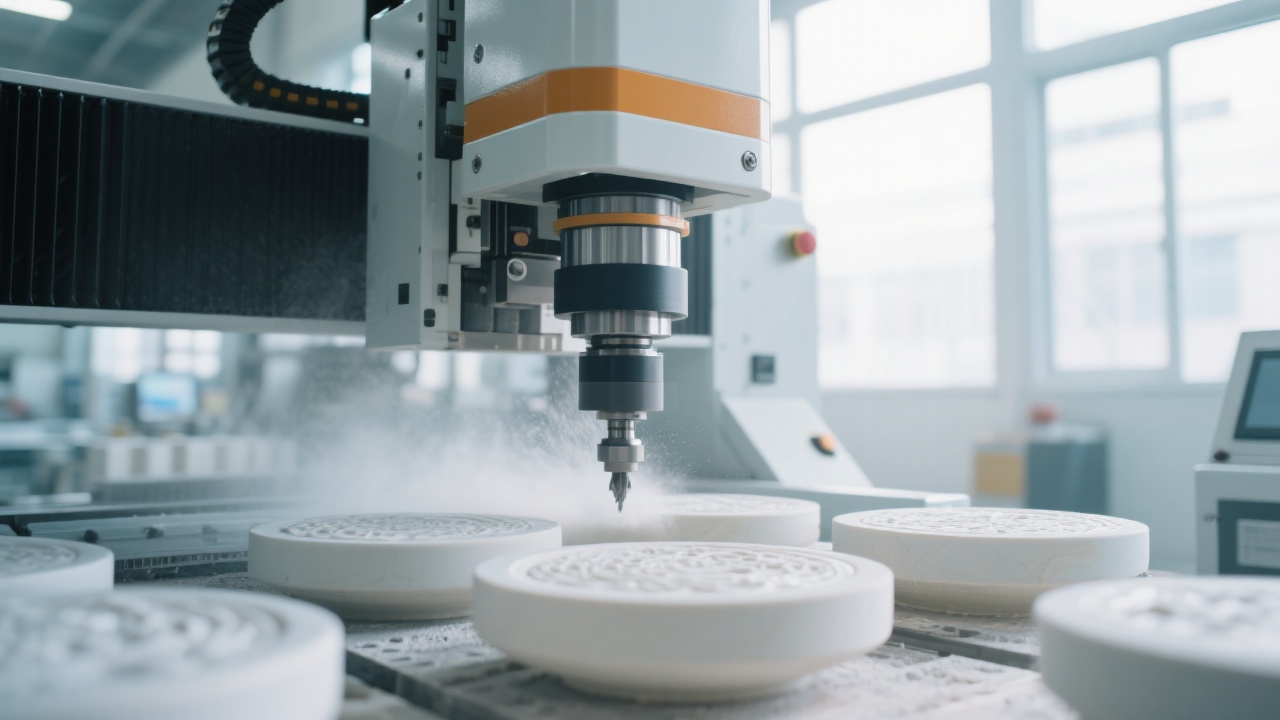
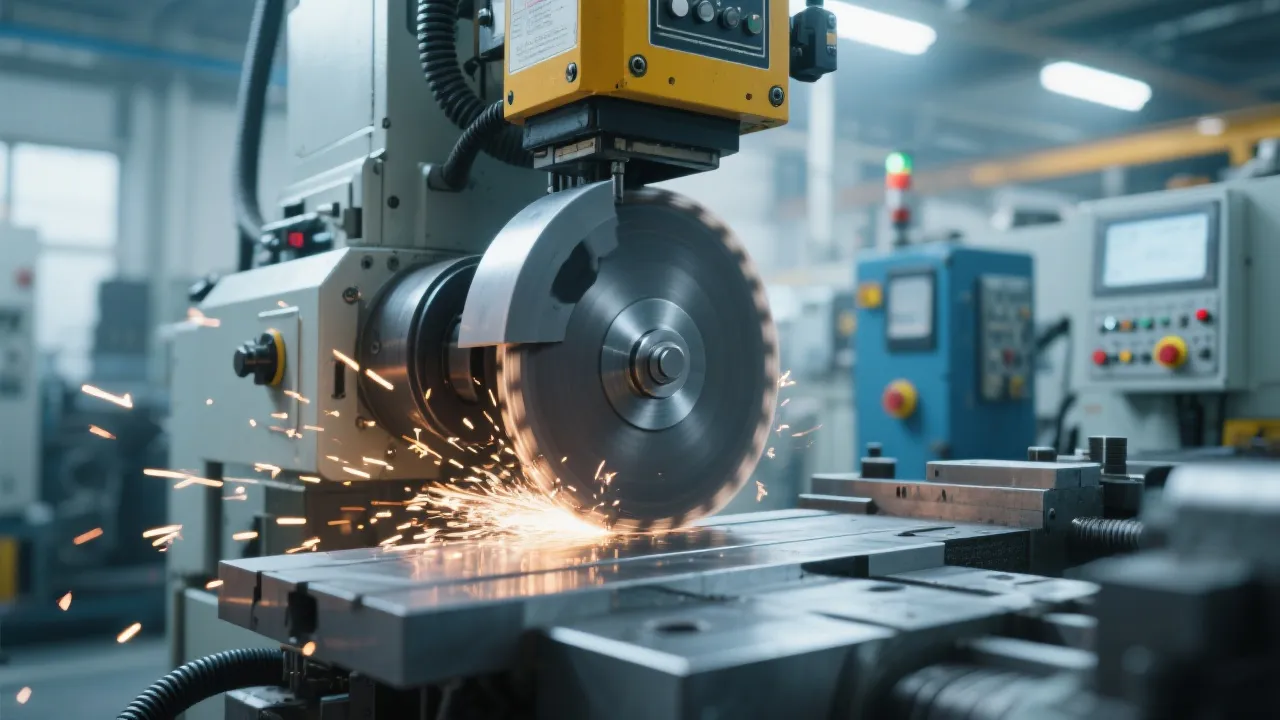
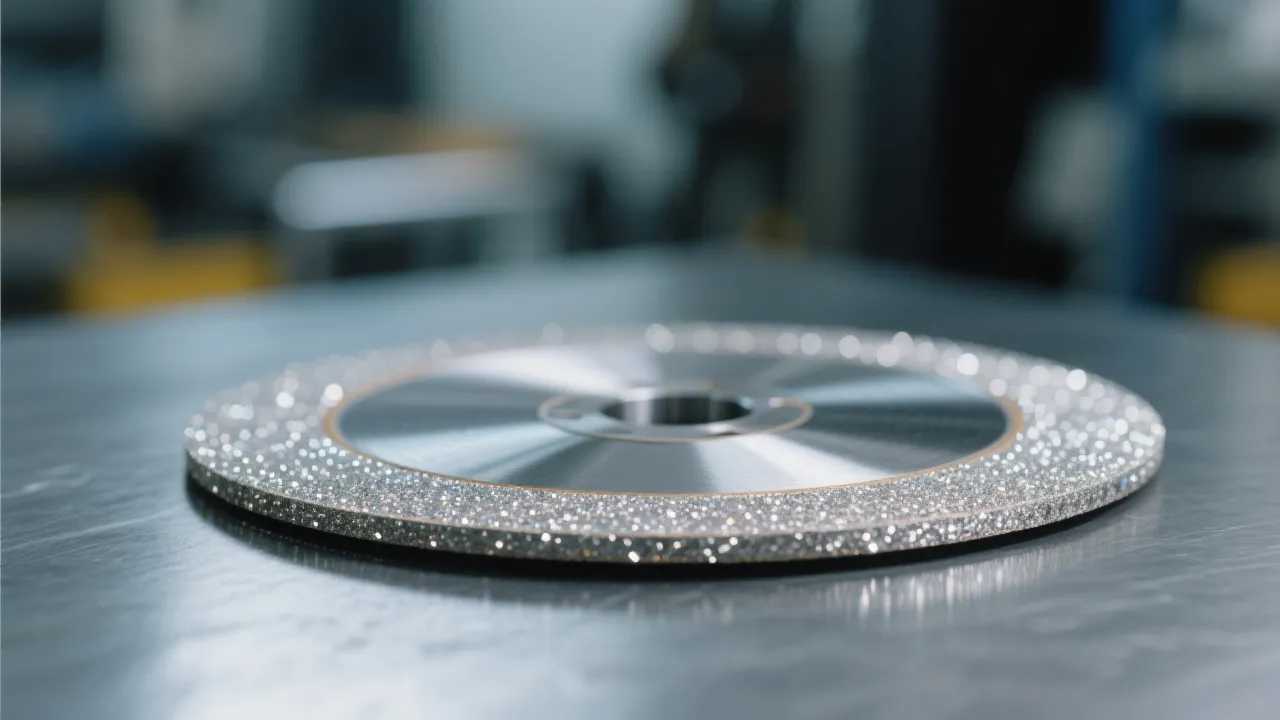
Regular dressing of the grinding disc is necessary to maintain its sharpness. Over time, the grinding disc will become dull, which can reduce grinding efficiency and affect product quality. A study found that dressing the grinding disc every 20 hours of operation can increase the grinding efficiency by about 15%. Failure to dress the grinding disc in time can result in uneven grinding and increased power consumption. For example, in a workshop where the grinding disc was not dressed regularly, the power consumption for the same grinding task increased by 10%.
The feed rate is a critical factor in grinding efficiency. A too - high feed rate can cause excessive wear on the grinding wheel and poor surface quality, while a too - low feed rate will reduce productivity. In a metal processing scenario, setting the feed rate at 0.05mm/r can achieve a good balance between efficiency and quality. According to practical experience, adjusting the feed rate according to the material and the grinding process can increase the overall grinding efficiency by 20%.
Monitoring the grinding state is crucial for timely detection of problems and adjustment of parameters. By using sensors to monitor factors such as grinding force, temperature, and vibration, potential issues can be identified early. For example, an increase in grinding force may indicate a dull grinding wheel or improper feed rate. In a workshop that implemented real - time grinding state monitoring, the number of defective products was reduced by 15%.
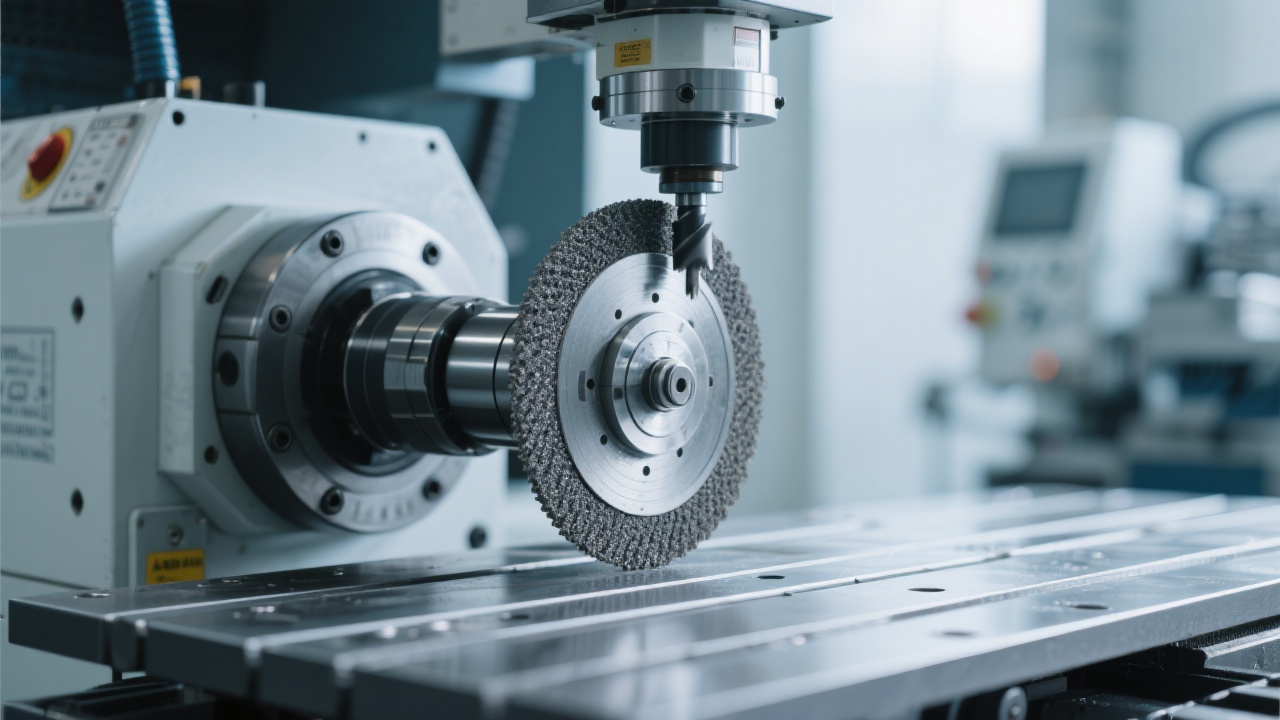
**Failure Lesson**: In a certain metal processing plant, due to neglecting coolant management, the coolant became contaminated, which led to a significant decrease in grinding efficiency and an increase in product defects. This case reminds us of the importance of proper coolant management.
To sum up, by implementing these five practical techniques, metal processing workshops can effectively improve grinding efficiency, achieve energy saving and consumption reduction, and enhance product quality. If you want to know more about grinding parameter matching solutions, click → [https://superhardslices.cn/products/uhd-brazed-diamond-grinding-wheel-industrial.html?Marketing=CAT?Marketing=CTA]. Also, join our industrial grinding communication group to get a daily technical tip!

 gray
cast
iron
grinding
stainless
steel
grinding
burn
problems
grinding
burn
solutions
grinding
force
transmission
brazed diamond grinding wheel
gray cast iron grinding
high strength grinding tool
custom diamond grinding wheel
industrial grinding solution
brazing process
high - efficiency and wear - resistant
grinding efficiency
125mm diamond grinding disc
multi - specification design
brazed diamond grinding disc
heavy - load grinding efficiency
wear - resistant diamond tools
stainless steel high - efficiency grinding solutions
ceramic material processing difficulties
Brazed diamond grinding disk
Gray cast iron grinding efficiency
Industrial grinding tools
Superhard material processing
Diamond grinding disk application cases
gray
cast
iron
grinding
stainless
steel
grinding
burn
problems
grinding
burn
solutions
grinding
force
transmission
brazed diamond grinding wheel
gray cast iron grinding
high strength grinding tool
custom diamond grinding wheel
industrial grinding solution
brazing process
high - efficiency and wear - resistant
grinding efficiency
125mm diamond grinding disc
multi - specification design
brazed diamond grinding disc
heavy - load grinding efficiency
wear - resistant diamond tools
stainless steel high - efficiency grinding solutions
ceramic material processing difficulties
Brazed diamond grinding disk
Gray cast iron grinding efficiency
Industrial grinding tools
Superhard material processing
Diamond grinding disk application cases

.png?x-oss-process=image/resize,h_800,m_lfit/format,webp)


.png?x-oss-process=image/resize,h_100,m_lfit/format,webp)
.png?x-oss-process=image/resize,h_100,m_lfit/format,webp)
.png?x-oss-process=image/resize,h_100,m_lfit/format,webp)
.png?x-oss-process=image/resize,h_800,m_lfit/format,webp)
