
Proper maintenance of grinding equipment starts with the correct installation and calibration of the grinding wheel. When installing the grinding wheel, ensure that it is centered precisely on the spindle. Misalignment can lead to uneven wear, vibration, and reduced grinding quality. According to industry statistics, improper wheel installation can increase the risk of equipment failure by up to 30%. After installation, perform a thorough balance adjustment. An unbalanced grinding wheel can cause excessive vibration, which not only affects the surface finish of the workpiece but also shortens the lifespan of the wheel and the equipment itself. Balancing the wheel can reduce vibration levels by up to 50%, significantly improving the overall stability of the grinding process.
The choice of grinding parameters has a significant impact on the efficiency and quality of the grinding process. Different materials require different grinding speeds, feed rates, and coolant selections. For example, when grinding gray cast iron, a relatively lower grinding speed (around 25 - 30 m/s) and a moderate feed rate (about 0.05 - 0.1 mm/r) are recommended. Using the right coolant is also crucial. Coolants can reduce heat generation, prevent surface burns, and improve the lubrication between the wheel and the workpiece. In the case of gray cast iron, a water - based coolant with anti - rust additives is often a good choice, which can increase the grinding efficiency by up to 20%.
Vibration abnormalities are a common problem in grinding equipment. They can be caused by various factors, such as an unbalanced wheel, loose components, or improper installation. To quickly locate the problem, start by checking the wheel balance. If the balance is normal, then inspect the machine's mounting and the tightness of all components. A vibration analysis tool can help accurately identify the source of the vibration. When the grinding efficiency drops, it may be due to wheel wear, incorrect grinding parameters, or clogged coolant nozzles. Regularly dressing the wheel and adjusting the parameters according to the material can effectively solve this problem. Surface burns on the workpiece are usually caused by excessive heat generation. Adjusting the grinding speed, feed rate, and coolant flow can prevent this issue.
Operators play a vital role in the proper operation and maintenance of grinding equipment. They should be trained to follow strict operating procedures to avoid human - induced errors. For example, they should always wear appropriate personal protective equipment, such as safety glasses and gloves. Incorrect handling can lead to abnormal wear of the wheel and pose safety hazards. According to a survey, about 20% of grinding equipment failures are caused by human errors. By providing regular training and emphasizing safety awareness, these errors can be significantly reduced.
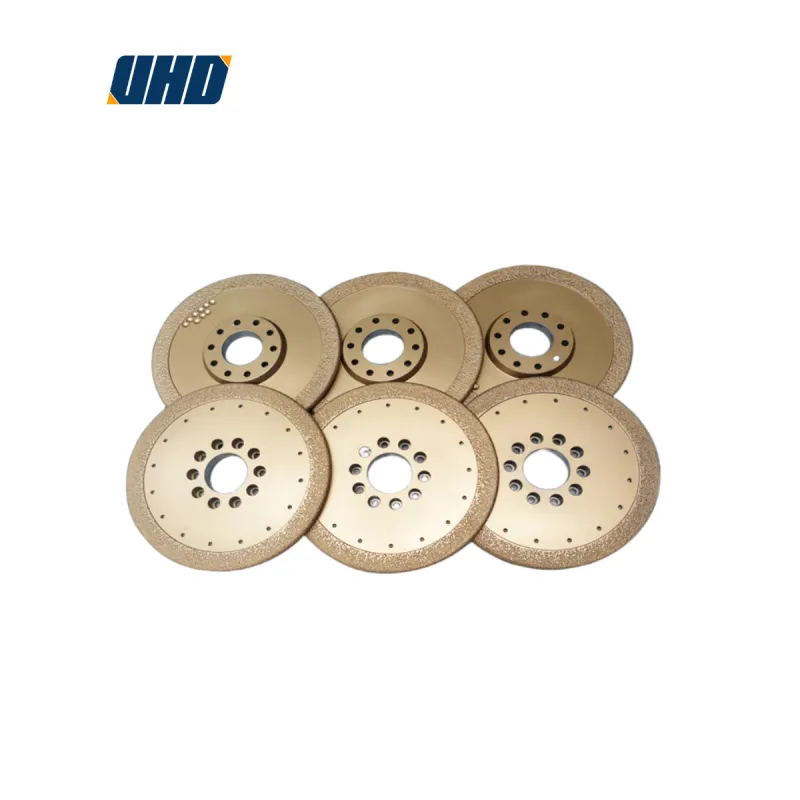
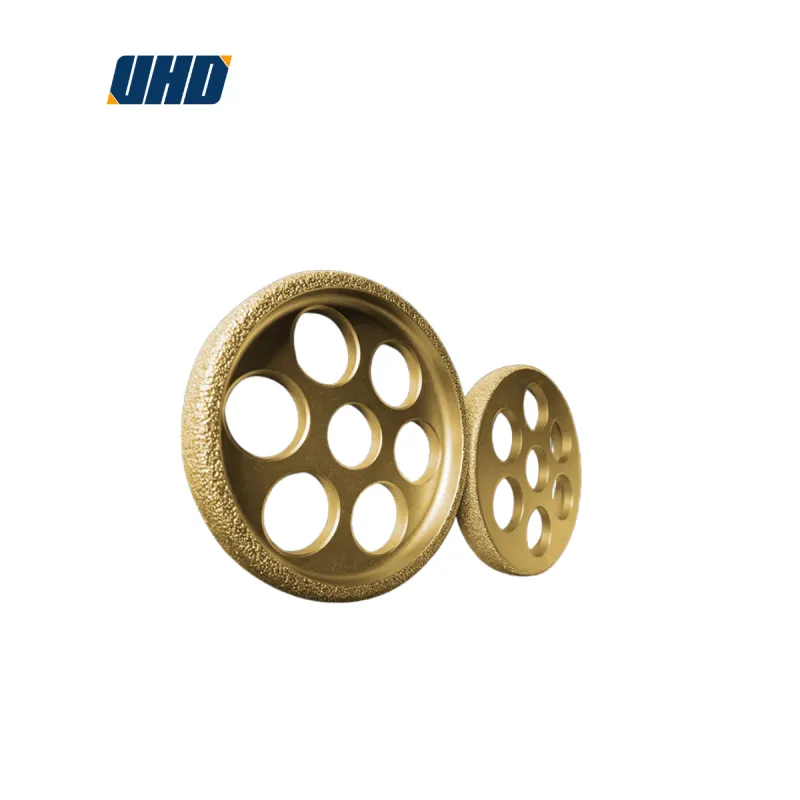
UHD high - quality brazed diamond grinding wheels, combined with professional maintenance guides, can bring long - term cost - saving and efficiency - increasing benefits. These high - quality wheels have excellent wear resistance, which can extend the service life of the wheel by up to 50% compared to ordinary wheels. The professional service provided includes on - site maintenance guidance, parameter optimization, and quick response to any problems. By using UHD products and services, industrial users can achieve long - term cost reduction and efficiency improvement.
In conclusion, mastering the quick diagnosis and solution methods for common grinding equipment failures is essential for industrial users. By following the maintenance and operation guidelines mentioned above, you can effectively reduce downtime, extend the service life of the grinding wheel, and improve the overall stability and efficiency of your production line. Choose UHD brazed diamond grinding wheels and a scientific maintenance plan to significantly reduce downtime losses - click to learn about customized technical support
.png?x-oss-process=image/resize,h_800,m_lfit/format,webp)



.png?x-oss-process=image/resize,h_100,m_lfit/format,webp)
.png?x-oss-process=image/resize,h_100,m_lfit/format,webp)
.png?x-oss-process=image/resize,h_100,m_lfit/format,webp)
