
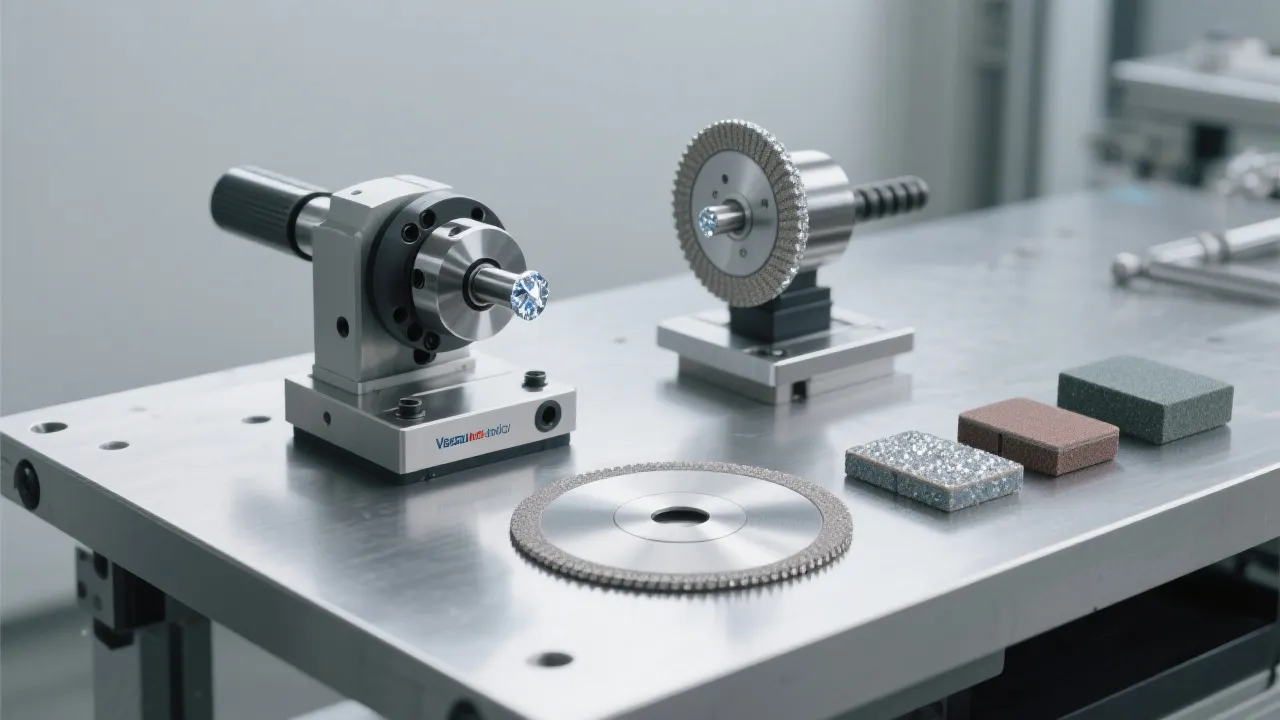
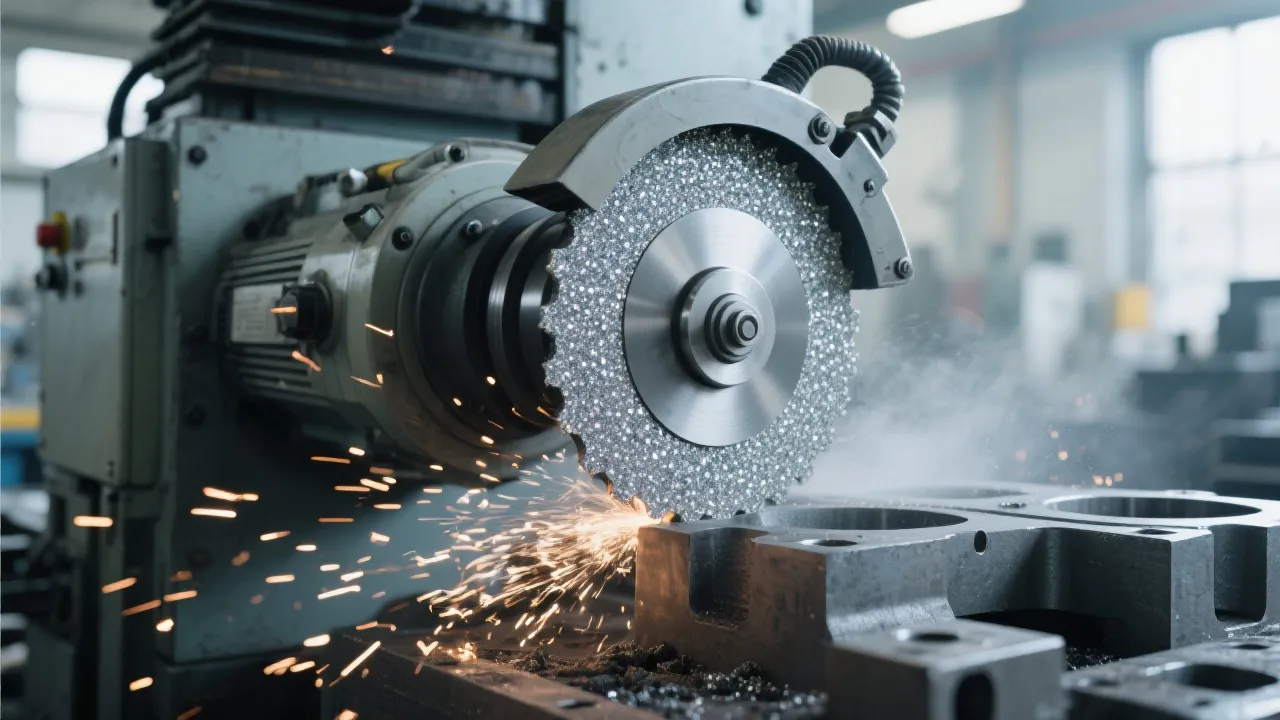
Curved surface grinding is a precision-intensive process often used in aerospace, automotive, and medical device manufacturing—where even minor deviations can compromise part integrity. One of the most overlooked yet critical decisions in this process? Choosing the correct diamond wheel diameter based on the curvature of the workpiece.
Industrial studies show that using an incorrect wheel diameter can lead to up to 40% increase in surface roughness and 25% higher tool wear rate. For example, when grinding a radius of less than 50mm, a standard 150mm wheel may cause excessive contact pressure, leading to micro-cracks or uneven material removal. Conversely, for large radii (over 200mm), a smaller wheel (e.g., 100mm) results in inefficient material removal and longer cycle times.
Our analysis at UHD indicates that selecting between 100mm and 180mm diameters should be guided by three factors:
The shape of the grinding wheel isn’t just aesthetic—it’s functional. A study conducted across 12 manufacturing sites revealed that cone-shaped wheels reduced edge chipping by 37% compared to flat ones when working with high-strength alloys. Similarly, multi-segmented wheels improved heat dissipation by 22%, extending service life by up to 40% under continuous operation.
For curved surfaces, arc-shaped designs offer optimal contact area distribution—minimizing localized stress while maintaining consistent cutting efficiency. These structural choices directly impact productivity and quality consistency across batches.
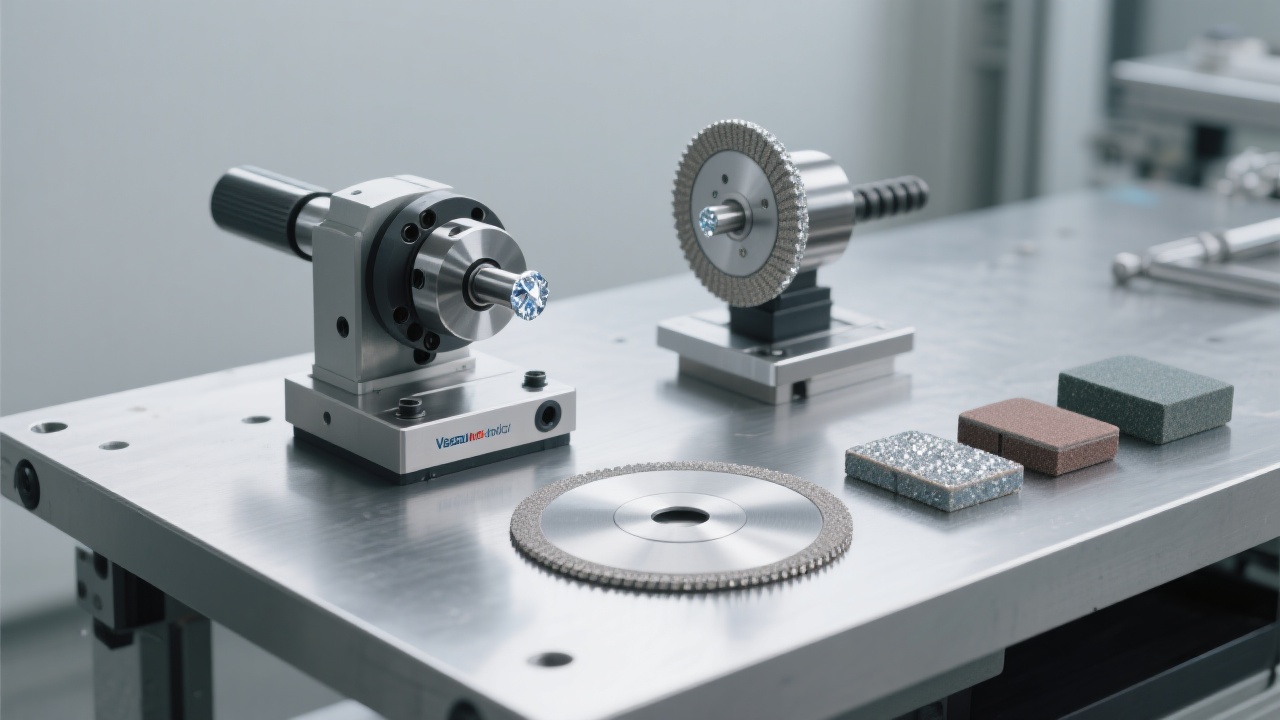
Once you’ve selected the right diameter and structure, fine-tuning parameters ensures maximum performance:
| Parameter | Recommended Range |
|---|---|
| Wheel Speed (RPM) | 1,500 – 3,000 (adjust per material hardness) |
| Feed Rate | 0.02 – 0.08 mm/rev (lower for tighter curves) |
| Coolant Type | High-pressure oil mist for metalworking; water-based emulsion for ceramics |
Regular maintenance—such as balancing the wheel every 8 hours of operation and checking truing accuracy weekly—can reduce unexpected downtime by over 50%. This is especially crucial for automated systems where small deviations compound quickly.
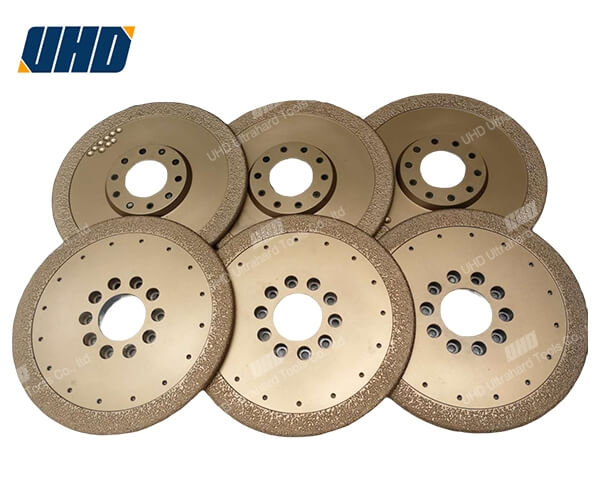
In today’s competitive global market, optimizing your grinding setup isn't optional—it's strategic. Whether you're managing a CNC machining cell or overseeing production planning, getting the wheel diameter right from day one saves time, reduces waste, and boosts customer satisfaction.
Let our team at UHD help you match the perfect diamond wheel to your specific application—no guesswork, just precision engineering.
Get Your Customized Diamond Wheel Solution Today
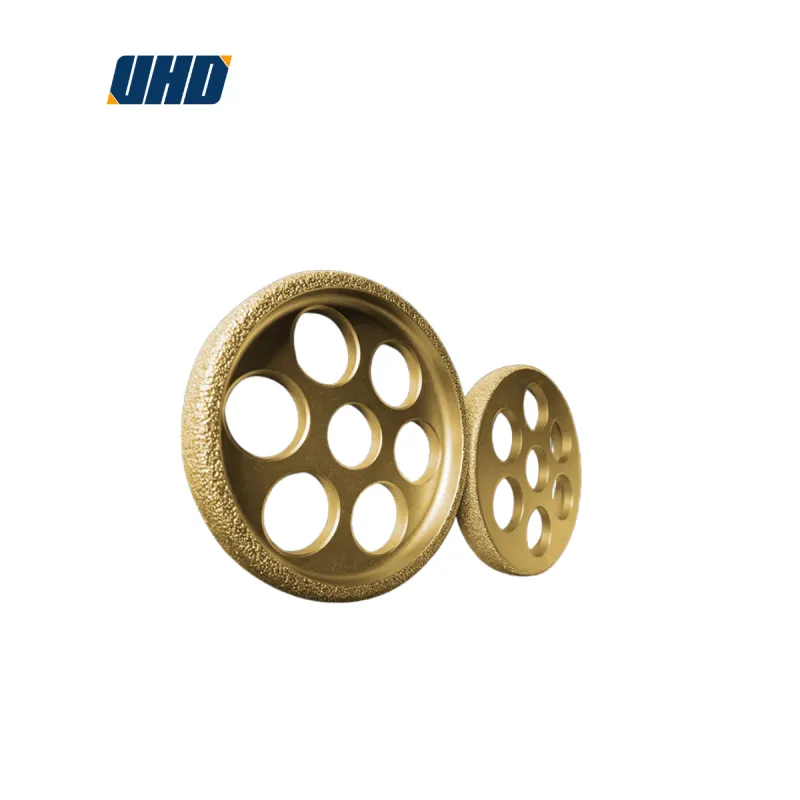
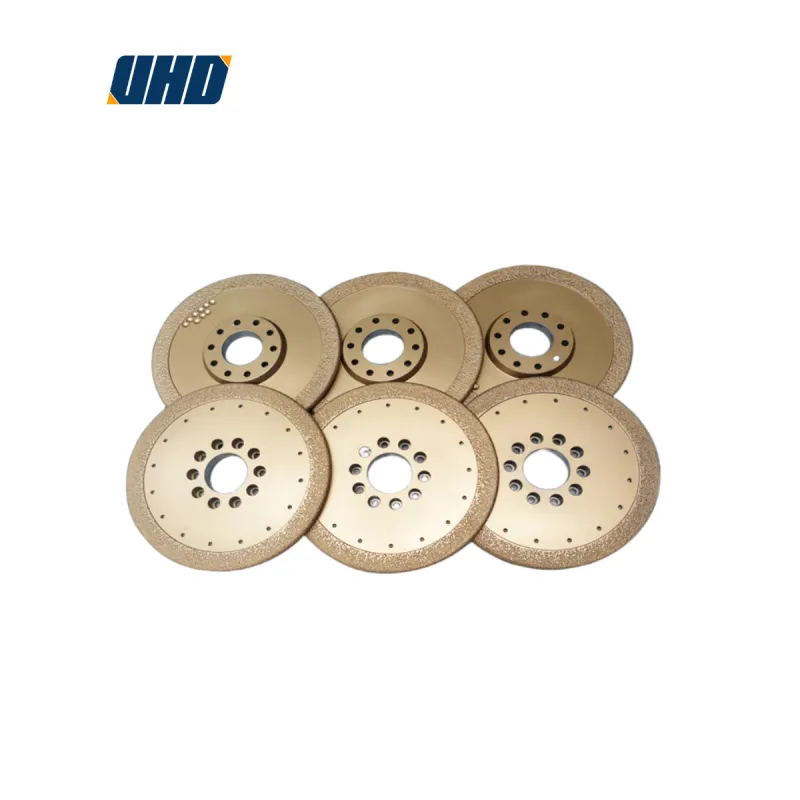
 brazed diamond grinding disc
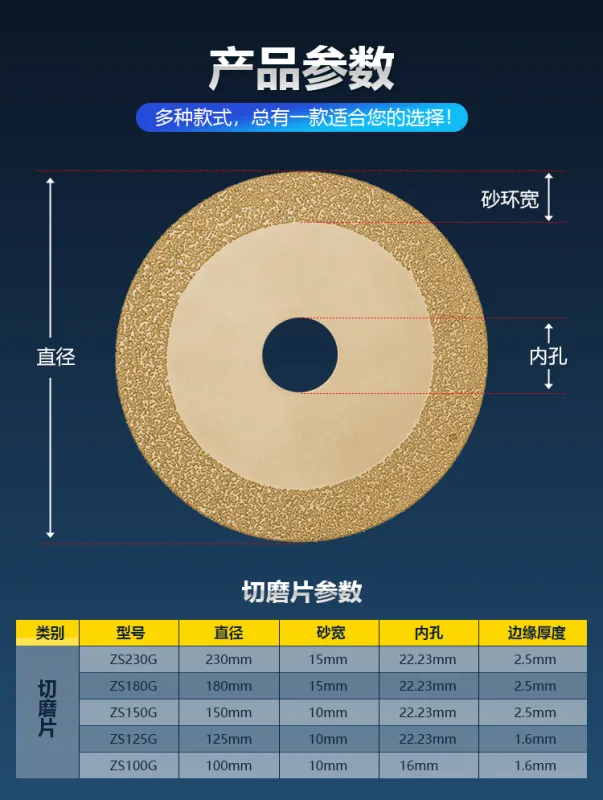
diamond grinding disc hole diameter
edge thickness customization
high wear resistance grinding tools
customized grinding solutions
diamond layer uniformity
grinding wheel life
industrial grinding standards
diamond segment distribution
abrasive tool performance
Diamond cutting and grinding wheels
Superhard tools
Industrial cutting solutions
Brazed diamond tools
High - manganese steel substrate wheels
brazed diamond grinding disc
heavy-duty grinding efficiency
stainless steel grinding solution
ceramic material machining
wear-resistant diamond tools
Brazed diamond grinding wheels
High - intensity grinding
Grinding wheel customization
Wear - resistant grinding wheels
UHD grinding wheel technology
brazed diamond grinding disc
diamond grinding disc hole diameter
edge thickness customization
high wear resistance grinding tools
customized grinding solutions
diamond layer uniformity
grinding wheel life
industrial grinding standards
diamond segment distribution
abrasive tool performance
Diamond cutting and grinding wheels
Superhard tools
Industrial cutting solutions
Brazed diamond tools
High - manganese steel substrate wheels
brazed diamond grinding disc
heavy-duty grinding efficiency
stainless steel grinding solution
ceramic material machining
wear-resistant diamond tools
Brazed diamond grinding wheels
High - intensity grinding
Grinding wheel customization
Wear - resistant grinding wheels
UHD grinding wheel technology



.png?x-oss-process=image/resize,h_100,m_lfit/format,webp)
.png?x-oss-process=image/resize,h_100,m_lfit/format,webp)
.png?x-oss-process=image/resize,h_100,m_lfit/format,webp)
.png?x-oss-process=image/resize,h_800,m_lfit/format,webp)
