
In high-speed, heavy-duty grinding operations, the impact resistance of diamond grinding wheels underpins processing accuracy and equipment safety. Selecting a reliable method to evaluate these wheels' mechanical resilience is crucial for engineers and purchasing managers targeting export standards. This article dissects two primary testing methods—three-point bending test and impact energy absorption test—to identify their strengths, limitations, and ideal application scenarios.
The impact resistance of a diamond grinding wheel fundamentally refers to its ability to withstand sudden shocks and stresses without fracturing or losing structural integrity. In high-strength machining, grinding wheels encounter abrupt forces from material contact, abrasive wear, and thermal expansion. Inadequate impact resistance may cause premature wheel failure, vibration anomalies, and surface defects on workpieces, leading to costly downtime.
The three-point bending test applies a progressively increasing load to the grinding wheel specimen supported at two points, measuring flexural strength and deformation. Its standard parameters include:
This test effectively gauges the wheel’s tensile strength and brittleness under bending stress but does not fully simulate sudden impact forces encountered in real grinding environments.
This method quantifies the energy absorbed by the wheel during a controlled high-speed impact, reflecting toughness and resistance to brittle fracture. Key aspects include:
While more complex and equipment-dependent, this test reveals resistance capabilities closer to real-world grinding scenarios.
For export markets, where stringent quality standards and operational safety are non-negotiable, selecting the appropriate test hinges on intended usage and failure risk profile:
Practical cases from our clients highlight these nuances: An overseas manufacturer experienced frequent wheel fractures under heavy interrupted cutting conditions. The bending test indicated acceptable strength, but impact testing revealed poor energy absorption, pinpointing the root cause.
Beyond laboratory tests, users can apply straightforward observation techniques to preliminarily assess grinding wheel performance:
These preliminary checks assist in early detection of performance degradation, complementing formal test data.
Benchmark values for diamond grinding wheels vary by grade, bond system, and application, but broadly accepted ranges include:
Export-quality wheels typically meet upper-tier thresholds to ensure durability in demanding international operations.
If you have faced challenges with grinding wheel failures or would like to discuss testing standards, please share your insights or questions below. Our technical team is dedicated to helping you optimize component selection and enhance operational reliability.
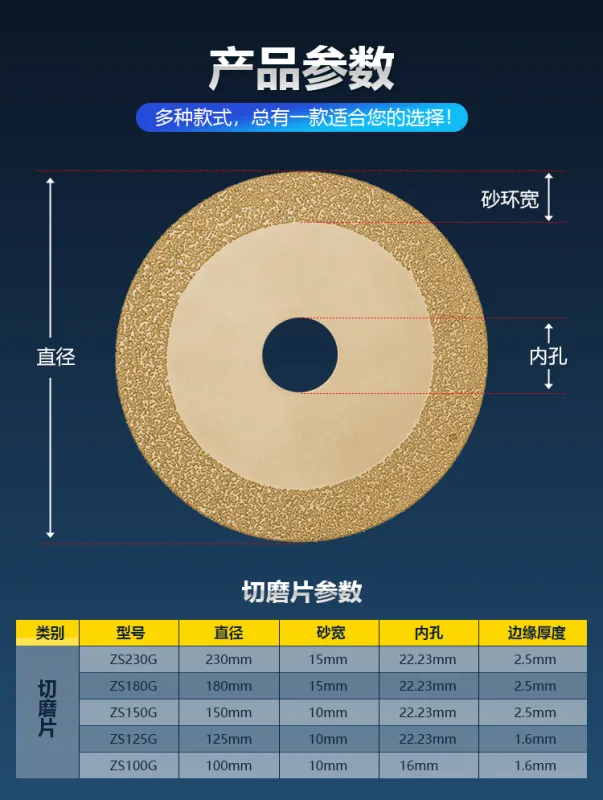

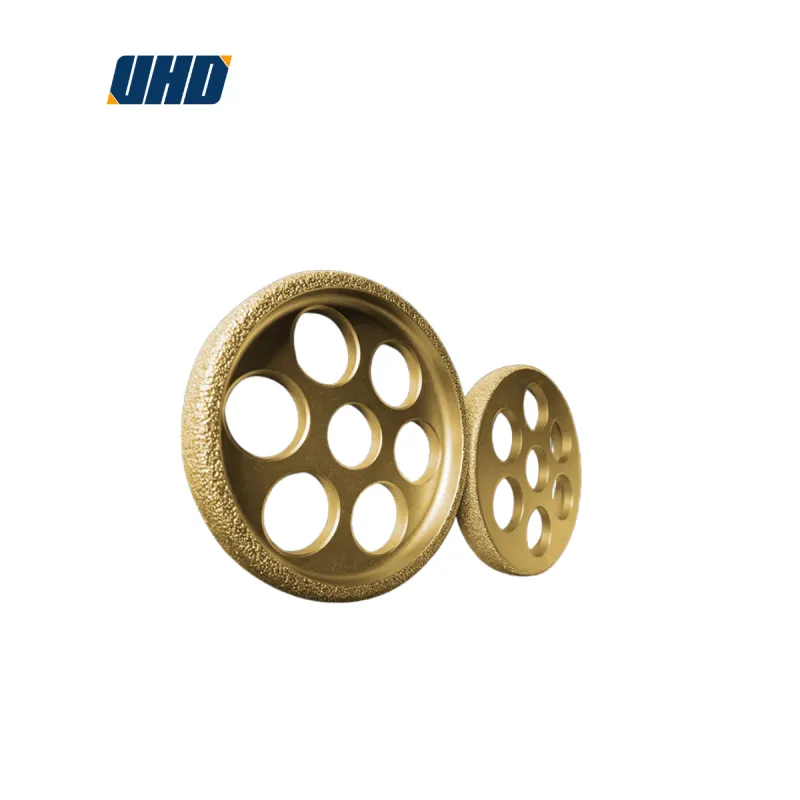
.png?x-oss-process=image/resize,h_800,m_lfit/format,webp)
 diamond layer uniformity
grinding wheel life
industrial grinding standards
diamond segment distribution
abrasive tool performance
Precision curved surface grinding
Force on diamond grinding disc
Wear mechanism
Process parameter optimization
Wear of diamond tools
brazed diamond grinding discs
carbide grinding
ultra - hard diamond
wear - resistant grinding tools
high - efficiency grinding tools
Brazed diamond grinding wheels
High - intensity grinding
Grinding wheel customization
Wear - resistant grinding wheels
UHD grinding wheel technology
brazed diamond grinding wheel
125mm grinding disc
diamond abrasive tools
high wear resistance
multi-profile grinding design
diamond layer uniformity
grinding wheel life
industrial grinding standards
diamond segment distribution
abrasive tool performance
Precision curved surface grinding
Force on diamond grinding disc
Wear mechanism
Process parameter optimization
Wear of diamond tools
brazed diamond grinding discs
carbide grinding
ultra - hard diamond
wear - resistant grinding tools
high - efficiency grinding tools
Brazed diamond grinding wheels
High - intensity grinding
Grinding wheel customization
Wear - resistant grinding wheels
UHD grinding wheel technology
brazed diamond grinding wheel
125mm grinding disc
diamond abrasive tools
high wear resistance
multi-profile grinding design



.png?x-oss-process=image/resize,h_100,m_lfit/format,webp)
.png?x-oss-process=image/resize,h_100,m_lfit/format,webp)
.png?x-oss-process=image/resize,h_100,m_lfit/format,webp)
.png?x-oss-process=image/resize,h_800,m_lfit/format,webp)
