
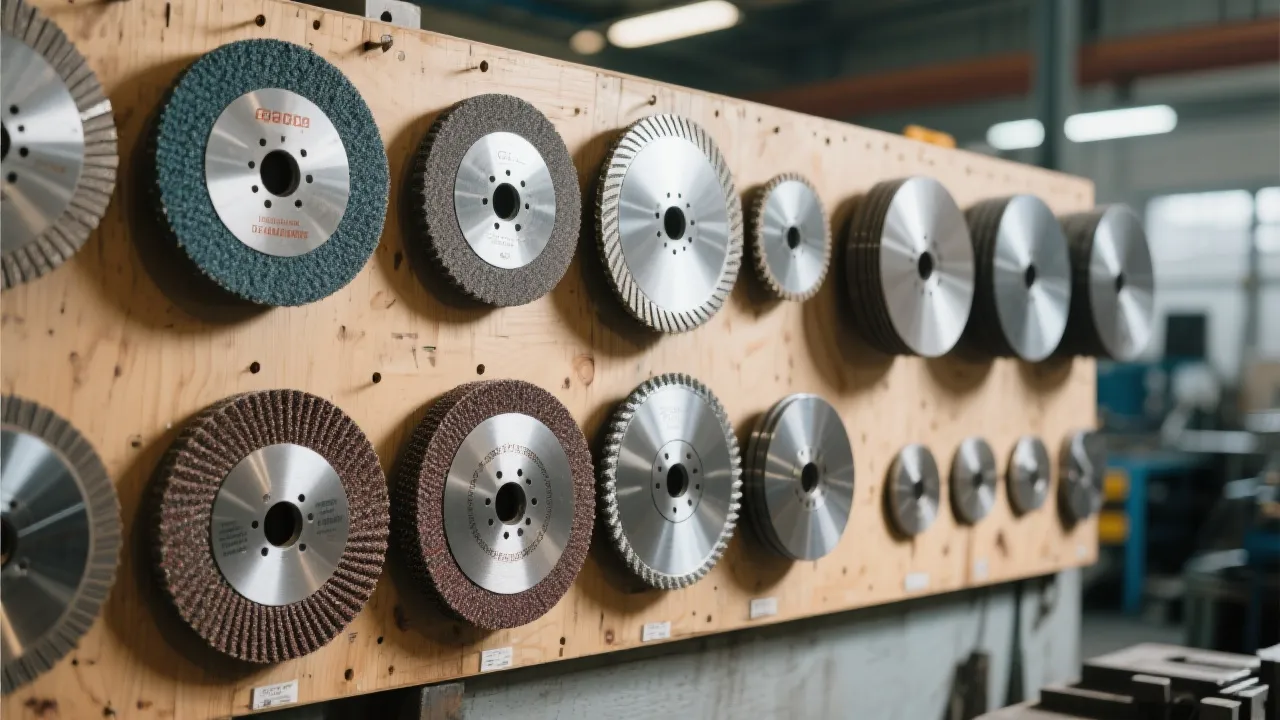
When it comes to industrial grinding, many engineers still believe that high-end machines alone guarantee performance. But in our experience across over 70 global factories—from German automotive plants to UAE aerospace hubs—true efficiency gains come from optimizing the entire system, not just the hardware.
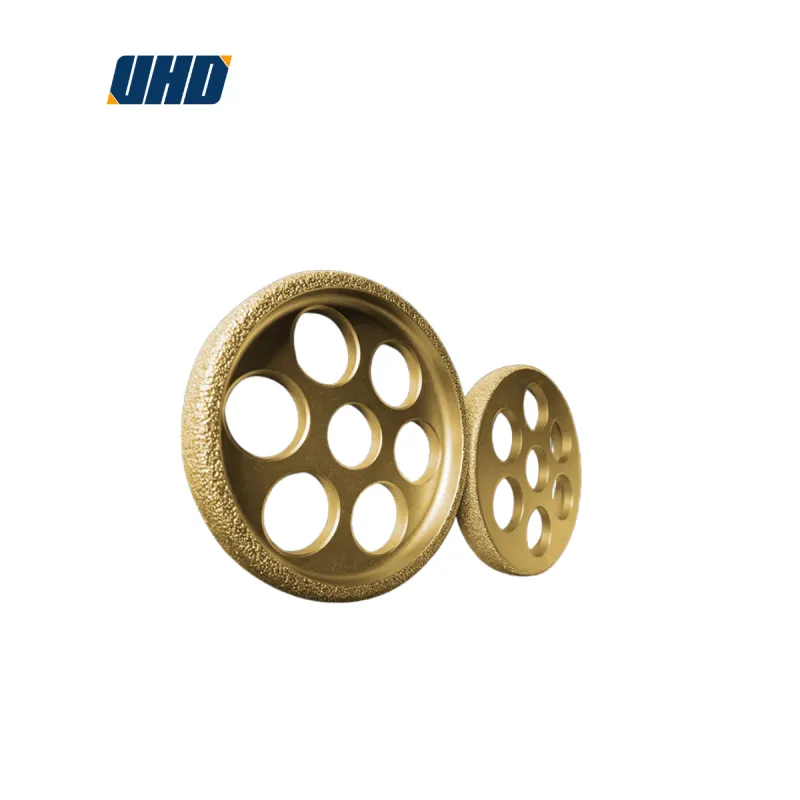
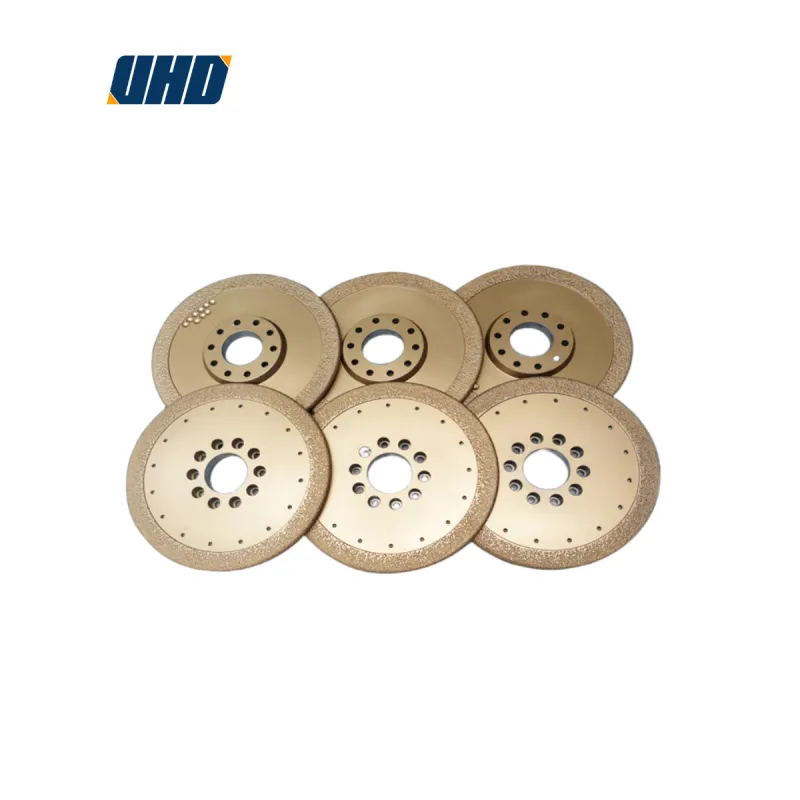
Take UHD’s brazed diamond grinding discs: they’re powerful, yes—but their real value shines when paired with smart operational practices. Here are five data-backed techniques that can reduce energy consumption by up to 18% and extend disc life by 30%, based on field tests from 2022–2024:
For hardened steel (HRC 55–62), a 40–60 mesh grain size offers optimal balance between sharpness and wear resistance. In contrast, aluminum alloys benefit from finer 80–100 mesh particles to prevent clogging. A case study at a Thai bearing manufacturer showed a 12% reduction in surface roughness after switching grain sizes based on material hardness.
High-pressure coolant (6–8 bar) reduces thermal stress by up to 25%. However, for precision work like turbine blade finishing, minimal quantity lubrication (MQL) cuts cooling costs by 40% while maintaining temperature control. One Indian OEM reported a 15% drop in rework rates after implementing MQL with biodegradable oil.
A weekly dressing schedule extends disc life by 20–25%. Without it, uneven wear causes vibration and inconsistent finishes. Our team observed that un-dressed discs lost 35% of cutting efficiency within 3 weeks—a common mistake among new users.
Too fast = burn marks. Too slow = inefficient. For most applications, 0.05–0.1 mm/rev is ideal. At a Brazilian CNC shop, adjusting feed rate from 0.15 mm/rev to 0.08 mm/rev reduced disc damage by 40% and improved dimensional accuracy from ±0.02mm to ±0.005mm.
Use simple tools like surface profilometers or even smartphone apps (like “GrindCheck”) to track wear patterns monthly. Early detection prevents catastrophic failure and ensures consistent quality. A German gear producer saved €12k/year by catching early signs of glazing before it led to batch rejection.
These aren’t theoretical suggestions—they’re proven strategies from real-world setups where uptime matters more than specs on paper. Whether you're grinding titanium for aerospace or stainless steel for medical devices, small changes make big impacts.
Download our free guide: "5 Practical Steps to Extend Diamond Disc Life & Cut Energy Use" — filled with checklists, real-case charts, and expert tips from UHD’s global engineers.
Get the Free Guide NowHave you tried any of these methods? Share your results in the comments below—we’re always learning from our customers’ hands-on experience.

.png?x-oss-process=image/resize,h_800,m_lfit/format,webp)
 brazed diamond grinding wheel
industrial diamond tools
diamond grinding technology
superabrasive cutting tools
grinding wheel durability
Automation diamond saw blades
Vacuum brazing technology
Metal cutting tools
Production efficiency improvement
Cutting equipment durability
brazed diamond grinding wheels
high - wear - resistant grinding wheels
diamond grinding wheel life management
industrial grinding technology
brazing process optimization
brazed diamond grinding wheel
precision mold grinding
tungsten carbide grinding
custom industrial tools
diamond wheel durability
brazed diamond wheel
diamond grinding wheel durability
impact-resistant grinding tools
high-speed grinding solutions
custom industrial grinding tools
brazed diamond grinding wheel
industrial diamond tools
diamond grinding technology
superabrasive cutting tools
grinding wheel durability
Automation diamond saw blades
Vacuum brazing technology
Metal cutting tools
Production efficiency improvement
Cutting equipment durability
brazed diamond grinding wheels
high - wear - resistant grinding wheels
diamond grinding wheel life management
industrial grinding technology
brazing process optimization
brazed diamond grinding wheel
precision mold grinding
tungsten carbide grinding
custom industrial tools
diamond wheel durability
brazed diamond wheel
diamond grinding wheel durability
impact-resistant grinding tools
high-speed grinding solutions
custom industrial grinding tools



.png?x-oss-process=image/resize,h_100,m_lfit/format,webp)
.png?x-oss-process=image/resize,h_100,m_lfit/format,webp)
.png?x-oss-process=image/resize,h_100,m_lfit/format,webp)
