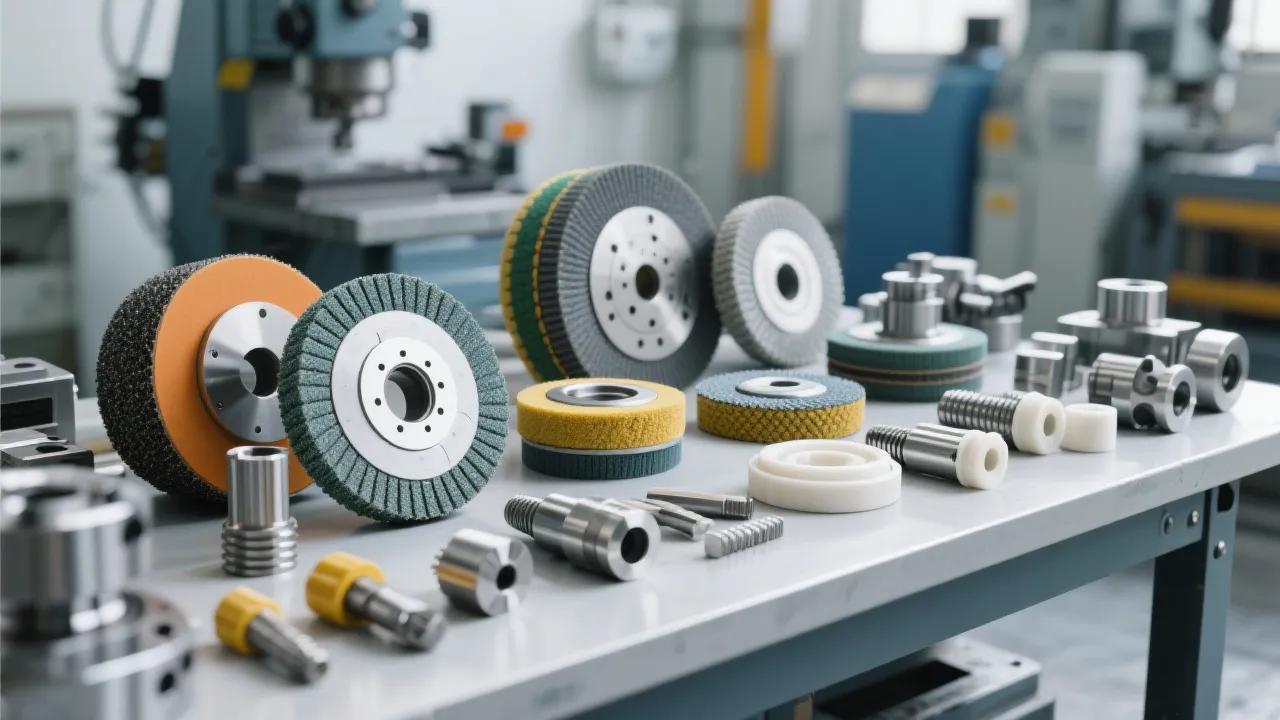
In the field of metal processing, stainless steel grinding is a crucial process. However, grinding burns often occur, which can affect the quality of the workpiece. This article focuses on the common burn problems in the stainless - steel grinding process, and provides in - depth analysis and practical solutions.
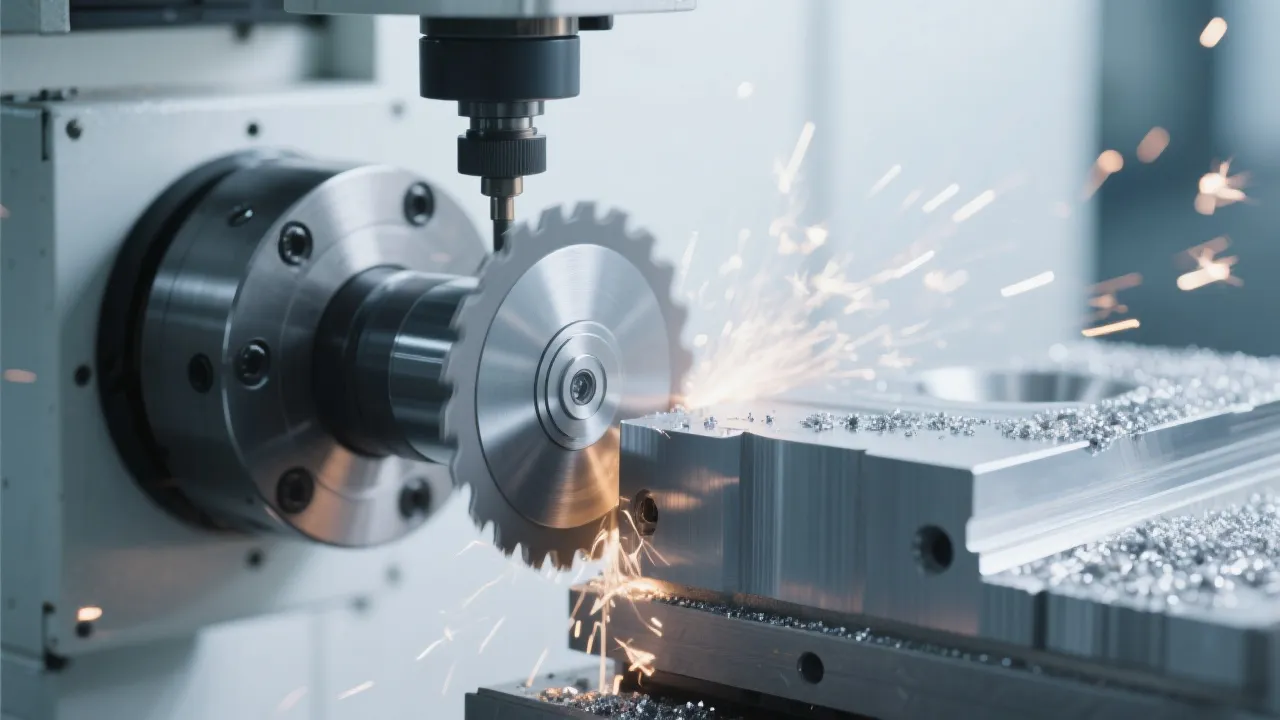
First, let's compare the physical properties of gray cast iron and stainless steel. Gray cast iron has better thermal conductivity and relatively low ductility, while stainless steel has poor thermal conductivity and high ductility. These differences have a significant impact on the grinding process. For example, due to the poor thermal conductivity of stainless steel, heat generated during grinding is difficult to dissipate, which easily leads to heat concentration and stress concentration.
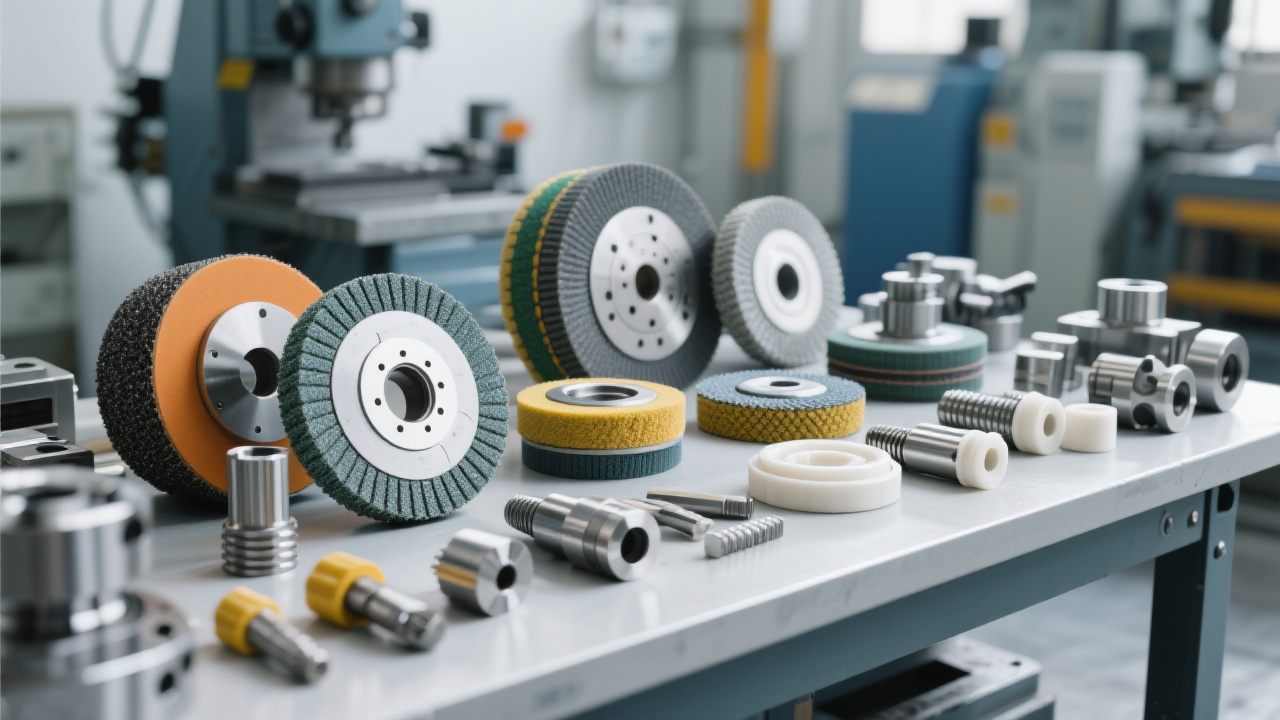
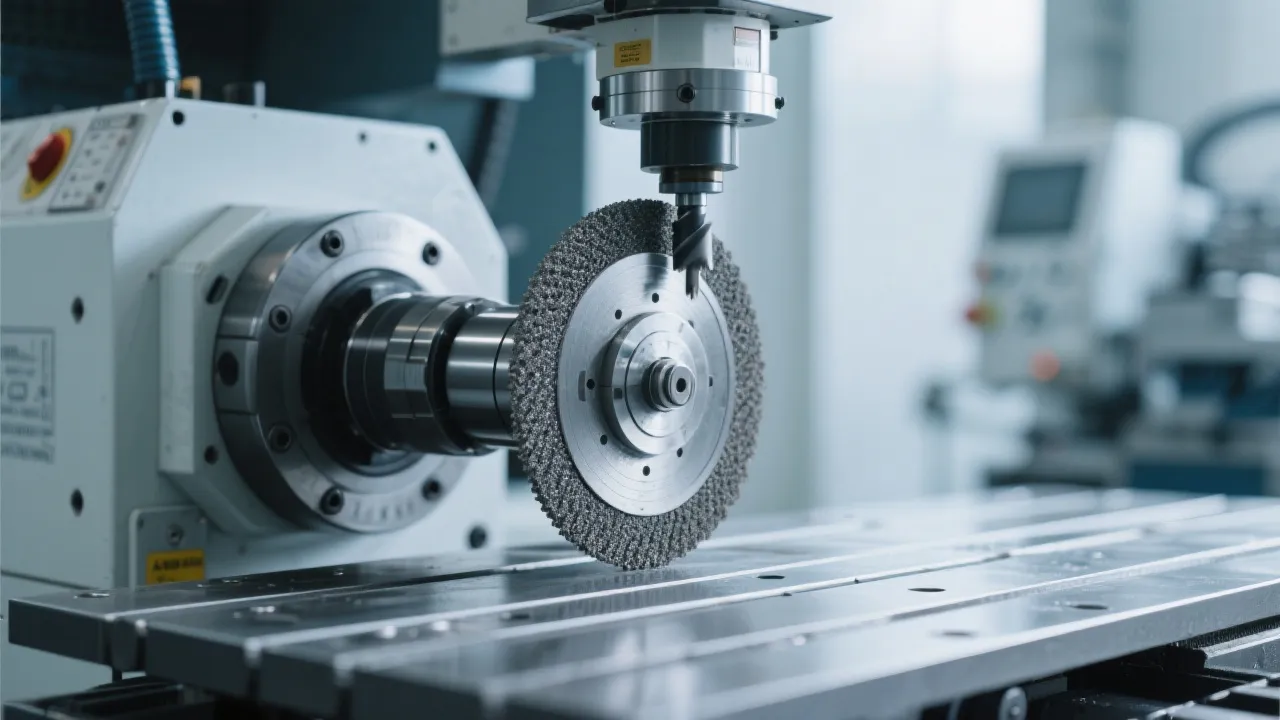
The grinding force transmission mechanism is complex. During the grinding process, the grinding force is transmitted through the abrasive particles. Heat and stress tend to concentrate at the tip of the diamond particles. We can use analogies and schematic diagrams to better understand this process. For instance, it's like a pointed object pressing on a surface, where the pressure is concentrated at the tip. This concentration of heat and stress can cause damage to the abrasive particles and the workpiece, leading to grinding burns.
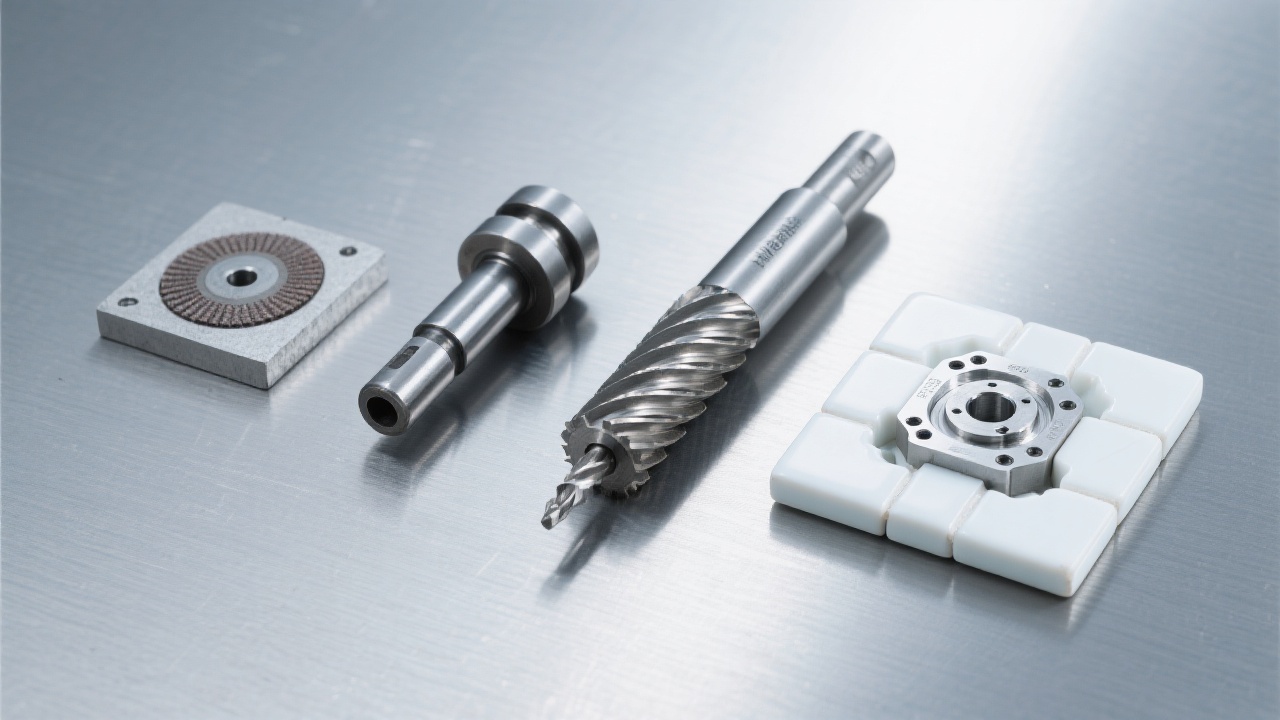
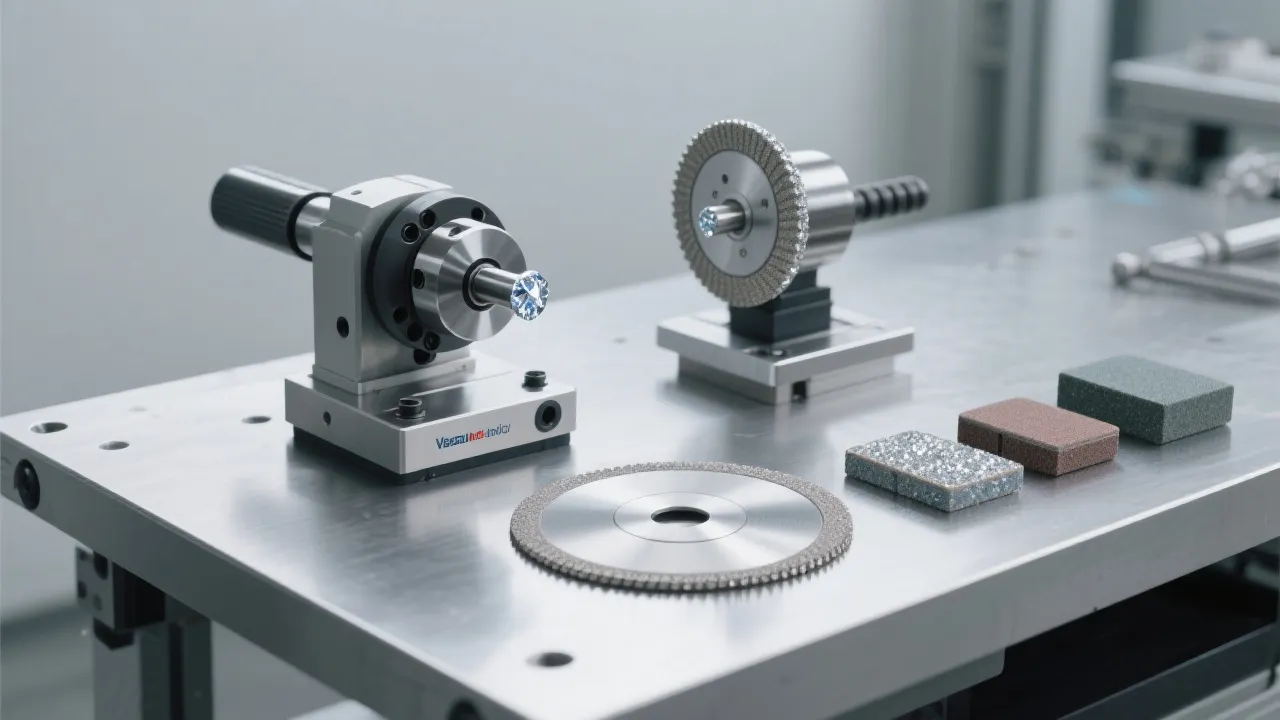
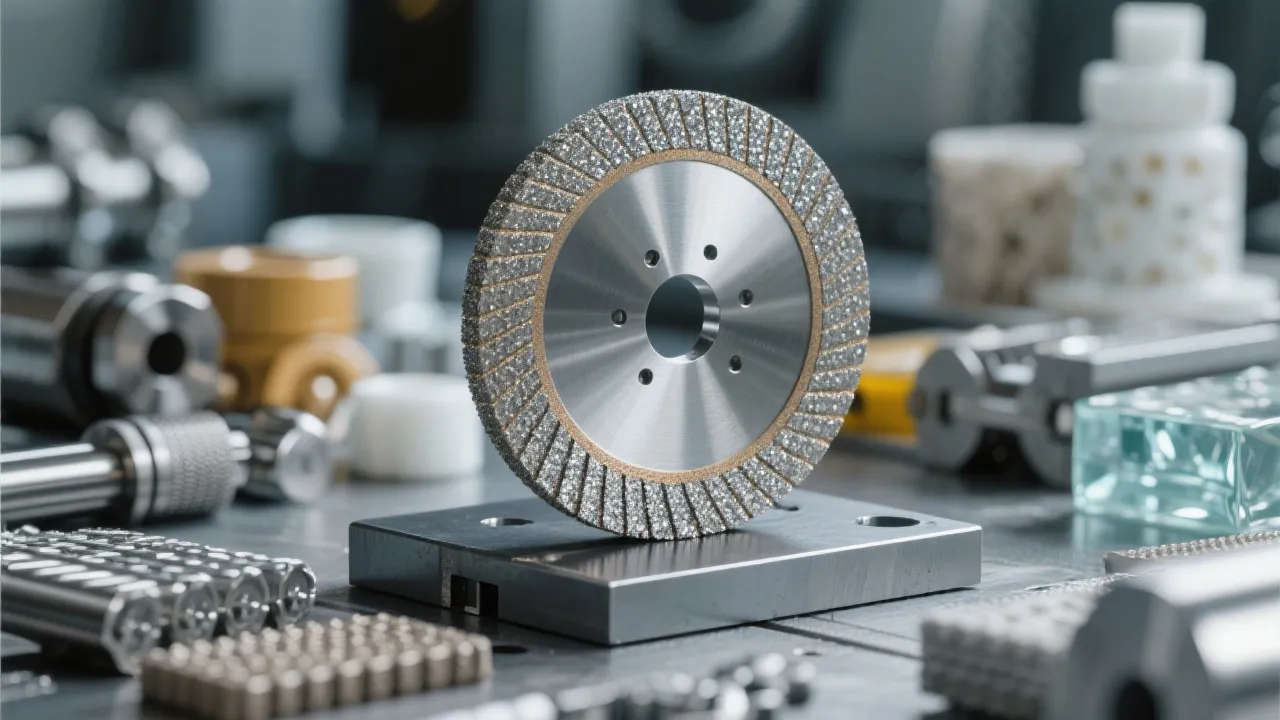
Diamond abrasive has several main wear modes, including pitting, spalling, and passivation. Different wear modes require different matrix materials for matching. For example, when pitting occurs, a matrix material with high hardness and good wear - resistance may be needed. When spalling occurs, a matrix material with better toughness is more suitable. By choosing the right matrix material, we can improve the wear resistance of the abrasive and reduce the occurrence of grinding burns.
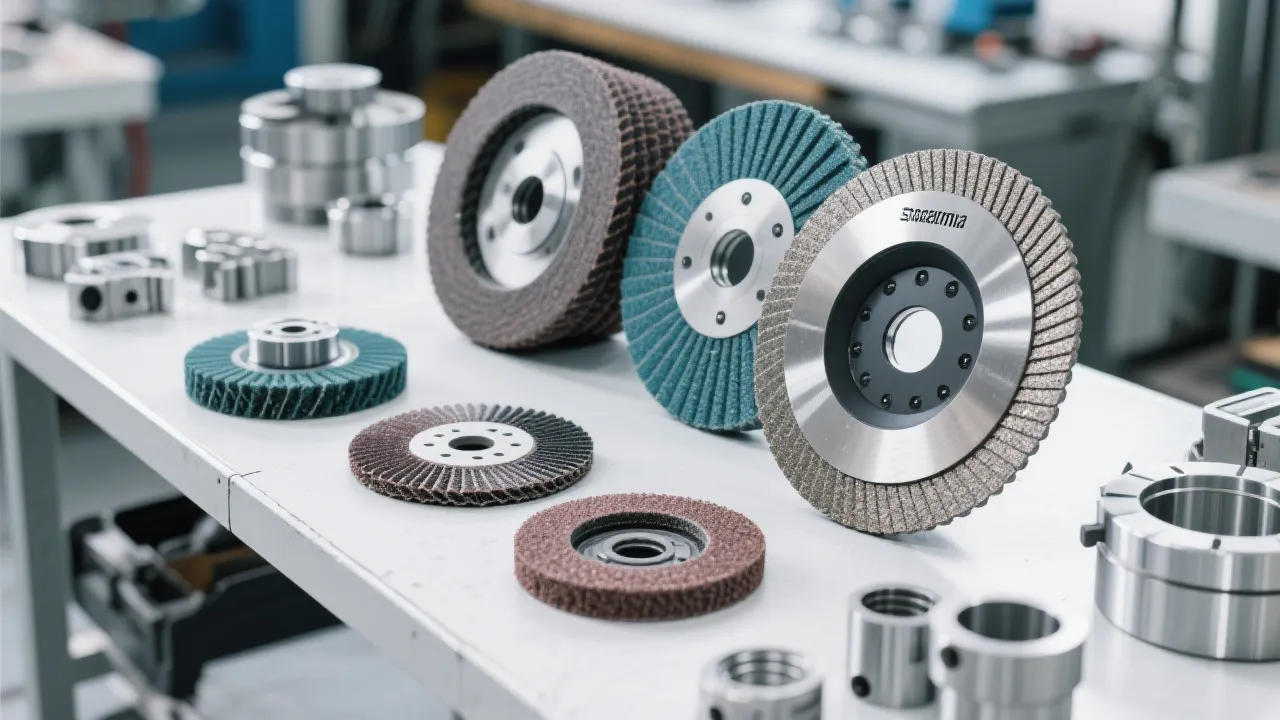
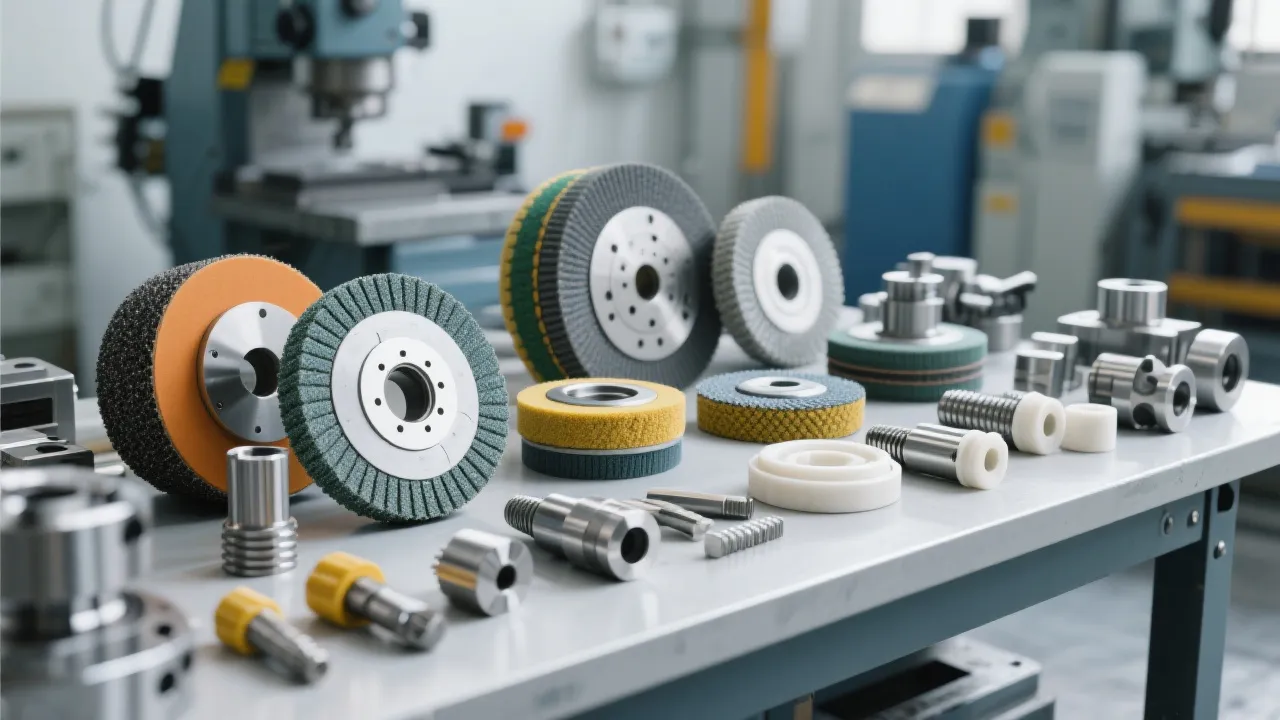
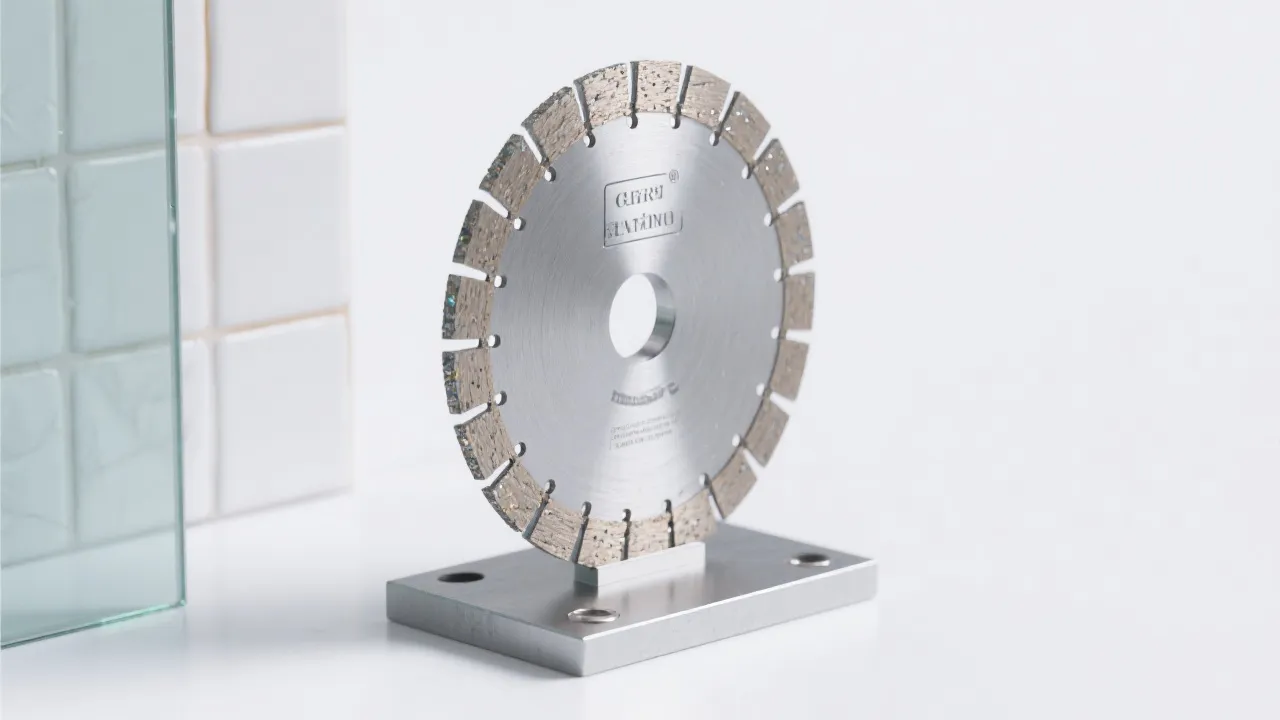
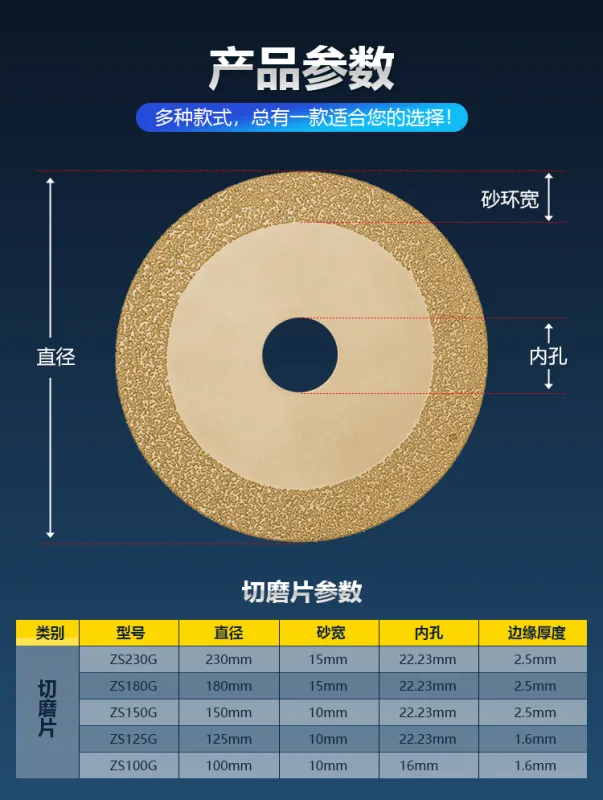
Based on practical cases, we can optimize key parameters such as the grinding disc specification, rotation speed, and depth of cut. In the range of 100 - 180mm, different grinding disc specifications have different effects on the grinding process. For example, a larger - diameter grinding disc can cover a larger area, but it may also increase the load on the machine. By adjusting the rotation speed and depth of cut, we can effectively reduce heat input and stress concentration. In a specific case, after optimizing the parameters, the occurrence rate of grinding burns was reduced from 20% to 5%.
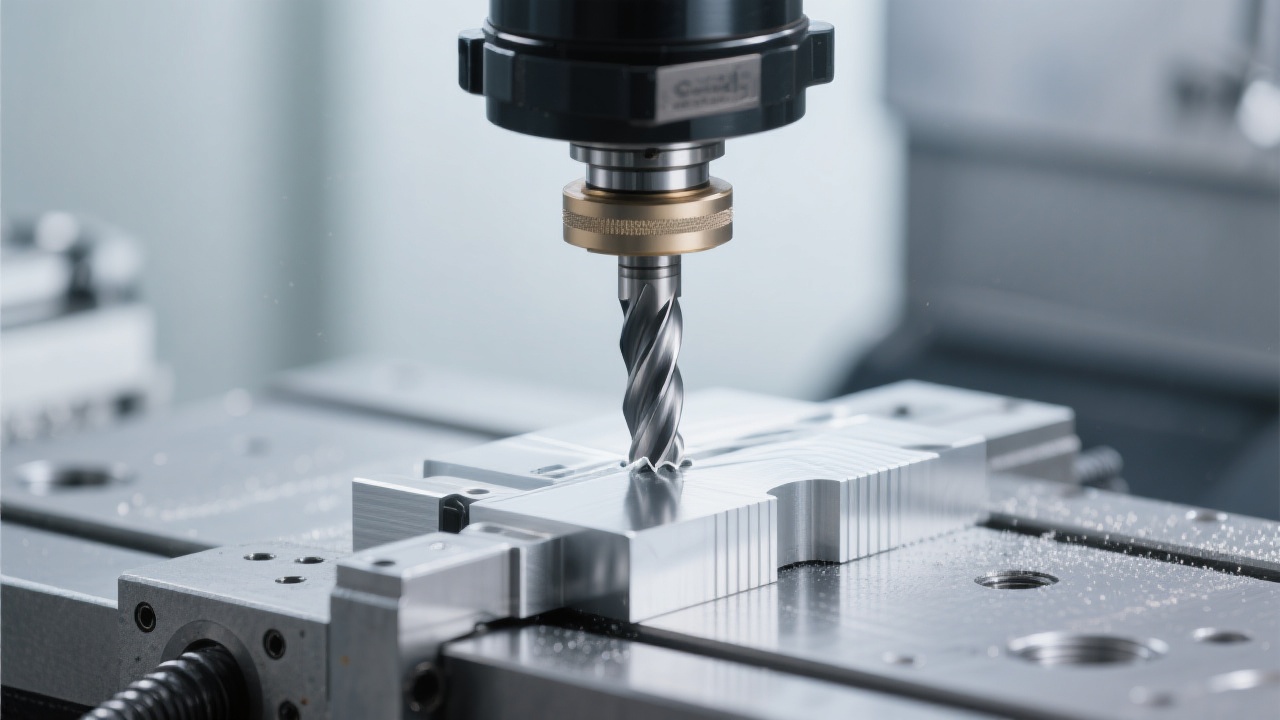
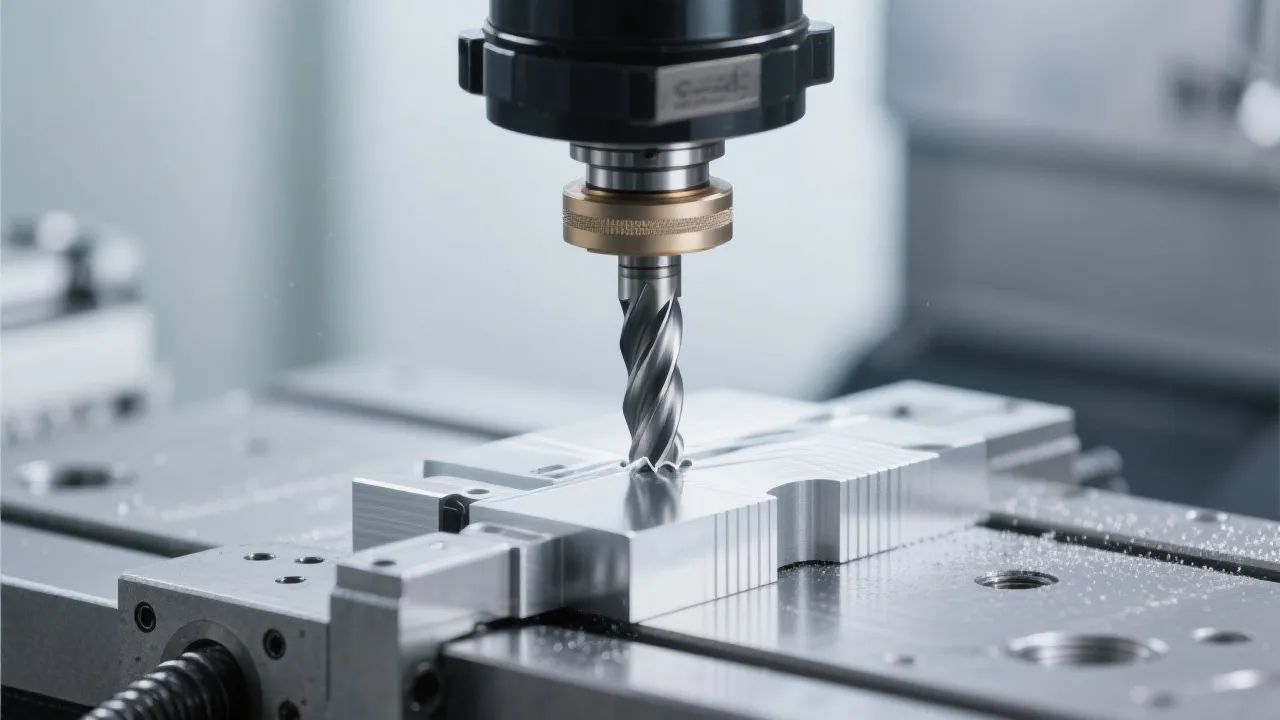
Regular tool maintenance is essential for reducing grinding burns. By observing the shape of the grinding chips, we can judge the state of the grinding disc. For example, if the grinding chips are long and thin, it may indicate that the grinding disc is in good condition. If the chips are short and thick, it may mean that the grinding disc is worn or clogged. By timely cleaning and replacing the grinding disc, we can ensure the stability of the product quality and extend the service life of the tool.
In conclusion, by understanding the material properties, grinding force transmission mechanism, and wear modes of diamond abrasives, and optimizing key parameters, we can effectively reduce the occurrence of stainless - steel grinding burns. To help you better master these techniques, we offer a free download of the Metal Grinding Parameter Comparison Table. Click here to download it now!

 Brazed diamond grinding disks
High-impact grinding disks
Industrial precision grinding
Multi-specification customized grinding disks
Metal processing solutions
Diamond grinding disc aperture selection guide
Grinding disc aperture matching method
High - wear - resistant diamond grinding disc customization
Brazed diamond grinding disc application
Stainless steel processing grinding disc selection
curved surface grinding
custom diamond grinding wheels
wheel diameter selection
precision grinding
industrial grinding tools
contour grinding
custom diamond grinding wheels
high-performance grinding solutions
grinding wheel selection guide
precision machining enhancement
Brazed diamond grinding wheels
High - wear - resistant grinding wheels
Diamond grinding wheel technology
Grinding wheel life management
Brazing technology
Brazed diamond grinding disks
High-impact grinding disks
Industrial precision grinding
Multi-specification customized grinding disks
Metal processing solutions
Diamond grinding disc aperture selection guide
Grinding disc aperture matching method
High - wear - resistant diamond grinding disc customization
Brazed diamond grinding disc application
Stainless steel processing grinding disc selection
curved surface grinding
custom diamond grinding wheels
wheel diameter selection
precision grinding
industrial grinding tools
contour grinding
custom diamond grinding wheels
high-performance grinding solutions
grinding wheel selection guide
precision machining enhancement
Brazed diamond grinding wheels
High - wear - resistant grinding wheels
Diamond grinding wheel technology
Grinding wheel life management
Brazing technology


.png?x-oss-process=image/resize,h_100,m_lfit/format,webp)
.png?x-oss-process=image/resize,h_100,m_lfit/format,webp)
.png?x-oss-process=image/resize,h_100,m_lfit/format,webp)
.png?x-oss-process=image/resize,h_800,m_lfit/format,webp)